
Spot UV against Hot Foil at the Break Even Run Length
Digital spot UV beats hot foil stamping on setup costs below 3,400 B2 sheets at 5% coverage, beyond which low foil area costs surpass high fluid burn.
Digital spot UV beats hot foil stamping on setup costs below 3,400 B2 sheets at 5% coverage, beyond which low foil area costs surpass high fluid burn.

Commercial landed cost variance depends on sheet yield, press spoilage, and EPR de-inkability fee surcharges triggered by grade substitution.

Fibre length degradation in recycled boxboard reduces sheet stiffness and score integrity, requiring chemical bonding additives or higher basis weight to preserve performance.
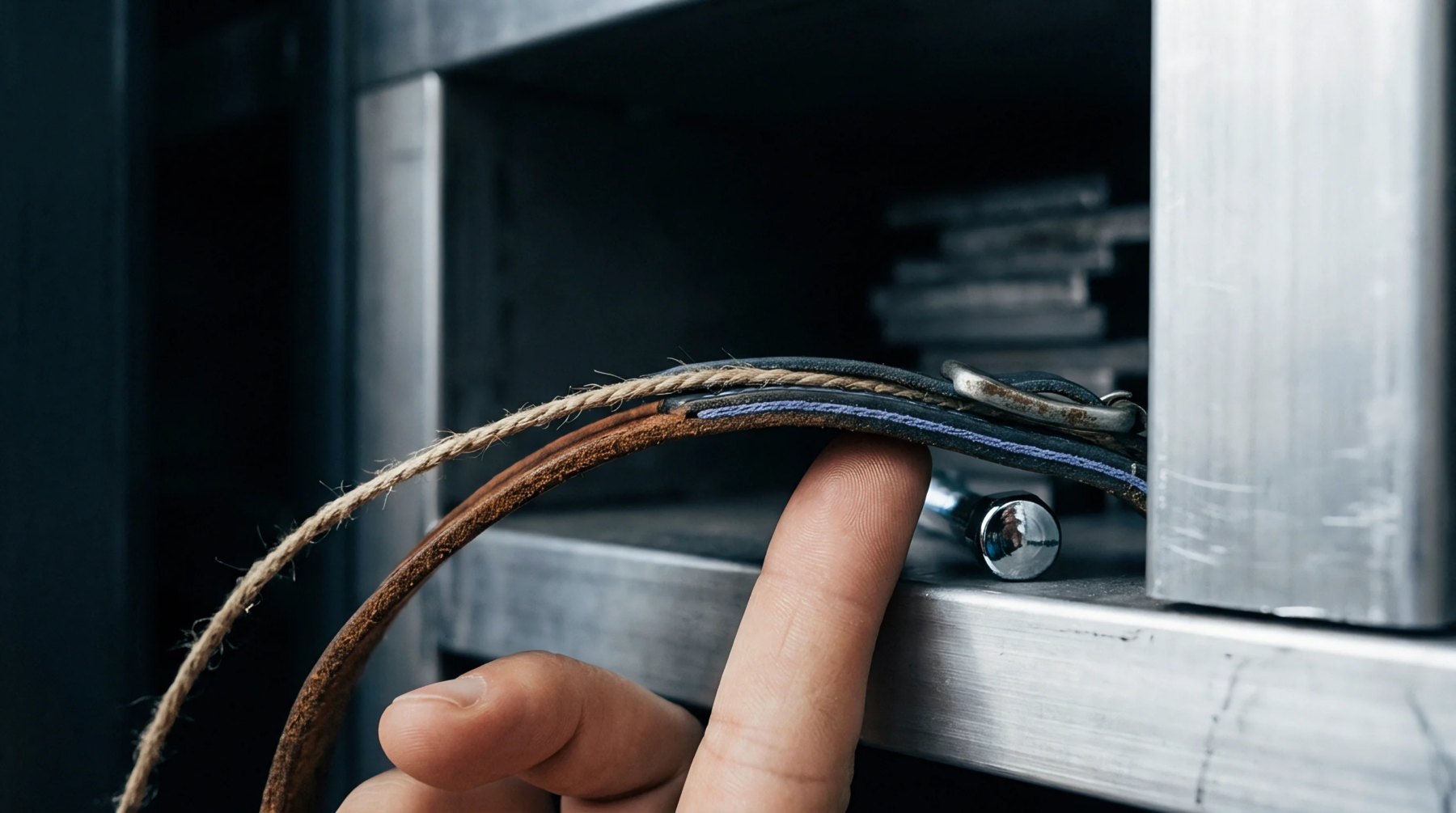
Cross direction score lines on solid bleached sulfate require a 50 percent crease stiffness reduction ratio achieved via a 1.8 to 2.0 times caliper matrix width.
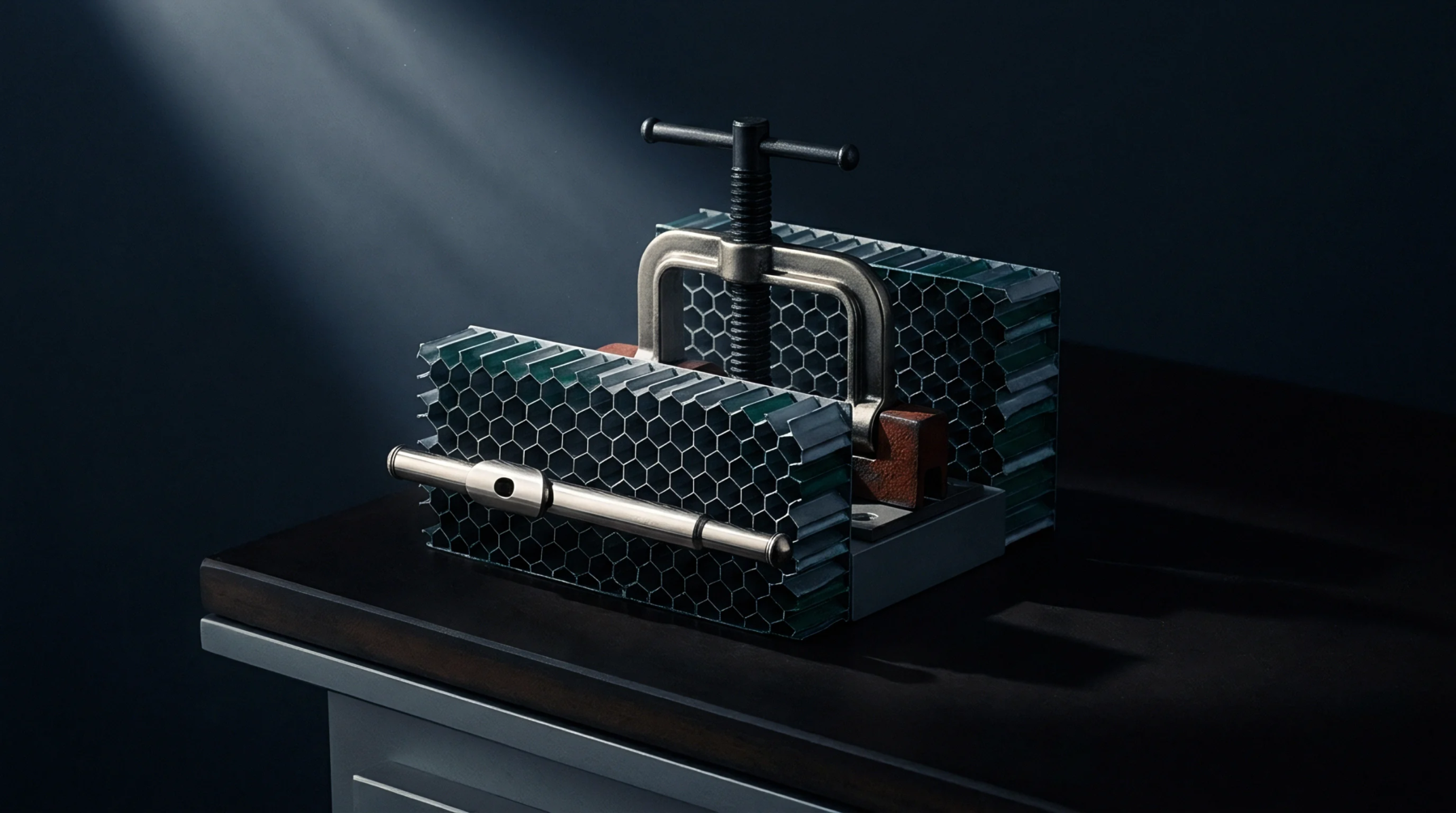
Downgauging folding boxboard demands increasing core bulk and outer ply elastic modulus to preserve caliper and bending stiffness under McKee formula laws.
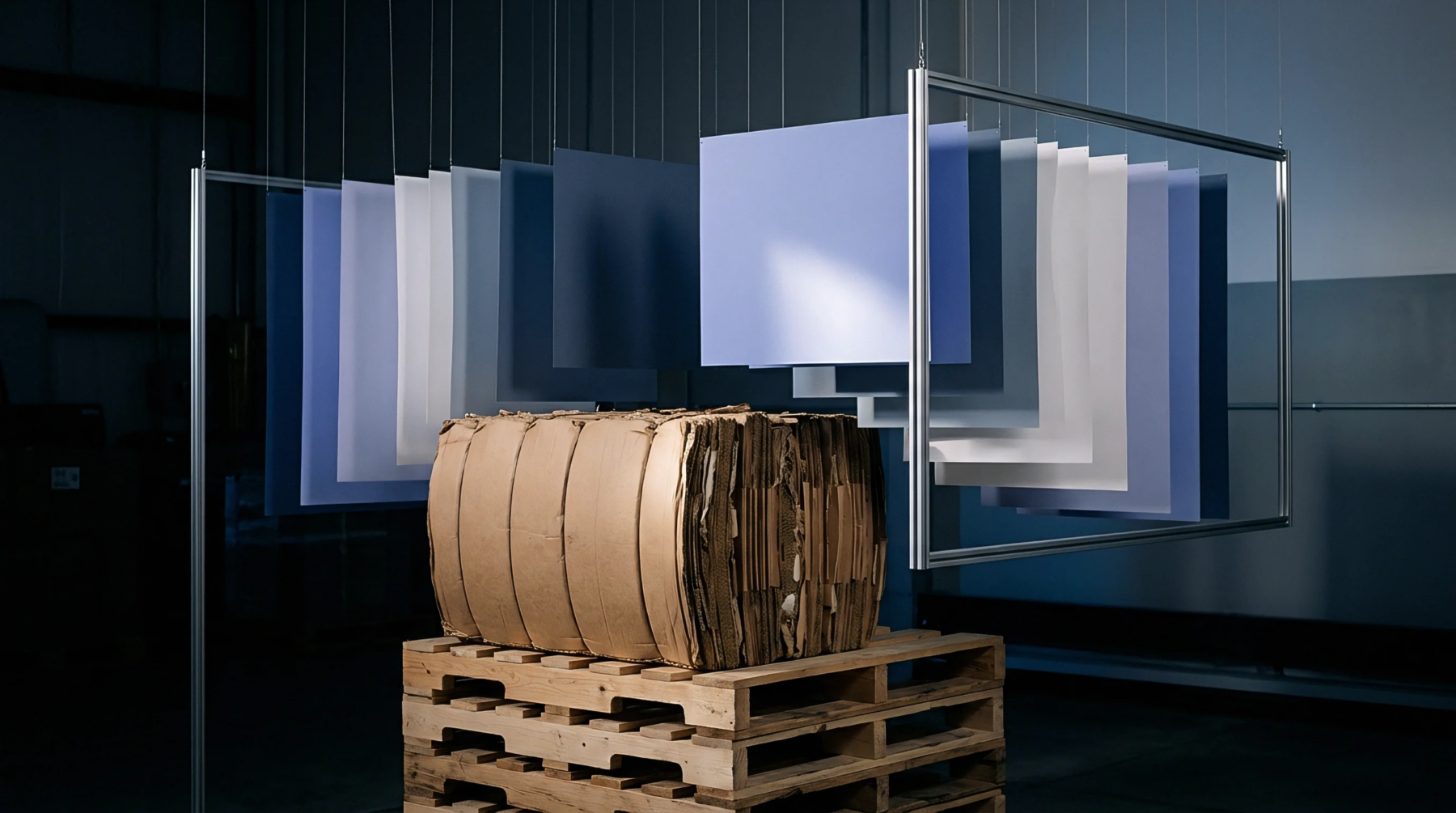
Optimizing multi-ply recycled containerboard requires strategic furnish distribution and precise starch application to maximize stiffness while lowering total fiber cost.
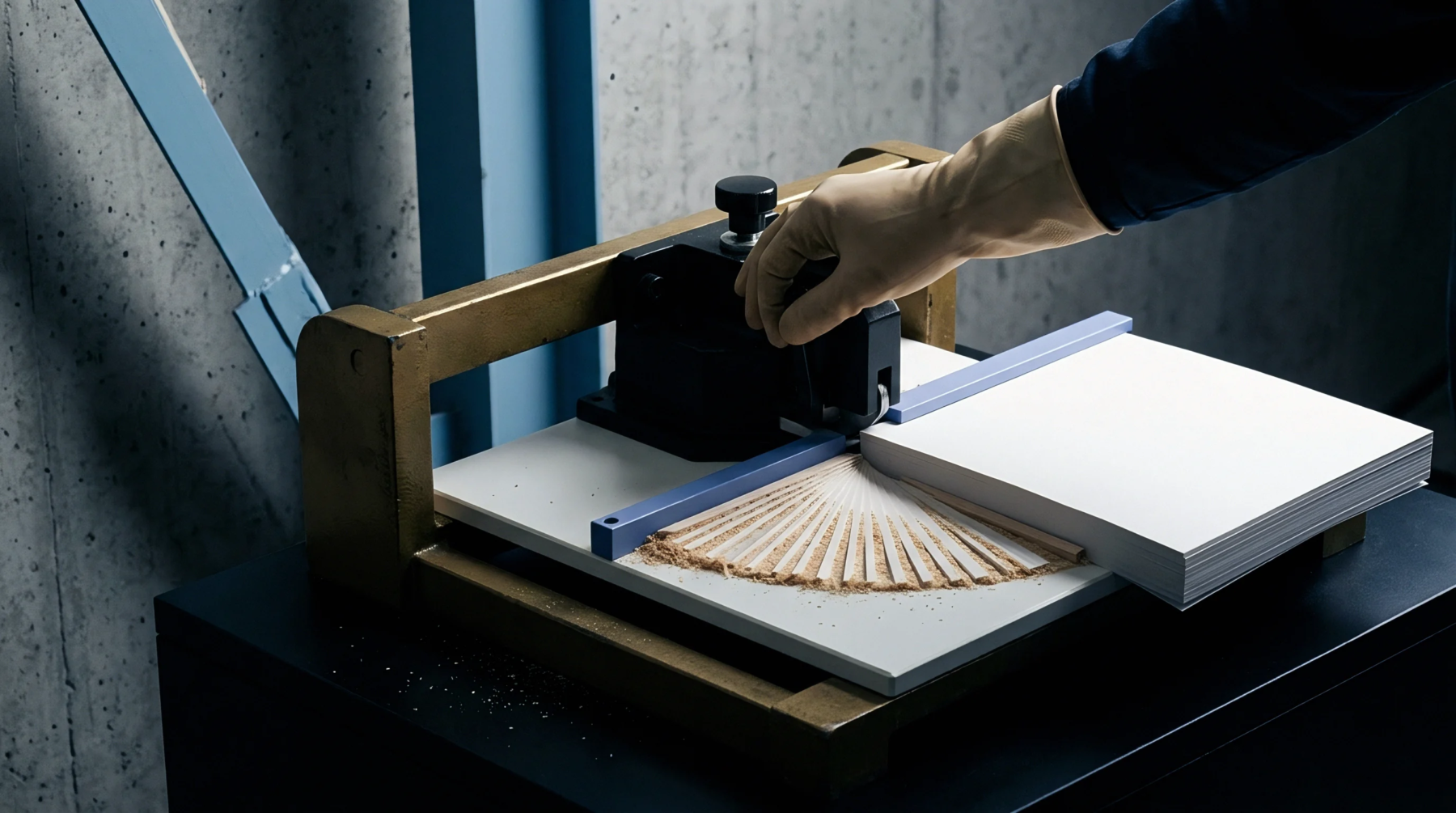
Preserving folding boxboard bending stiffness during weight reduction relies on maintaining mechanical core bulk while elevating outer ply elastic modulus.
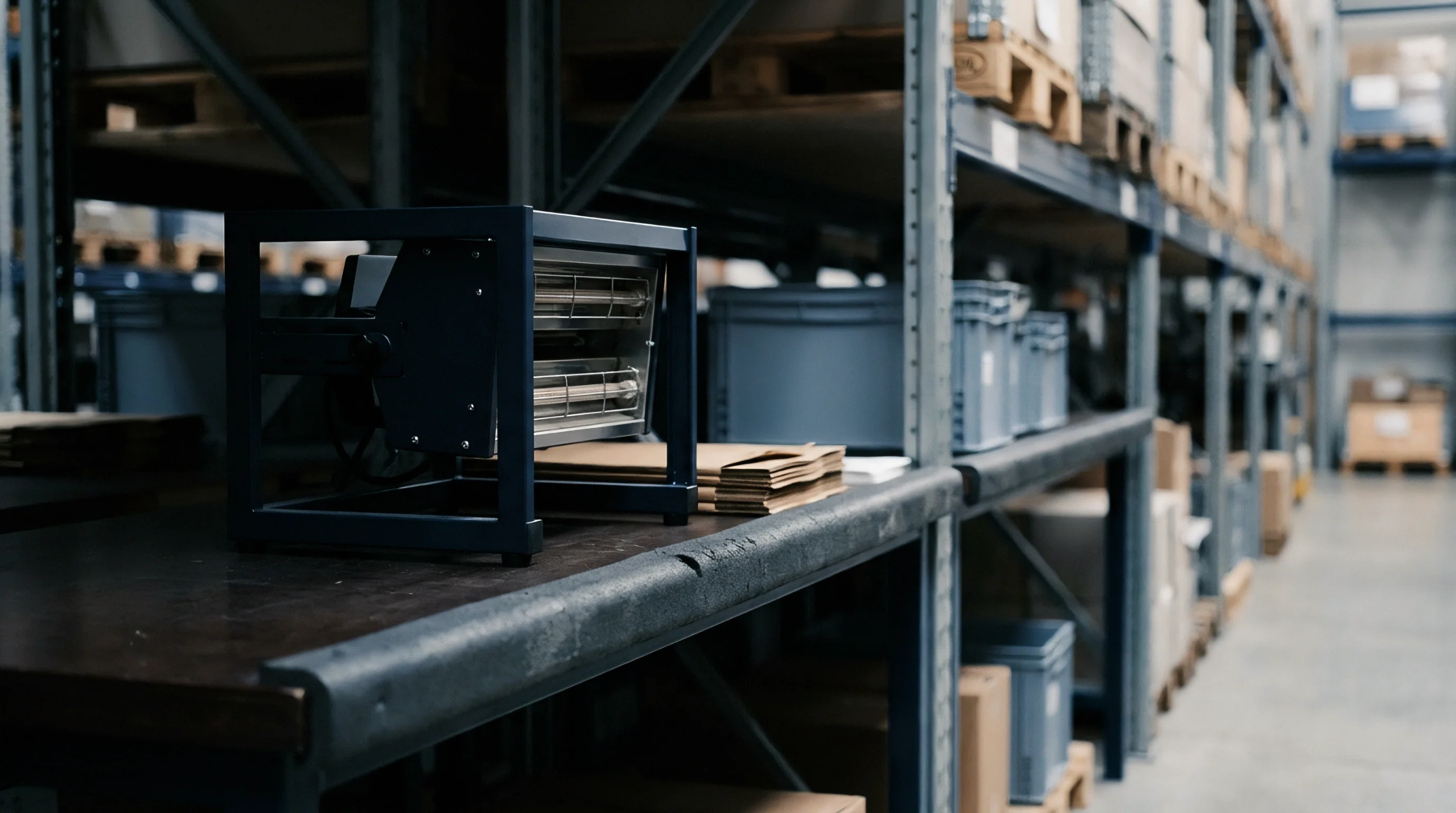
Unheated warehouse storage alters boxboard moisture equilibrium, inducing wavy edges and core bond loss; thermal acclimation before press release prevents spoilage.
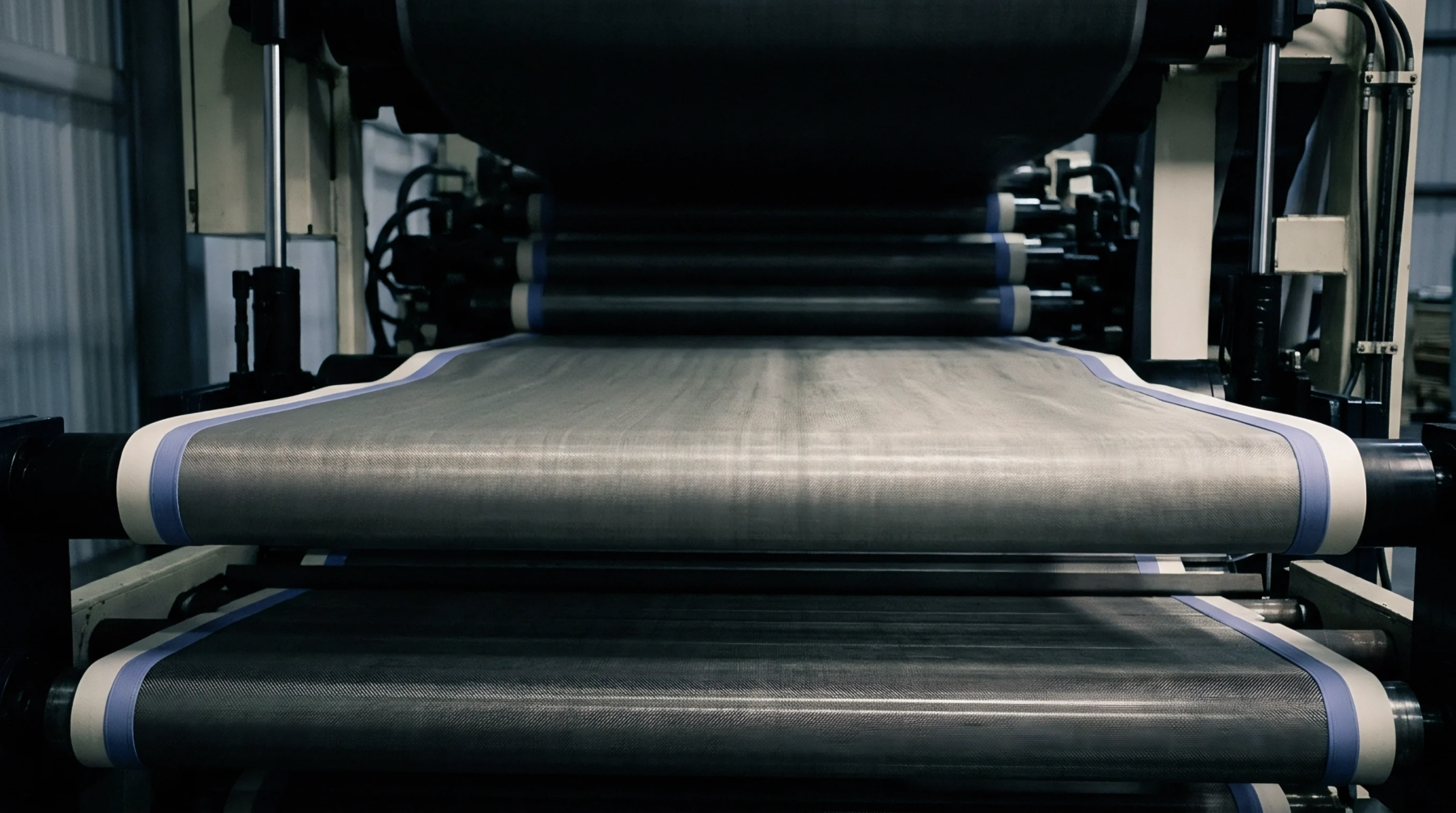
Moisture-gradient calendering plasticizes outer chemical skins while keeping mechanical cores dry, maximizing FBB bending stiffness and yield.

Dynamic delamination thresholds in recycled calipers dictate converted score integrity, requiring minimum inter-ply shear energy dissipation under high strain rates.

Transverse hygroexpansion in recycled paperboard drives interfiber bond dislocation and mechano-sorptive creep under cyclic moisture, accelerating compressive loss.

Interfacial shear delamination in dispersion-coated folding boxboards occurs when converting flexure stresses exceed polymer-fiber bond fracture energy.

Virgin solid bleached sulfate delivers superior score integrity and brightness, while recycled board reduces raw material expenditure when stiffness targets allow.

Widening matrix channel width to 1.7 times board caliper mitigates score cracking on recycled board by promoting controlled internal ply delamination.

Paperboard physical property verification requires strict ISO 187 conditioning and standardized test methods to ensure compliance and prevent customs holds.

Core layer mechanical pulp distribution controls folding boxboard bulk and bending stiffness, enabling weight reduction while preserving box structural integrity.

Matching dynamic Scott Bond energy above 120 J/m² prevents high-speed folder-gluer delamination and reduces net carton cost through lower line scrap.

Eucalyptus fiber collapse and hydrogen bond density dictate sheet tensile strength, bulk retention, and landed sheet cost in commercial packaging grades.
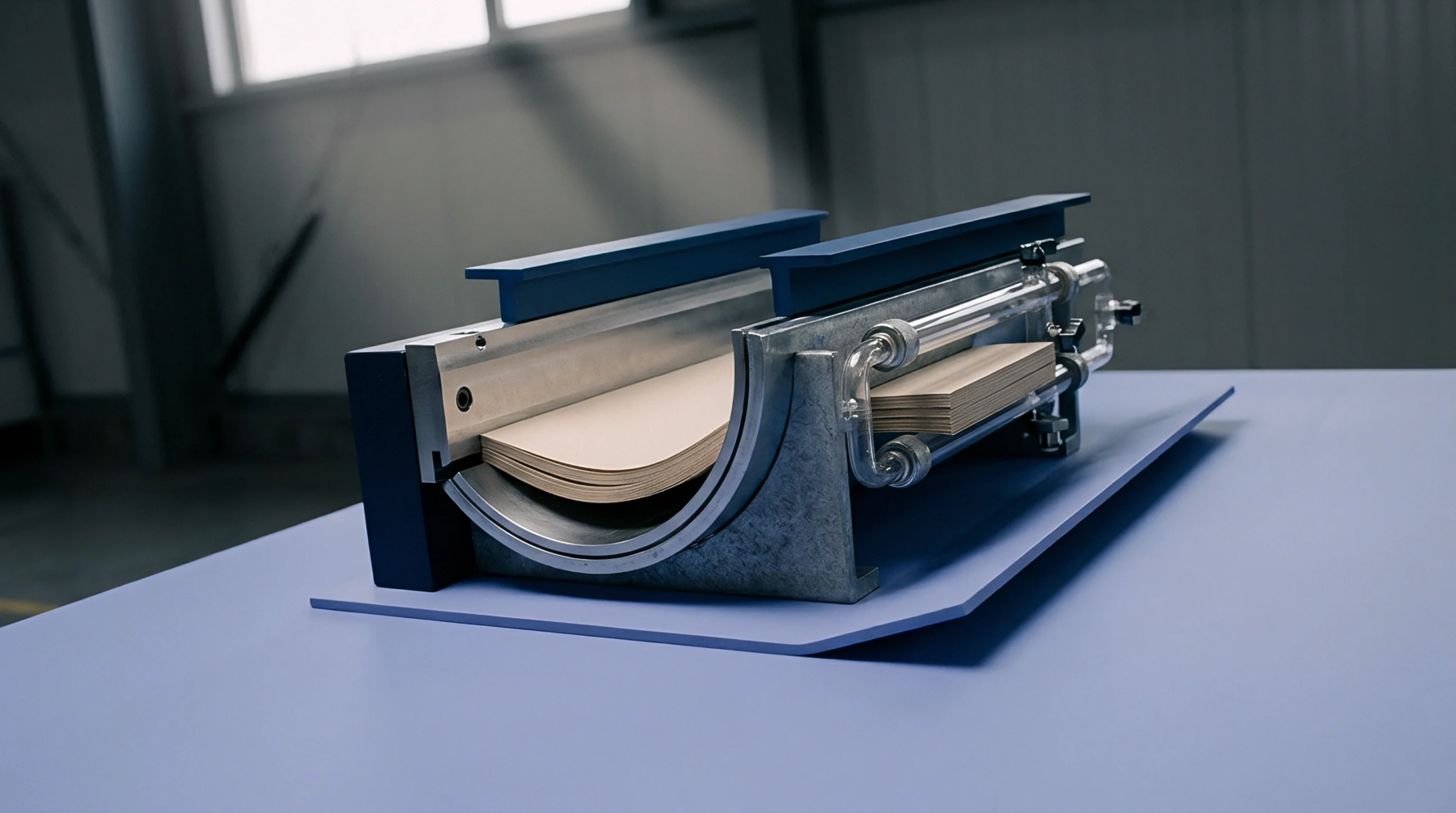
Low transverse shear modulus in foamed cores reduces effective bending stiffness and causes early compression collapse on short spans.

High erection speeds induce inter-ply shear strain that causes carton delamination when Z-direction bond strength drops below 180 Joules per square metre.
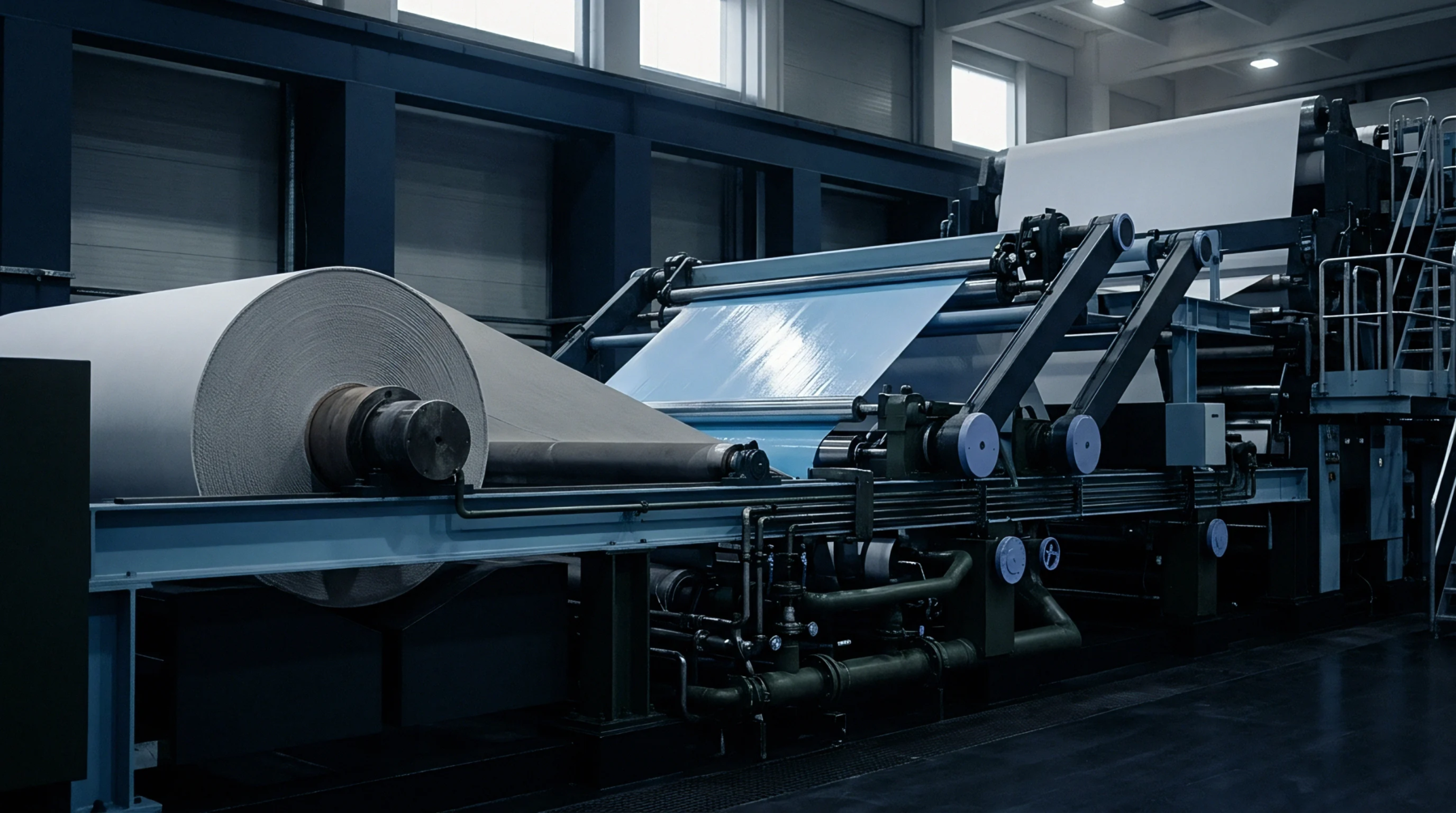
Dynamic moisture entry plasticizes paperboard core binders and depresses matrix glass transition, driving interlaminar delamination and pallet stack collapse.
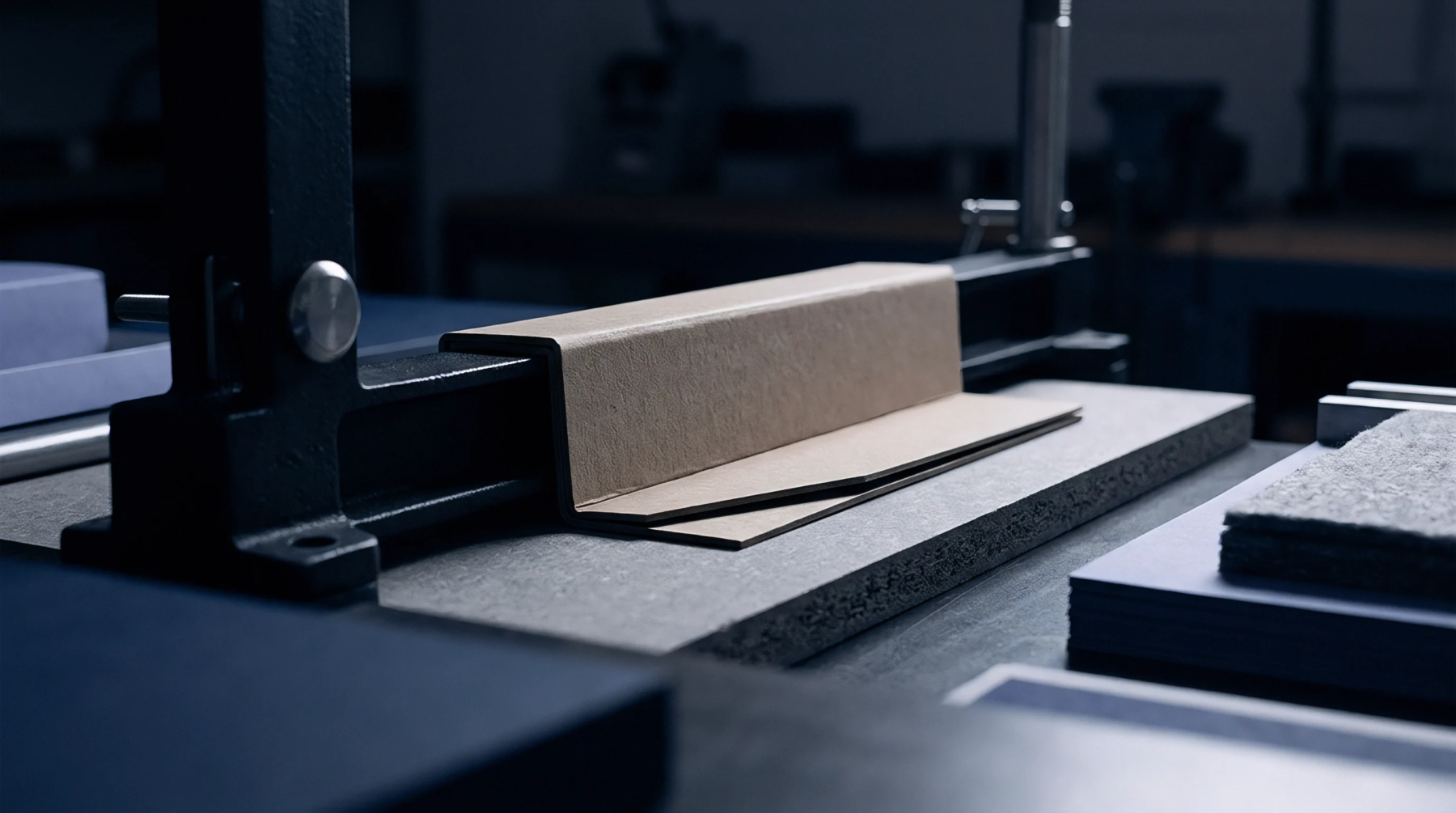
Recycled folding boxboard requires expanding matrix channel width from 1.5 to 1.8 times caliper plus rule thickness to prevent top-liner rupture.

Inline ultrasonic testing verifies internal score delamination and folding resistance in real time, preventing visual surface cracking and high-speed erect jams.

Chemithermomechanical core compliance modeling predicts time-dependent box compression decay under changing humidity by coupling viscoelastic Prony series with shear kinematics.
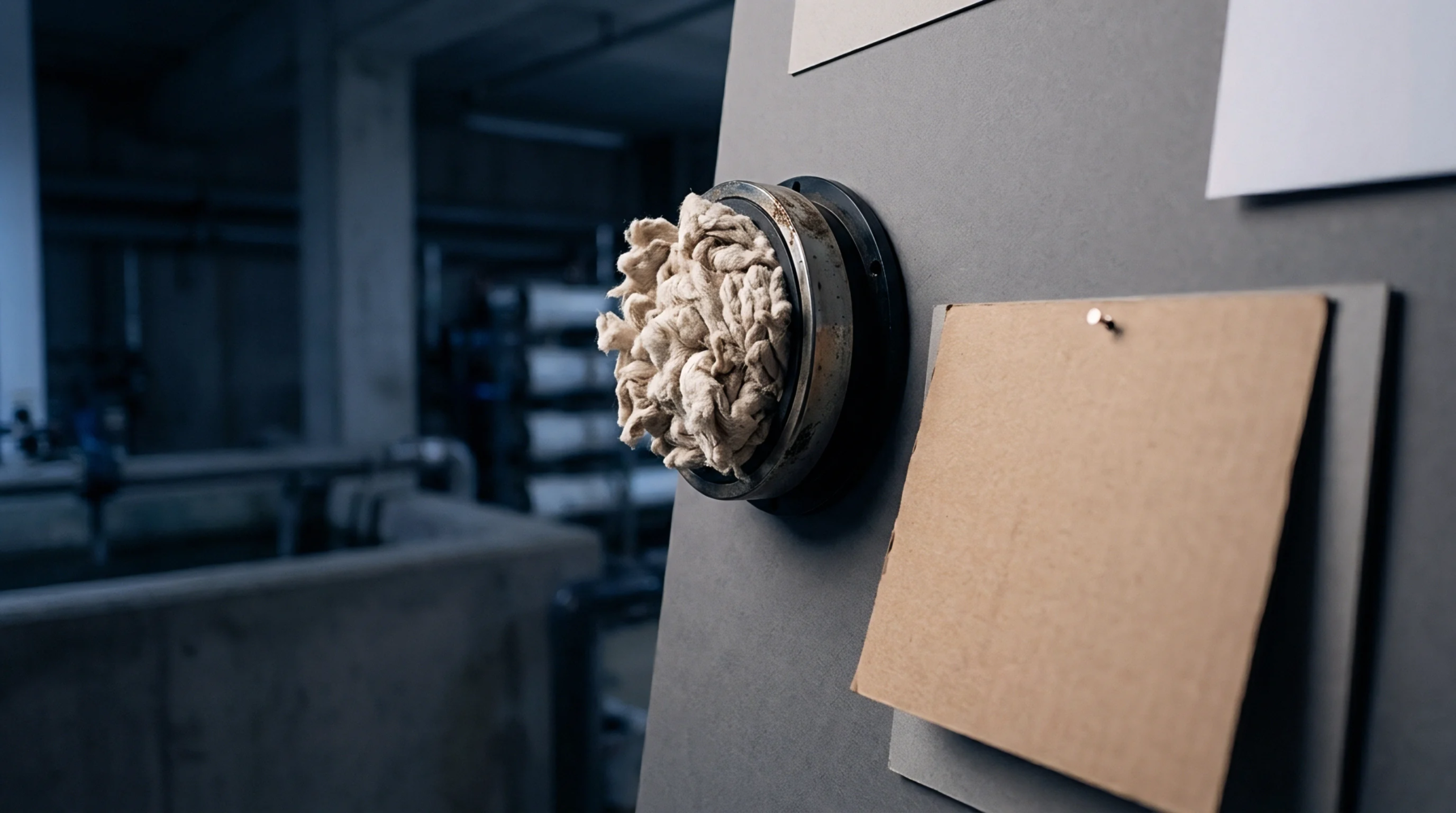
Paperboard recycled claims require matching chain of custody certificates, mass balance ledger reconciliation, and certified converter invoices.
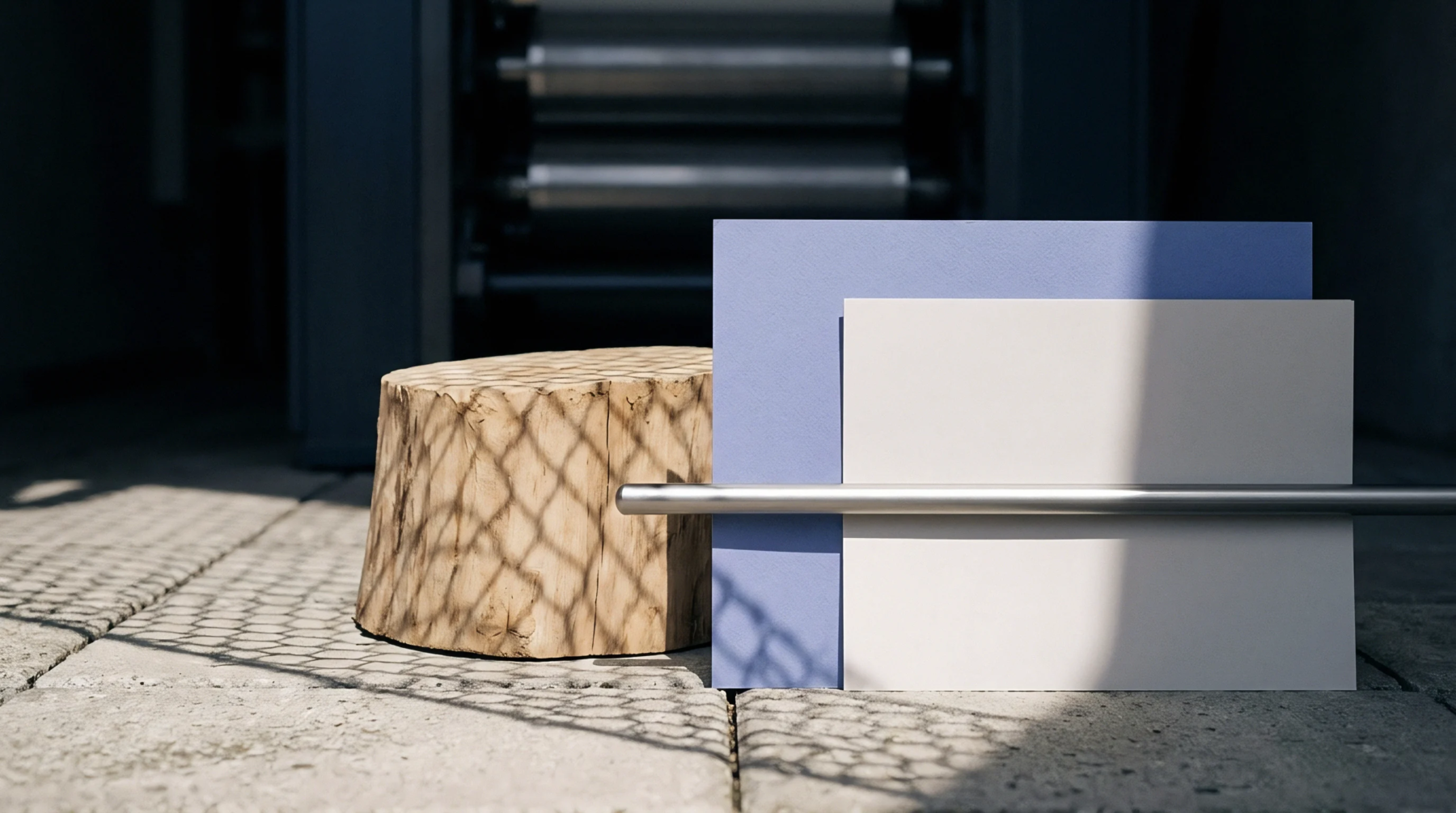
Dynamic Scott Bond impact and static Z-tensile testing verify multi-ply recycled board strength to prevent costly delamination during foil stamping and creasing.
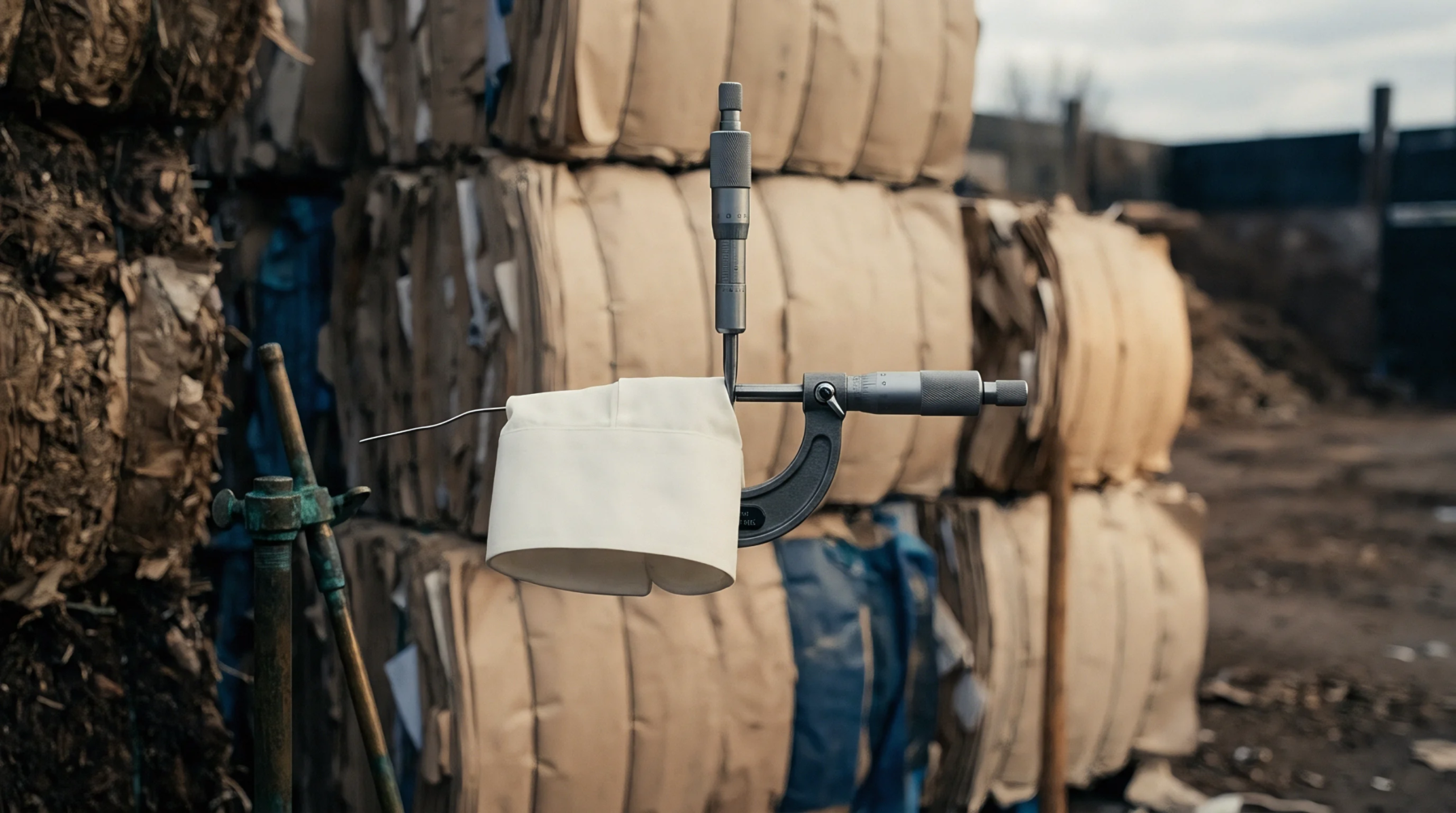
Asymmetric hygroexpansion across recycled boxboard plies induces internal shear stresses and curl, demanding strict moisture control to avoid converting scrap.
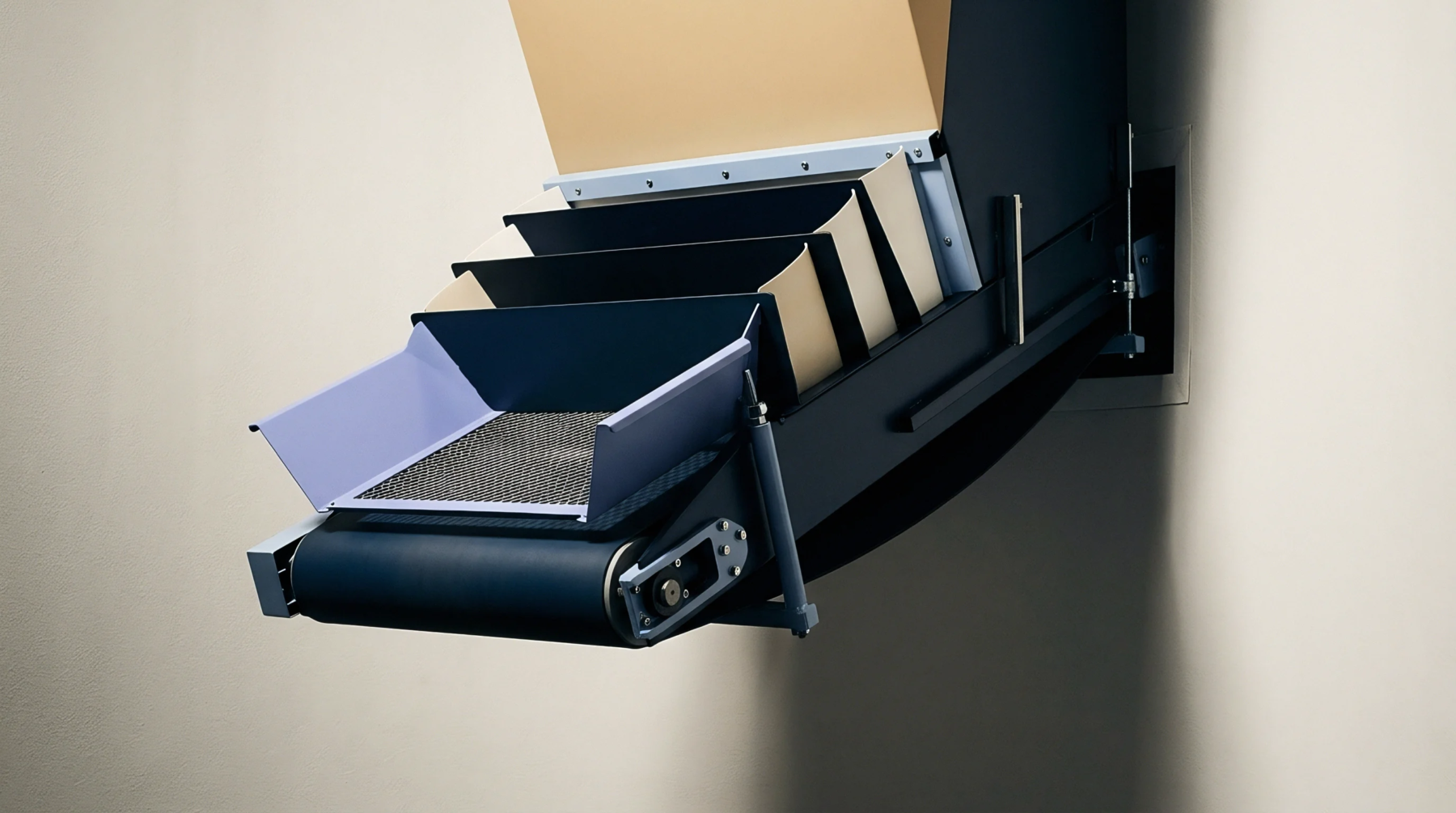
Moisture plasticizes secondary fibre bonds, reducing Mode I and II fracture energy thresholds and causing delamination during thermal finishing and creasing.
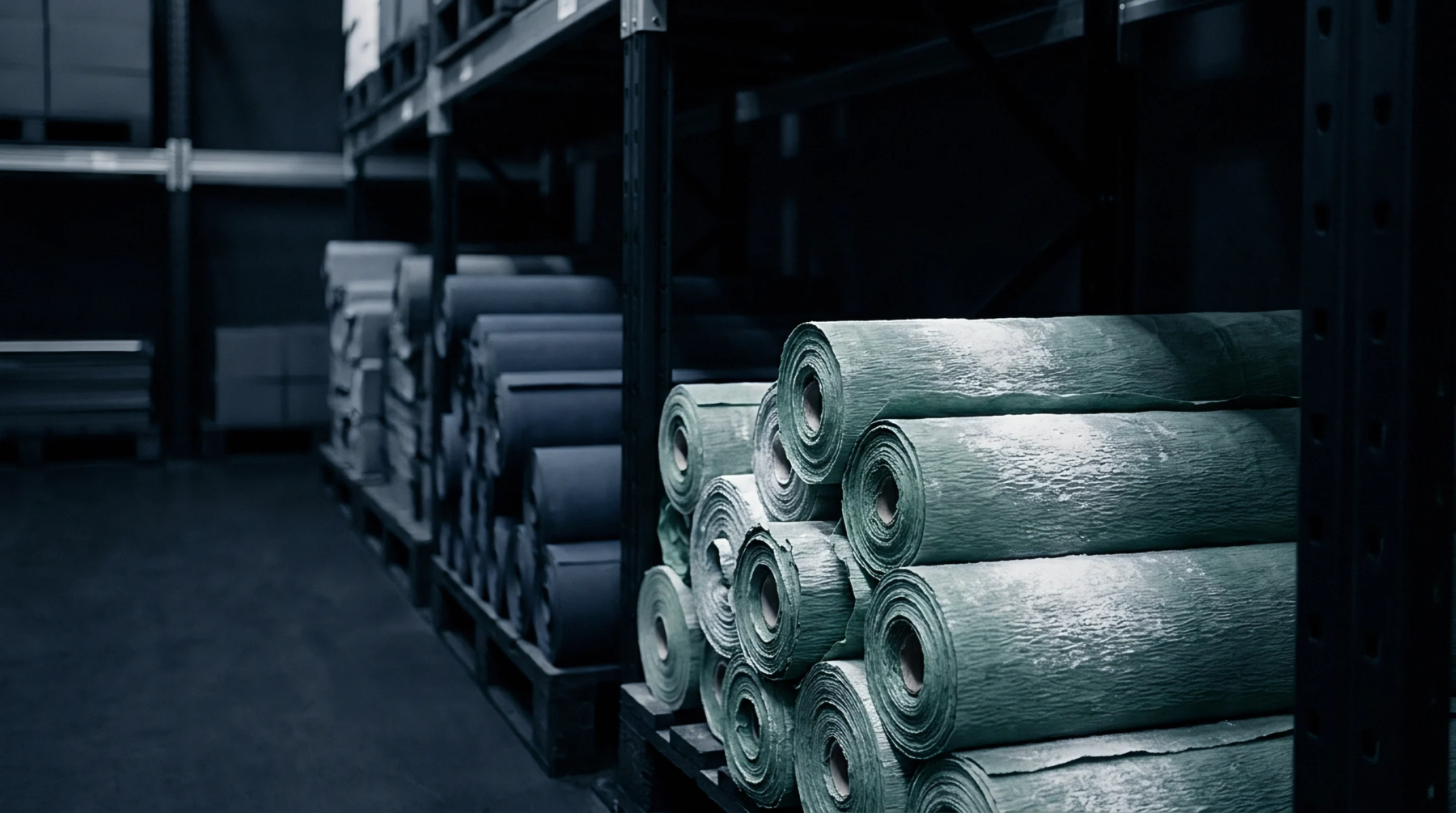
Transient humidity cycling accelerates board deflection fivefold, demanding decoupled ply hygroexpansivity inputs and wider safety margins to prevent collapse.
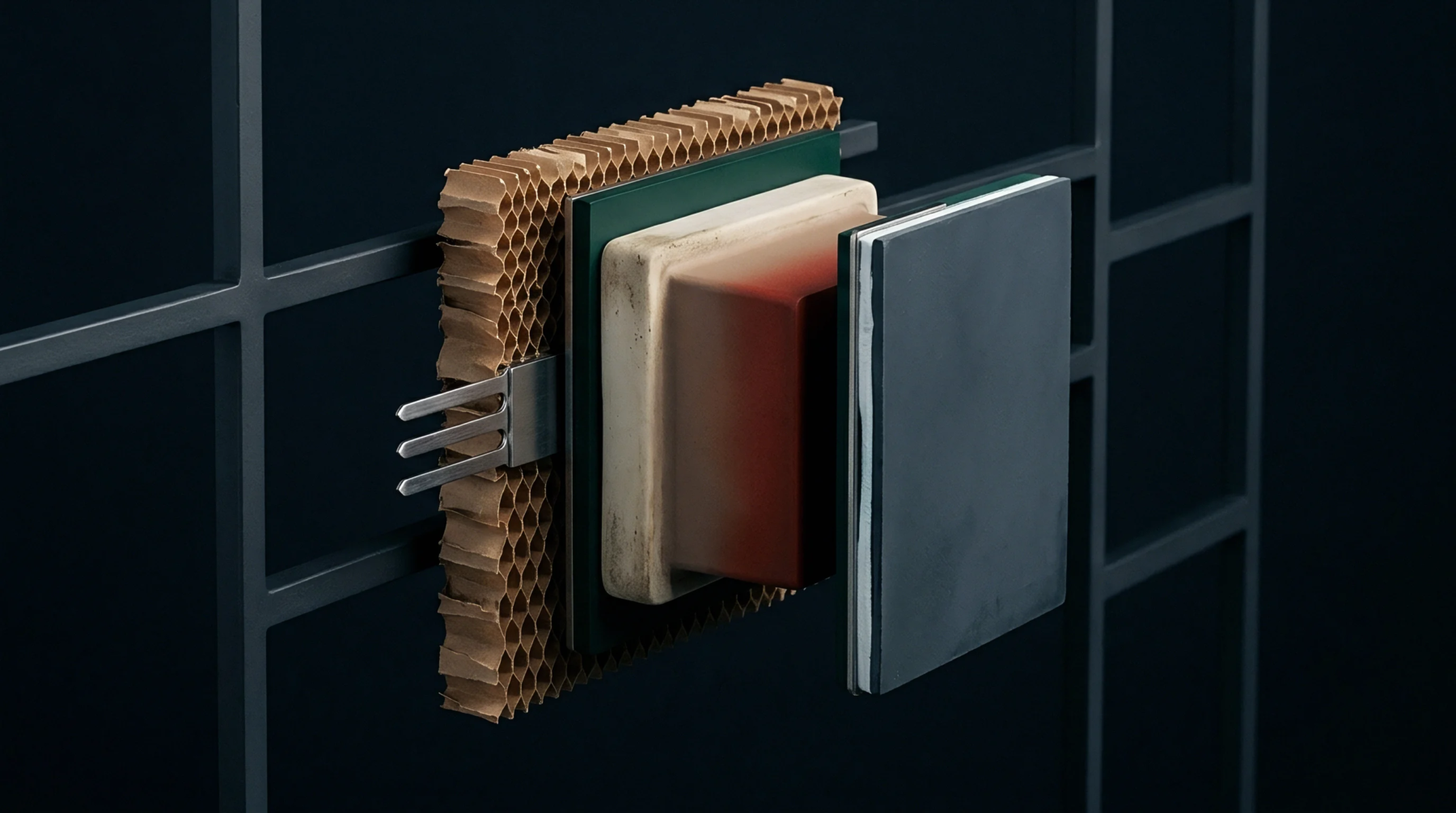
Dynamic platen converting above 7,500 sph degrades board core shear modulus by up to 60 percent, demanding calibrated matrix tooling to prevent carton collapse.
Expertise is a utility, not a secret. sentiention™ publishes its working knowledge as open reference: intelligence layer covering the materials it sources, the markets it enters, and the reference that serves both.