Fibre Development
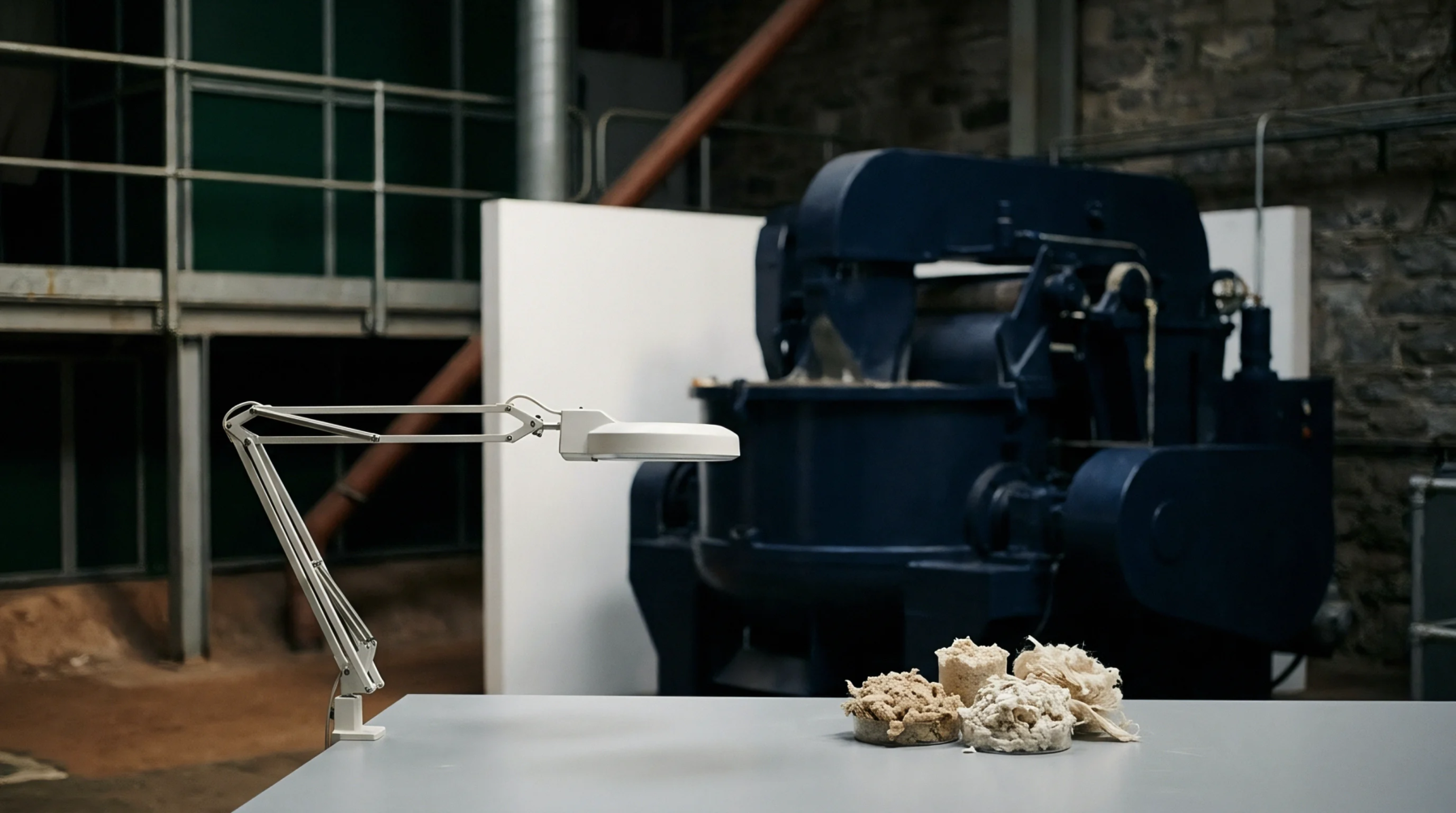
Mechanical treatment of papermaking pulp between parallel patterned plates represents the primary method for modifying fibre structure to improve inter-fibre bonding. In a double-disc refiner, pulp slurry is pumped under pressure through the gap between two pairs of refining discs. This action subjects the fibres to intense shearing and compression forces, which brushes out the microfibrils and increases the specific surface area.
The resulting paper sheet exhibits higher tensile strength and burst resistance.
Energy Efficiency
Reducing the electric power needed to achieve a target drainage rate or tensile strength improves mill profitability. Using a double-disc refiner provides a larger active refining area compared to a single-disc refiner, which allows for higher throughput at a given energy input. This mechanical configuration balances the refining action by distributing the load across multiple working surfaces, which reduces fibre damage.
Process Integration
Positioning the refining stage correctly in the stock preparation line prevents sheet consistency variations from disrupting the headbox feed. Fluctuations in the feed consistency of the double-disc refiner alter the plate gap and the intensity of the refining action, which can lead to premature plate wear or uneven paper properties. Standard control systems adjust the plate gap based on motor load and pulp flow rates to maintain a constant specific edge load.
Because different fibre furnishes require different treatment intensities, the plate patterns and rotational speeds are matched to the specific pulp grade being processed. Regular plate inspections ensure that the metal edges remain sharp and effective.