
Analytical Verification Protocols for Low Migration UV Coating Conversion
Low migration UV conversion succeeds by verifying photoinitiator cure through spectrometry, maintaining peak irradiance, and preventing set-off transfer.
Low migration UV conversion succeeds by verifying photoinitiator cure through spectrometry, maintaining peak irradiance, and preventing set-off transfer.

Photoinitiator migration limits in food contact print finishes are determined through standardized simulant extractions quantified by GC-MS or LC-MS testing.
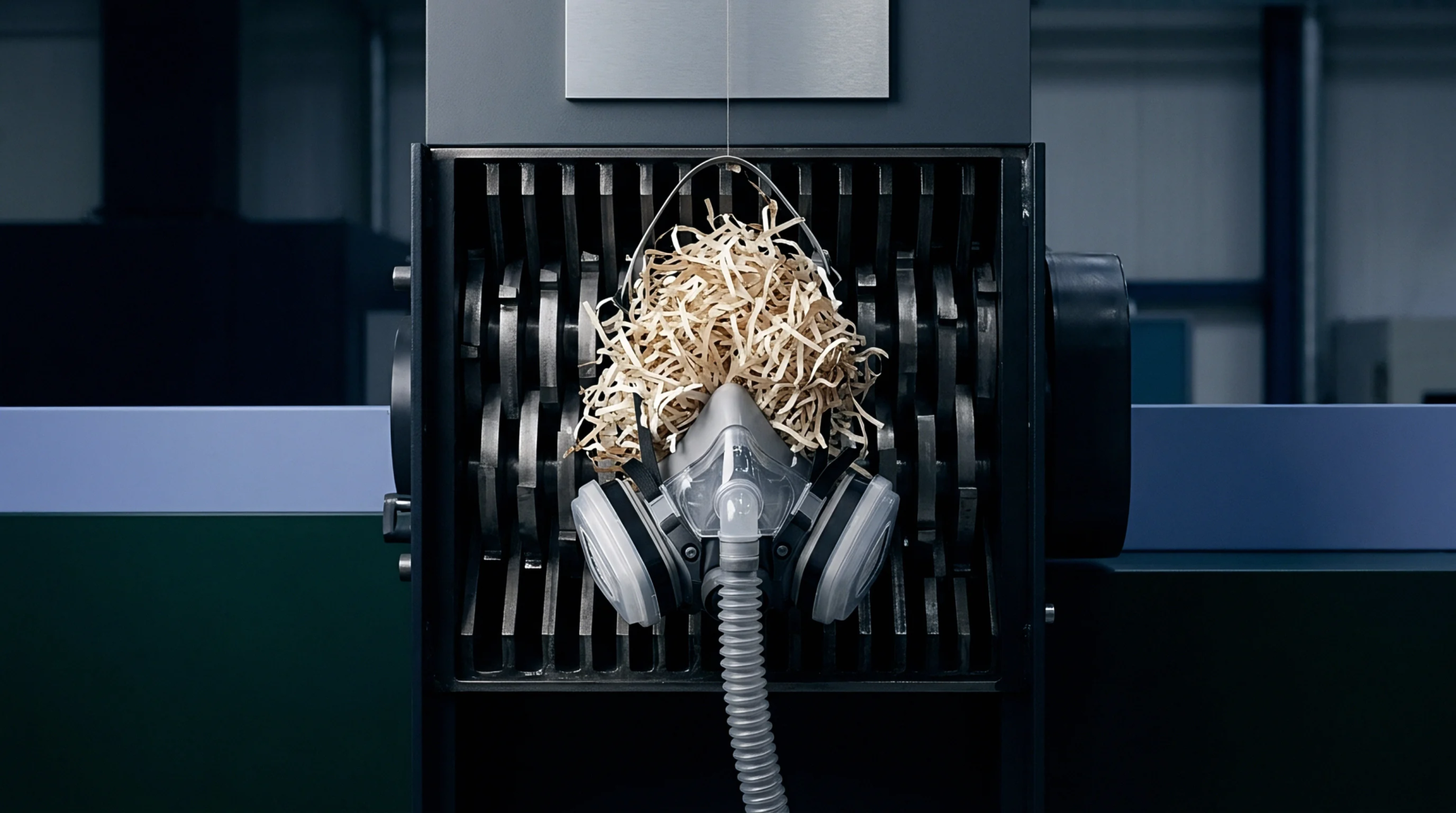
Dynamic soft segment mobility drives thermal hydrophobic recovery in extruded TPU, demanding roll core cooling below 30°C to avert lamination failure.

Contact angle analysis detects hydrophobic recovery and additive blooming in polyurethane films before lamination failure occurs on high-speed converting lines.
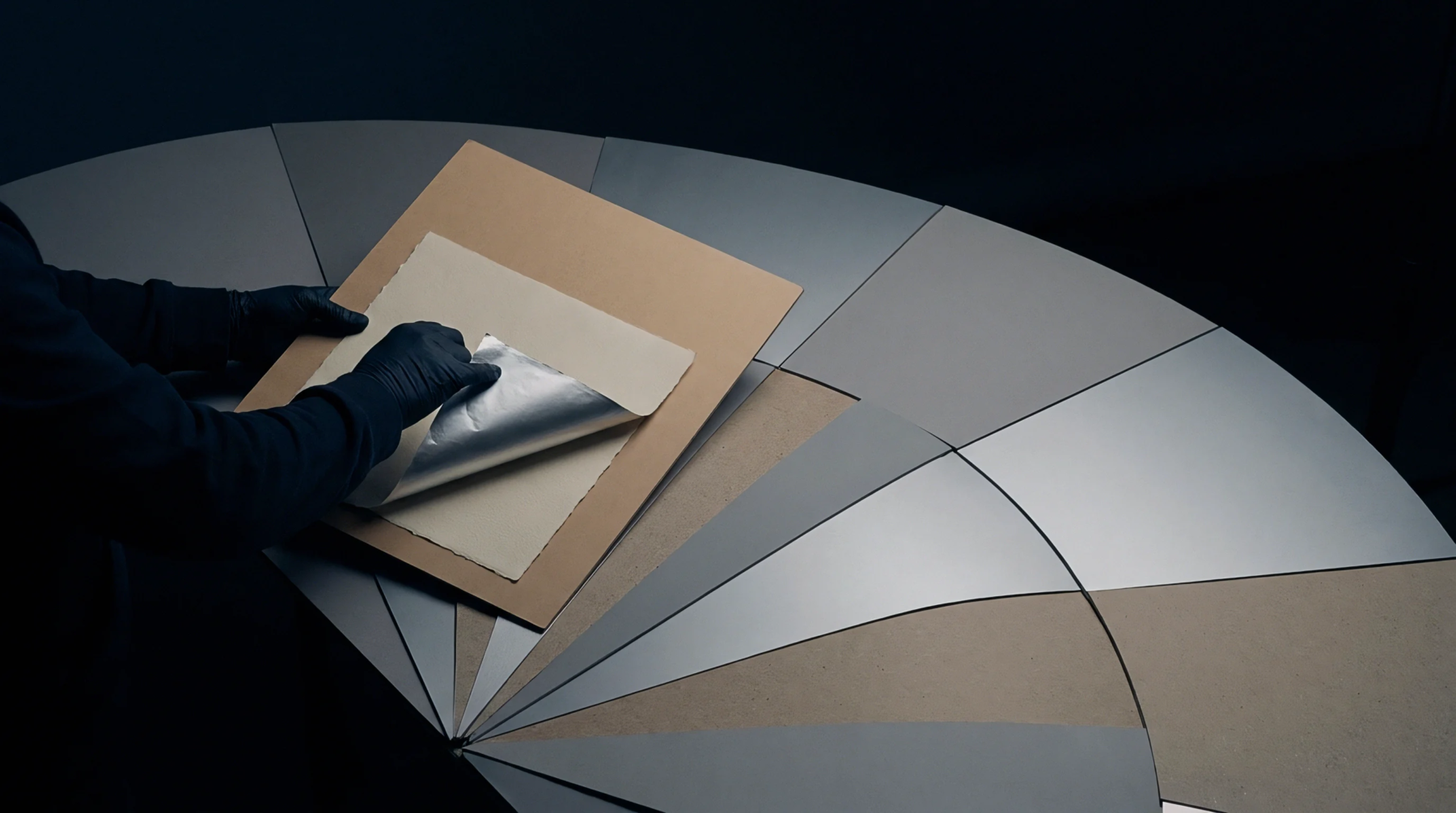
Polyurethane surface energy decays through soft-segment rotation, demanding secondary pass execution within seventy-two hours or inline re-activation.

Pre-scaling brass die vector artwork based on directional thermal strain maps eliminates press registration drift across large format heated platens.
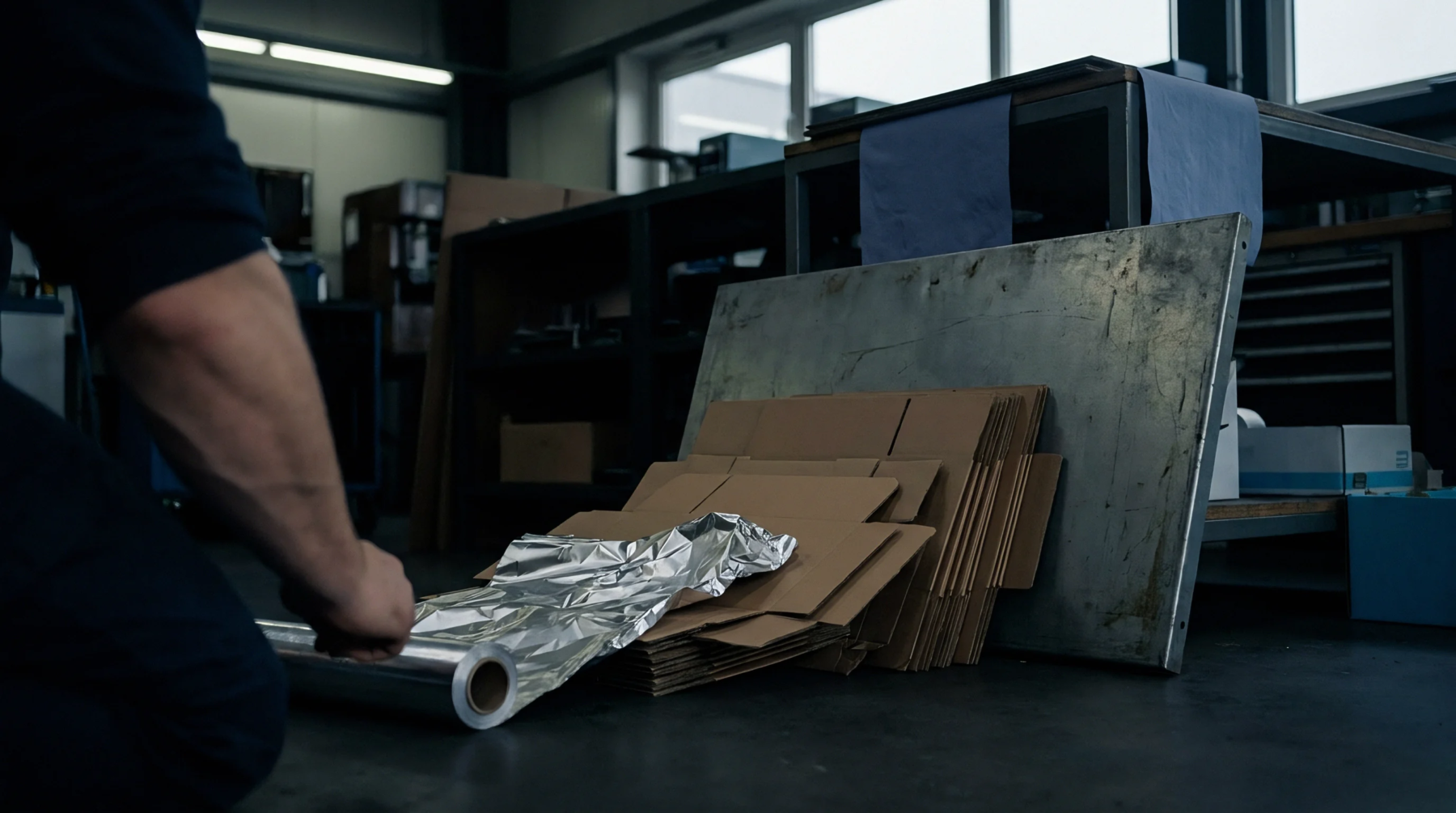
Substrate desiccation during heated stamping alters sheet dimensions, requiring differential die scaling and controlled humidity recovery between passes.
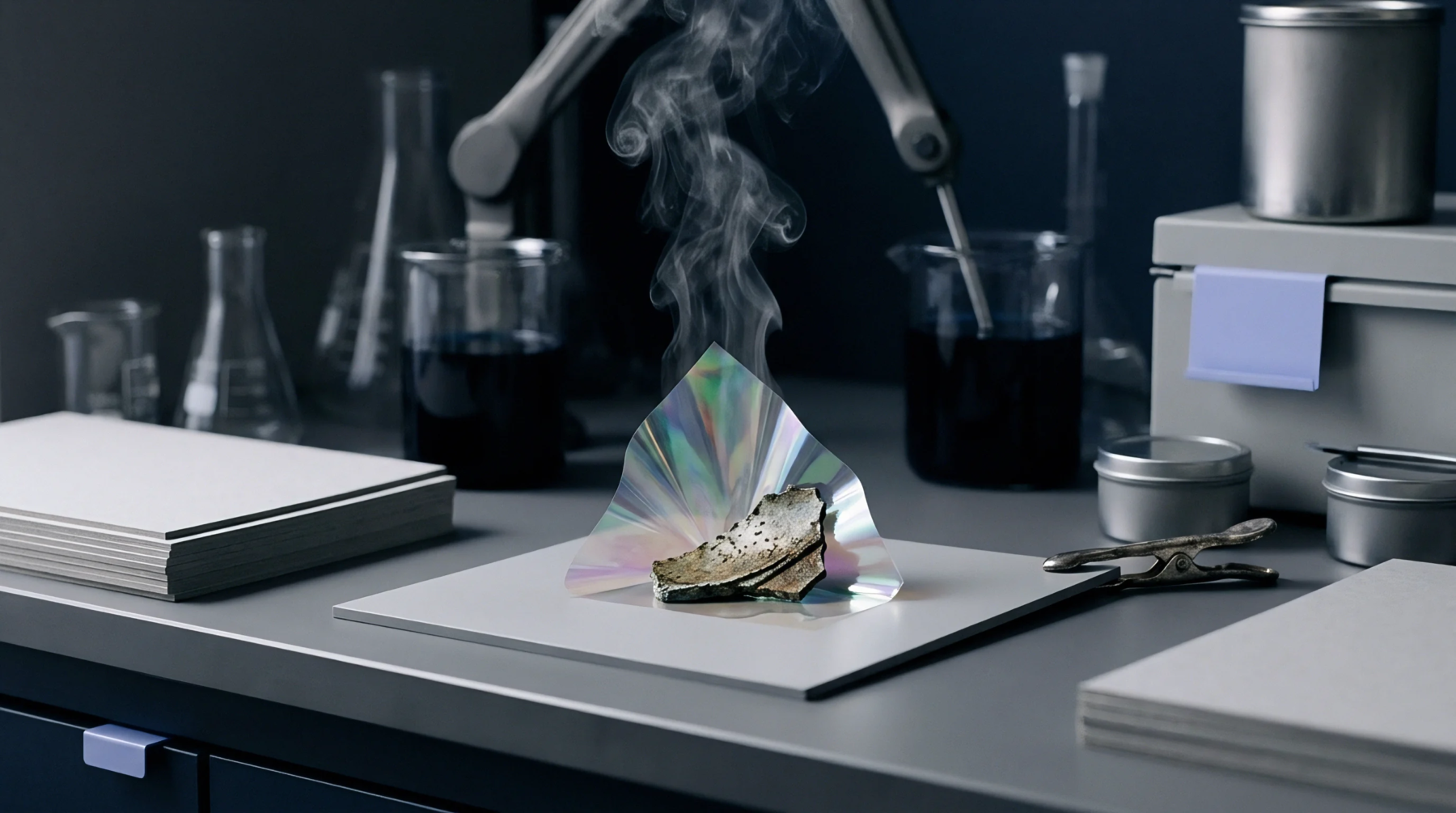
Calculate brass die thermal expansion by multiplying the alloy coefficient by temperature delta and original length, then invert to get pre-press artwork scale.
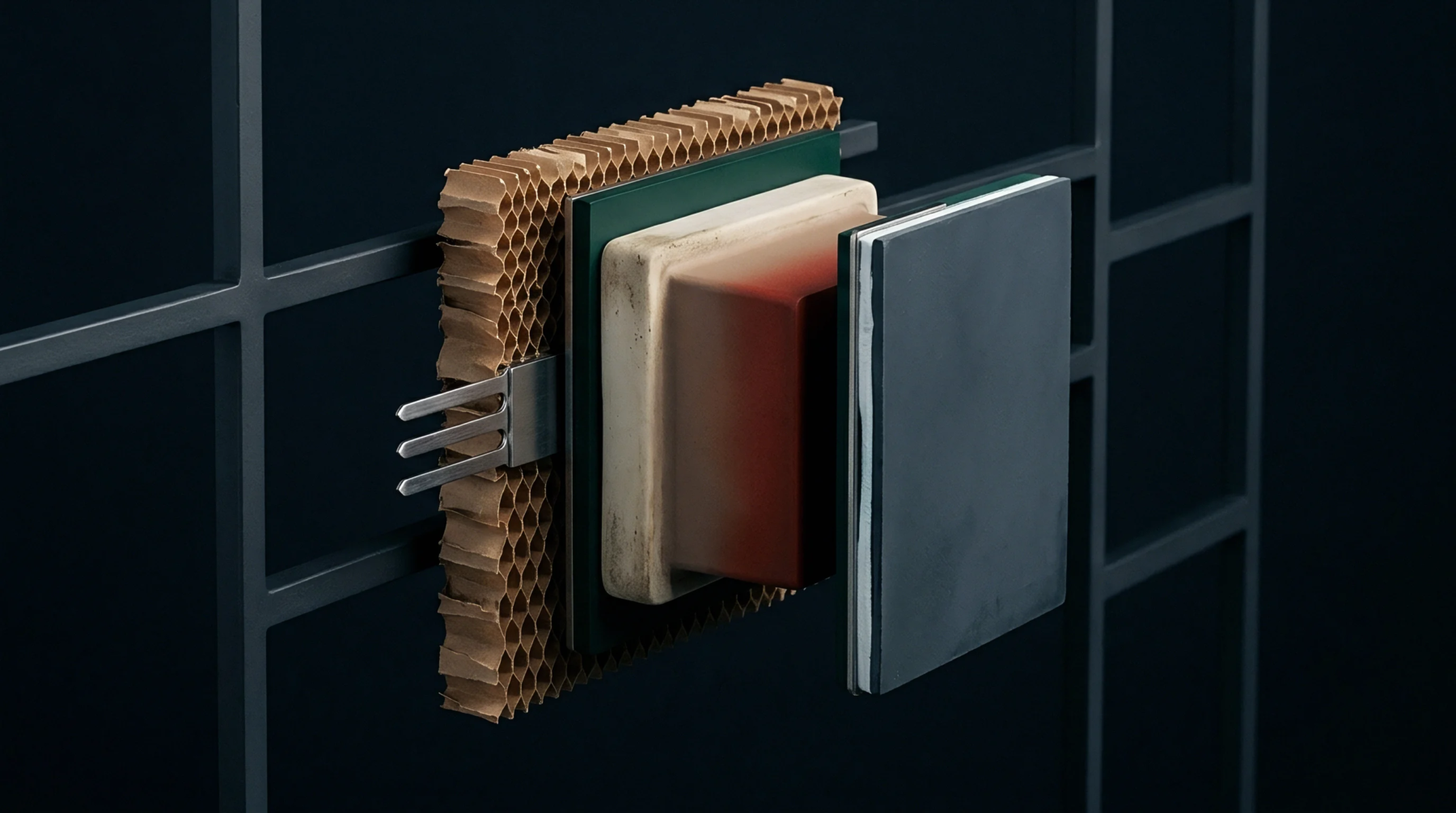
Dynamic platen converting above 7,500 sph degrades board core shear modulus by up to 60 percent, demanding calibrated matrix tooling to prevent carton collapse.
Dynamic crease stiffness analysis measures real-time polymer film relaxation during high-speed board folding to prevent barrier fracturing and line jams.
Heavyweight folding boxboard requires matrix depth matching board caliper and channel width calculated at one point seven times caliper plus rule thickness.

Inline acoustic time-of-flight profiling maps internal board ply delamination at line speed, preventing cartoner jams without marking finished carton surfaces.

Ultrasonic attenuation decay rates directly quantify paperboard crease delamination depth, enabling real-time inline verification of folding stiffness.
Acoustic velocity profiling provides non-destructive dynamic stiffness metrics that predict score cracking and lamination curl in converting passes.
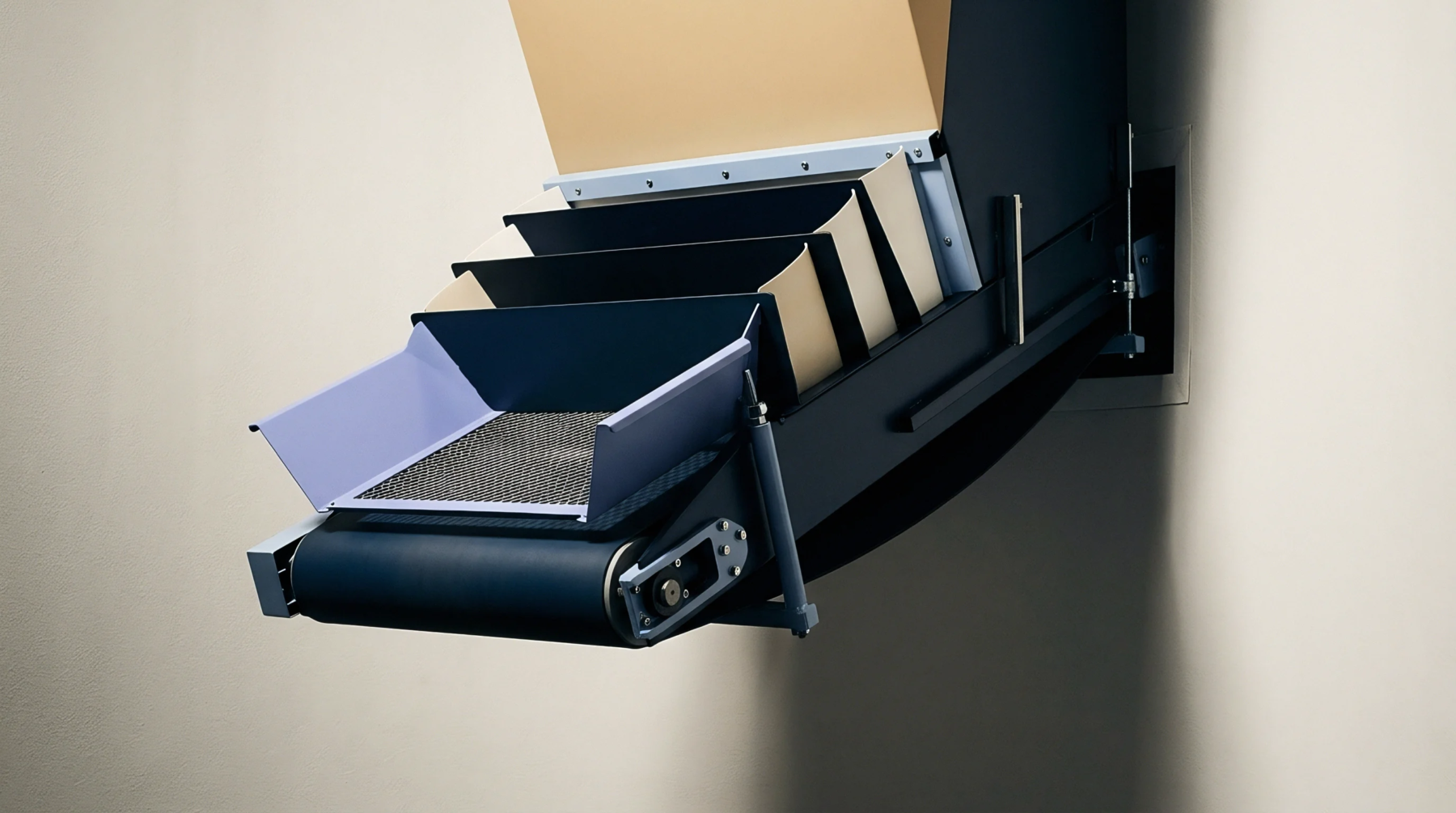
Moisture plasticizes secondary fibre bonds, reducing Mode I and II fracture energy thresholds and causing delamination during thermal finishing and creasing.
Expertise is a utility, not a secret. sentiention™ publishes its working knowledge as open reference: intelligence layer covering the materials it sources, the markets it enters, and the reference that serves both.