Modeling Transient Heat Conduction across Clay Coated Folding Cartonboards
Clay coating orientation and core pulp density govern transient thermal lag across cartonboards, dictating minimum dwell times for heat seal activation.
Clay coating orientation and core pulp density govern transient thermal lag across cartonboards, dictating minimum dwell times for heat seal activation.

Dynamic web quenching demands closed-loop embedded sensor telemetry because internal fluid setpoints fail to reflect actual die interface micro-dwell heat.
Fine screen slots below 0.12 mm reject rigid plastics but pass flexible polyethylene micro-flakes when pulp consistency and pulse pressure rise.
Polyethylene-coated board yields drop 8 to 22 percent in industrial pulpers as unseparated fiber bundles exit screens bound to rejected plastic film.

Standard testing requires disintegrating 4% stock at 40°C, separating films via 0.15mm slotted screens, and confirming >80% yield with macro-stickies below thresholds.
Aqueous dispersion coatings replace extruded polyolefins by trading higher drying energy for mono-material EPR fee rebates when repulpable under CEPI rules.
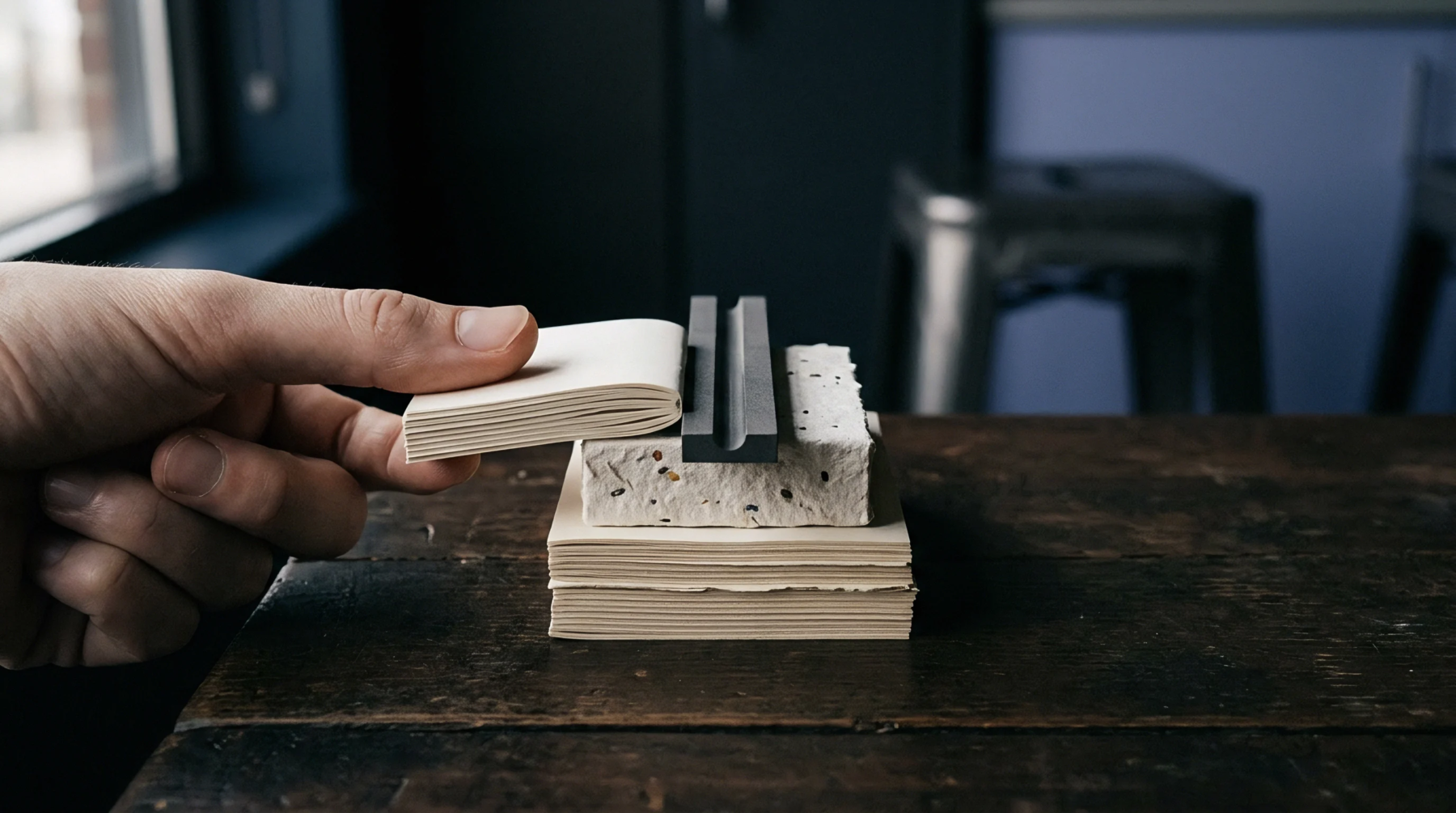
Polymer film lamination triggers severe EPR fee penalties across Europe; switching to certified repulpable dispersion barriers restores base fiber tariffs.

Single-sided lamination curl stems from thermal shrinkage and one-way moisture gradients, causing severe converting scrap that requires mechanical breaker controls.
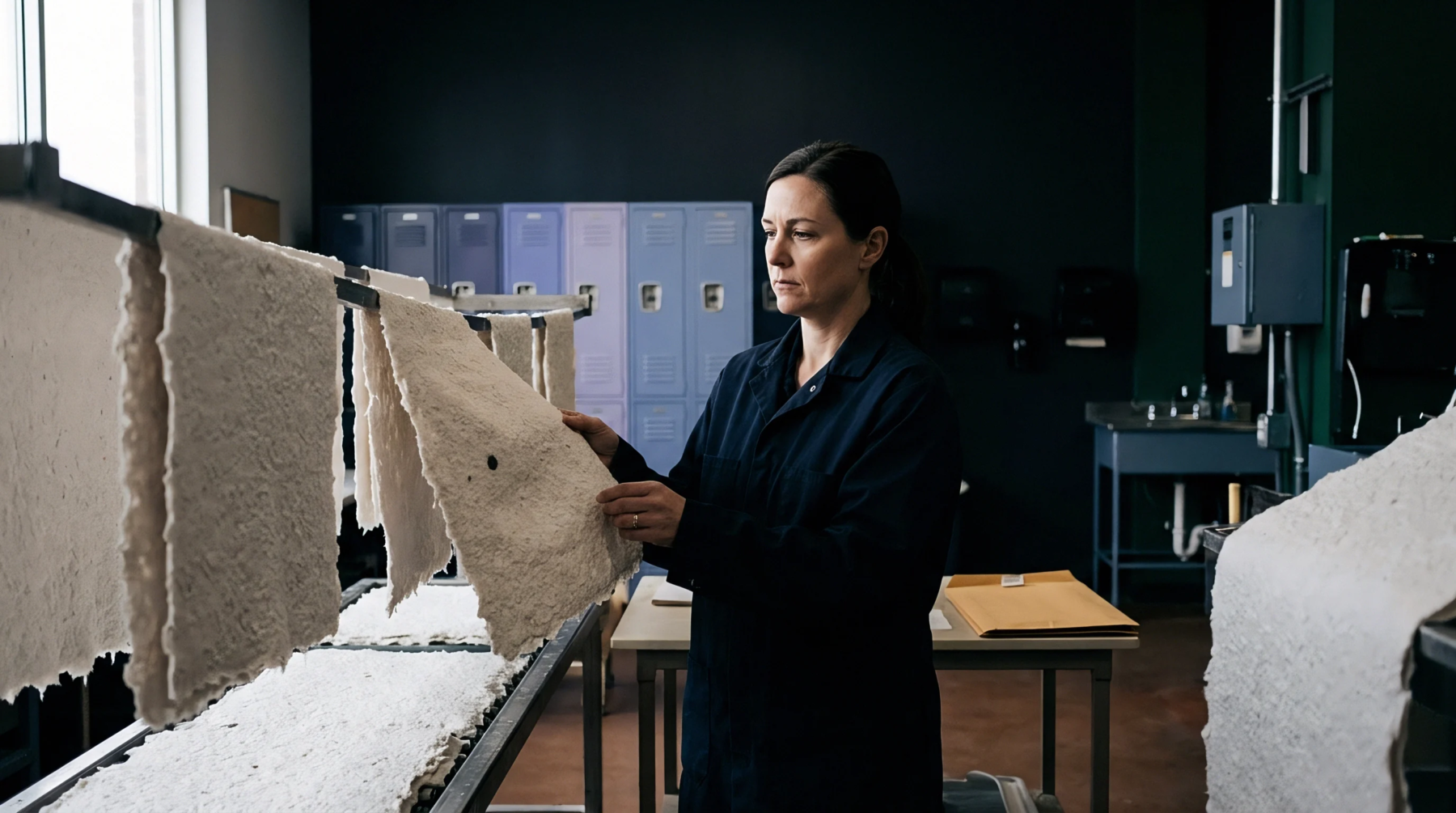
Dynamic pinholes at die-cut creases stem from brittle polymer fracture under high strain rates, mitigated by low-Tg latex formulations and rounded counter matrices.
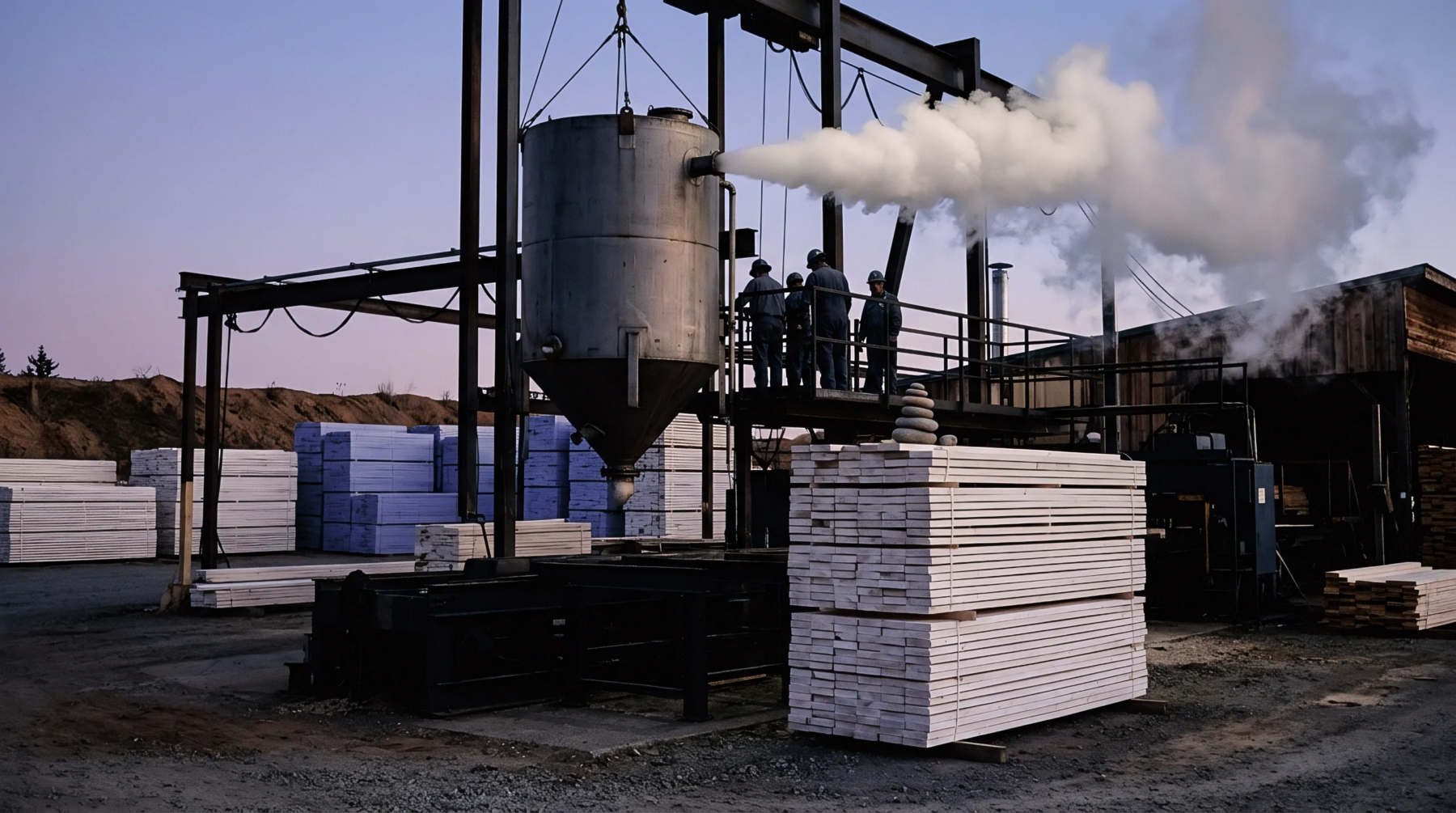
Aqueous dispersion barrier retention on bent paperboard depends on balancing latex film elasticity against creasing matrix width to prevent outer radius micro cracking.

Water based dispersion coatings replace extruded plastics on cartons by balancing polymer chemistry, coat weight, drying capacity, and fiber repulpability.
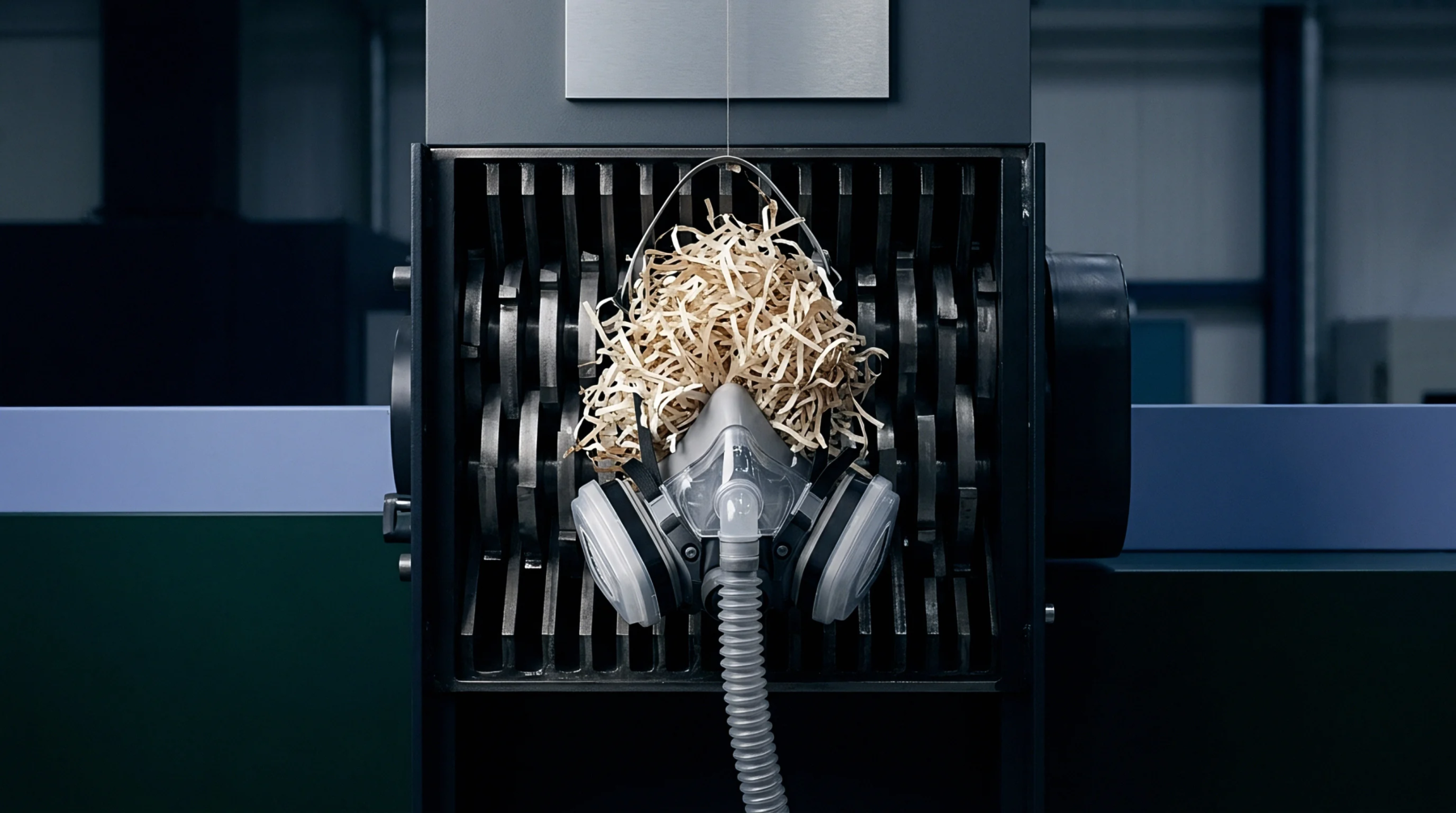
Dynamic moisture cycles accelerate double coated board stack creep through sorption asymmetry, requiring safety factors above 3.0 to avoid collapse.
Reverse side water application restores moisture balance and eliminates curl by re-wetting dry wire-side fibers before converting stresses lock the sheet.
Mechanical decurling forces paperboard fibers past their plastic yield point to counteract the thermal contraction of single-sided laminating film.
High velocity contact loading softens polyolefin matte asperities through adiabatic shear heating, accelerating surface glazing and interfacial peel failure.
Dynamic shear stress must exceed the polyolefin adiabatic yield threshold via precise knife clearance to eliminate edge drawing, micro-tears, and slitting dust.

Eliminate matte polyolefin skin shear failure by compatibilizing the skin-core interface and capping skin thickness below 1.5 micrometers to resist converting drag.

Biobased particle substitution preserves anti-scuff performance under heavy stack pressure when particle diameter exceeds dry barrier binder thickness by three microns.
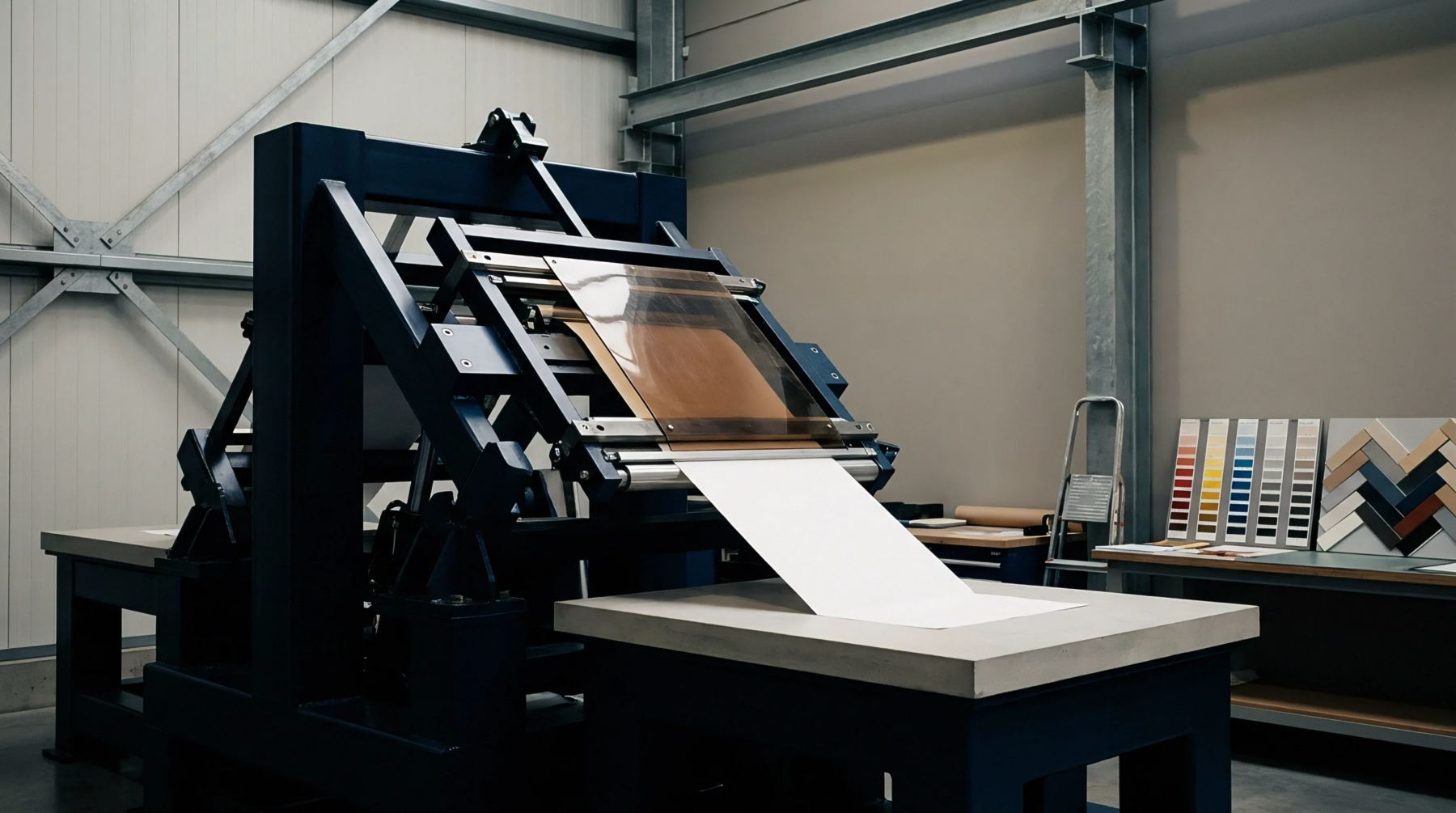
Optimize acrylic coating friction by balancing micronized wax size, surface energy above 38 dynes, and drop points over 100°C for transit and converting stability.
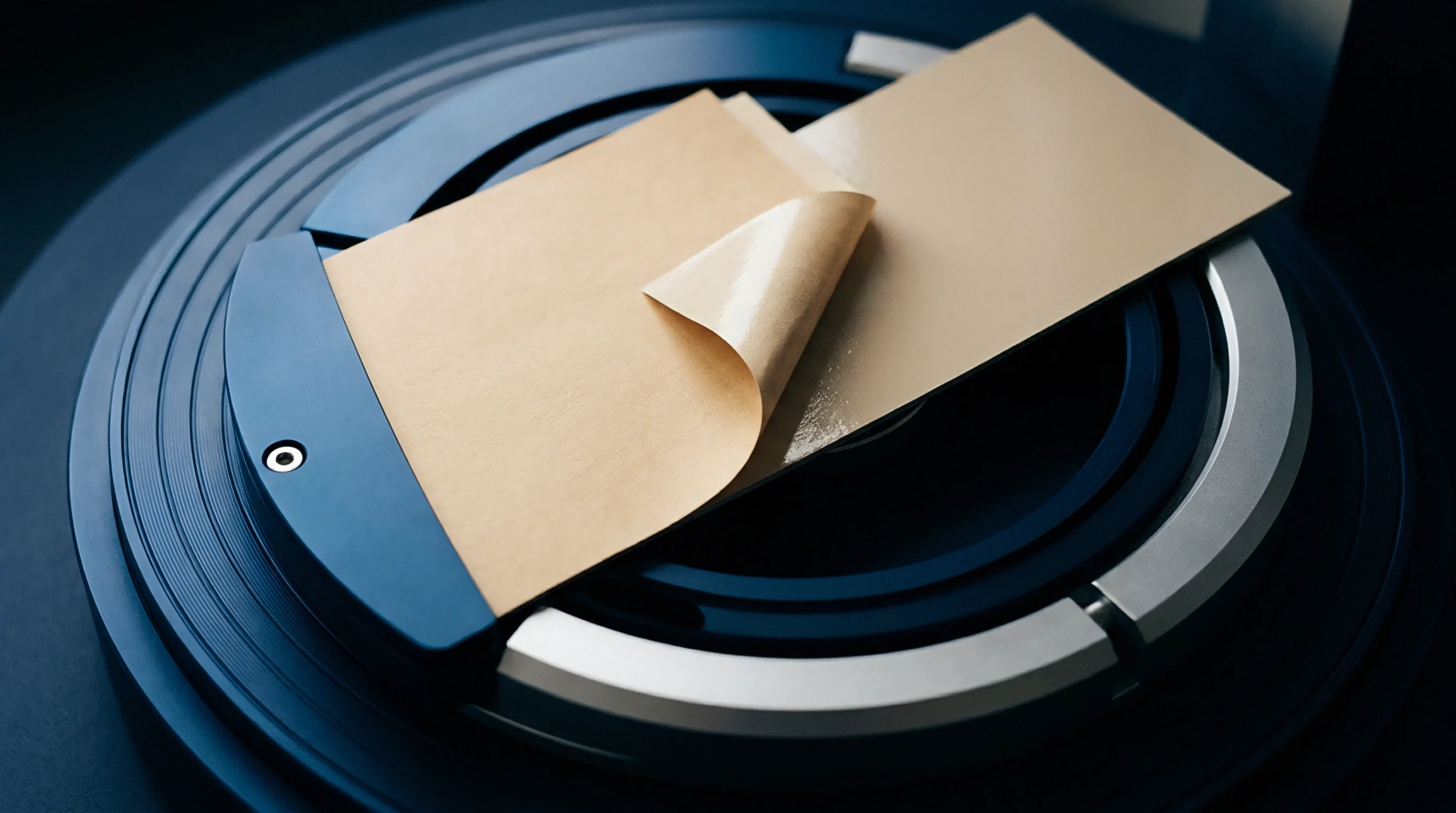
Quantifying specular gloss drift in silica finishes requires 85-degree grazing geometry to detect micro-roughness variations before binder leveling elevates sheen.
Interphase bond strength depends on adhesive crosslinking rheology outpacing slip agent blooming diffusion rates to prevent weak boundary layer formation.

Solventless polyurethane wetting requires a 10 dyne surface energy margin and Capillary numbers below air entrainment limits to prevent micro-void mottle.
Corona decay on BOPP stems from hydrophobic chain turnover and slip additive blooming, requiring forty dynes or in-line re-treatment to prevent bond failure.
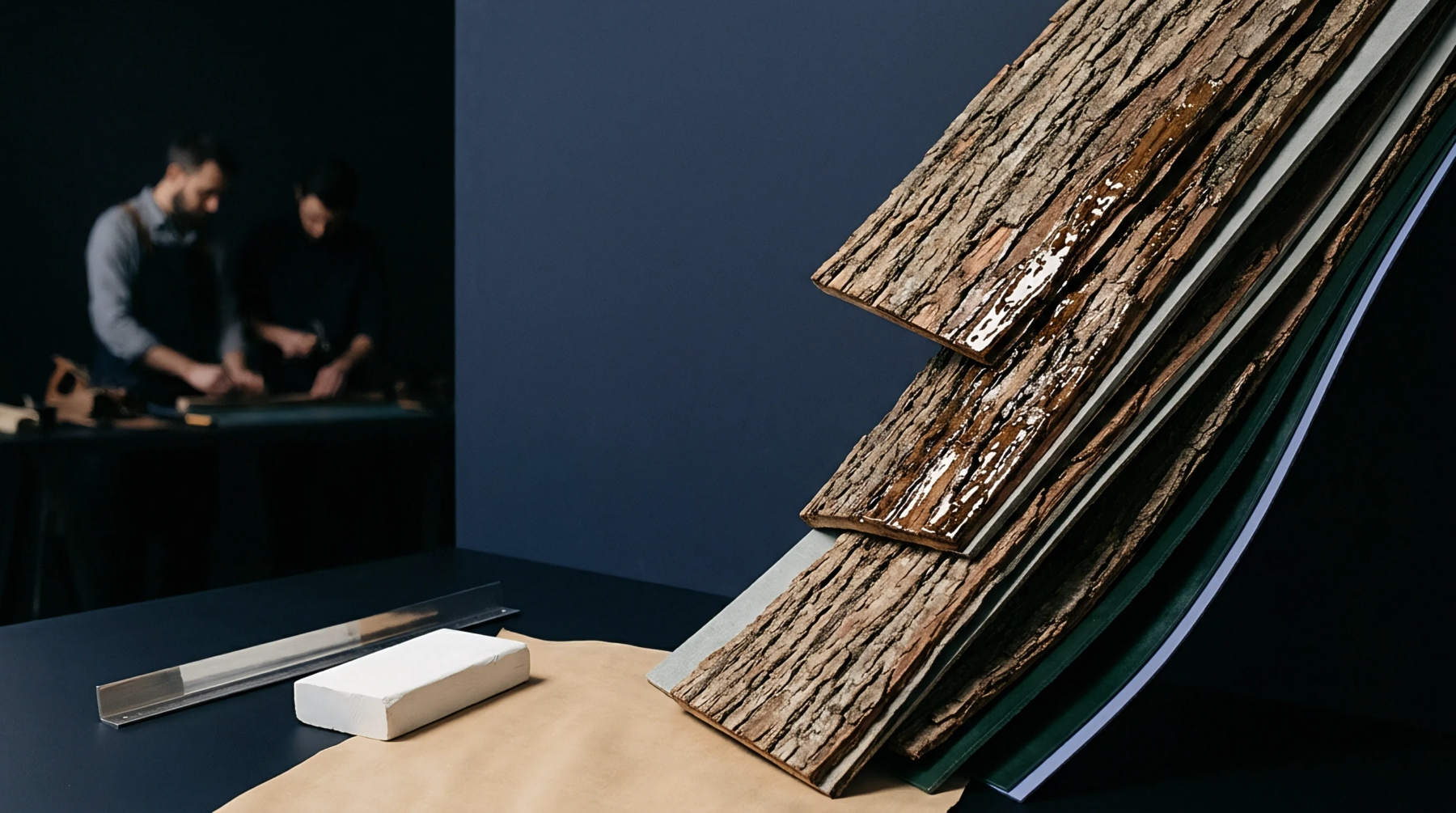
Polypropylene lamination delaminates at high crease strain rates because viscoelastic stiffening elevates shear stress beyond interfacial adhesive bond strength.
Matching folder gluer carrier belt speeds within one percent prevents surface shear from delaminating film coatings on scoring hinges.
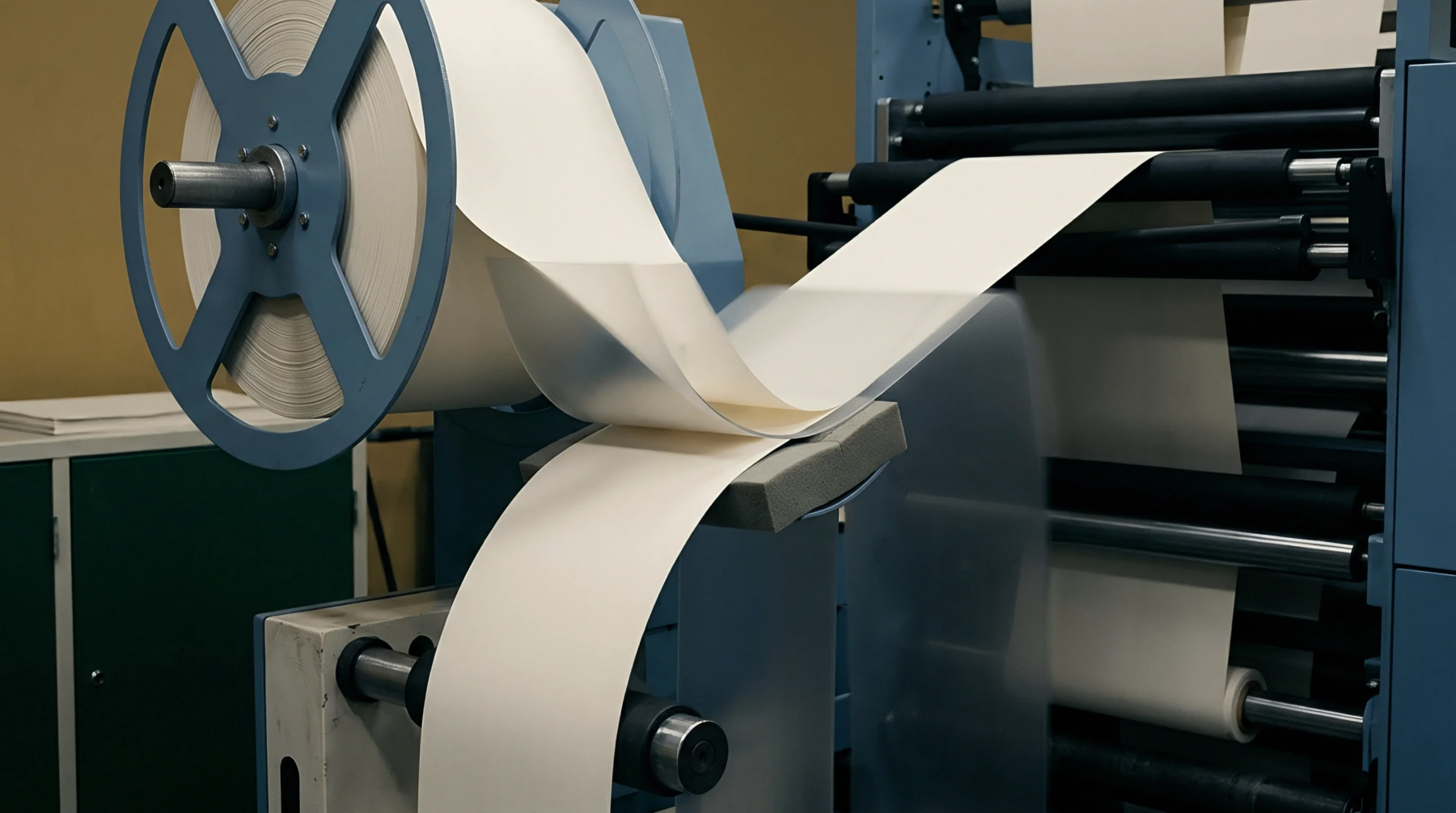
Dynamic folder-gluer speeds collapse polypropylene failure elongation from 150% to under 12%, demanding calibrated crease geometry to prevent split scores.

Mitigate interfacial shear cracking by balancing UV curing kinetics, limiting acrylic volumetric shrinkage, and maintaining substrate surface tension past 42 mN/m.
Dynamic surface tension at sub-five millisecond timescales controls droplet breakup, satellite suppression, and dome retention in high-build acrylic jetting.
Digital spot varnish stability requires substrates above 38 mN/m and rapid LED pinning to lock 60-micron profiles without capillary spread or score cracking.

Balancing polyisocyanate addition at 3.5 to 4.5 percent solids maintains high-humidity barrier holdout while preserving the elongation needed to prevent score cracking.
Expertise is a utility, not a secret. sentiention™ publishes its working knowledge as open reference: intelligence layer covering the materials it sources, the markets it enters, and the reference that serves both.