Barrier Composition
Aqueous polymer suspensions form moisture resistant layers on paper surfaces through a heat induced film formation process that establishes a functional seal against grease and water vapor. These dispersion coatings utilize submicron resin particles suspended in water to create a continuous barrier upon the drying of the substrate. The mechanism requires thermal energy to evaporate the carrier liquid and trigger the coalescence of latex droplets into a unified structure.
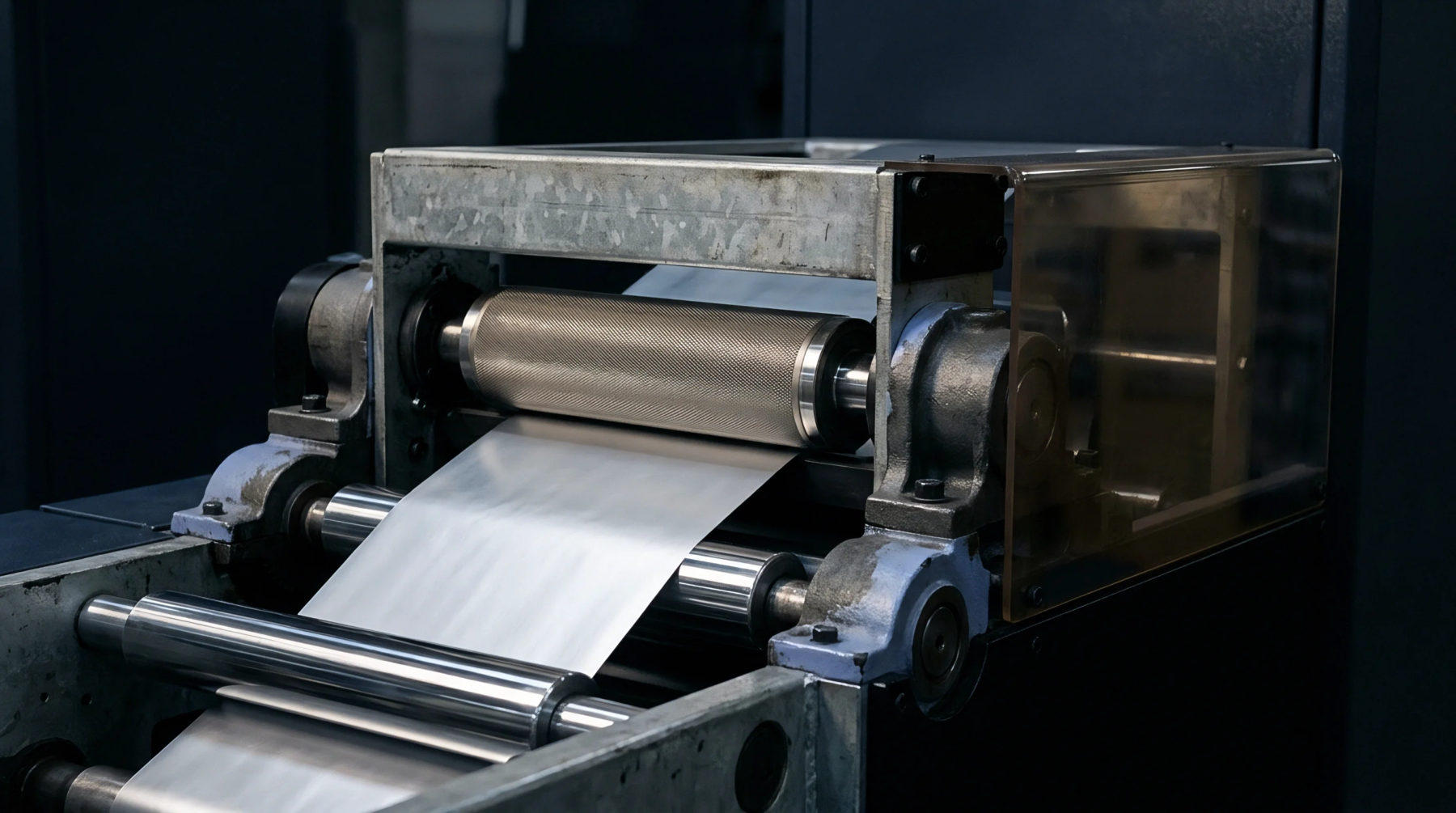
Manufacturers apply these formulations via gravure or rod coaters during the converting phase to ensure consistent thickness across the web. Variations in the solids content alter the viscosity and final density of the barrier layer after the drying tunnel cycle. Paper converters select specific resins based on the desired level of repulpability and the expected barrier longevity during transit.
High crosslinking density increases the resistance of the barrier to fat penetration. The stability of the suspension determines the shelf life of the chemical inventory held by the plant.
Process Requirement
Controlling the drying temperature prevents premature film closure that traps moisture inside the coating matrix and compromises the bond with the underlying fiber. Precise tension management during the application prevents substrate distortion that leads to cracking of the hardened surface layer. Converting lines monitor the coat weight to verify compliance with the requested barrier performance specifications.
Operators adjust the drying profile when shifting between different grammages of paper to maintain a uniform finish. High speed application settings demand low foaming surfactants to avoid pinholes that allow liquid passage through the barrier. Successful application rests on the balance between solvent release rates and the mechanical strength of the wet web before the final drying stage occurs.
Performance Metric
Water vapor transmission rates quantify the efficiency of the finished barrier in blocking humidity exchanges between the packaged contents and the surrounding environment. Lab tests expose the treated surface to controlled conditions to determine the failure point of the hydrophobic seal. Fibre saturation limits the effectiveness of the coating when the substrate remains overly porous before the application begins.
Dense sheets improve the barrier continuity while minimizing the amount of material required to satisfy the barrier goal. These coatings provide a verifiable path to plastic reduction in circular packaging designs.