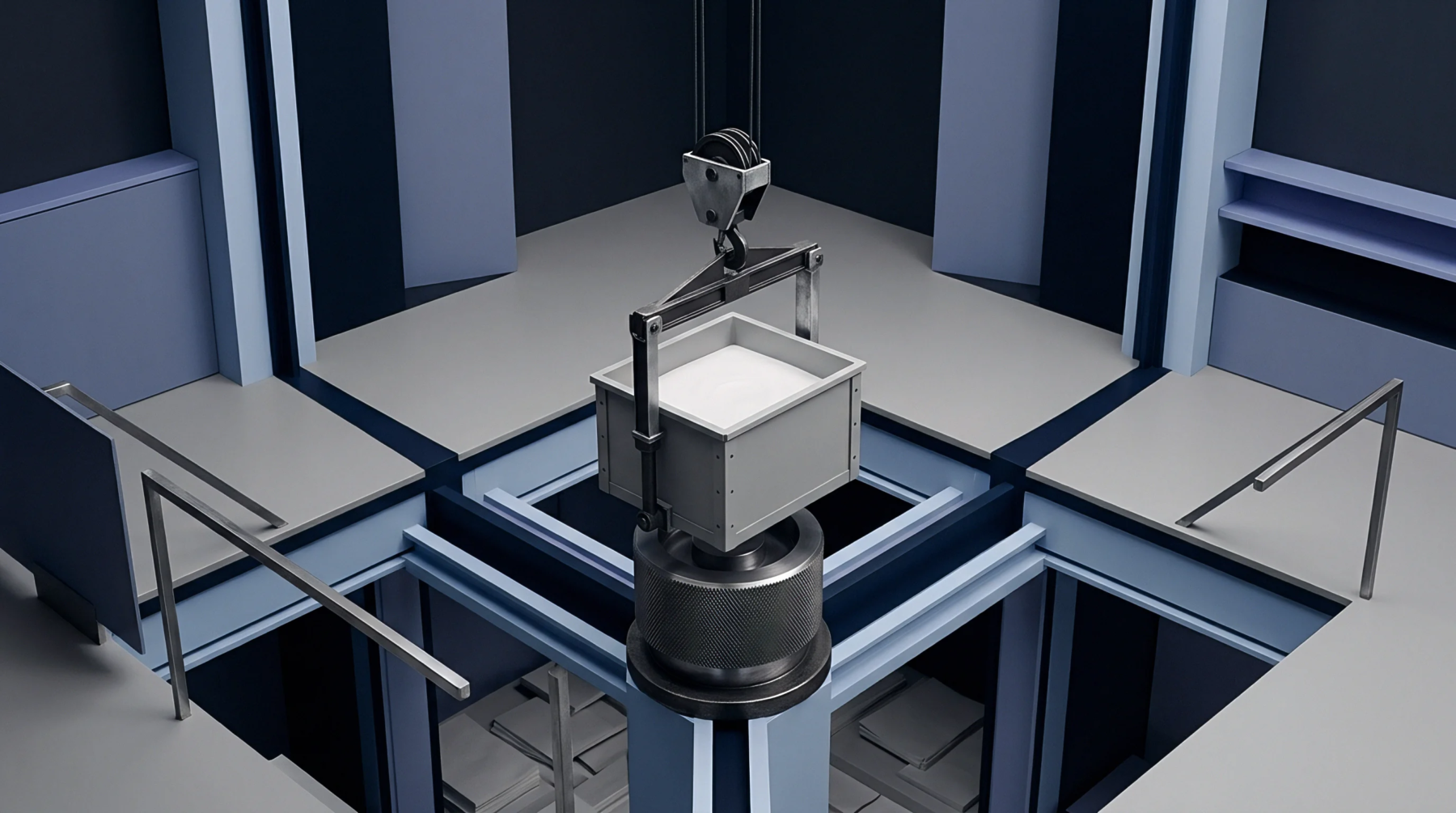
Mechanical Action
Processing of paper stock at consistency levels between twenty and forty percent solid content by weight relies on intense fibre-to-fibre friction rather than metal-to-fibre impact. In this regime, high-consistency pulping utilizes specialised rotors that knead the dense stock within a confined vessel. The absence of excess water ensures that shear forces are transmitted directly through the fibrous mass.
This mechanical action disperses contaminants without reduction in the length of the cellulose fibres.
Fibre Separation
Disintegration of recycled sheets or virgin wood chips occurs rapidly when the mechanical energy is concentrated in a low-moisture environment. During high-consistency pulping, the chemical action of bleaching agents or deinking chemicals is accelerated by the elevated temperature and chemical concentration. The process minimizes the consumption of fresh water and steam, making the system highly resource efficient.
Since the fibres rub against each other, the action preserves the strength potential of the pulp. This shearing method is particularly effective for releasing ink particles from printed office waste.
Industrial Treatment
Refining systems in modern paper mills use this high-solids approach to prepare stock for high-speed paper machines. When mills use high-consistency pulping, they reduce the downstream hydraulic load on cleaning and screening equipment. The resulting thick stock is subsequently diluted before it reaches the headbox.
This arrangement optimizes the recovery of chemicals and heat.