
Integrating ISO 14021 API Payloads into Converter ERP Systems
Automated ISO 14021 ERP ingestion maps raw mill fiber payloads directly into production bills of materials to secure compliant post-consumer packaging claims.
Automated ISO 14021 ERP ingestion maps raw mill fiber payloads directly into production bills of materials to secure compliant post-consumer packaging claims.

Verify paperboard claims by checking the online scheme register, matching scope codes, and auditing transaction lines on invoices and delivery dockets.
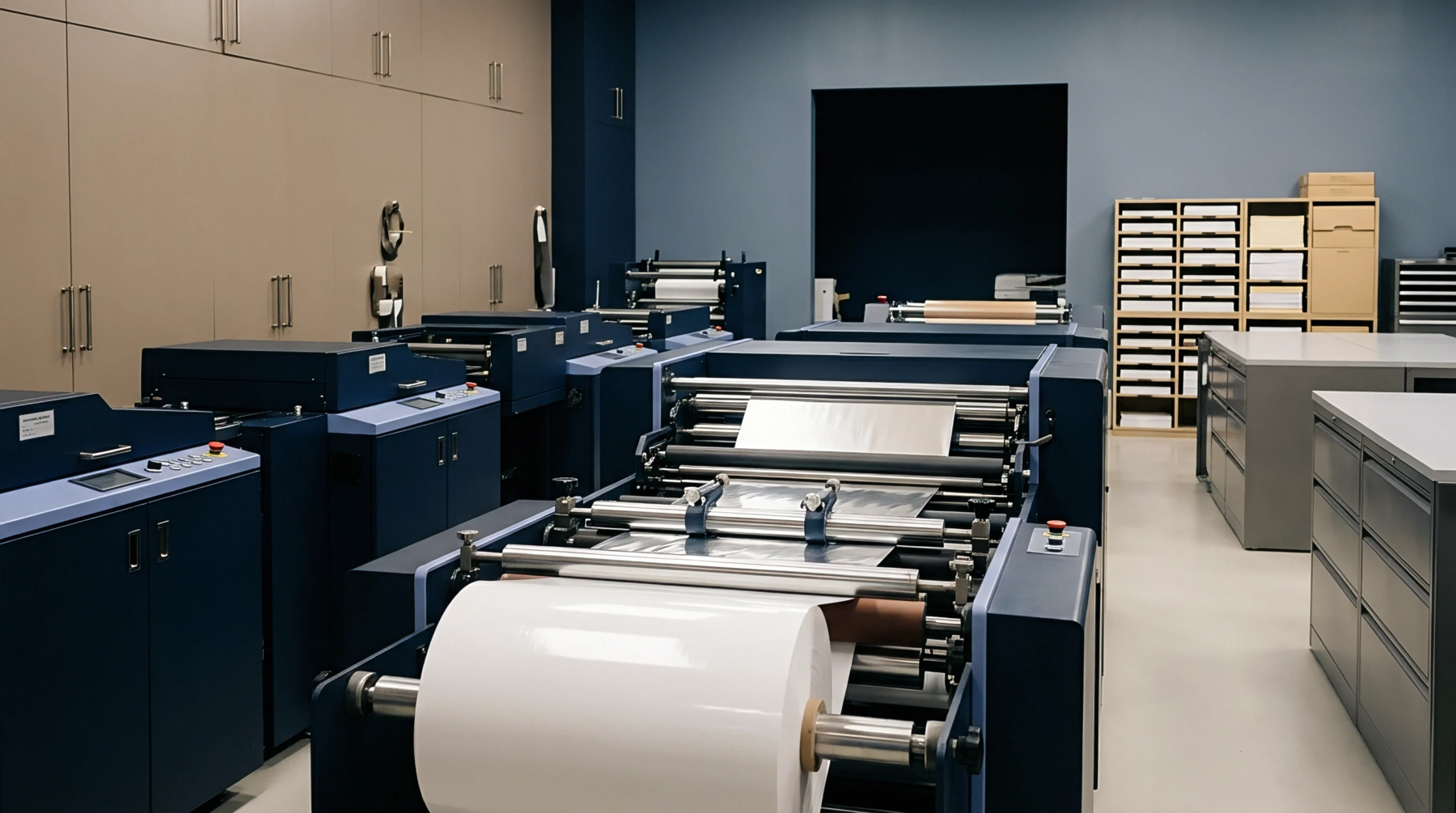
Dynamic Weibull residual filtering of autocorrelated web tension data eliminates false alarms and stops non-normal tensile defect propagation in high-speed converting.

Process capability analysis for barrier laminates requires transforming non-normal permeation data before calculating Cpk to prevent latent containment failures.

Decoupling machine-direction and cross-direction coat weight sensor arrays maintains barrier integrity and limits food contact migration exposure.

Pyrolysis mass spectrometry isolates covalently bound alkyl ketene dimer esters from free waxes in paperboard, verifying food contact safety and mill sizing cure.

Closing white water loops concentrates non-retained synthetic additives and chloropropanols, degrading board strength and threatening food contact compliance.

Optimize wet end charge to slight negative potential and verify dynamic retention with TAPPI T 261 to secure mechanical strength and chemical compliance.

Physical marker yield tolerances reconcile reactor degradation and web conversion losses with certified mass balance ledgers to defend packaging claims.

Reconciling mass balance ledgers with chemical marker yields requires scaling credit claims to empirical tracer recovery, preventing over-allocation penalties.

Continuous digester organic dissolved solids carryover quantification relies on TAPPI T 625 gravimetric ash testing to calibrate online refractometry.

Kraft digester organic mass balances balance chip dry mass against pulp yield and black liquor solids, governed by effective alkali and peeling reactions.

Cross-border chemical recycling mass balance transfers risk severe packaging tax penalties when feedstock accounting models violate destination attribution laws.

Auditing chemical recycling ledgers demands reconciling raw resin intake declarations against scrap yields and physical dispatches to verify circular claims.

Cross-border packaging verification demands matching site-specific credit ledger balances to commercial bills of lading before paying invoices.

Analytical mass balance frameworks require deducting flotation froth, screening rejects, and ash losses from gross recovered paper to verify recycled content claims.

Recycled paperboard chemical compliance demands specific migration testing via Tenax and LC-GC-FID to quantify MOSH MOAH transfer before signing declarations.

Paperboard recycled claims require matching chain of custody certificates, mass balance ledger reconciliation, and certified converter invoices.
Expertise is a utility, not a secret. sentiention™ publishes its working knowledge as open reference: intelligence layer covering the materials it sources, the markets it enters, and the reference that serves both.