Paperboard Wet End Charge Optimization and Chemical Retention Measurement Protocols
Optimize wet end charge to slight negative potential and verify dynamic retention with TAPPI T 261 to secure mechanical strength and chemical compliance.
Colloid
Papermaking furnish stability hinges on the electrokinetic equilibrium established between suspended solids and dissolved colloidal polymers. Cellulosic fibers, mechanical fines, and mineral fillers develop a net negative electrostatic surface charge in aqueous suspension through carboxylic acid ionization and preferential hydroxyl adsorption. Process water carries dissolved anionic trash, comprising wood pitch, oxidized hemicelluloses, sodium carboxymethyl cellulose, and humic acids.
These dissolved species consume cationic wet end additives before those chemistry packages deposit onto the fiber web. Online streaming current detectors and offline streaming current potential titrations quantify this colloidal charge demand via polydiallyldimethylammonium chloride (poly-DADMAC) and potassium polyvinyl sulfate (KPVS) titrants.
Streaming current potential measurements at 23 degrees Celsius indicate furnish instability when the cationic demand of the filtered white water exceeds 1.8 milliequivalents per liter.
Charge optimization maintains the colloidal titration ratio within a window slightly negative of the isoelectric point, specifically between negative 0.5 and negative 2.0 microequivalents per gram of dry solids. Operating exactly at zero potential causes severe macro-flocculation, sheet mottling, and rapid wire blinding. Conversely, highly negative charges induce steric dispersion, driving first pass retention below economic thresholds.
Titration protocols depend on accurate phase separation. Suspended solids interfere with colloidal charge titrators by generating false streaming current baselines. Technicians filter thick stock through 200-mesh wire screens before colloidal titration to isolate the dissolved ionic phase from the particulate substrate.
Electrochemical Characterization Protocols
Electrophoretic mobility measurements determine the zeta potential of suspended fines and filler particles by tracking velocity under an applied electric field. Microelectrophoresis yields accurate electrophoretic mobility data when the furnish salt concentration remains below 50 millimoles per liter. High ionic conductivity compresses the electrical double layer, shrinking the Debye length and attenuating the shear plane potential.
Streaming current detectors measure the streaming potential generated when a piston forces fluid through a narrow cylinder, shearing mobile counter-ions away from wall-adsorbed colloids.
| Instrument Type | Measurement Target | Standard Titrant Solution | Ionic Conductivity Limit | Optimal Setpoint Band |
|---|---|---|---|---|
| Streaming Current Titrator | Dissolved Anionic Demand | 0.001 N Poly-DADMAC | 8.0 mS/cm | -10 to -30 ueq/L |
| Microelectrophoresis Cell | Particle Zeta Potential | 0.01 N Hydrochloric Acid | 2.5 mS/cm | -5 to -12 mV |
| Fiber Potential Analyzer | Pad Streaming Potential | 0.001 N Potassium Chloride | 12.0 mS/cm | -8 to -15 mV |
Calibration errors propagate rapidly across paperboard multi-ply forming stations. Wet end chemists counter high anionic trash loading by introducing coagulants upstream. Low-molecular-weight, high-charge-density polymers like polyamines, poly-DADMAC, and inorganic polyaluminum chloride (PAC) neutralize anionic charge complexes.
This neutralization frees long-chain cationic polyacrylamides (CPAM) to execute bridging flocculation rather than charge scavenging. Excessive coagulant addition reverses furnish charge, stabilizing anionic contaminants in suspension and causing acute foaming, sizing reversion, and structural delamination in multi-ply folding boxboard.
Stock
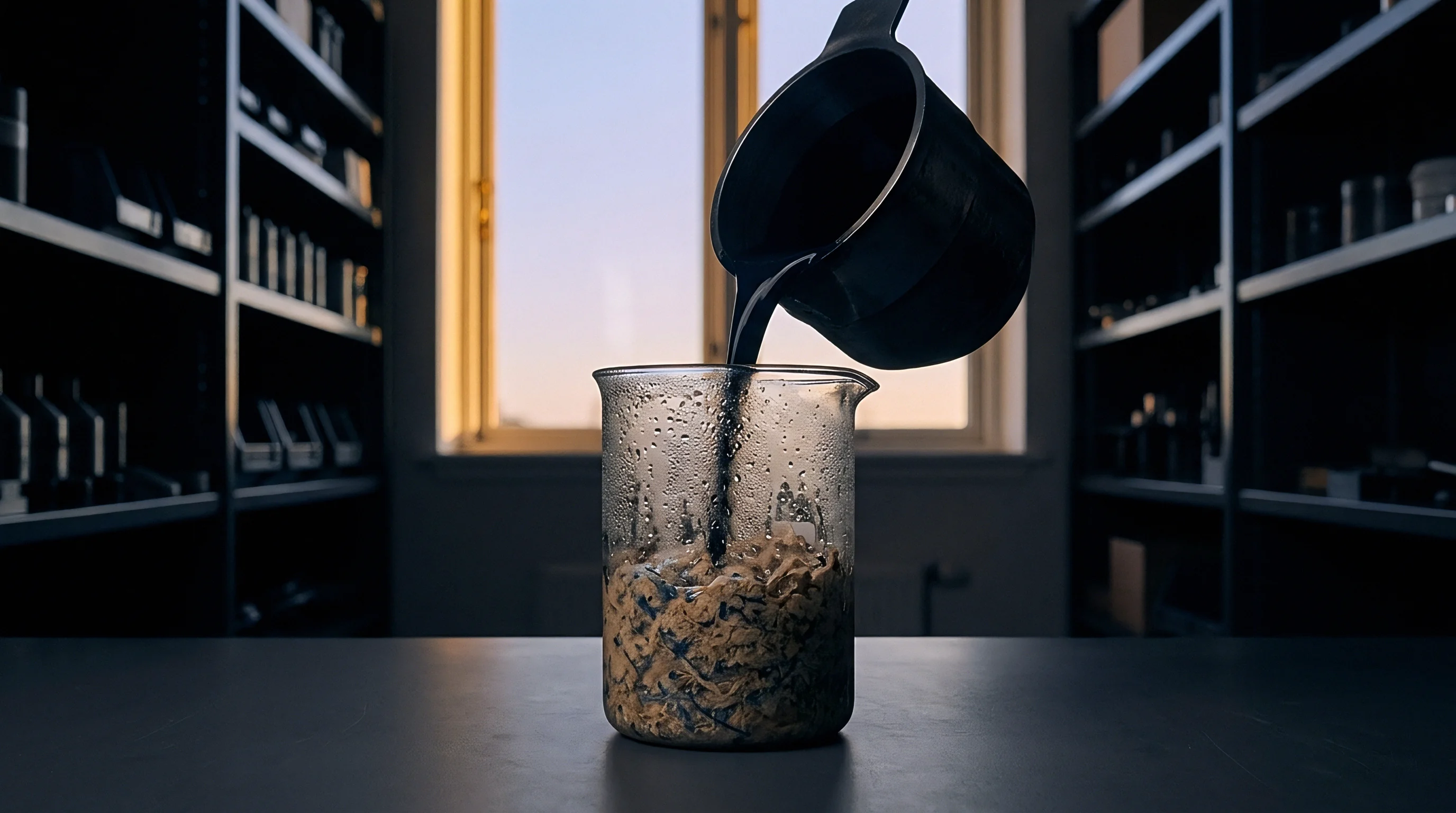
Furnish composition directly dictates the consumption rate of functional wet end chemicals. Bleached chemical pulps present a clean surface profile with a moderate carboxyl content of 40 to 90 millimoles per kilogram. Recycled fiber and mechanical groundwood pulps introduce massive fines fractions along with high extractives concentrations.
High lignin content elevates anionic trash levels fourfold relative to virgin kraft stock. Cationic wet end starch added for internal bond strength acts as an unintentional charge scavenger when furnish charge remains uncontrolled.
- Recycled furnish blending requires early PAC addition at the high-density storage chest discharge to quench humic species.
- Mechanical pulp processing generates dissolved lipophilic extractives requiring bentonite or talc conditioning before wet end starch dosing.
- Chemical pulp preparation allows direct cationic starch addition at the machine chest inlet without sacrificial scavenger polymers.
Starch retrogradation and poor fixation generate severe converting failures. Cationic starch carries a degree of substitution between 0.025 and 0.045 quaternary ammonium groups per anhydroglucose unit. If the wet end streaming current sits outside the negative 1.2 to negative 2.5 microequivalents per gram window, starch fixation drops below 70 percent.
Unbound cationic starch cycles into the white water loop, where it acts as a protective colloid, dispersing fines and minerals while driving biological oxygen demand upward in the mill effluent treatment plant.

What Factors Drive Multivalent Ion Interference?
Dissolved calcium and sulfate ions from deinking operations or gypsum-based fillers compress the hydrodynamic volume of polymeric retention aids. Divalent calcium ions at concentrations exceeding 600 milligrams per liter shield the carboxyl groups on pulp fibers. This electrical shielding impedes the electrostatic attachment of cationic polyacrylamides.
Sulfate ions similarly precipitate polyaluminum complexes, neutralizing their coagulating power before they clear colloidal pitch from the wet end circuit.
The supplier will maintain that wet end charge swings are naturally buffered by machine chest residence time and furnish consistency. This explanation ignores the rapid chemical kinetics governing modern forming fabrics running above 800 meters per minute.
Shear
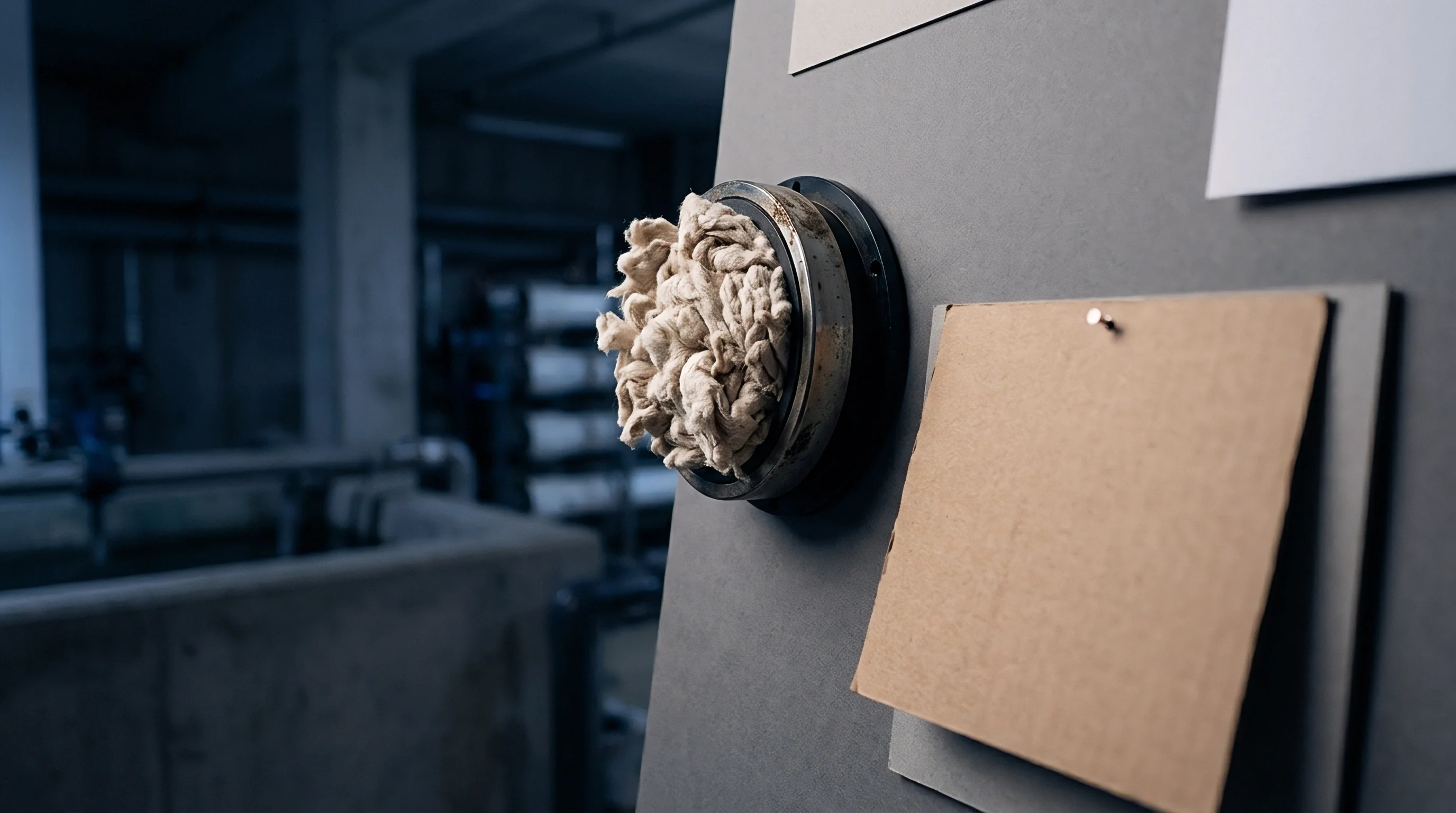
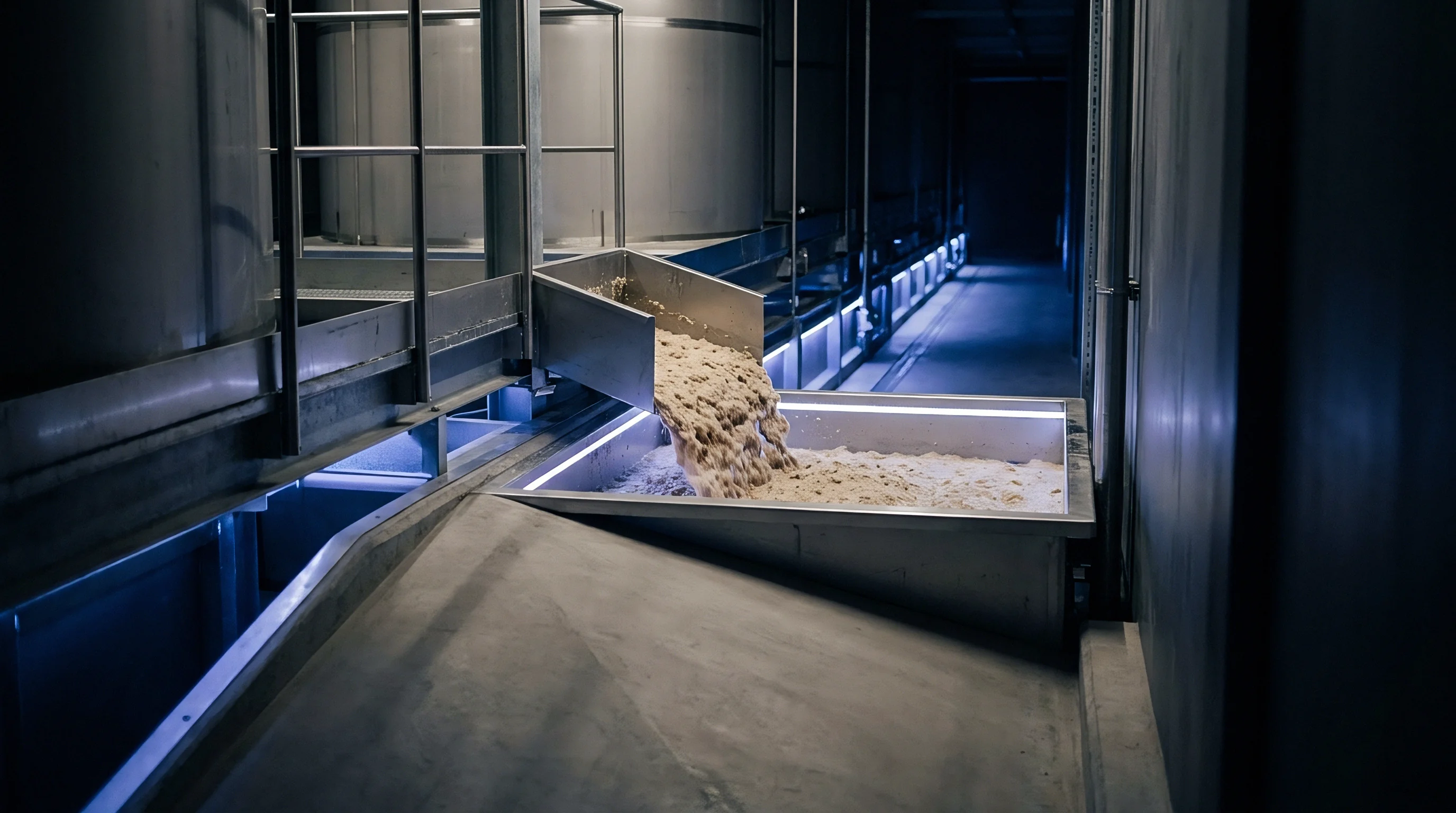
Mechanical turbulence at the slice and forming table disrupts chemical flocs before drainage stabilizes the fiber mat. Dynamic chemical retention measurement quantifies the survival of fiber-to-fiber and fiber-to-filler bonds under controlled hydrodynamic forces. The Dynamic Drainage Jar, standardized under TAPPI T 261, evaluates first pass chemical retention across a calibrated 200-mesh wire screen without forming a filtering mat.
TAPPI T 261 dynamic drainage evaluations run at 1,000 revolutions per minute simulate the high-shear dewatering profile of gap formers.
Static drainage tests fail to capture on-wire behavior. Gravity jars allow a thick fiber mat to build, filtering out fines mechanically regardless of chemical retention efficiency. The Dynamic Drainage Jar prevents mat formation using a variable-speed propeller running between 750 and 1,500 revolutions per minute.
First Pass Retention (FPR) and First Pass Ash Retention (FPAR) calculations separate purely mechanical trapping from chemical bridging and patch coagulation.
Consider a 350 grams per square meter solid bleached board furnish running at 0.85 percent headbox consistency with a tray water consistency of 0.22 percent. Ash fractions are 18.0 percent in the headbox and 12.5 percent in the tray water. First pass solids retention calculates to 74.12 percent.
First pass ash retention yields 57.06 percent under these operational parameters. Adding 150 grams per tonne of microparticle colloidal silica with 200 grams per tonne of high molecular weight CPAM elevates first pass ash retention to 78.40 percent while holding sheet formation index values below 0.65.
Dynamic Retention under Extreme Hydrodynamic Stress
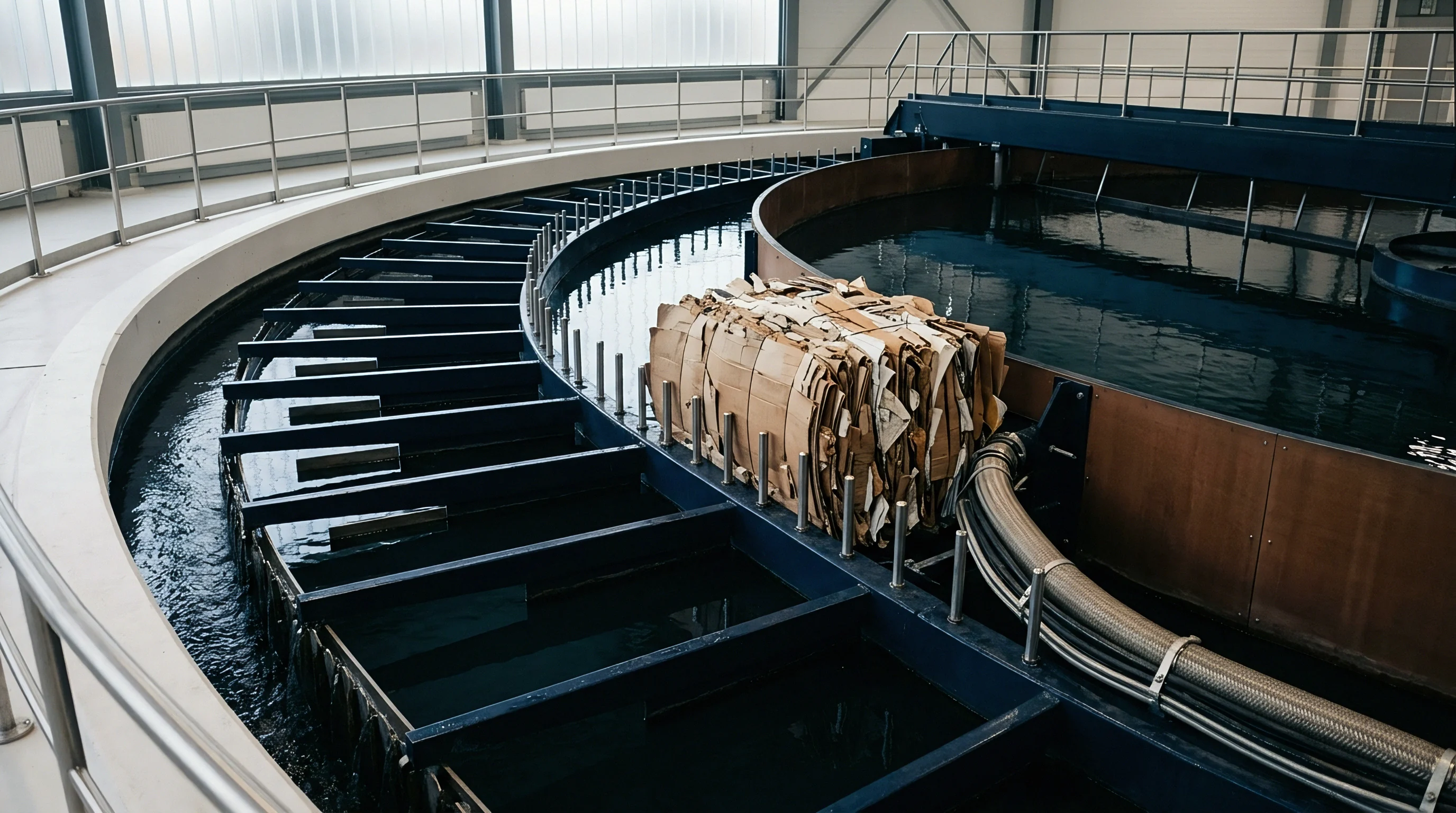
Modern gap formers and top-wire units subject the wet mat to high shear pulses. Single-polymer retention programs fail under continuous shear because sheared polymer chains cannot re-establish electrostatic bonds over millisecond durations. Dual-polymer and microparticle systems address this kinetic limitation.
Linear CPAM creates large flocs that shear into compact fragments. The subsequent addition of anionic colloidal silica or bentonite links these fragments into microflocs that dewater rapidly without blinding forming fabrics.
| Chemistry System Architecture | CPAM Dosage Rate | Microparticle Dosage Rate | First Pass Retention | First Pass Ash Retention |
|---|---|---|---|---|
| Single Polymer CPAM | 350 g/t | 0 g/t | 71.4 % | 48.2 % |
| Coagulant Plus CPAM | 220 g/t | 0 g/t | 78.6 % | |
| CPAM Plus Bentonite | 180 g/t | 2.5 kg/t | 86.2 % | 74.8 % |
| CPAM Plus Colloidal Silica | 160 g/t | 300 g/t | 89.5 % | 81.3 % |
| Test conditions: 0.80 percent furnish consistency, 200-mesh screen, 45-second drainage collection, 23 degrees Celsius. | ||||
Shear stability defines final sheet structure. Flocs that withstand wire dewatering without shattering promote bulk preservation in paperboard middle plies. Multi-ply board machines tailor retention programs by layer: high-fines top plies receive microparticle chemistry to maximize surface smoothness, whereas core plies focus on drainage velocity to preserve caliper under heavy press loads.
Does the chemical retention aid increase fiber flocculation to the point of compromising z-directional tensile strength?

Ash
Mineral filler addition lowers raw material costs and enhances sheet opacity, brightness, and print smoothness. Calcium carbonate and clay minerals introduce severe charge disruptions into the paperboard machine wet end. Precipitated calcium carbonate (PCC) displays a cationic or weakly anionic surface charge depending on manufacturing carbonation history.
Ground calcium carbonate (GCC) carries a strong anionic charge due to polyacrylate dispersants added during slurry wet grinding. Dispersant carryover elevates anionic trash levels instantly, consuming cationic polymers and destabilizing sheet formation.
- Ground calcium carbonate slurries contain residual sodium polyacrylate dispersants that strip cationic charge from retention aids.
- Precipitated calcium carbonate particles exhibit scalenohedral morphologies that entrap water, slowing down mechanical dewatering rates.
- Calcined kaolin clay introduces high abrasive wear on forming fabrics while demanding elevated coagulant doses for edge fixation.
- Titanium dioxide pigments require specialized cationic starch pre-treatment to prevent agglomeration and visual sheet two-sidedness.
Food contact compliance boundaries restrict wet end filler retention additives. Paperboard grades intended for dry, moist, or fatty food packaging must pass EN 645 cold water extraction and EN 647 hot water extraction testing without releasing hazardous decomposition products. BfR Recommendation XXXVI and Council of Europe Resolution AP (2002) 1 set strict specific migration limits on residual monomers.
Unreacted acrylamide monomer from retention polymers cannot exceed 0.1 milligrams per kilogram in dry board. Glyoxal-based wet strength crosslinkers face strict migration cutoffs under BfR evaluation protocols.
Council of Europe guidelines restrict the permissible residual acrylamide monomer content in paper and board food contact materials to 10 micrograms per decimeter.
Filler retention chemistry must not compromise optical brightening agent (OBA) efficiency. Anionic direct dyes and tetrasulphonated OBAs compete directly with anionic trash catchers for surface sites. Highly charged cationic coagulants quench OBA fluorescence through complex precipitation if added in close physical proximity.
Mills stage addition points along the approach piping: coagulants enter at the blend chest, followed by OBA addition at the machine chest, and retention polymer dosing directly before the headbox slice.
High mineral retention without balanced charge control yields a dusty, weak sheet. Loss of internal Scott bond strength follows excessive filler loading in core plies.


Covenant
Cross-border packaging procurement demands comprehensive documentary proof linking wet end chemistry control to product compliance. Regulatory authorities enforcing the European Union Packaging and Packaging Waste Regulation (PPWR) inspect technical construction files for restricted substance thresholds. Wet end retention additives must comply with strict bans on per- and polyfluoroalkyl substances (PFAS) applied for grease resistance.
Synthetic retention polymer dossiers require current safety data sheets, technical datasheets, and chemical identity certificates verifying heavy metal limits below 100 parts per million cumulative lead, cadmium, mercury, and hexavalent chromium.
Chain-of-custody documentation must track substrate integrity from raw fiber through chemical additions. Importers of record bear absolute legal liability for non-compliant materials entering customs jurisdictions. A factory certificate of analysis declaring basic grammage, caliper, and burst index provides zero protection against chemical non-compliance penalties.
Technical dossiers require authenticated migration test reports conducted by ISO 17025 accredited laboratories under EN 1186 and EN 1230 sensory evaluation standards.
Documentary Qualifications for Food Contact Board
Declarations of Compliance (DoC) under Framework Regulation (EC) No 1935/2004 must itemize every functional chemical class introduced during board fabrication. Procurement contracts must incorporate explicit indemnification covenants covering border rejection costs, customs storage fees, and product recall liabilities arising from chemical migration breaches.
Purchase specifications that incorporate standard mill warranty lines without requiring raw data sheets leave buyers legally vulnerable. Specifying compliance with Section 4 of the European Union Packaging and Packaging Waste Regulation mandates third-party chemical screening data for every production run, legally transferring contaminant liability back to the board converter.