Filtration Velocity
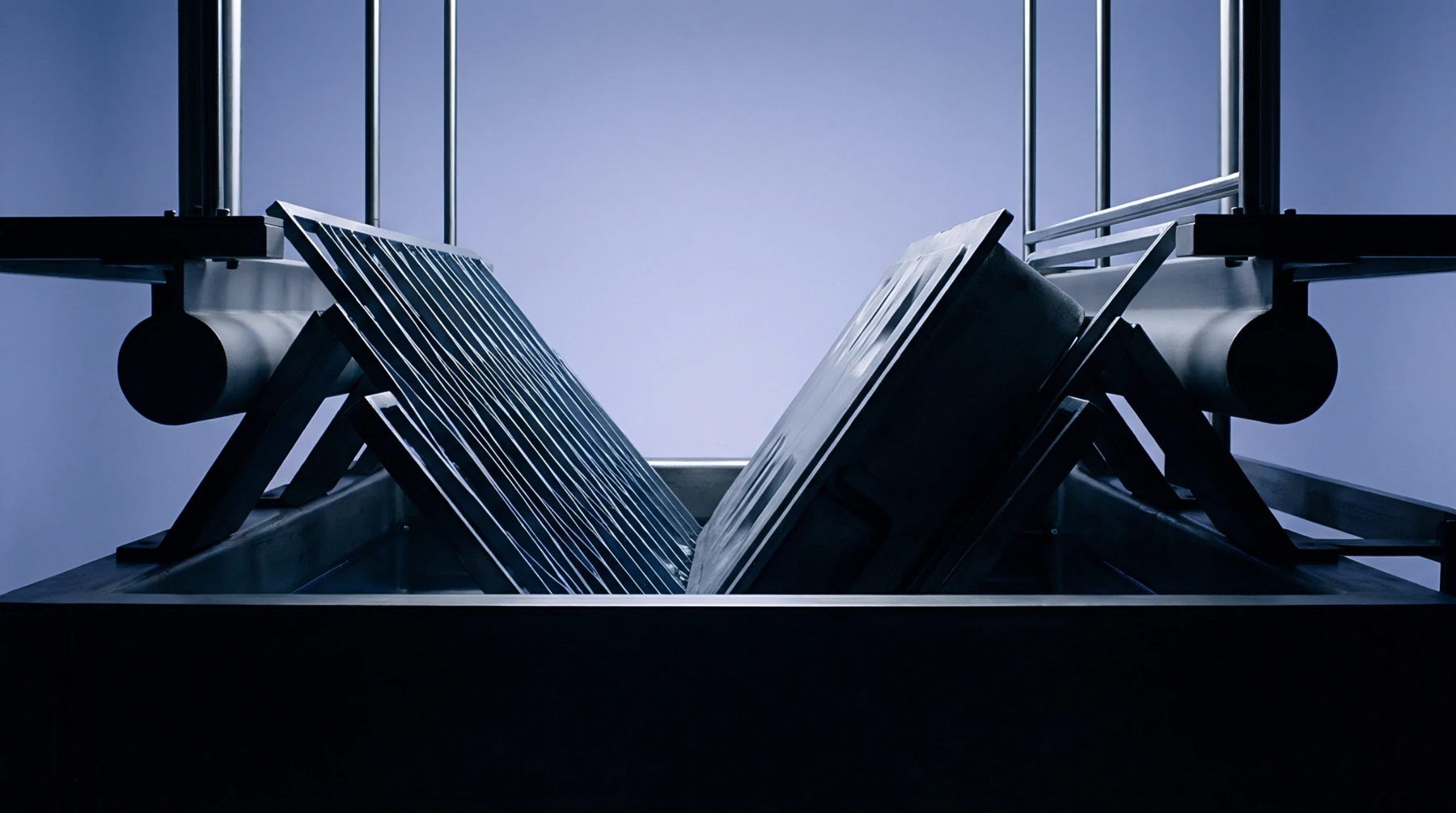
Laboratory equipment gauges the rate at which water releases from a paper stock suspension under controlled vacuum conditions. The dynamic drainage jar replicates the rapid shear forces found in a high speed paper machine former, providing data that standard gravity based testing fails to produce. Operators add a known quantity of pulp slurry into the upper chamber before activating a mechanical stirrer to create uniform turbulence.
A vacuum pump pulls water through a wire screen while the timer captures the exact duration required to reach a specific filtrate volume.
Wire Retention
Fine particles and filler materials behave differently when subject to the high turbulence of modern forming sections. This device determines the first pass retention of these components by comparing the initial mass in the jar against the dry content of the collected filtrate. Changes in pulp chemistry or the addition of chemical retention aids alter the results, allowing a technician to predict how a furnish performs on the wire.
High shear rates force the fibres to realign, which exposes the true binding capacity of the starch or polymer additives.
System Sensitivity
Mechanical configuration adjustments define the accuracy of the measured drainage properties. Changing the rotation speed of the internal propeller shifts the shear intensity, which forces the researcher to maintain constant settings across every comparative test. Calibration of the vacuum pressure ensures the instrument matches the operating conditions of the target paper machine.
Accurate data from this hardware prevents premature breaks on the production line by identifying stock that refuses to drain under pressure.