Dynamic Shear Modulus Degradation Limits in High Speed Recyclable UV Resin Formulations
Dynamic shear degradation limits UV resin velocity at 280 m/min to prevent oligomer scission, balancing resin costs against full EPR fee savings.

Stress
High-speed roller coaters applying ultraviolet overprint coatings at line speeds beyond three hundred meters per minute subject liquid formulations to extreme dynamic shear forces within the applicator nip. Dynamic shear modulus measures the internal resistance of the liquid matrix to deformation under periodic mechanical oscillations. In high-speed coating heads, fluid pass times through the metering gap drop below zero point five milliseconds, with deformation rates routinely exceeding twenty-five thousand reciprocal seconds in these narrow clearances.
When UV-curable resins pass through high-shear metering gaps, the complex shear modulus decomposes into storage modulus (elastic energy storage) and loss modulus (viscous energy dissipation). Conventional UV resin matrices rely on rigid, highly branched acrylate oligomers that maintain consistent viscoelastic properties across high strain rates. Recyclable formulations instead introduce ester-cleavable or enzymatically degradable oligomeric segments into the polymer backbone, which reduces intermolecular entanglement density under zero-shear conditions.
At a shear rate of 20,000 reciprocal seconds, the dynamic shear modulus of a 100 percent solids bio-based UV oligomer drops by 42 percent compared to its zero-shear baseline.
Deformation forces within the roll nip alter the alignment of flexible polymer segments. While shear-thinning behavior reduces fluid viscosity to allow uniform coat weights at high line speeds, an excessive reduction in loss modulus destabilizes the liquid film prior to UV exposure. When loss modulus drops below critical thresholds, hydrodynamic instability leads to film misting, roller ribbing, and uneven lay-down on paperboard substrates.
Viscoelastic Breakdown under High Strain
Rheological evaluations under oscillatory shear reveal structural breakdown thresholds in recyclable resin chemistries. Dynamic strain sweeps performed at a constant angular frequency track the limit of linear viscoelastic behavior; beyond five percent shear strain, recyclable oligomers deviate into non-linear behavior earlier than standard hexafunctional aliphatic urethane acrylates.
| Resin Formulation Type | Zero-Shear Viscosity (mPa.s) | Storage Modulus G’ at 10,000 s^-1 (Pa) | Loss Modulus G” at 10,000 s^-1 (Pa) | Linear Viscoelastic Limit Strain (%) |
|---|---|---|---|---|
| Standard Urethane Acrylate | 680 | 1,450 | 3,800 | 12.4 |
| Ester-Cleavable Bio-Acrylate | 520 | 620 | 2,100 | 4.8 |
| Alkaline-Soluble Polyester Acrylate | 410 | 480 | 1,750 | 3.9 |
| Enzymatic-Degradable Polycaprolactone Acrylate | 750 | 710 | 2,450 | 5.2 |
A drop in storage modulus during high-shear transfer impairs film recovery after blade doctoring, preventing the wet film from leveling rapidly before it reaches the UV curing zone. As a result, longitudinal ridges set permanently into the cured varnish layer, lowering specular gloss values by up to fifteen units on three hundred gram folding boxboard.
Mid-run rheological thinning often stems from localized frictional heating inside the application sump rather than structural cleavage within oligomeric backbones.


Cleavage
Mechanochemical scission occurs when heavy mechanical deformation forces act on ester bonds engineered into acrylate oligomers for downstream repulping. Mechanical strain energy concentrates within flexible linkage domains in the resin matrix; when hydrodynamic shear stresses exceed specific bond dissociation thresholds, non-covalent interactions and weak covalent linkages break before crosslinking can take place.
Shear-induced cleavage of oligomer segments alters radical polymerization kinetics during subsequent UV curing passes. Unbound fragments then act as plasticizers within the cured network, lowering the glass transition temperature of the finished coating layer.
Mechanochemical Degradation of Reversible Oligomers
Cleavable resins incorporate alkoxylated spacer groups or labile aliphatic ester linkages to promote disintegration in industrial pulping tanks. However, these same linkages exhibit lower mechanical energy thresholds during doctor blade shearing and high-pressure recirculation pumping.
- Oligomeric backbone fragmentation generates low molecular weight species that reduce cured crosslink density, leading to surface tackiness.
- Photoinitiator radical quenching occurs when mechanically generated free radicals consume active initiating species before UV exposure.
- Phase separation of unreacted monomers forms microscopic surface haze that lowers specular gloss readings across continuous production runs.
- Unbalanced viscoelastic strain recovery slows wet film leveling after exiting the doctor blade gap, leaving permanent surface striations.
Monomers engineered for rapid alkaline hydrolysis during repulping demonstrate lower resistance to mechanical bond scission inside high-shear pumping loops.

Monomer Volatilization and Curing Inadequacies
Shear degradation releases low molecular weight acrylate monomers directly into the coating sump. Friction-induced temperature rises in the pan accelerate the volatilization of these lightweight species, altering the stoichiometric ratio between oligomers and reactive diluents.
Deviations in monomer balance impede photo-curing propagation under medium-pressure mercury or UV LED sources. Lower double-bond conversion leaves unreacted acrylate groups trapped at the substrate-coating interface, reducing chemical solvent resistance and lowering dry-friction rub resistance.
Running an applicator press beyond the mechanical shear limits of ester-cleavable acrylate formulations causes unreacted monomers to migrate into paperboard substrates, invalidating primary food contact declarations.
Web
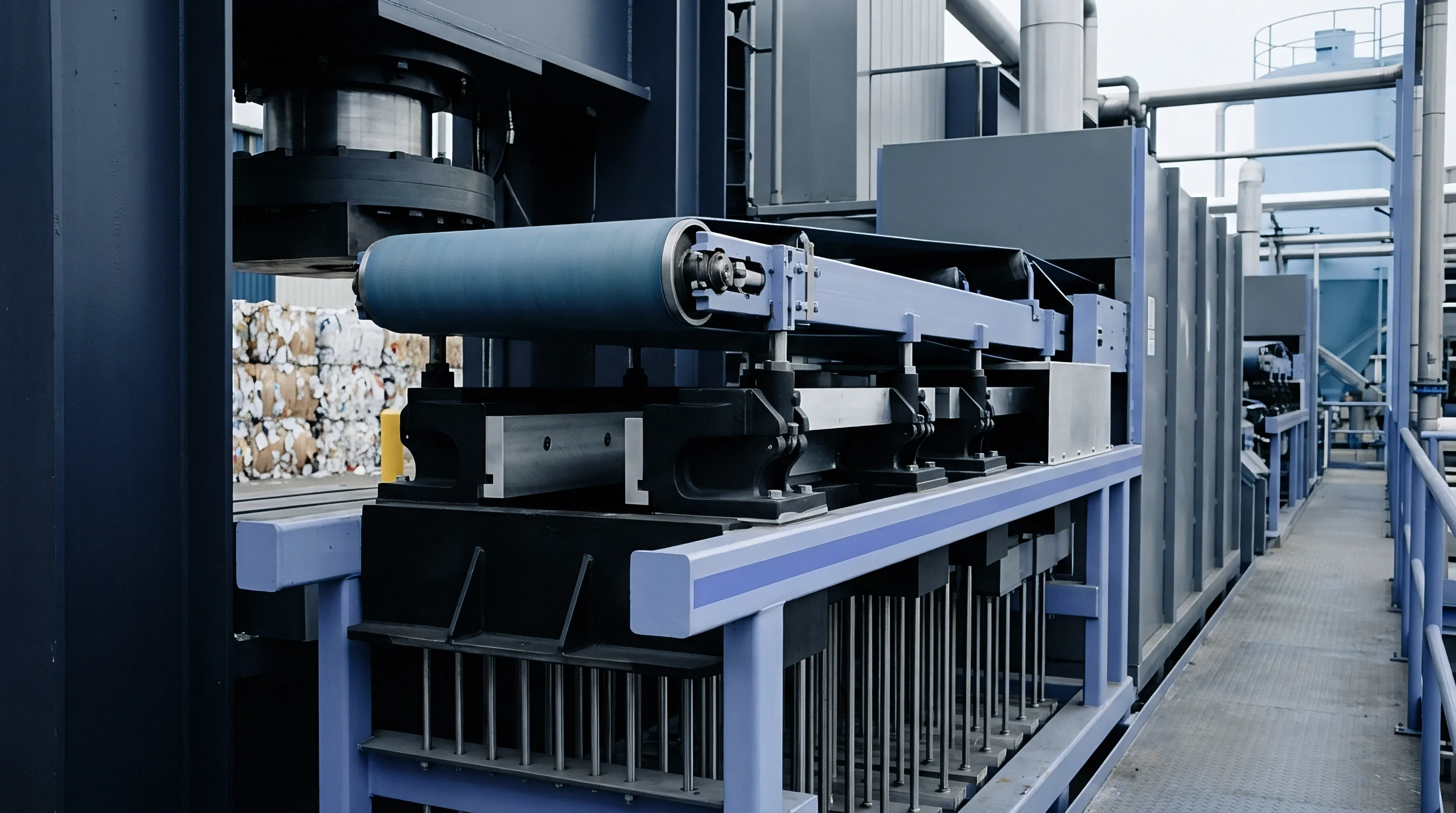
On-press setup for recyclable overprint resins requires precise synchronization between fluid metering rolls and paperboard surface velocities. Metering roll speed ratios set the local velocity gradient across the applicator gap; deviations greater than two percent between roll surface speed and board travel speed inflate mechanical shear stress within the liquid film.
Adjusting mechanical doctoring systems prevents excessive hydrodynamic lift forces from recirculating sheared fluid into the coating sump, while controlled circulation rates minimize air entrapment within shear-thinned resins.
Applicator Nip Geometry and Doctoring Forces
Doctor blade contact angle and blade pressure determine the initial fluid film thickness delivered to the transfer roll. Steel blades operating at angles steeper than thirty-five degrees generate localized pressure spikes exceeding forty bar inside the metering nip, whereas synthetic blade materials redistribute contact force and reduce dynamic shear intensity at high line speeds.
- Measure coating pan fluid temperature prior to recirculation to establish baseline operating viscosity.
- Adjust doctor blade contact angle to exactly thirty-five degrees relative to roll tangency to limit hydrodynamic lift.
- Elevate recirculating pump velocity until fluid turnover achieves three complete sump exchanges per hour.
- Verify cured film adhesion via cross-hatch tape testing on sheets pulled at full operational speed.
Monitoring fluid viscosity throughout a production shift tracks thermal and mechanical degradation over time. Viscosity drops that fail to stabilize after thirty minutes of continuous running point to progressive polymer chain scission within the recirculating system.
Does Resin Recyclability Limit Maximum Press Velocity?
Production speeds must adapt to the mechanical limits of recyclable resin formulations. While conventional UV resins run cleanly at four hundred meters per minute, cleavable chemistries require lower operational velocities to preserve mechanical film integrity during metering.
| Line Speed (m/min) | Roll Nip Shear Rate (s^-1) | Misting Rating (1-5 Scale) | 60 Degree Gloss (GU) | MEK Double Rubs to Failure |
|---|---|---|---|---|
| 150 | 11,200 | 1.0 | 88 | 150+ |
| 220 | 16,500 | 1.5 | 86 | 145 |
| 280 | 21,000 | 2.5 | 81 | 110 |
| 350 | 26,200 | 4.5 | 68 | 65 |
Compliance with European paperboard recyclability standards limits non-repulpable coating residue to less than one point five percent by total dry weight.
Lowering pan fluid temperature helps offset friction-induced fluid thinning over extended production runs.

Pulp
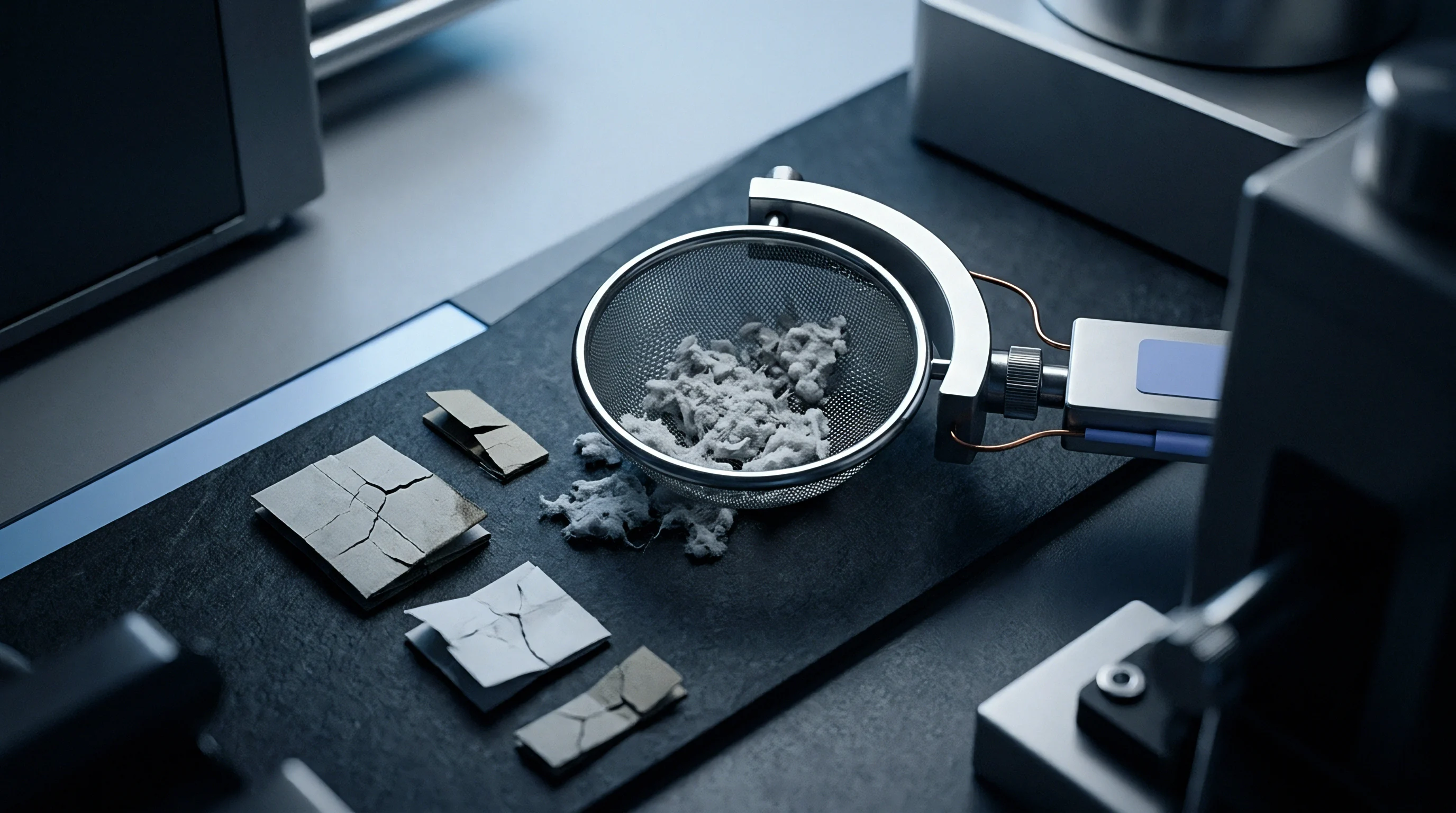
Standardized repulping evaluations measure how well cured UV resin films fragment or dissolve in mild alkaline aqueous environments. Industrial pulping relies on mechanical rotor shear combined with elevated pH levels of four-point-five to five-point-zero at forty degrees Celsius. Conventional UV coatings form tough, insoluble polymeric sheets that resist mechanical breakdown, clogging recycling screens and contaminating paper pulp streams.
Recyclable UV formulations use cleavable crosslinking points that fragment under alkaline pulping conditions into discrete, non-sticky particles ranging from fifty to two hundred microns.

Alkaline Disintegration and Fiber Separation
The rate of coating breakdown during industrial pulping depends on the balance between initial crosslink density and the concentration of ester-cleavable groups. Highly crosslinked networks resist water penetration, delaying chemical hydrolysis during the standard twenty-minute pulping cycle.
- Alkaline pulping pH threshold determines whether the crosslinked varnish layer breaks into coarse filterable flakes or soluble chemical contaminants.
- Screening reject percentages record the exact mass of resin fragments retained on a zero point one five millimeter slotted plate.
- Filtrate chemical oxygen demand quantifies organic chemical loads transferred into process water during industrial fiber recycling.
- Flotation deinking efficiency tracks brightness restoration across regenerated paperboard handsheets after particle separation.
Varnish formulations engineered for controlled alkali fragmentation reduce usable fiber loss during commercial recycling operations.
Deinking Efficiency and Screen Reject Ratios
Fragmented coating particles need surface hydrophobic properties to allow removal during flotation deinking. Hydrophilic balance modifications enable resin particles to attach to air bubbles injected into the flotation cell, rising to the surface scum layer for mechanical skimming.
| Resin Type | Pulper Fiber Yield (%) | Screen Reject Mass (%) | Deinking Ingestion Factor | Recyclability Pass/Fail Status |
|---|---|---|---|---|
| Standard Epoxy Acrylate | 88.2 | 8.4 | 22 | Fail |
| Alkali-Cleavable Polyester Acrylate | 98.1 | 0.8 | 82 | Pass |
| Water-Dispersible Polyether Acrylate | 94.5 | 2.1 | 65 | Pass |
| Enzymatic-Degradable Oligomer | 97.6 | 0.5 | 88 | Pass |
Ingede Method 11 section four specifies that coarse film particles exceeding two square millimeters trigger immediate visual contamination penalties on recycled board grades.

Margin
The economic viability of high-speed recyclable formulations hinges on balancing raw material price surcharges against savings on Extended Producer Responsibility fees. Specialty bio-based and cleavable acrylate oligomers carry higher synthesis costs than commodity epoxy or urethane acrylates, with chemical price premiums ranging from forty to eighty percent over conventional overprint formulations.
Converting lines using recyclable coatings can recoup higher chemical costs through eco-modulated packaging fee reductions. Current regulatory frameworks penalize non-recyclable plastic-laminated or UV-coated packaging via EPR fee surcharges levied per tonne of finished packaging placed on consumer markets.

Resin Surcharge versus EPR Fee Reductions
Consider a production run of one hundred thousand folding packaging cartons fabricated from three hundred and fifty gram solid bleached sulfate paperboard. The job requires a dry coat weight of four grams per square meter applied across a total surface area of seventy-five thousand square meters, resulting in a total dry varnish requirement of three hundred kilograms.
Conventional UV overprint varnish costs four Euros and twenty Cents per kilogram, yielding a direct material cost of twelve hundred and sixty Euros. Under regional packaging guidelines, the non-recyclable designation on conventional UV coatings triggers an Extended Producer Responsibility fee surcharge of two hundred and twenty Euros per tonne of paperboard. With total paperboard weight for the job coming to twenty-six point two5 tonnes, this generates an EPR fee liability of five thousand seven hundred and seventy-five Euros.
By contrast, recyclable UV varnish carries a raw material price of eight Euros and fifty Cents per kilogram, resulting in a direct chemical cost of twenty-five hundred and fifty Euros for the same job volume. However, its certified recyclable status eliminates the EPR surcharge entirely under qualifying schemes.

Worked Unit Cost Comparison for Packaging Converting
A net economic comparison demonstrates clear cost savings across full production volumes:
- Conventional UV Route Material Cost: 1,260 Euros resin + 5,775 Euros EPR fee = 7,035 Euros total cost.
- Recyclable UV Route Material Cost: 2,550 Euros resin + 0 Euros EPR fee = 2,550 Euros total cost.
- Net Direct Savings per Job: 4,485 Euros total financial reduction.
- Unit Cost Savings per Carton: 0.0448 Euros per finished packaging unit.
Calculating the net landed cost for printed carton runs requires balancing chemical surcharges against downstream eco-modulation credits, while ensuring scrap rates remain within standard plant allowances.