Quantifying Micro-Delamination Shear Planes in Recycled Multiply Board under High Dynamic Strain Rates
Quantifying dynamic shear planes in recycled board requires high-rate impact testing to prevent score line splitting on high-speed converting lines.
Ply
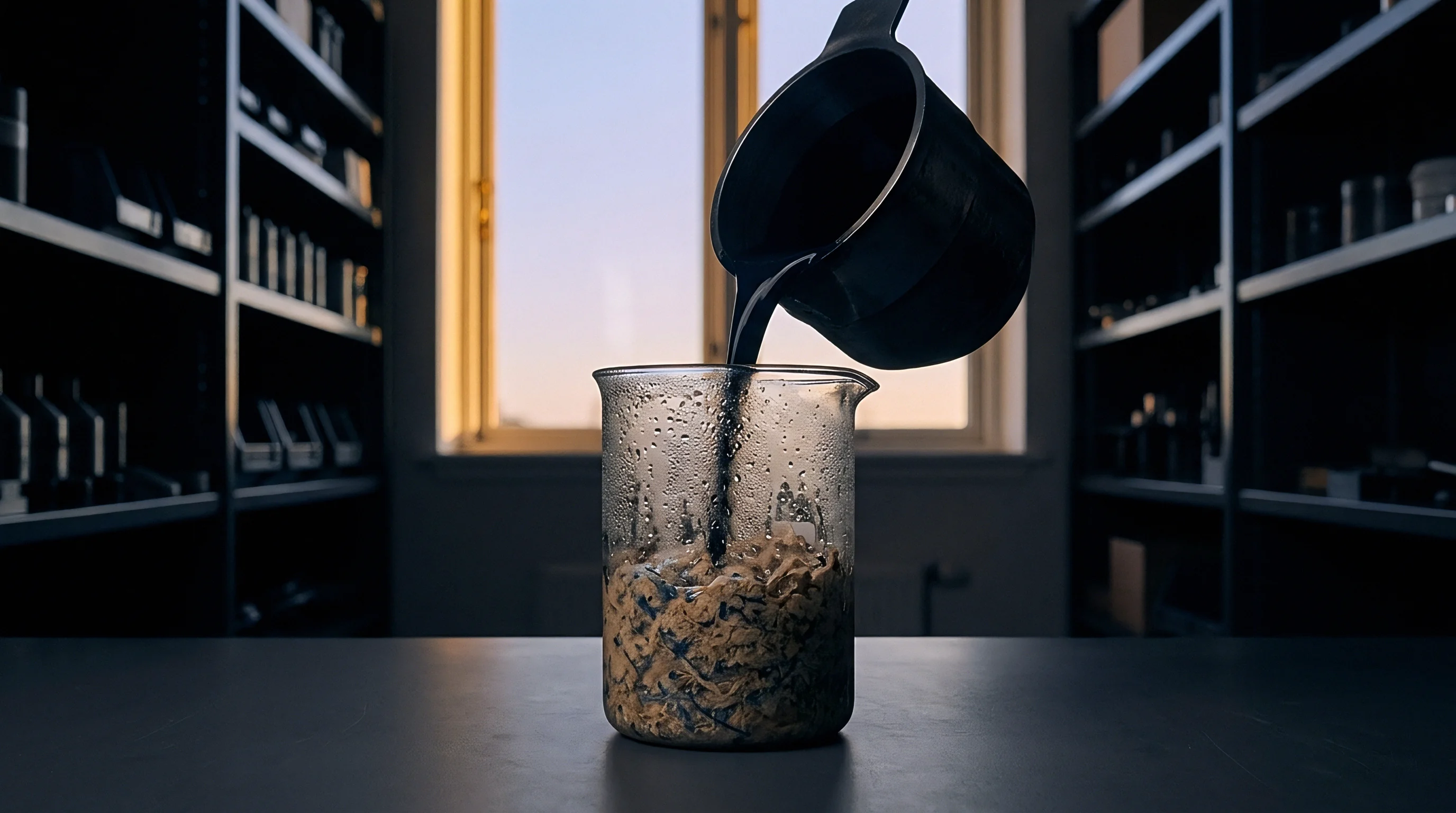
Recycled board stocks combine multiple fiber webs during wet pressing. Because high-speed converting subjects packaging substrates to sudden mechanical loading, internal stresses build rapidly along inter-layer boundaries. How well these multi-ply structures absorb dynamic impact depends on both furnish composition and web formation across each layer.

Furnish Stratification and Interface Formation
Board constructions stratify distinct fiber layers to combine structural stiffness with printability. The top ply usually uses bleached chemical pulp or clean sorted white recycled fiber to maximize brightness and ink holdout. The core plies supply bulk using mixed waste paper, old corrugated containers, and mechanical pulp fractions, while the back ply relies on unbleached kraft or sorted post-consumer fiber for tensile strength.
With repeated recycling, individual fiber lengths shorten significantly.
On multi-fourdrinier or multi-former board machines, adjacent wet webs join at the couch rolls while moisture ranges between 82 percent and 86 percent. Bonding across plies relies on hydrogen bonds between cellulose hydroxyl groups, mechanical fiber entanglement at the boundary, and spray-applied cationic starches. If consolidation pressures vary across the machine width during pressing, localized inter-ply bond strength drops below nominal laboratory values.
Recycled Fiber Morphology under Dynamic Loading
Secondary papermaking fibers undergo hornification during repeated drying cycles, which degrades their capacity for hydrogen bonding. Fiber walls stiffen, internal lumens collapse, and fines accumulate. As short fibers under 0.8 millimeters gather in the inner plies, they create regions with lower specific surface area and lower surface energy.
Standard ISO 187 conditioning at 23 °C and 50 percent relative humidity yields inter-ply Z-directional strength baseline values that drop by 22 percent when dynamic strain loading rates jump from static rates to 150 reciprocal seconds.
Fluctuating moisture levels further promote inter-ply interface slipping.
Under rapid mechanical deformation, short secondary fibers cannot accommodate strain as effectively as long virgin softwood fibers. Localized shear concentrates along boundary lines where fiber orientation changes between plies. Whether surface treatments with nano-fibrillated cellulose can restore high-rate inter-ply shear energy absorption without increasing furnish bulk density remains an open technical question.
Velocity
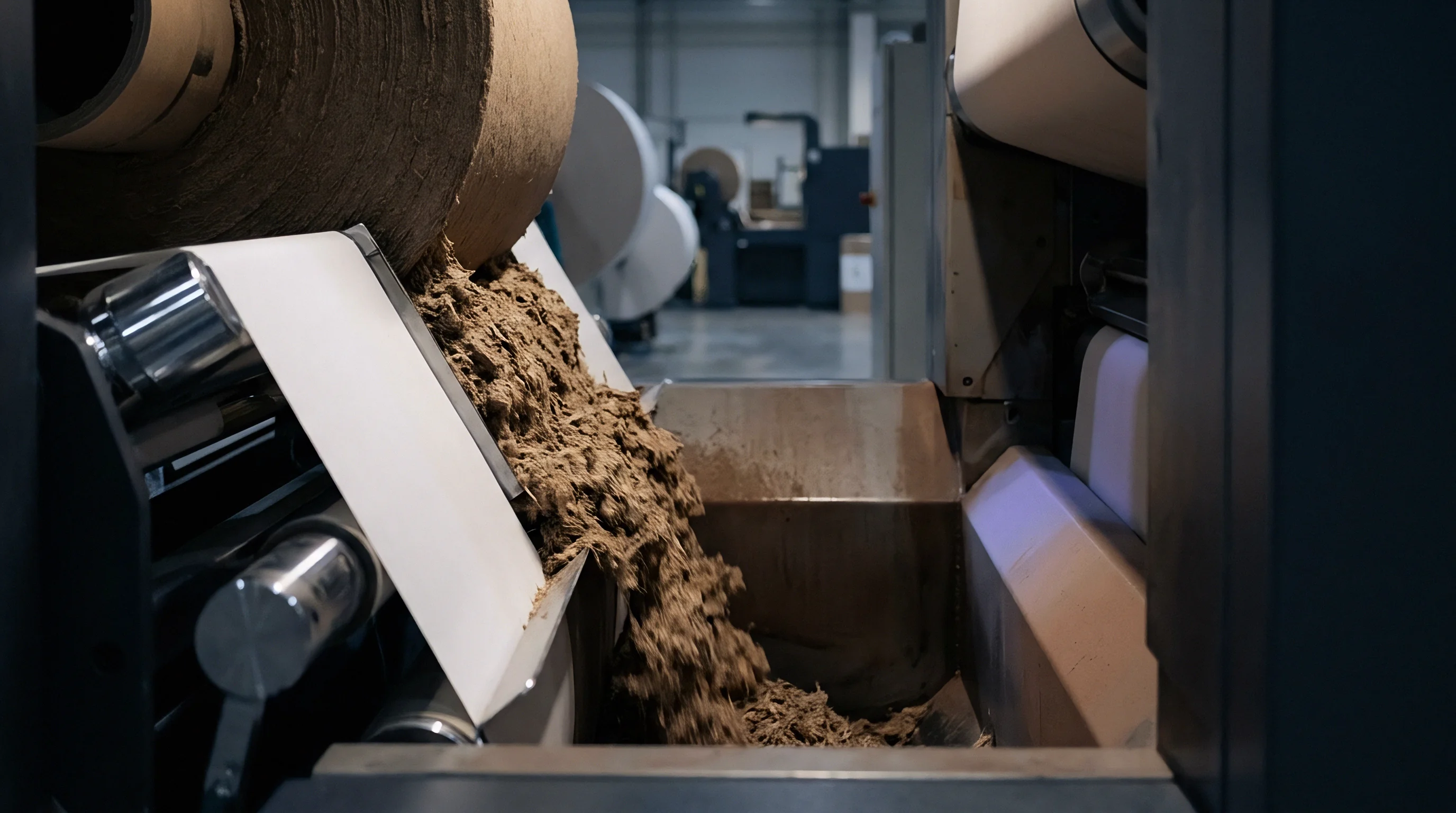
High-speed converting equipment deforms paperboard packaging at speeds exceeding tens of meters per second. In operations like die-cutting, matrix creasing, and rotary blanking, deformation occurs within fractions of a millisecond. At these dynamic strain rates ranging from 10 to 1000 reciprocal seconds, viscoelastic behavior differs substantially from static laboratory observations.
High Strain Rate Test Methods
Split Hopkinson tension bar setups capture stress-strain behavior over millisecond impact windows. Arrays of high-speed cameras paired with three-dimensional Digital Image Correlation record displacement fields across the caliper profile, tracing how stress waves travel through individual board layers during impact.
Impact energy primarily dissipates through internal micro-cracks.
Static Z-directional tensile testing at standard TAPPI T 541 speeds of 12.7 millimeters per minute does not reflect impact fracture mechanics. Under rapid deformation, cell-wall polymers have no time for thermal stress relaxation. Peak shear stress increases while strain to failure drops, concentrating strain energy into narrow internal shear planes.
Micro-Delamination Plane Nucleation
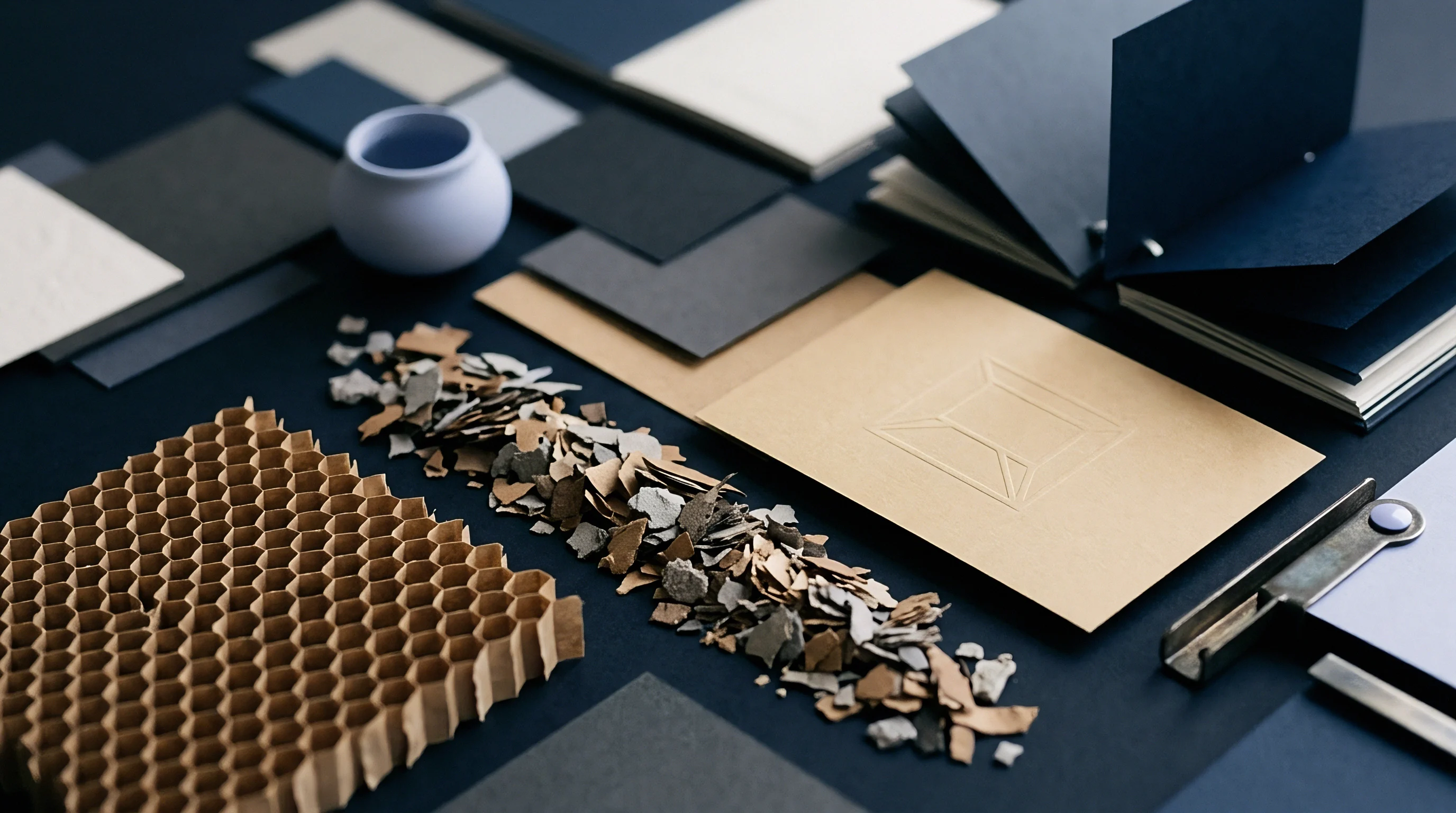
Internal fractures begin where fiber bond density drops below localized peak shear stress. Instead of following couch interfaces cleanly, dynamic micro-cracks jump between adjacent fiber mats within core layers containing short mechanical or recycled pulp fibers.
| Substrate Furnish Composition | Strain Rate (s⁻¹) | Dynamic Z-Tensile (kPa) | Shear Plane Energy (J/m²) | Primary Failure Zone |
|---|---|---|---|---|
| 100% Virgin Bleached Softwood Kraft | 0.1 | 415 | 210 | Central Ply Interface |
| 100% Virgin Bleached Softwood Kraft | 500.0 | 540 | 165 | Uniform Bulk Deformation |
| 80% Recycled OCC Middle / Virgin Top | 0.1 | 310 | 145 | Couch Boundary Line |
| 80% Recycled OCC Middle / Virgin Top | 500.0 | 425 | 88 | Recycled Core Intra-Ply |
| 100% Mixed Secondary Waste Board | 0.1 | 245 | 110 | Multiple Delamination Planes |
| 100% Mixed Secondary Waste Board | 500.0 | 360 | 52 | Core Shear Fragmentation |
Rotary die tools apply rapid dynamic impact across the stock.
Dynamic fractures form predictable patterns depending on furnish geometry and impact velocity. Converting operators typically observe four main failure modes when processing multi-ply recycled boards under dynamic stress.
- Inter-ply adhesive decoupling separates adjacent fiber webs along starch spray lines when chemical wetting at couching is insufficient.
- Intra-ply fiber shear splitting fractures short-fiber networks in middle layers where stiffened secondary fibers cannot stretch.
- Transverse core buckling creates localized compressive instabilities, driving shear planes parallel to sheet surfaces.
- Liner skin micro-tearing occurs when shear fracture planes turn outward, breaking through surface sizing coatings.
High strain rates fundamentally alter internal shear plane geometry.
Miscalculating dynamic shear limits leads to score line bursting on high-speed folder-gluers, resulting in thousands of ruined cartons per hour.
Acoustics
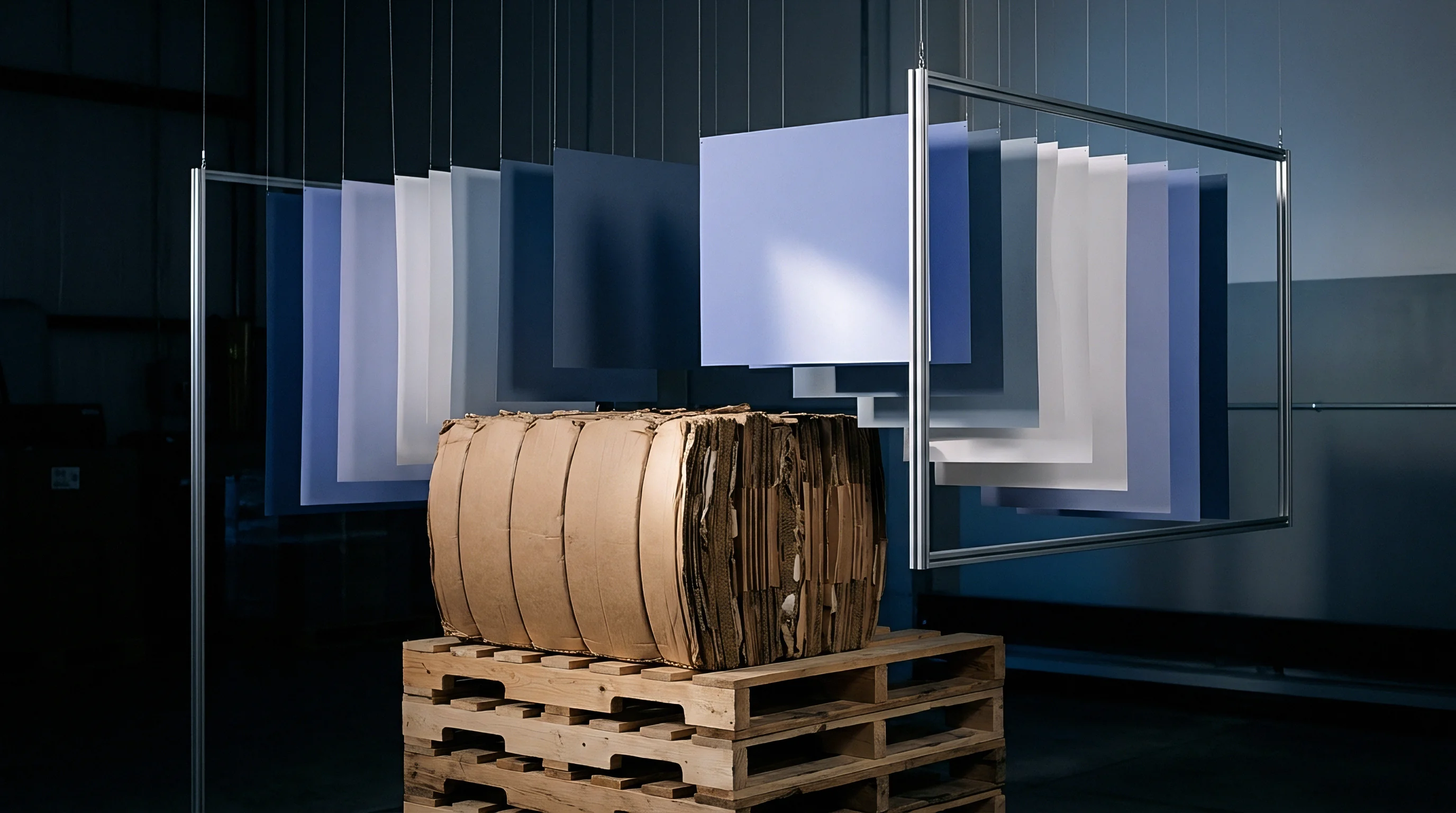
Piezoelectric sensor arrays mounted directly on board samples detect high-frequency elastic stress waves emitted during fiber separation. Acoustic emission analysis offers microsecond resolution, pinpointing internal structural damage well before surface cracking is visible. Tracking these transient signals makes it possible to detect micro-delamination as it begins.
Piezoelectric Signal Monitoring during Impact
Sensors operating from 100 to 500 kilohertz filter out background machine noise. Fiber fractures produce high-frequency pulses above 300 kilohertz with steep rise times, whereas inter-ply slipping and starch interface shear emit lower-frequency waves between 100 and 180 kilohertz with longer durations.
Sensor placement directly influences signal clarity and spatial resolution.
Signal processing algorithms match cumulative acoustic energy counts against real-time force curves. Sudden spikes in acoustic energy mark the transition from elastic strain absorption to permanent micro-delamination growth.
- Preamplifier gain matching maintains precise forty-decibel amplification across all active channels during impact events.
- Coupland grease viscosity prevents acoustic signal loss across contact gaps caused by impact vibration.
- Sensor placement geometry uses sound arrival times to triangulate shear plane locations within board samples.
Distinct acoustic signatures indicate the type and location of internal fractures.
Acoustic signal counts spiking in the 120 kilohertz band provide immediate detection of ply boundary slipping prior to visible surface cracking.
Elevated acoustic activity during creasing can indicate normal fiber reorientation rather than destructive internal delamination.
Cohesion
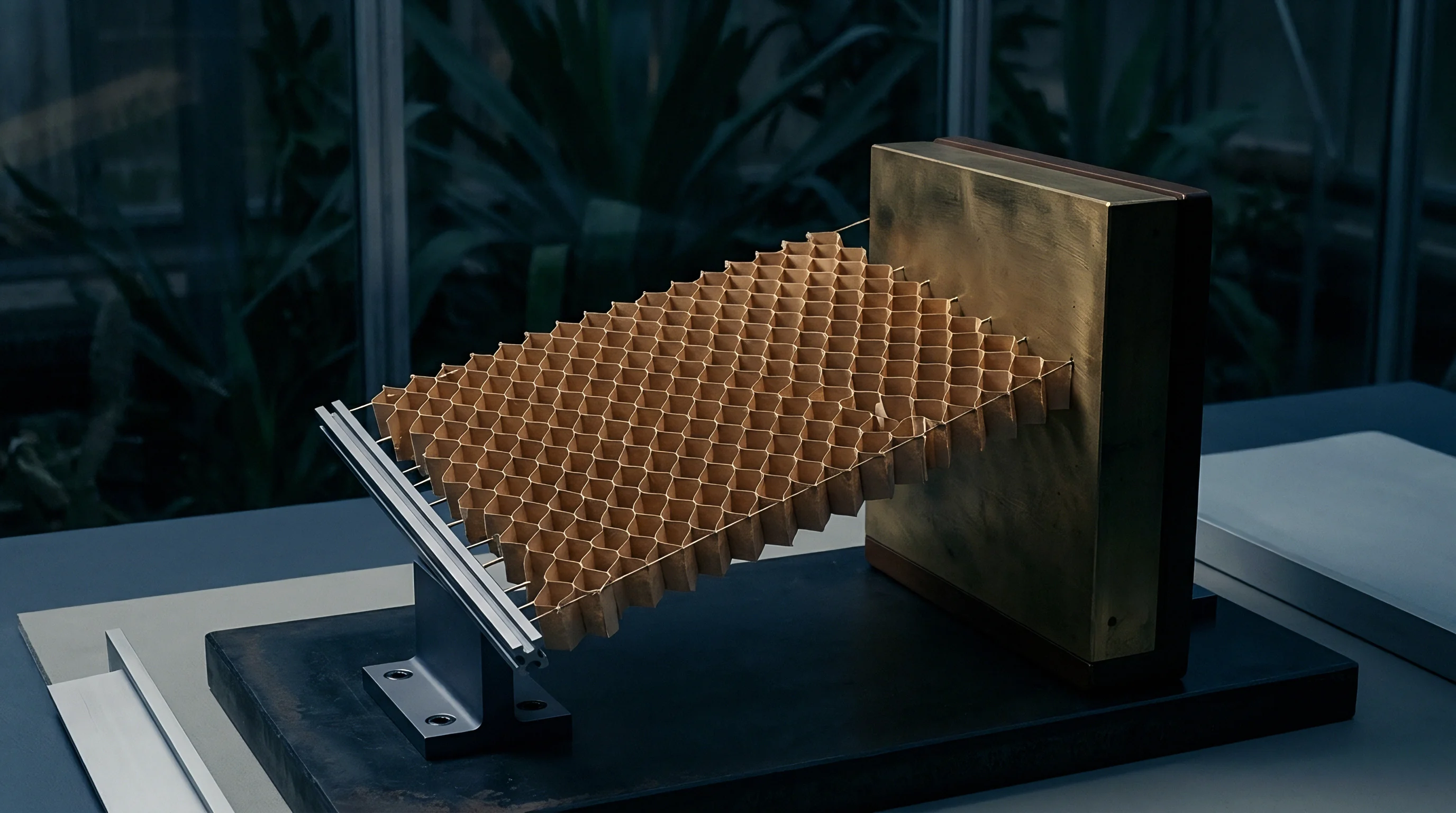
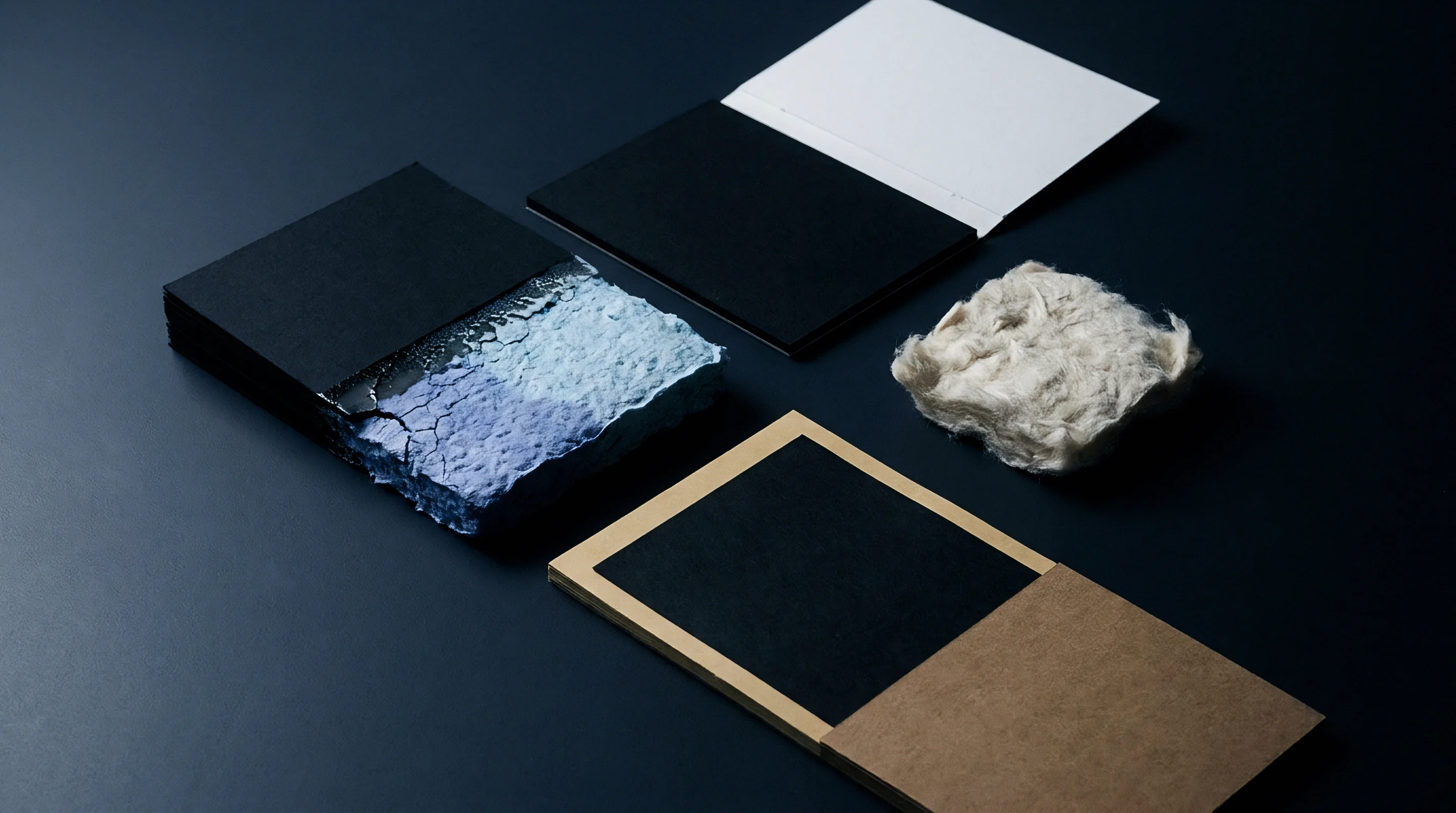
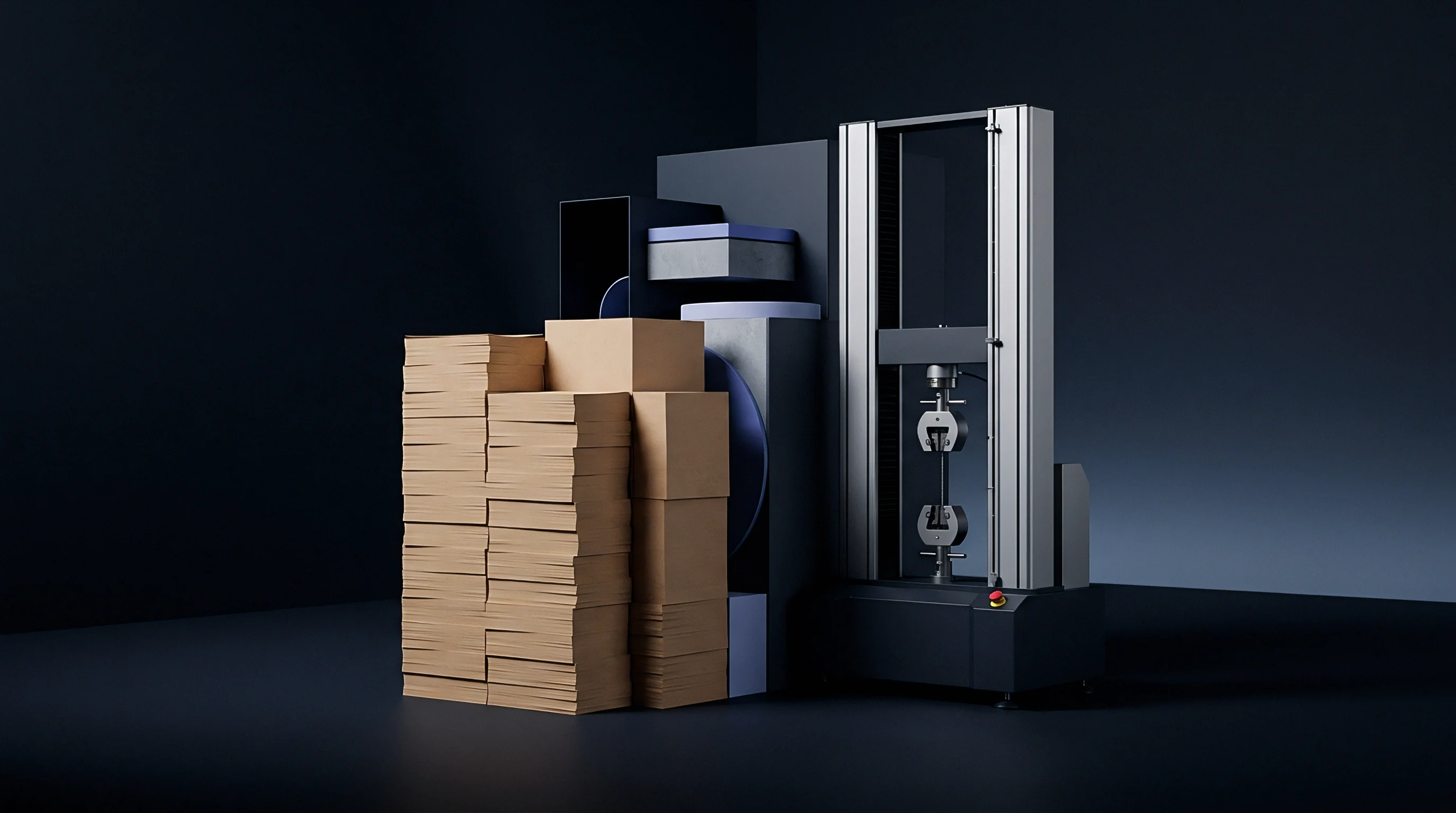
Inter-ply bonding relies on starch chemistry and fines retention at the couch. Maintaining shear resistance under high strain requires adjusting wet-end chemical additives. Recycled board mills balance cationic charge density against molecular weight to keep binders retained on short, hornified fibers.
Wet-End Chemical Retention Mechanics
Cationic potato and corn starches sprayed between forming wires strengthen hydrogen bonding between plies. Spray systems apply atomized starch at rates between 1.5 and 3.5 grams per square meter per boundary. Cooked starch granules need to gelatinize fully in the dryer section so they flow around secondary fibers before setting.
Uncontrolled starch migration weakens cohesion across the ply boundary.
Excess moisture in the web dilutes starch concentration at couch points, pulling binder away from ply interfaces. Conversely, inadequate heating in early dryer cylinders leaves starch granules ungelatinized, creating dry powder pockets that act as stress concentrators during dynamic impact.
Fibre Length and Hornification Effects
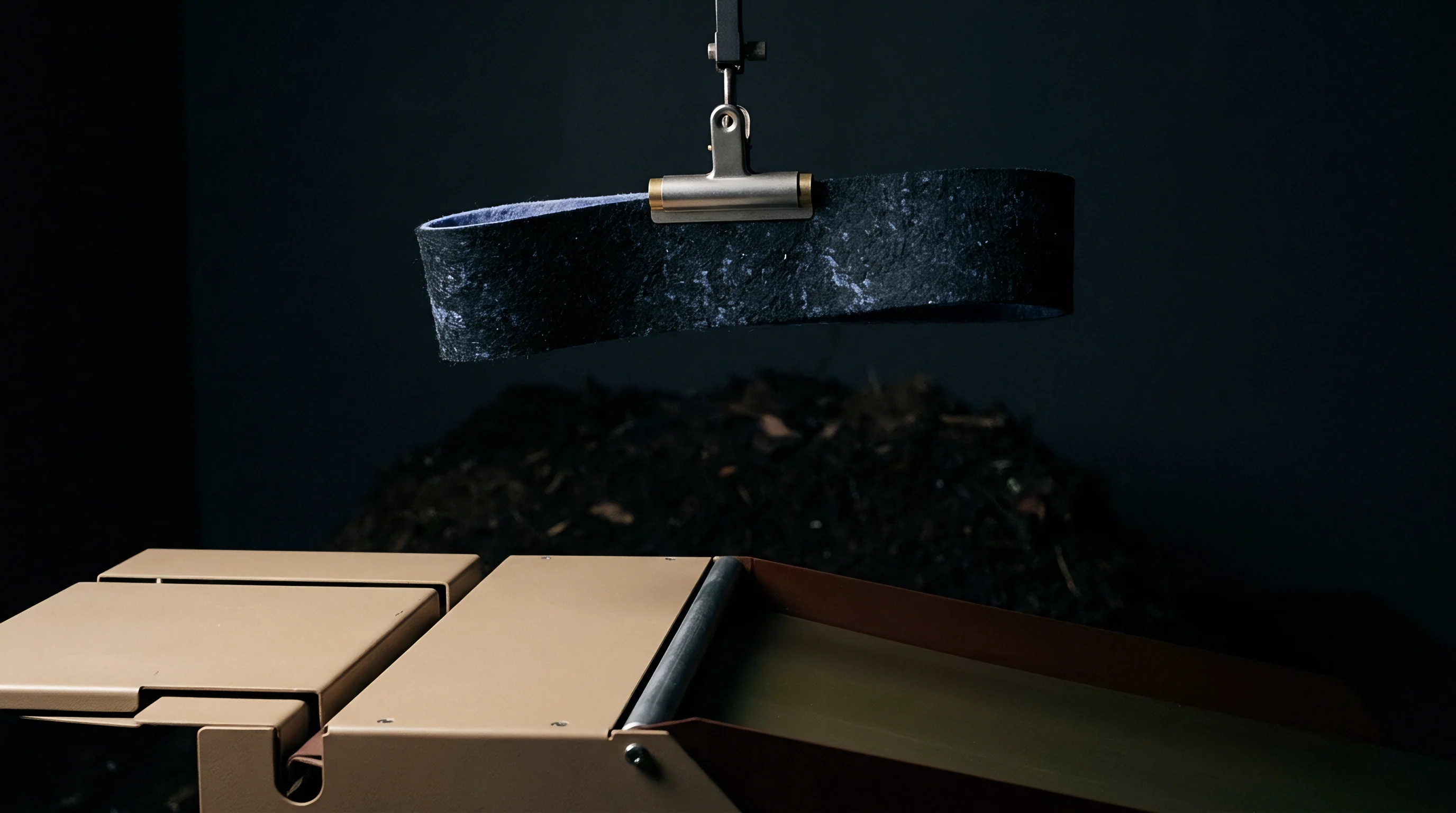
Repeated repulping shortens softwood fibers and stiffens cell walls through pore closure. These secondary fibers resist fibrillation during refining, reducing the surface area available for inter-ply bonding.
| Furnish Architecture | Spray Starch Type | Application Rate (g/m²) | Dynamic Scott Bond (J/m²) | High-Rate Shear Plane Location |
|---|---|---|---|---|
| White Lined Chipboard (WLC) | Cationic Potato (DS 0.04) | 1.2 | 115 | Starch Boundary Interface |
| White Lined Chipboard (WLC) | Cationic Potato (DS 0.04) | 2.8 | 185 | Recycled Middle Layer Core |
| Folding Boxboard (FBB Recycled) | Amphoteric Corn | 2.0 | 160 | Mechanical Pulp Layer Boundary |
| Folding Boxboard (FBB Recycled) | Amphoteric Corn | 3.5 | 225 | Uniform Bulk Failure |
| Coated Recycled Board (CRB) | Unmodified Wheat | 2.5 | 105 | Un-gelatinized Starch Zone |
| Testing performed at 23 °C, 50% Relative Humidity. Dynamic Scott Bond measured using 0.5 ft-lb pendulum hammer impact per TAPPI T 569 standards. | ||||
Hornified secondary fibers resist hydration during repulping.
Accumulated short fibers decrease total available bond area.
Evaluating inter-ply integrity on incoming board shipments follows a standardized laboratory sequence.
- Condition test sheets per ISO 187 parameters for at least twenty-four hours in a controlled environment.
- Clamp board samples into the dynamic shear apparatus at thirty bars clamping pressure to establish uniform contact without crushing bulk volume.
- Apply impact shear force at fifty reciprocal seconds, recording peak force and dynamic deformation distance.
- Inspect fractured surfaces under optical magnification to determine whether failure occurred across starch boundaries or within fiber walls.
Winding reel tension further alters internal inter-ply stresses.
Including ISO 1924 dynamic energy absorption thresholds in procurement contracts holds mills accountable when inter-ply bonding falls short of performance specifications.


Tooling
Converting dies and creasing matrix channels dictate shear deformation geometry during carton converting. Proper tool alignment induces controlled micro-delamination along score lines, allowing clean 180-degree folds without cracking the outer liner. Poor die setup causes destructive shear that degrades box compression strength.
Matrix Creasing Geometry and Male Penetration Depth
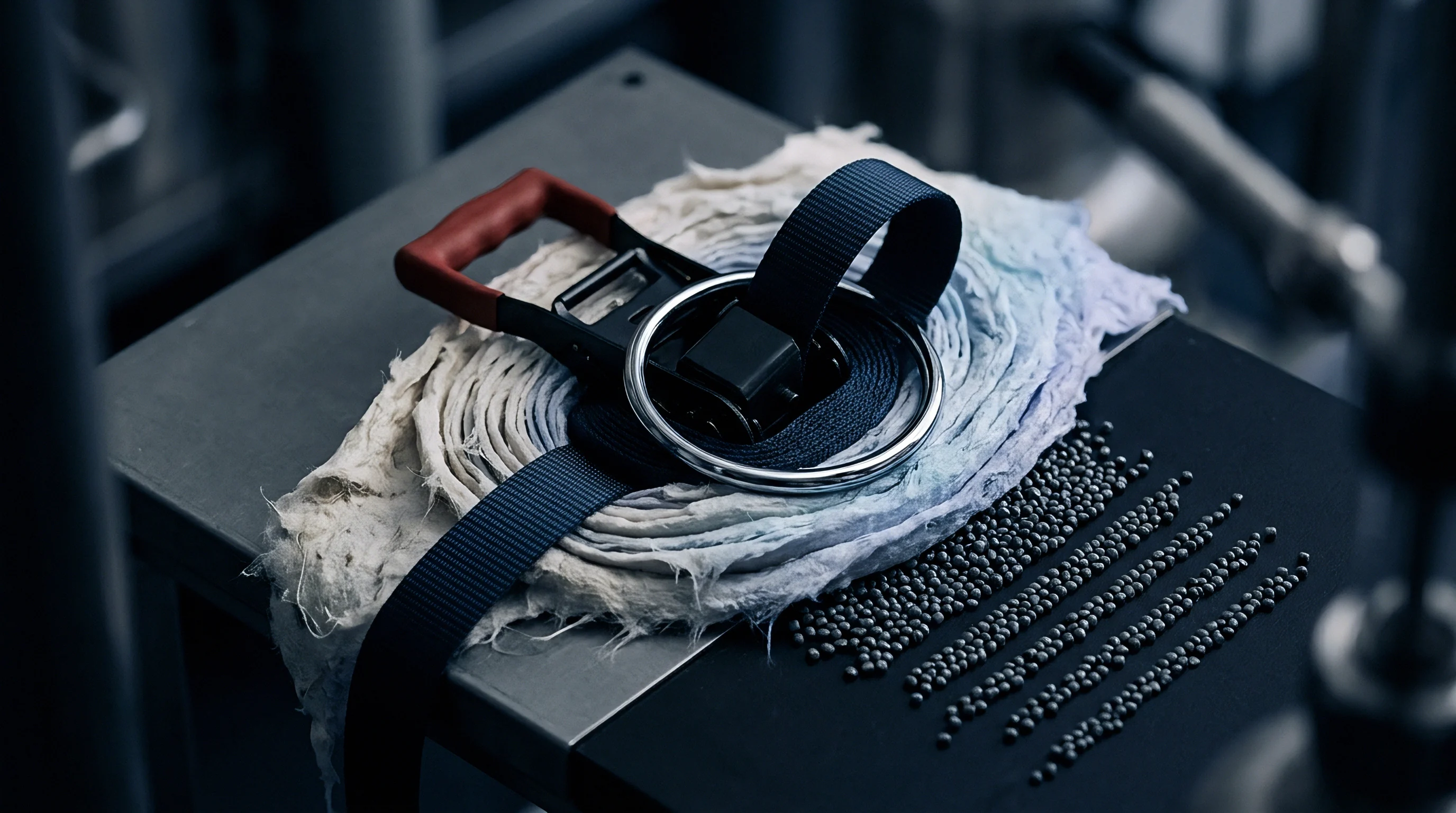
Creasing rules press board into matrix channels to create controlled micro-cracks along score lines. Rule width must match board caliper, and channel depth sets male rule penetration. As the rule forces fibers into the channel, the core plies undergo severe shear parallel to the sheet surface.
Score penetration depth directly dictates folding torque requirements.
Precise matrix alignment prevents top liner cracking during folding.
Correct creasing depth prevents outer surface line cracking.
Recycled board requires wider matrix channels than virgin board of the same caliper. Short, hornified fibers have less elastic shear capacity, requiring larger bending radii inside matrix grooves to prevent surface cracking.
Folder-Gluer Strain Rates and Box Performance
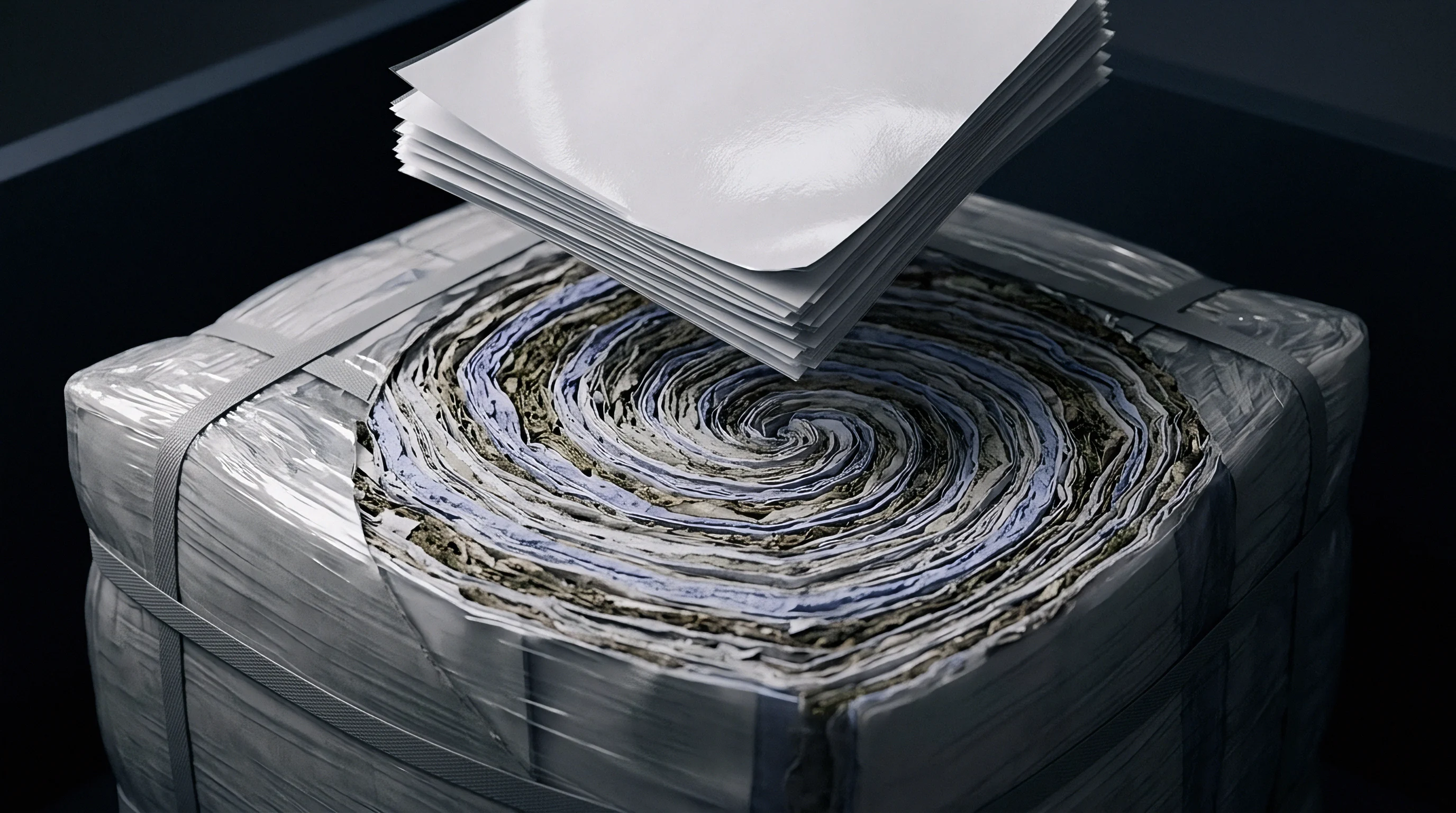
High-speed folder-gluers fold board blanks at angular velocities exceeding eight hundred degrees per second. This rapid folding generates intense dynamic shear along pre-creased score lines. Without sufficient internal micro-delamination planes, folding torque spikes and tears the outer top liner fibers.
- Channel width calibration accounts for board caliper plus rule thickness, creating symmetric shear planes across middle plies.
- Creasing rule thickness selection controls localized displacement, keeping shear forces from severing surface fibers.
- Rubbering shore hardness regulates board ejection and stabilizes the sheet surface during rule penetration.
- Anvil penetration setting prevents outer skin crushing while promoting controlled inter-ply separation in recycled core layers.
A score line that fractures along the outer print surface indicates insufficient internal shear plane formation within middle plies.
Dynamic shear forces consistently exceed static engineering estimates.
Matching channel width to board caliper plus rule thickness allows internal plies to shear cleanly without fracturing outer liner fibers.

Allowance
Commercial board specifications balance material cost against downtime risk. While papermakers often maximize recycled fiber content to reduce furnish costs, lower dynamic shear resistance shifts operational risk to converting plants. Packaging engineers must therefore evaluate board costs against converting yield.
Cost Implications of Ply Shear Failure
Carton spoilage during converting directly lowers net yield per landed metric tonne. When inter-ply shear strength falls below folder-gluer requirements, line jams increase sharply. These stoppages waste printed blanks, damage equipment, and accumulate labor downtime costs.
Mill target tolerances frequently drift across production rolls.
Delivered board stock requires systematic incoming quality validation.

Worked Economic Analysis of Grade Selection
Evaluating a 100-tonne order of 350 grams per square meter board illustrates the economic impact of dynamic ply strength. Standard recycled board costs 850 EUR per tonne landed and incurs a 12 percent scrap rate on 450 meter-per-minute converting lines due to score splitting and delamination. Running forty hours of production under these conditions creates 10,000 EUR in downtime costs at 250 EUR per hour, alongside 10,200 EUR in scrapped board stock, for 20,200 EUR in total waste penalties.
Upgrading to an enhanced recycled board grade with higher cationic starch loading increases the landed price to 910 EUR per tonne (a 6,000 EUR premium on a 100-tonne order). However, scrap rates drop from 12 percent to 2.5 percent, lowering material waste to 2,275 EUR and reducing downtime to five hours (1,250 EUR). Total waste penalties drop to 3,525 EUR.
Subtracting the 6,000 EUR grade premium and 3,525 EUR waste penalty from the original 20,200 EUR penalty yields a net saving of 10,675 EUR per 100 tonnes, or 106.75 EUR per landed tonne.
| Grade Classification | Recycled Content (%) | Dynamic Scott Bond (J/m²) | High-Speed Creasing Waste (%) | Landed Price (EUR/tonne) |
|---|---|---|---|---|
| Standard Coated Recycled Board (CRB) | 100 | 110 | 12.0 | 850 |
| High-Performance CRB (Starch Enhanced) | 100 | 195 | 2.5 | 910 |
| Recycled Folding Boxboard (FBB) | 60 | 220 | 1.2 | 1,080 |
| Virgin Coated Kraft (VCK) | 0 | 280 | 0.4 | 1,350 |
Landed tonnage pricing must be evaluated against projected converting yield losses.
Contractual clauses specifying minimum dynamic shear strength of 180 Joules per square meter protect buyers from paying full price for stock that fails on high-speed packaging lines.
Balancing starch treatment against material costs optimizes overall converting economics. Purchasing specs that include high-strain shear benchmarks help buyers secure reliable boxboard performance without overpaying for premium virgin grades.