Rotary Scoring Crease Quality Evaluation through Piezoelectric Acoustic Sensors
Inline piezoelectric acoustic sensors detect internal board ply fracture during rotary scoring, enabling real-time crease depth control and waste reduction.
Inline piezoelectric acoustic sensors detect internal board ply fracture during rotary scoring, enabling real-time crease depth control and waste reduction.

Calculate creasing matrix channel width using the formula W = T + (F × C), selecting factor F between 1.4 and 1.7 based on board grade and fiber stiffness.
Multilayer cartonboard requires grade-specific counter die channel width calculations combining rule thickness, moisture-adjusted caliper, and fiber-yield multipliers.
Sizing counter matrix channel width to 1.6 times board caliper plus rule thickness prevents clay coating cracking on recycled boxboard by enabling internal delamination.

Water-coated SBS board requires wider female creasing channels to offset aqueous polymer springback and prevent high-speed folder-gluer carton failures.
Optical penetration depth correction in continuous board web profilometry mathematically compensates for subsurface scattering to ensure true mechanical caliper.
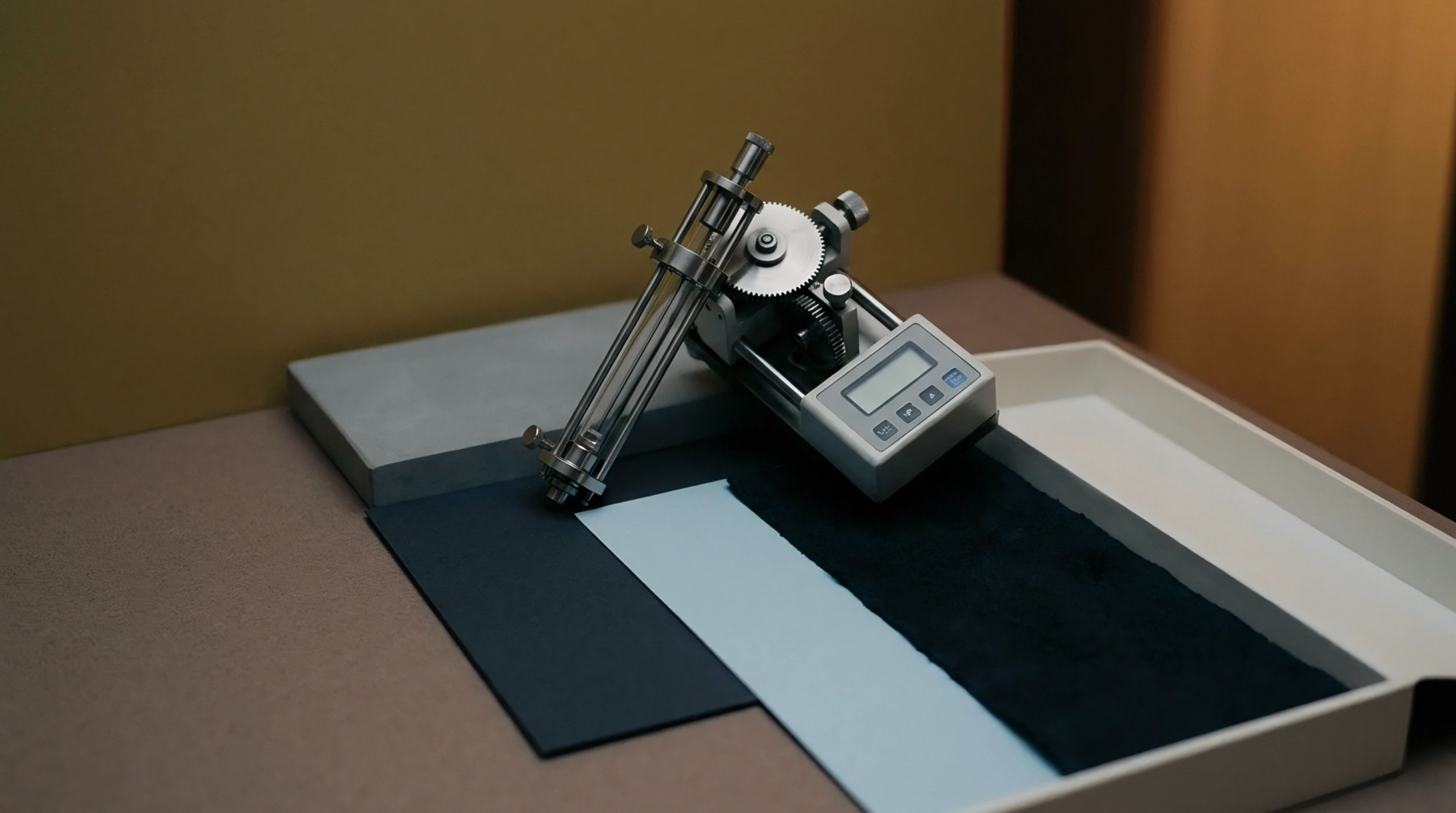
Calculate matrix channel width for co-extruded laminates using an expanded 1.65 to 1.85 board modifier plus rule gauge and double film thickness.

Dynamic viscoelastic springback coupled with orthotropic panel deflection governs cartoning line efficiency and side-wall structural limits under high speeds.
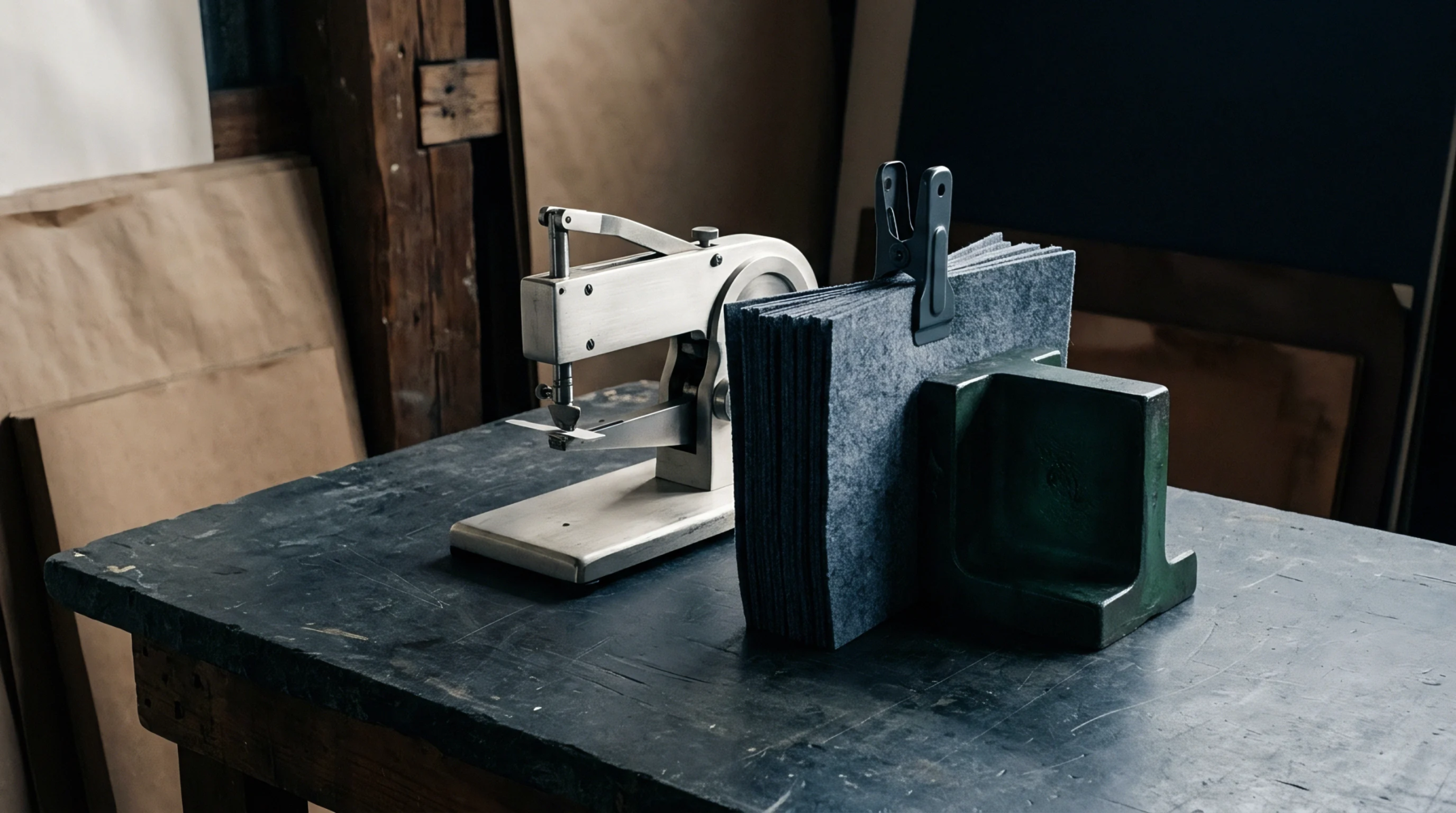
Determining matrix channel width requires adding steel rule thickness to board caliper multiplied by 1.5 for machine direction or 1.7 for cross direction scores.

Evaluating machine direction anisotropy and crease depth ratios in SBS board balances fold integrity against corner springback on high-speed cartoning lines.
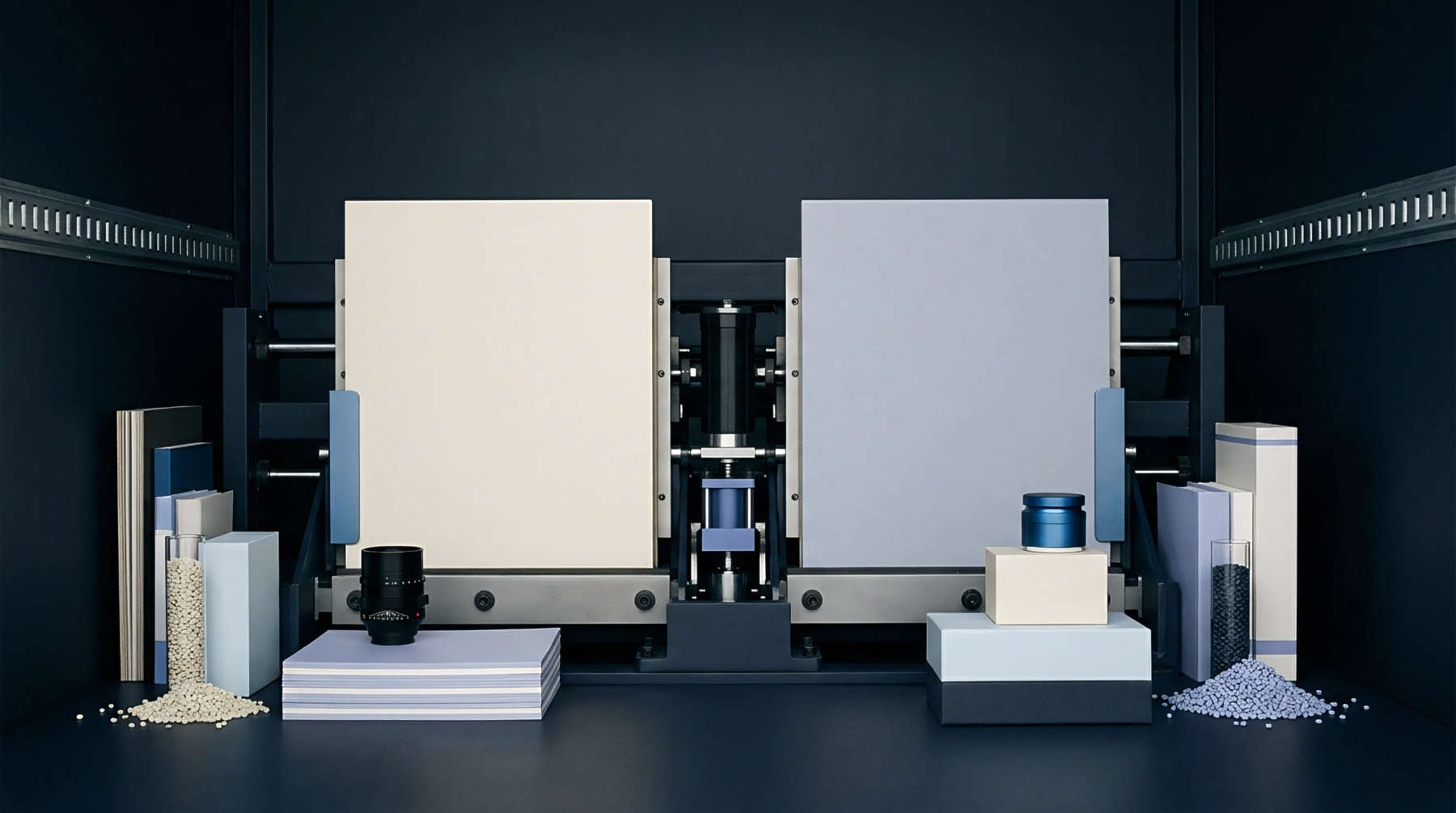
High strain shear during boxboard creasing causes polymer film micro fractures when local elongation exceeds film yield capacity along the outer bend radius.
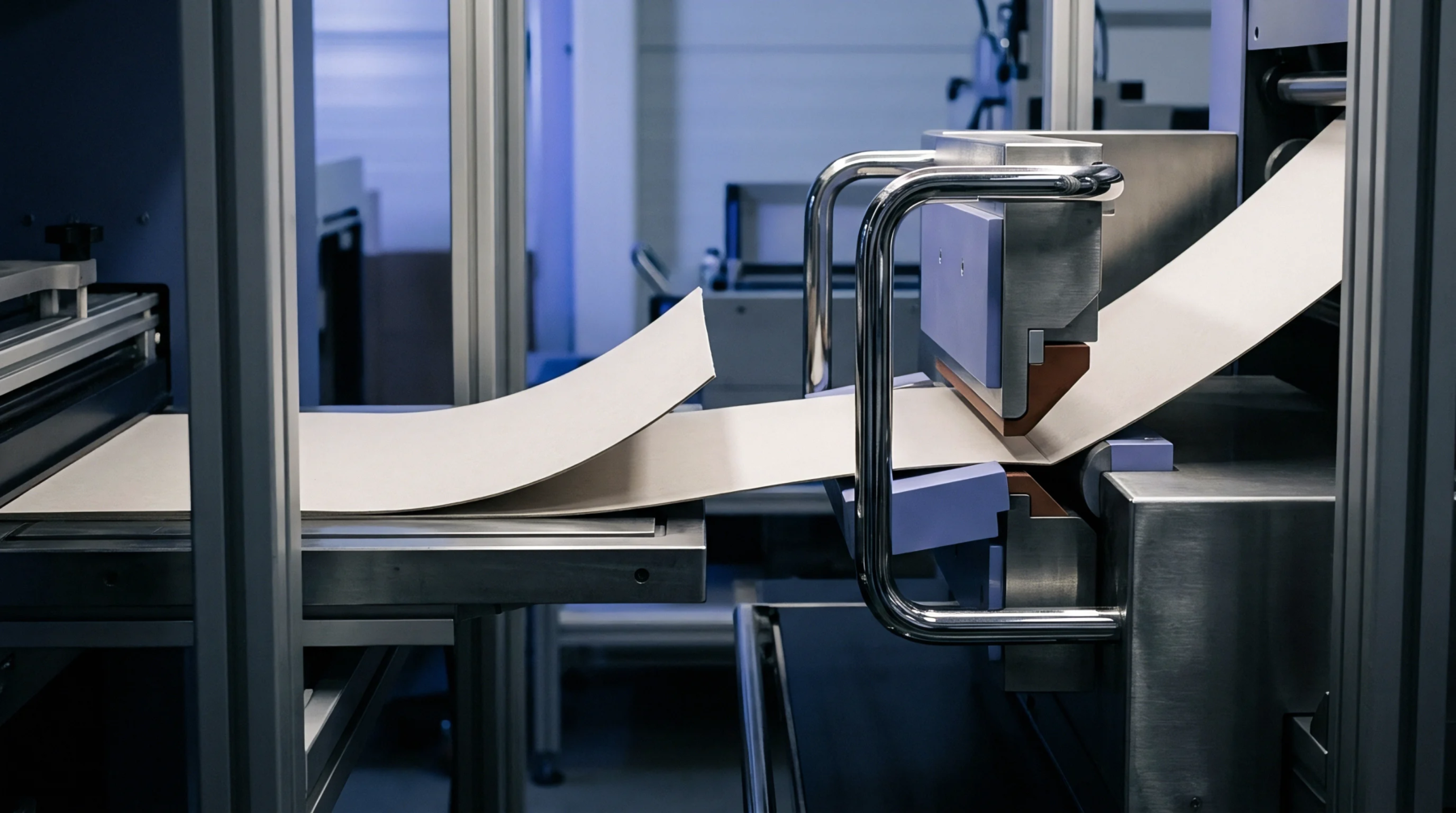
Inline decurling bar penetration forces mechanical yield in paper fibers while reverse dampening restores moisture loss to eliminate single-sided lamination curl.
Expertise is a utility, not a secret. sentiention™ publishes its working knowledge as open reference: intelligence layer covering the materials it sources, the markets it enters, and the reference that serves both.