Virgin and Recycled Fiber Ratio Auditing in Packaging Board Production
Paperboard fiber ratio auditing requires pairing ISO 9184 Graff C microscopic stain counts with EN 16995 chemical marker testing and mass-balance credit ledgers


Furnish
Paperboard substrates manufactured for industrial packaging rely on a combination of primary wood pulps and secondary recovered paper stock. Mill specifications detail the nominal recipe used on the paper machine, yet physical packaging deliveries frequently exhibit variation from listed ratios. Verifying whether a folding boxboard, solid bleached sulphate, or coated duplex grade contains the promised proportion of virgin chemical pulp, mechanical wood pulp, or post-consumer recycled fiber requires analyzing both biological structures and supply chain records.
Primary wood fibers retain intact cell wall morphology, predictable lumen diameters, and pristine softwood or hardwood tracheid structures. Secondary fibers show mechanical micro-fractures, delamination of the outer cell wall layers, collapsed lumens, and chemical residues from previous printing, deinking, and conversion cycles.
Paper mills select raw materials based on structural stiffness requirements, ply design, print surface smoothness, and regulatory compliance. Folding boxboard commonly utilizes bleached chemical pulp on the outer layers to provide an even printing surface, combined with a thick middle layer of mechanical pulp or recycled furnish to generate bulk and bending stiffness. Solid bleached board consists entirely of primary chemical pulps, providing maximum brightness, purity, and tensile performance for food and pharmaceutical applications.
White lined chipboard relies almost exclusively on recovered paper furnish, utilizing a thin top layer of bleached chemical pulp or high-grade white scrap over multiple layers of secondary gray furnish. The physical distribution of fiber types across these distinct board plies dictates how an auditor must sample and analyze the substrate.
Repeated recycling progressively damages cell wall architecture and fiber bonding capability.
Discrepancies between certified fiber ratios and physical sheet compositions arise from economic pressures, furnish availability, and mill accounting definitions. Primary virgin pulps command a premium price due to raw wood costs, energy-intensive chemical digestion, and washing requirements. Secondary recovered fibers cost significantly less per metric ton but introduce variability in yield, strength, and chemical cleanliness.
Mills running continuous paper machines alter furnish blends dynamically to maintain sheet grammage, caliper, and internal bond strength when incoming pulp quality fluctuates. An auditor verifying a 70 percent virgin chemical pulp claim must determine whether that percentage applies to the specific production run, an annual mass balance credit pool, or a weighted average across multiple paper machines.

Morphological Distinctions between Virgin and Recycled Stock
An anatomical evaluation of individual cell walls under light microscopy reveals structural alterations caused by successive refining and drying cycles. Primary virgin softwood fibers, derived from pine or spruce species, feature elongated tracheids with distinct bordered pits, uniform cell wall thickness, and open cylindrical lumens. Primary hardwood fibers, derived from eucalyptus, birch, or aspen, present shorter vessel elements and thick-walled fibers designed for density and smoothness.
When virgin pulps pass through initial paper machine drying sections, hornification occurs: the internal fibrils collapse irreversibly, reducing the swelling capacity of the cell wall during subsequent re-pulped slurries.
Chemical and mechanical pulping operations leave distinctive signatures in lumen geometry and surface fibrils.
Recovered fibers undergo multiple mechanical repulping, cleaning, and refining steps that strip away the outer cell wall layer. Microscopic inspection shows longitudinal splitting along the fiber axis, ragged or torn fiber ends, and extensive external fibrillation. Lumens in recycled softwood fibers appear flattened or ribbon-like, having lost their structural rigidity during previous pressing and calender nip passes.
Deinking processes leave microscopic ink particles embedded within the fiber network, visible even after aggressive industrial washing. Identifying these physical micro-structures enables laboratory technicians to quantify the ratio of primary to secondary pulp within an unknown paperboard sample.

Categorization Standards for Secondary Fiber Origins
International compliance frameworks establish strict boundary lines between pre-consumer manufacturing scrap and post-consumer recovered materials. According to ISO 14021 standards, pre-consumer secondary fiber encompasses scrap material generated during converting, printing, and packaging manufacturing processes that has been diverted from the waste stream. Examples include envelope trimmings, printing plant box cut-offs, unprinted board scrap, and slit rolls that never reached an end consumer.
FSC-STD-40-004 and PEFC ST 2002 chain of custody standards classify pre-consumer scrap as reclaimed material, but restrict its use in specific recycled percentage calculations depending on the exact supply chain model deployed.
Post-consumer recovered fiber originates from finished paper products that have served their intended end-use with business or household consumers. This includes used corrugated boxes, discarded folding cartons, mixed office papers, and post-consumer newsprint collected via municipal recycling programs. Post-consumer furnish carries a higher risk of chemical contamination, including mineral oil hydrocarbons from offset printing inks, photoinitiators from ultraviolet curing coatings, bisphenols from thermal receipts, and organochlorine residues.
Verification protocols require proof that claimed post-consumer content traces back to documented post-consumer collection sources rather than internal mill broke or converting plant scrap.
Solid bleached sulphate board derived entirely from primary chemical pulp exhibits a uniform lumen morphology without the cell wall collapse characteristic of recycled furnish.
Paper mills often claim that pre-consumer mill broke generated within their own paper machine loop constitutes recycled content. Certification standards explicitly exclude mill broke: off-specification paper, edge trim, and reel scrap generated within the same paper mill machine circuit and re-fed directly into the pulping pulper represent reprocessed virgin material rather than secondary recovered fiber. Auditors inspect mill batch records to verify that broke returns are excluded from secondary fiber input accounts.
A mill that includes internal broke as recycled furnish artificially inflates its recycled percentage declarations, creating serious compliance liabilities for downstream packaging buyers who print these claims on consumer packs.
Regional sourcing patterns and wood species mix vary significantly across individual mills.
A chain of custody mass balance credit account can formally certify a seventy percent post-consumer recycled fiber claim on carton packaging while the delivered board physically carries only forty percent recovered fiber, balancing the difference against surplus credits from an adjacent line.


Microscopy
Quantitative laboratory assessment of paperboard compositions depends on specialized chemical staining coupled with optical counting techniques. ISO 9184 standards define the reference method for fiber species and pulping process identification within paper and board products. A trained technician defibers a paperboard sample, prepares a uniform fiber slurry on a glass slide, and applies diagnostic stain reagents that react selectively with lignin, hemicellulose, and alpha-cellulose constituents.
Light microscopy under brightfield and polarized illumination allows the operator to count individual fiber types, categorize them by pulping mechanism, and calculate mass percentages using standardized weight factors.
Fiber counts derived from microscopic slides require applying species-specific mass weight factors to convert numerical counts into accurate mass proportions. A softwood tracheid possesses significantly greater mass per unit length than a hardwood fiber or a mechanical pulp particle. ISO 9184-1 provides standardized weight factors: unbleached softwood chemical pulp carries a weight factor of 1.0, while bleached hardwood kraft carries a factor of 0.60, and groundwood mechanical pulp carries a factor of 1.30.
Failing to apply correct weight factors skews the calculated mass ratio, leading to inaccurate audit conclusions regarding virgin and recycled fiber contents.
Standard laboratory fiber analyses must define clear confidence intervals to account for sampling variance.
Improper slide preparation frequently introduces substantial discrepancies between reported fiber ratios and actual furnish receipts. Technicians must maintain even fiber dispersion across the counting field, evaluating at least six hundred individual fiber intersections across multiple slides to achieve statistically valid results. High-resolution automated optical analyzers with dedicated image processing now supplement manual microscopy by rapidly logging fiber length distributions, cell wall thickness, coarseness, and kink angles across thousands of individual fibers.

Staining Procedures for Fiber Ratio Quantification
Reagent reactions with plant cell wall constituents produce distinct coloration patterns under polarized illumination. The Graff “C” stain, prepared from aluminum chloride, calcium chloride, zinc chloride, iodine, and potassium iodide, serves as the primary diagnostic stain for paper furnish analysis under ISO 9184-4. When applied to a defibered paper sample, Graff “C” stain produces magenta or pink shades on fully bleached chemical pulps, yellow shades on mechanical and high-lignin pulps, and blue or blue-violet shades on semi-chemical and unbleached pulps.
This color differentiation allows technicians to distinguish between virgin bleached hardwood kraft, virgin unbleached softwood kraft, and mechanical wood pulp components.
An ISO 9184-4 fiber count yields a 95% confidence interval of +/- 5% when evaluating bleached softwood kraft against deinked post-consumer furnish under standardized Graff C staining.
Herzberg stain, formulated from zinc chloride, iodine, and water, provides secondary verification under ISO 9184-3. Herzberg stain reacts strongly with pure cellulose, turning chemical wood pulps dark blue-violet, while groundwood and mechanical pulps stain yellow due to high lignin concentration. Lofton-Merritt stain differentiates unbleached sulphate kraft pulps from unbleached sulphite pulps, staining kraft fibers green and sulphite fibers red or purple.
Combining these chemical staining techniques allows an analytical laboratory to deconstruct complex multi-ply packaging board structures, identifying the pulp manufacturing processes used to produce each individual layer.
| Reagent or Method | Target Pulp Constituent | Visual Reaction or Metric | Measurement Accuracy | Standard Protocol |
|---|---|---|---|---|
| Graff “C” Stain | Lignin and alpha-cellulose contrast | Pink for bleached kraft, yellow for mechanical | +/- 5% mass fraction | ISO 9184-4 |
| Herzberg Stain | High-density cellulose vs lignin | Blue-violet for chemical, yellow for mechanical | +/- 7% mass fraction | ISO 9184-3 |
| Lofton-Merritt Stain | Unbleached sulphate vs sulphite | Green for kraft, red-purple for sulphite | +/- 6% mass fraction | ISO 9184-5 |
| Automated Optical FQA | Morphological length, width, kink | Dimensional distribution histograms | +/- 2% dimensional | TAPPI T 271 |
| Klason Lignin Assay | Acid-insoluble lignin mass | Gravimetric residue weight percentage | +/- 0.3% absolute lignin | ISO 1762 / TAPPI T 222 |

Automated Optical Analysis and Lignin Indicators
High-resolution digital imaging systems process thousands of individual elements per minute to measure morphological distributions. Automated Fiber Quality Analyzers (FQA) measure fiber length, width, curl index, coarseness, and fines content by passing a diluted fiber suspension through a narrow optical flow cell. Primary virgin softwoods exhibit mean fiber lengths between 2.0 and 3.5 millimeters, whereas secondary recovered stocks show reduced mean lengths between 0.8 and 1.8 millimeters due to mechanical cutting and breakage during repulping.
A shift in the fiber length distribution curve toward shorter fractions directly correlates with an increased proportion of recycled fiber input.
Chemical markers provide parallel verification of fiber history. Lignin content determination via Klason lignin testing (ISO 1762) or Kappa number titration (ISO 302) quantifies residual lignin within the board structure. Bleached virgin sulphate pulps contain negligible residual lignin, yielding Kappa numbers below 5.
Unbleached virgin kraft linerboard exhibits Kappa numbers between 60 and 100. Recycled board stocks manufactured from mixed recovered paper present variable Kappa numbers reflecting their heterogeneous raw material origin. Measuring ash content at 525 degrees Celsius (ISO 1765) and 900 degrees Celsius identifies inorganic fillers such as calcium carbonate, kaolin clay, and titanium dioxide.
High mineral ash content exceeding 10 percent in an uncoated inner ply strongly indicates secondary recycled paper furnish containing residual deinking sludge or mineral pigments.
Analytical laboratories evaluate fiber ratio calculations by combining microscopic slide counts with chemical ash and lignin measurements. A sample prepared from a three-ply folding boxboard top layer yields the following raw optical count data under Graff “C” stain: 420 bleached hardwood kraft fibers, 180 bleached softwood kraft fibers, and 50 recycled mechanical pulp fragments. Applying ISO 9184-1 weight factors (0.60 for hardwood, 1.00 for softwood, 1.30 for mechanical) transforms the raw counts into corrected mass units: hardwood contributes 252 mass units, softwood contributes 180 mass units, and mechanical contributes 65 mass units, totaling 497 corrected mass units.
The calculated mass percentage equals 50.7 percent virgin hardwood chemical pulp, 36.2 percent virgin softwood chemical pulp, and 13.1 percent mechanical recycled pulp. Converting these numbers into a compliance report requires stating the statistical tolerance bounds, as sample heterogeneity and staining operator variation introduce a standard error of approximately plus or minus 5 percent.
Automated optical analyzers cannot always distinguish hornified virgin chemical fibers from lightly refined secondary fibers in unbleached packaging grades.

Ledger
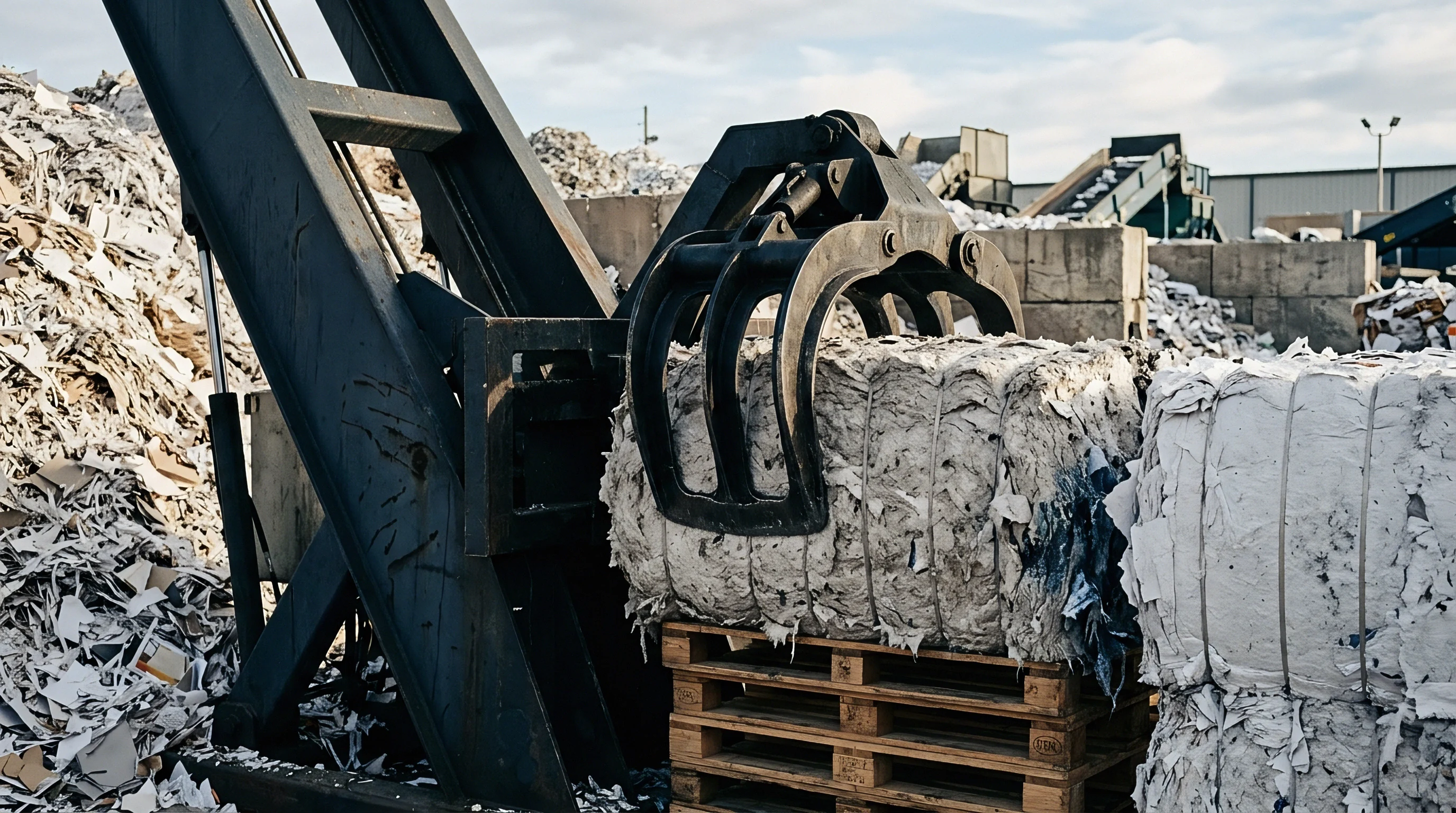
Chain of custody accounting mechanisms track material volumes from primary forest harvesting and recovery facilities down to finished paperboard rolls. Certification schemes including FSC, PEFC, and SFI govern how paper mills account for virgin certified, virgin uncertified, pre-consumer recycled, and post-consumer recycled inputs. An auditor evaluating a paper mill’s fiber ratio claim must inspect physical ledger entries, material receipt invoices, pulping batch logs, and sales shipping manifests.
Discrepancies often emerge between physical furnish loaded into the pulper pulpers and theoretical credit balances maintained in the mill ledger software.
Mass balance bookkeeping allows mills to allocate certified material credits across diverse production lines.
Reconciling raw woodpulp receipts against shipping manifests at multi-ply packaging mills can expose notable gaps, such as a 4.2 percent credit deficit over a twelve-month production run. Operating under credit accounting, mills accumulate claims whenever certified virgin pulp or post-consumer paper enters the site. These credits sit in virtual ledgers, letting the mill sell finished board with matching certification claims up to that balance.
This arrangement gives the machine operators flexibility since they do not have to segregate certified fibers physically during each run, though it means board invoiced with a 100 percent recycled credit claim may physically contain a completely different fiber mix.
Mass Balance Accounting Models across Mill Systems
Certification schemes allow paperboard mills to select between transfer, percentage, and credit accounting structures based on production site capabilities. The transfer system represents the most rigid chain of custody model: the finished paperboard carries the exact claim of the lowest-ranked raw material input used in the production batch. If a mill combines 80 percent FSC-certified virgin pulp with 20 percent uncertified secondary fiber, the entire batch downgrades to uncertified status under the transfer system.
This model requires physical batch segregation and direct material tracking throughout pulping, papermaking, and slitting operations.
Percentage accounting allows mills to blend certified virgin and recycled inputs, selling the resulting paperboard with a percentage claim reflecting the exact input ratio of that specific production run. FSC-STD-40-004 requires a minimum threshold of 70 percent certified virgin or post-consumer recycled input before a product can carry the FSC Mix or FSC Recycled logo on-pack. If a board machine run uses 60 percent certified post-consumer fiber and 40 percent uncertified virgin fiber, the mill cannot print the certification mark on the packaging board, though they can issue an invoice stating the exact 60 percent claim line.
Under FSC-STD-40-004 Clause 8.3, credit accounts expire after twelve rolling accounting periods if material claims remain unclaimed against input balances.
Credit accounting allows paper mills to pool eligible certified virgin pulps or post-consumer recycled inputs into a centralized ledger balance. The mill converts these credit units into certified product claims, selling a portion of their total production volume with a 100 percent certified or recycled claim while selling the remaining volume without any certification claim. The credit system relies on strict physical conversion factors: the mill must establish precise yield equations that account for moisture content, pulping sludge losses, screen rejects, and converting trim scrap to prevent generating inflated credit balances.
How Do Fiber Yield Losses Distort Credit Accounts?
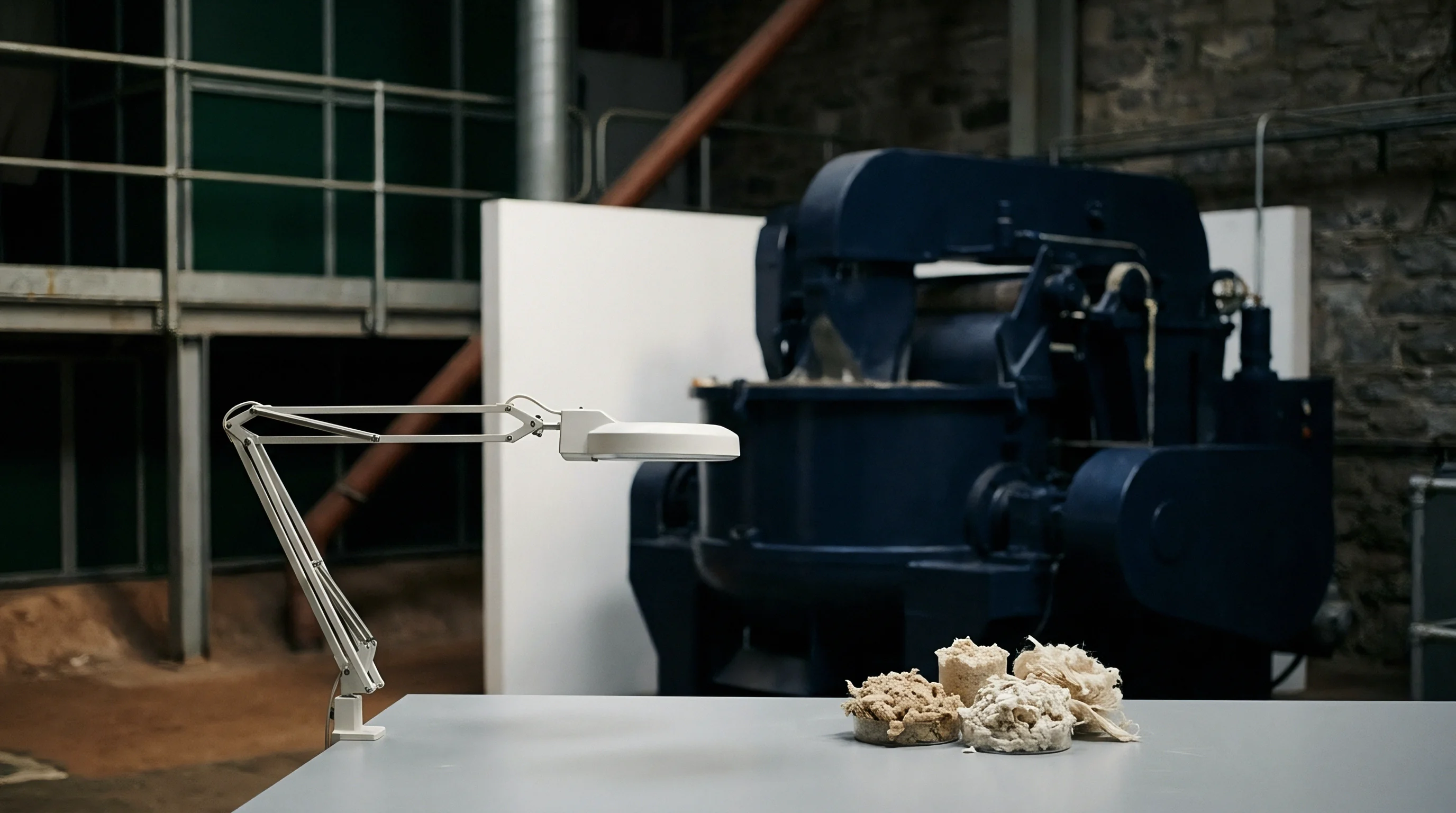
Raw pulp entering a pulping vats suffers physical mass reduction through cleaning, screening, bleaching, and effluent discharge prior to sheet formation. Primary virgin chemical pulps exhibit high yields between 90 and 97 percent during repulping and sheet formation. Secondary recovered paper furnish incurs significant material losses during processing: deinking, centrifugal screening, and sludge separation remove clays, inks, adhesives, and short fines, resulting in yield factors ranging from 65 to 85 percent depending on raw material grade.
An auditor inspecting a credit ledger must verify that yield factors accurately reflect physical process losses.
Accurate accounting requires regular recalibration of yield loss factors across each processing stage.
If a mill enters 1,000 metric tons of recovered post-consumer paper into its credit ledger but fails to apply an 80 percent processing yield factor, the accounting ledger overstates available recycled credits by 200 metric tons. Downstream customers purchasing board against these inflated credit balances receive product supported by non-existent material claims. Reconciling credit balances requires reviewing annual mass balance summary reports, verifying that credit additions equal certified input volumes multiplied by verified process conversion factors.
| Process Stage | Furnish Type | Input Weight (BDMT) | Process Yield (%) | Net Output (BDMT) | Accounting Loss Category |
|---|---|---|---|---|---|
| Chemical Pulping & Washing | Virgin Softwood Kraft | 1,000 | 95.5% | 955 | Dissolved hemicellulose & fines |
| Deinking & Coarse Screening | Post-Consumer News/Boxes | 1,000 | 72.0% | 720 | Inks, fillers, contraries, sludge |
| Mechanical Repulping | Pre-Consumer Envelope Scrap | 1,000 | 91.0% | 910 | Screen rejects and short fibers |
| Board Machine Web Forming | Mixed Multi-Ply Slurry | 1,000 | 98.2% | 982 | White water solids discharge |
| Slitting & Rewinding Trim | Finished Parent Rolls | 1,000 | 94.5% | 945 | Edge trim broke return to pulper |
Auditing mill credit ledgers requires a structured evaluation of documentation at every stage of the supply chain. Auditors verify physical receipts, pulping logs, conversion calculations, and sales invoices to ensure complete compliance.
- Supplier Delivery Documentation verifies that incoming bill of lading documents match certified credit claims, confirm valid certificate numbers, check scope codes, and record bone-dry mass figures.
- Raw Material Receipt Ledger logs incoming pulp bales and recovered paper loads into the mill inventory system, recording moisture content, batch numbers, and exact storage location assignments.
- Pulping Vat Feed Records documents exact raw material weights charged into pulping vats per shift, tracking primary pulps, secondary fibers, broke additions, and moisture adjustments.
- Yield Factor Calibration Certificates proves annual empirical testing of processing yield factors across cleaning, screening, deinking, and web-forming machine circuits.
- Credit Account Balancing Register demonstrates monthly reconciliation of accumulated claims, applying process yield deductions, tracking rolling twelve-month credit expirations, and capping total output allocations.
- Sales Invoice and Delivery Notes verifies that outgoing delivery notes carry compliant chain of custody claims, correct certificate registration codes, and precise volume statements.
High internal scrap rates and converting losses directly affect net credit accruals.
FSC-STD-40-004 Clause 5.2 states that credit account entries must be updated at least monthly, and total claims issued from a credit account must never exceed total accumulated credits calculated using verified conversion factors over any rolling twelve-month period.


Contaminants
Secondary paper furnish contains residual chemical compounds derived from printing inks, adhesives, barrier coatings, and industrial processing aids. Chemical markers serve as proxy indicators for verifying the presence and estimating the proportion of post-consumer recycled content in paperboard packaging. Primary virgin wood pulp contains natural extractives such as resin acids, fatty acids, sterols, and terpenes, but lacks synthetic organic compounds associated with packaging conversion and consumer usage.
Identifying specific synthetic chemical contaminants confirms that a paperboard sheet includes secondary recovered paper, even if microscopic fiber counting yields ambiguous structural results.
Laboratories benchmark chemical marker extraction profiles against virgin pulp baselines before certifying recycled content claims. Mineral Oil Hydrocarbons (MOH) remain the most dependable indicator of recovered furnish. Both saturated (MOSH) and aromatic (MOAH) fractions stem from offset printing inks historically used in newsprint and commercial print runs.
During repulping, these non-volatile hydrocarbons bind tightly to cellulose fibers, persisting through washing, flotation, and thermal drying. Testing via gas chromatography with flame ionization detection (GC-FID) under EN 16995 quantifies MOSH and MOAH concentrations in finished board.
Specific mineral oil hydrocarbon fractions pinpoint the presence of recovered post-consumer papers.
Solid bleached sulphate board manufactured strictly from virgin chemical pulps shows MOSH/MOAH concentrations below 2 milligrams per kilogram of dry board. Coated duplex boards and white lined chipboards manufactured from post-consumer recovered paper exhibit MOSH levels ranging from 50 to 500 milligrams per kilogram and MOAH levels between 10 and 100 milligrams per kilogram. Evaluating these hydrocarbon profiles allows analytical laboratories to detect recycled fiber additions in paperboard grades declared as 100 percent virgin furnish.

Chemical Proxies and Hydrocarbon Extraction Profiles
Gas chromatography combined with mass spectrometry identifies volatile organic compounds and saturated hydrocarbon fractions inherent to printed recovered papers. Diisopropylnaphthalene (DIPN) serves as another marker for recycled content. DIPN served for decades as a solvent in carbonless copy paper microcapsules.
Due to extensive recycling loops, DIPN permeates secondary paper furnish. Virgin chemical wood pulps contain zero DIPN. Detecting DIPN at concentrations above 0.5 milligrams per kilogram provides clear proof that the furnish incorporates secondary recovered fibers.
Mineral oil saturated hydrocarbon fractions accumulating in unbacked paperboard layers reliably indicate the presence of post-consumer recovered paper furnish.
Photoinitiators used in ultraviolet-curable inks and coatings provide additional marker profiles. Benzophenone, 4-methylbenzophenone, 2-isopropylthioxanthone (ITX), and ethyl-4-dimethylaminobenzoate migrate into recovered pulp during repulping of UV-printed packaging scrap. High-performance liquid chromatography tandem mass spectrometry (HPLC-MS/MS) measures photoinitiator residues down to parts-per-billion detection limits.
Finding multiple photoinitiator compounds within the internal plies of a paperboard substrate confirms the presence of post-consumer packaging or commercial print scrap within the furnish blend.
| Chemical Marker Class | Analytical Test Method | Virgin Pulp Baseline | Recycled Content Threshold | Primary Source Origin |
|---|---|---|---|---|
| MOSH (C10 to C35) | EN 16995 GC-FID | < 2.0 mg/kg | > 25.0 mg/kg | Offset newsprint printing inks |
| MOAH (C10 to C35) | EN 16995 GC-FID | < 0.5 mg/kg | > 5.0 mg/kg | Mineral oil based varnish vehicles |
| DIPN (Isomers) | DIN 54603 GC-MS | < 0.1 mg/kg | > 0.5 mg/kg | Carbonless copy paper solvent residues |
| Benzophenone | EN 15586 LC-MS/MS | < 0.05 mg/kg | > 0.20 mg/kg | UV-curable printing ink photoinitiators |
| Bisphenol A / S | EN 17163 LC-MS/MS | < 0.10 mg/kg | > 1.00 mg/kg | Thermal receipt paper recycling inputs |

Residual Additives and Mechanical Contrary Counts
Physical impurities such as polyolefin films, hot-melt adhesives, and unpulped flakes disrupt sheet uniformity and signal recovered furnish usage. Mechanical contraries, known in the paper industry as “stickies” and “shives,” originate from pressure-sensitive labels, bookbinding adhesives, laminated films, and coating binders present in recovered paper streams. Industrial pulp cleaning systems use fine slotted screens (0.10 to 0.15 millimeter slot widths) and reverse hydrocyclones to remove contraries, but micro-stickies smaller than 100 micrometers remain in the stock slurry.
Quantifying stickies involves macro-sticky screening per TAPPI T 277 or micro-sticky extraction using solvent extraction followed by total organic carbon analysis. Virgin pulps exhibit zero sticky counts. Secondary recovered furnish consistently contains measurable macro-sticky areas exceeding 50 square millimeters per kilogram of dry pulp.
Wet-strength resin residues, specifically polyamide-epichlorohydrin (PAE) resins used in liquid packaging board and paper towels, represent another chemical marker. PAE resins contain organochlorine species including 1,3-dichloro-2-propanol (1,3-DCP) and 3-monochloro-1,2-propanediol (3-MCPD). Detecting PAE residues in unbacked packaging board confirms the inclusion of wet-strength secondary papers.
Audit discrepancies emerge when mills mix chemical markers across complex supply chain loops, creating verification challenges for quality control teams.
- False Virgin Positives occur when virgin pulp bales absorb volatile hydrocarbons from contaminated warehouse air or wooden shipping pallets during long-distance transit.
- Cross Contamination in Broke Systems arises when paper machines alternating between virgin and recycled runs share internal white water clarification loops and pulping tanks without cleanouts.
- Deinking Removal Masking occurs when advanced multi-stage flotation deinking processes reduce mineral oil concentrations below analytical detection thresholds while secondary fibers remain present.
- Barrier Layer Interferences occur when extruded polyolefin films or functional fluorocarbon-free coatings prevent extraction solvents from penetrating internal board plies during chemical testing.
Unbacked paperboard exhibiting elevated mineral oil hydrocarbon levels signals post-consumer recovered fiber input regardless of supplier percentage declarations.

Discrepancies
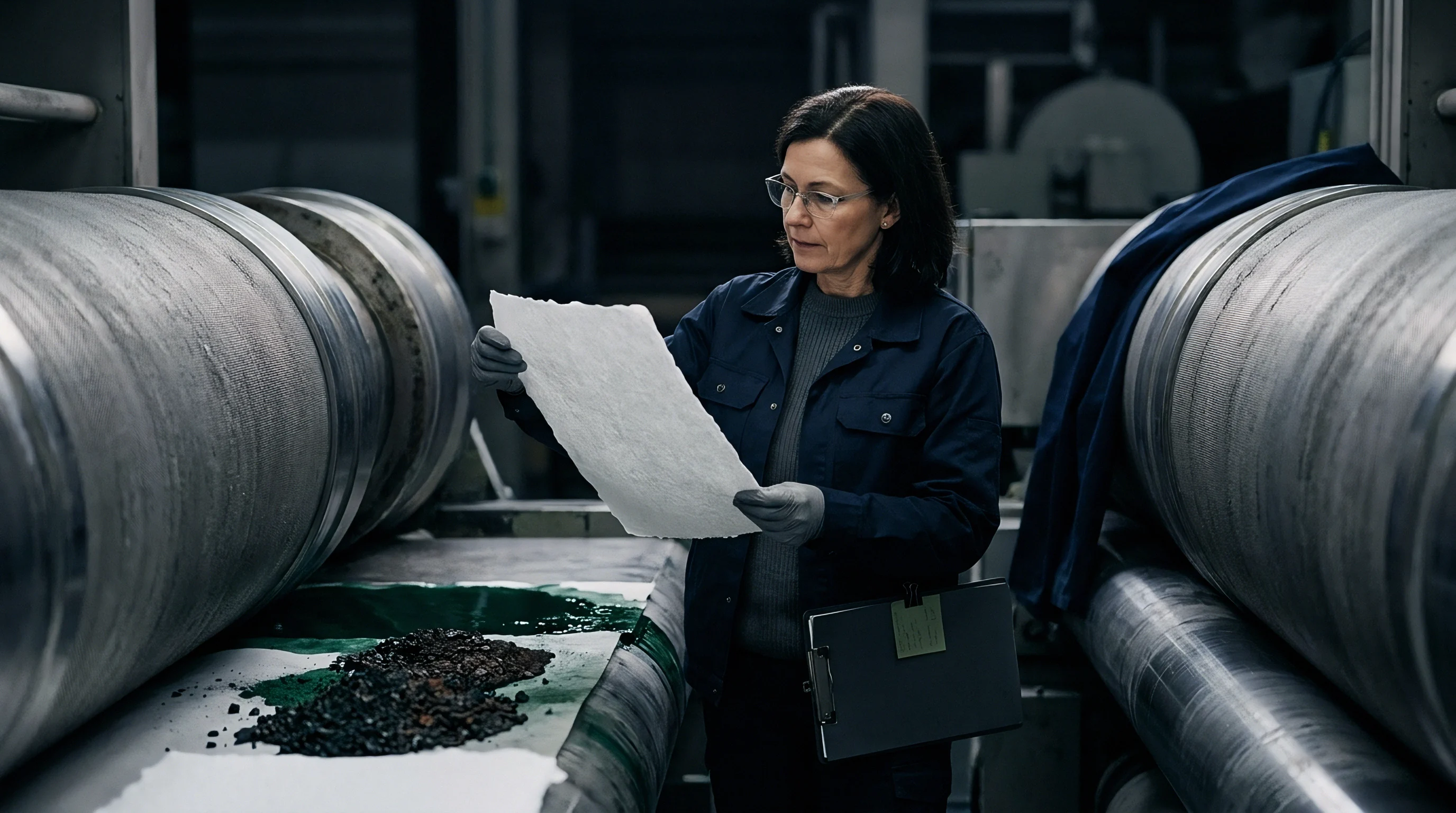
Variances between printed packaging claims and verified substrate composition create significant compliance exposure under environmental packaging legislation. Regulatory frameworks across Europe, North America, and Asia increasingly penalize misleading environmental claims, mislabeled recycled content claims, and fraudulent chain of custody declarations. Brand owners, packaging converters, and paper mills face legal liability, customs holds, eco-modulation financial penalties, and delisting by retail buyers when printed pack claims fail laboratory verification.
European Union packaging regulations, specifically the Packaging and Packaging Waste Regulation (PPWR), impose mandatory minimum post-consumer recycled content thresholds for plastic and paper packaging formats sold within member states. National Extended Producer Responsibility (EPR) schemes enforce eco-modulation fee structures: packaging utilizing verified post-consumer recycled fiber qualifies for reduced EPR fee rates, while packaging making unsupported claims faces fee surcharges and administrative fines. Customs authorities inspect import documentation, verifying that imported paperboard rolls and converted boxes match declared Harmonized System (HS) codes and certification claims.
Customs authorities routinely detain shipments when physical board compositions conflict with declaration documents.
Commercial buyers incorporate explicit mass-balance audit rights into purchase agreements to secure access to mill batch records. When specifying 100 percent virgin chemical pulp, the contract needs unambiguous testing standards, defined statistical tolerances, and explicit remedies. If independent laboratory testing identifies secondary fiber or recycled chemical markers in a lot sold as virgin SBS, these contractual provisions give the buyer legal grounds to reject the delivery, recover testing fees, and claim compensation for line stoppages and repackaging.

Regulatory Exposure under Recycled Content Mandates
Legal frameworks imposing mandatory post-consumer content percentages establish strict documentation requirements for packaging importers and brand owners. The US Federal Trade Commission (FTC) Green Guides specify that recycled content claims must be substantiated by competent and reliable empirical evidence proving that the material was diverted from the waste stream. Making a unqualified 100 percent recycled content claim on a package when the board contains pre-consumer manufacturing scrap or virgin pulps constitutes deceptive advertising under Section 5 of the FTC Act.
Port authorities scrutinize shipping records alongside database entries to verify chain of custody authenticity.
Under the European Union Unfair Commercial Practices Directive and the Directive on Green Claims, companies printing environmental statements on consumer packaging must substantiate those claims using harmonized scientific methodology prior to placing products on the market. Non-compliance results in penalties up to 4 percent of annual turnover in affected member states. Customs authorities cross-check imported packaging shipments against the EU TRACES database and scheme certificate registers, holding pallets at port entry points if certificate numbers are invalid, expired, or lacking scope coverage for the specific board grade imported.

Contractual Risk Allocation and Verification Audits
Commercial purchasing agreements transfer compliance liabilities between paper converters, mill operators, and brand owners through explicit indemnification terms. A robust paperboard procurement contract must explicitly define fiber ratio definitions, reference standard test methods (such as ISO 9184 for microscopy and EN 16995 for MOSH/MOAH testing), and establish sampling frequency protocols. Contracts should specify that compliance is evaluated on a per-batch basis rather than rely solely on annual mill-wide mass balance averages, protecting the buyer against localized furnish substitutions.
Auditing procedures must follow a rigorous, step-by-step verification protocol to confirm physical and documentary compliance before releasing shipments.
- Review purchase orders, order confirmations, and mill specification sheets to confirm stated fiber ratios, grade names, and chain of custody claim requirements.
- Verify certificate registration codes against the public FSC or PEFC online certificate database, checking current validity, expiry dates, and product scope coverage for the specific board grade.
- Inspect physical delivery documentation, including bills of lading, packing lists, and mill test certificates, ensuring claim statements match invoice lines exactly.
- Extract representative physical board samples from incoming paperboard reels or pallet stacks in accordance with ISO 186 sampling procedures.
- Submit samples to an ISO 17025 accredited laboratory for ISO 9184 microscopic fiber analysis, weight factor calculation, and EN 16995 mineral oil hydrocarbon screening.
- Reconcile laboratory test results against contractual specification tolerances, accounting for standard microscopic test variations of plus or minus 5 percent.
- Execute formal non-conformance logging and issue contractual indemnification claims if laboratory evidence proves unauthorized fiber substitution or unsupported recycled content declarations.
Stricter post-consumer recycled content mandates increasingly shape virgin and secondary pulp pricing dynamics.
Supply agreements incorporating explicit laboratory verification protocols, standardized ISO sampling rights, and defined financial remedies prevent costly border delays and defend downstream brand owners against regulatory enforcement actions.