Analytical Differentiation of Recycled Content Claims and Physical Furnish in Food Contact Packaging
Analytical testing verifies physical furnish markers and migration safety, while administrative chain records prove legal recycled content claims.
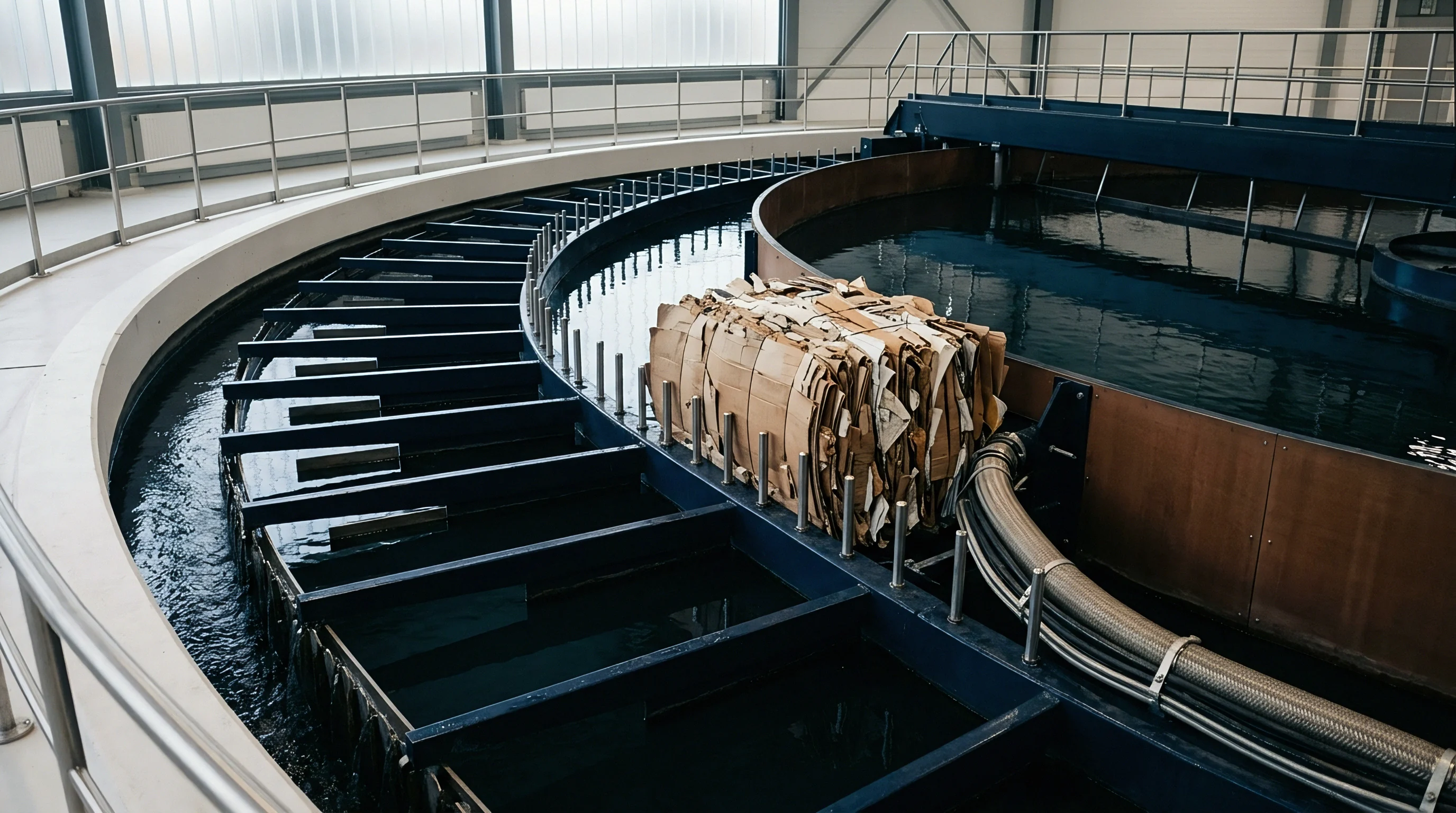

Extraction
Quantifying recovered fiber in paperboard packaging relies on secondary chemical markers and structural degradation profiles rather than a single elemental signature. Virgin chemical pulp consists of intact cellulose and hemicellulose matrices with uniform fiber length distributions. Secondary pulp, by contrast, undergoes mechanical refining, fiber shortening, hornification, and repeated chemical processing that alter both its physical topography and residual chemical profile.
Standard testing under EN 645 for cold water extraction and EN 647 for hot water extraction measures the water-soluble fraction leached from packaging specimens at 23 degrees Celsius and 80 degrees Celsius. Hot water extraction isolates low-molecular-weight carbohydrates, sizing agent residuals, and ionic contamination. Recovered fiber furnish yields higher conductivity values and elevated chemical oxygen demand compared to virgin sulfate pulp because of repeated wet-end chemistry cycles.
Upon repulping, fibers lose wall thickness while ink particles deposit within pore networks, and polar solvents leach out low-molecular-weight fractions.
| Test Standard | Solvent Matrix | Thermal Condition | Targeted Extractable Fraction | Virgin Furnish Baseline | Recovered Furnish Baseline |
|---|---|---|---|---|---|
| EN 645 | Deionized Water | 23°C for 24 hours | Water-soluble salts and free formaldehydes | Conductivity below 15 mS/m | Conductivity 35 to 90 mS/m |
| EN 647 | Deionized Water | 80°C for 2 hours | Water-soluble sizing agents and starch | Extract residue below 0.3% w/w | Extract residue 0.8% to 2.2% w/w |
| EN 15519 | Ethanol 95% v/v | 60°C for 4 hours | Synthetic sizing agents and crosslinkers | Total extract below 0.5% w/w | Total extract 1.2% to 3.8% w/w |
| ISO 15318 | Hexane / Acetone | Soxhlet reflux 4 hours | Residual polychlorinated biphenyls | Below 0.05 mg/kg | 0.10 to 1.50 mg/kg |
Morphological fiber analysis under ISO 9184 optical microscopy identifies furnish composition using staining techniques. Graff C and Herzberg stains differentiate mechanical, chemical, and semi-chemical pulps based on lignin distribution and secondary cell wall swelling. Unlike undamaged virgin tracheids, repulped softwood kraft fibers display micro-compressions, dislocations, and collapsed lumens.
A total specific migration test in modified polyphenylene oxide at forty degrees Celsius for ten days sets the boundary for volatile hydrocarbon release.
Automated fiber image analyzers measure fiber length distribution according to ISO 16065-1. Virgin bleached softwood kraft exhibits a length-weighted average fiber length between 2.2 and 2.8 millimeters. Furnish containing 50 percent post-consumer recycled fiber drops to an average length between 1.4 and 1.8 millimeters due to mechanical shear during repulping.
Fines content (particles below 0.2 millimeters) increases from 4 percent in virgin furnish to over 18 percent in secondary furnishes.
- Fiber length degradation reduces mechanical tear resistance and tensile stiffness while increasing sheet density.
- Pulp ash content measured under ISO 1762 at 525 degrees Celsius reveals mineral filler loadings from calcium carbonate and kaolin clay residues.
- Conductivity screening identifies accumulated process salts from closed-loop mill water systems.
Pyrolysis gas chromatography coupled with mass spectrometry decomposes solid paperboard samples at 550 degrees Celsius to profile thermal degradation products. Secondary furnishes release characteristic pyrolysis fragments derived from synthetic polymers, latex binders from prior coatings, and deinking chemical residues absent from virgin wood matrices. Whether optical microscopy and extraction testing can establish legally defensible percentage splits in blended furnish lots remains an open dispute among accredited packaging laboratories.
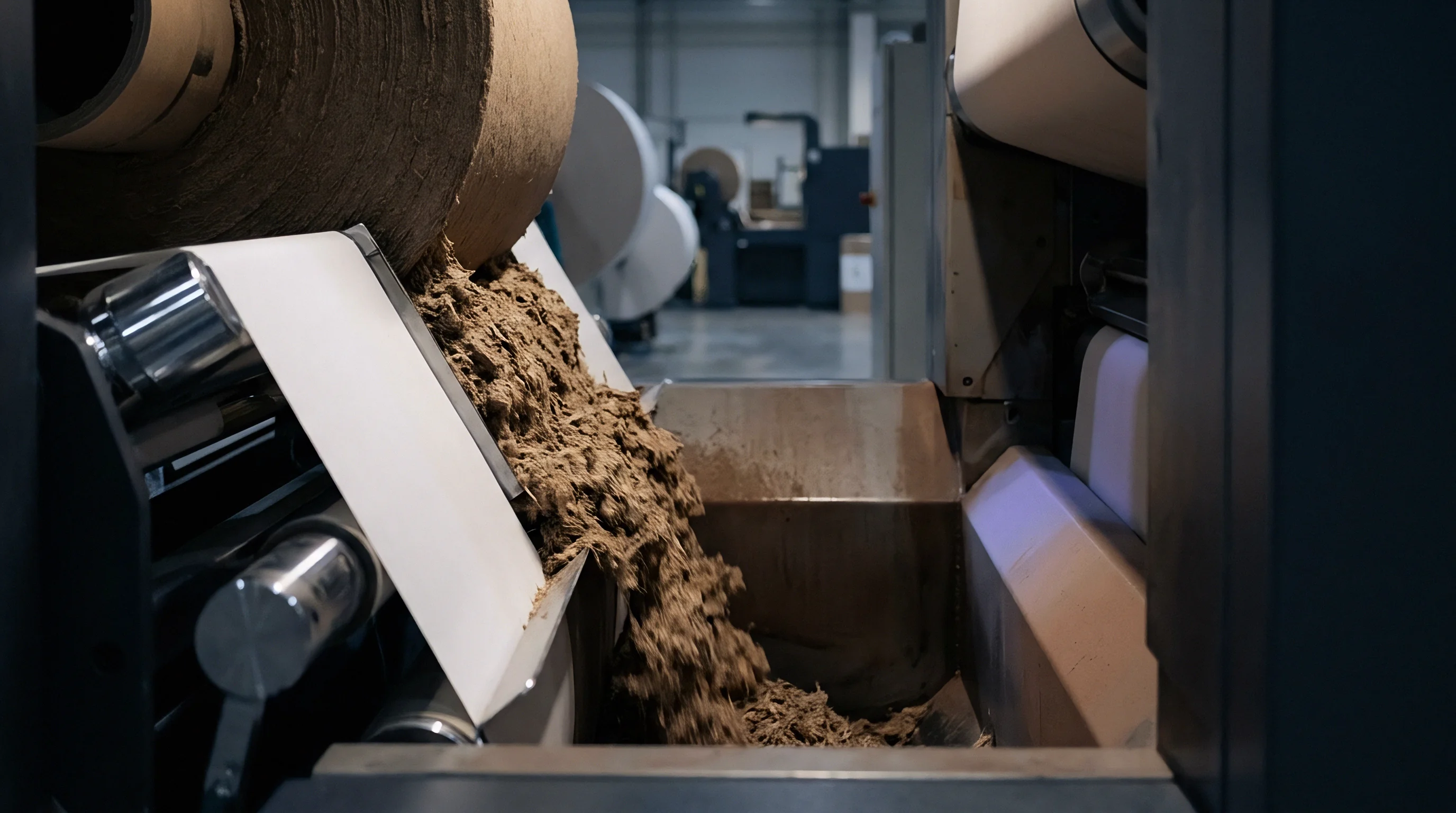
Barrier
Physical functional layers prevent volatile chemical migration from recycled paperboard layers into direct-contact food phases. Folding boxboard architectures incorporate functional barriers to make use of recovered paperboard plies in middle layers while maintaining food contact compliance under Regulation 1935/2004.
Multi-ply paperboard machines deposit virgin bleached chemical pulp on top and bottom plies while incorporating recycled furnish in interior plies. The virgin outer plies provide printability and optical brightness, while the interior plies deliver bending stiffness at lower raw material cost.
Virgin plies directly contact wet foodstuffs, but mineral oils migrate across unfunctionalized layers unless dispersion coatings are applied to lower gas-phase migration rates.
Article 3 of Framework Regulation 1935/2004 penalizes packaging conversions where component migration alters food composition or organoleptic properties.
Functional barrier efficiency depends on coating chemistry and application thickness. Extruded polyolefin films, water-based polymer dispersions, and metallized films provide varying degrees of resistance against gas-phase and liquid-phase mass transport. Polyethylene terephthalate coatings applied at 15 grams per square meter provide a functional barrier against mineral oil hydrocarbons up to 100 degrees Celsius.
By comparison, uncoated virgin fiber plies fail to block gas-phase transmission of volatile hydrocarbons originating from recycled middle layers.
Migration modeling governed by standard diffusion equations calculates breakthrough times for target migrants across the barrier layer. Apparent diffusion coefficients in paperboard substrates range from 10 to the power of negative 8 to 10 to the power of negative 10 square centimeters per second. Effective barrier layers bring the diffusion coefficient down below 10 to the power of negative 14 square centimeters per second.
Thin polymer layers stop liquid penetration while still allowing low-molecular-weight volatiles to cross into dry food simulants over long storage periods.
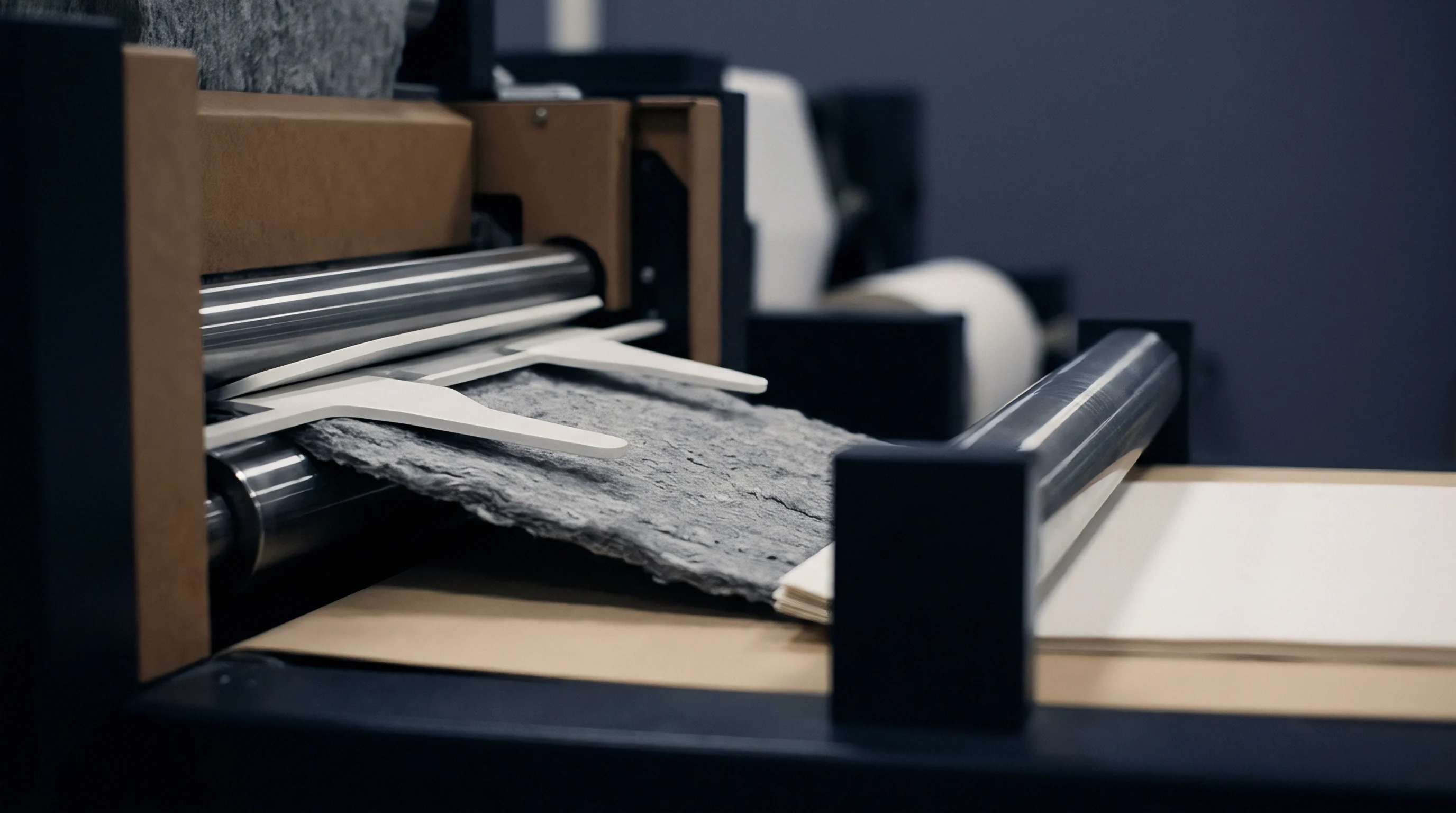

Chromatography
High-performance liquid chromatography coupled to gas chromatography with flame ionization detection quantifies mineral oil saturated hydrocarbons and mineral oil aromatic hydrocarbons in packaging extracts. The DIN EN 16995 method automates sample cleanup and separation of the two fractions before chromatographic determination.
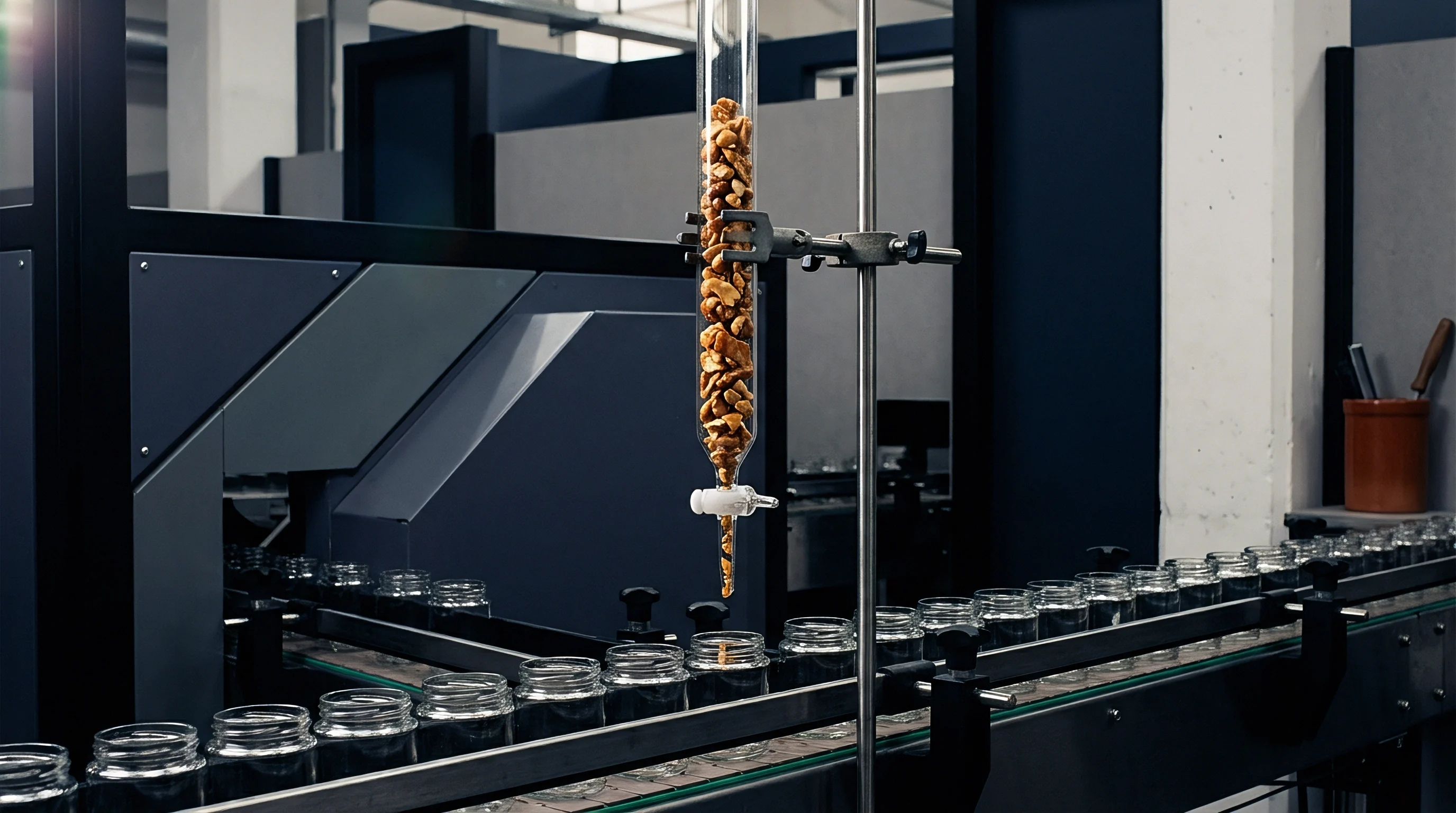
What Separates Process Additives from Recycled Contaminants?
Chemical fingerprinting differentiates native wood components and converting additives from secondary fiber contaminants. Virgin wood pulp contains natural terpenes, resin acids, and plant sterols that appear on gas chromatography mass spectrometry total ion chromatograms. Recycled furnish carries distinct industrial markers, including photoinitiators from ultraviolet-cured inks, phthalate plasticizers from water-based adhesives, and synthetic solvents from printing operations.
Diisopropylnaphthalenes indicate recycled carbonless copy receipts, while silylated extractants separate cyclic oligomers cleanly.
| Contaminant Class | Key Marker Compound | Primary Source | Analytical Method | Quantification Limit | Action Threshold |
|---|---|---|---|---|---|
| MOSH (C10–C50) | Branched / cyclic alkanes | Offset printing inks | LC-GC-FID | 0.5 mg/kg food | 2.0 mg/kg paperboard |
| MOAH (C10–C50) | Alkylated aromatics | Mineral-oil-based inks | LC-GC-FID | 0.1 mg/kg food | 0.5 mg/kg paperboard |
| Plasticizers | Diisobutyl phthalate (DIBP) | Emulsion adhesives | GC-MS / MS | 0.05 mg/kg | 1.0 mg/kg paperboard |
| Solvents | Diisopropylnaphthalene (DIPN) | Thermal / copy papers | GC-MS | 0.10 mg/kg | 2.0 mg/kg paperboard |
| Photoinitiators | Benzophenone | UV-cured surface inks | LC-MS / MS | 0.02 mg/kg | 0.6 mg/kg paperboard |
Recycled pulp furnishes introduce complex distributions of non-intentionally added substances that resist single-marker identification.
Gas chromatography coupled with high-resolution time-of-flight mass spectrometry performs non-targeted screening for non-intentionally added substances. Secondary fiber extracts routinely reveal over five hundred distinct volatile and semi-volatile chemical species, where identification relies on spectral library matching combined with retention index verification.
- Photoinitiator profiling tracks benzophenone, 4-methylbenzophenone, and 1-hydroxycyclohexyl phenyl ketone residues from printed paper streams.
- Primary aromatic amine screening identifies azo dye degradation products leached from post-consumer graphic papers.
- Bisphenol quantification determines bisphenol A and bisphenol S contamination derived from thermal paper receipts incorporated during collection.
Converting facilities often argue that trace chemical markers originate from machine lubricants and ambient warehouse packaging rather than the base furnish.


Allocation
Administrative chain of custody accounting operates independently from physical furnish distribution within specific production runs. Mills operating under mass balance rules allocate recycled pulp volumes across production batches administratively rather than physically segregating recovered fibers on paper machine formers.

When Does Mass Balance Diverge from Batch Chemistry?
Physical furnish verification tests analyze the carton in hand, whereas administrative balance systems track ledger tonnages over rolling audit periods. A mill running 20 percent recovered fiber across its total annual output can legally sell a portion of its production with a 100 percent recycled mass balance claim while delivering physical board made entirely from virgin furnish. The delivered packaging contains zero secondary fiber markers on the chromatographic bench, yet carries valid certification paperwork.
In this framework, credits decouple chemistry from billing lines while chain records verify tonnage allocations annually and mill ledgers reallocate recycled percentages administratively.
| Verification Parameter | Physical Bench Analysis | Chain of Custody Certificate | Physical Segregation Claim | Mass Balance Credit System |
|---|---|---|---|---|
| Batch-Specific Fiber Origin | Morphology shows pulp types | Proves scope of mill system | Guarantees furnish segregation | Decouples paper chemistry |
| Recycled Percentage Audit | Yields approximate range (+/- 15%) | Records annual input ratio | Fixes physical run formula | Allows credit transfers |
| Contaminant Screening | Identifies MOSH/MOAH and NIAS | Excludes chemical hygiene | Screens known supply sources | Permits mixed fiber feeds |
| Customs Enforcement Scope | Detects physical marker bands | Validates documentary claims | Matches invoice to physical lot | Creates bench audit gaps |
Mass accounting certificates prove accounting ownership without confirming the presence of secondary pulp in a specific carton.
Consider a 40-tonne commercial paperboard order purchased under an ISO 22095 mass balance credit allocation claiming 40 percent recycled content. The converting mill processes virgin chemical thermomechanical pulp on Machine Line A and secondary recycled furnish on Machine Line B. Under credit transfer rules, the mill applies secondary fiber credits accumulated from Line B to the delivery invoice for board manufactured exclusively on Line A. Laboratory extraction of this shipment reveals zero diisopropylnaphthalenes, zero residual photoinitiators, and an average fiber length of 2.6 millimeters. The batch passes all food contact migration tests while containing zero physical recovered fibers.
Under ISO 22095 Clause 6.3, mass balance declarations transfer credits across defined inventory periods without requiring physical trace markers in the finished packaging unit.
Levy
Extended Producer Responsibility programs and packaging taxes impose differential fee structures based on declared recycled fiber percentages. National fee modulation tables discount virgin tariffs when packaging designs incorporate certified post-consumer recycled furnish.
Tax authorities penalize misdeclared packaging furnish percentages during border inspections and post-clearance audits. Importers declaring recycled content exemptions without accredited chain of custody records and supporting chemical screening data face tariff adjustments and civil penalties.
Inaccurate furnish declarations trigger commercial penalties and direct tax liabilities for importers, while customs authorities impound unverified import consignments.
The Packaging and Packaging Waste Regulation introduces mandatory recycled content minimums and strict recyclability performance grades across European markets. Commercial contracts between packaging converters and brand owners assign financial liability for non-compliant claims through indemnification clauses. Unverified furnish declarations void customs entries, generate administrative fines, and result in mandatory inventory recalls from retail distribution networks.