
Laboratory Screening Protocols for Recycled Fibre Quality Control
Screening recycled pulp demands immediate gravimetric Somerville testing, gas chromatography extraction, and rigid bale intake documentation before furnish commit.
Screening recycled pulp demands immediate gravimetric Somerville testing, gas chromatography extraction, and rigid bale intake documentation before furnish commit.

Gas phase partition kinetics govern contaminant transfer across functional packaging barriers, requiring precise thermodynamic and diffusion testing.

Rapid gas chromatography screening reduces mineral oil aromatic hydrocarbon testing lead times from days to minutes while maintaining compliance verification.

Standardized chromatographic baseline subtraction isolates mineral oil signals from matrix interferences to ensure legally defensible packaging compliance files.

Standardizing baseline integration protocols across LC-GC-FID testing houses reconciles inter-laboratory mineral oil variance in recycled board compliance dossiers.

Harmonized gas chromatography baseline integration rules remove laboratory variance in recycled packaging migration reports to secure defensible food contact declarations.

Online LC-GC-FID isolates mineral oil from polyolefin oligomers to deliver precise, defensible food contact migration data for packaging compliance files.
Analytical verification of recycled board mineral oil thresholds requires coupled HPLC-GC-FID testing with epoxidation cleanup to prevent false positive MOAH results.
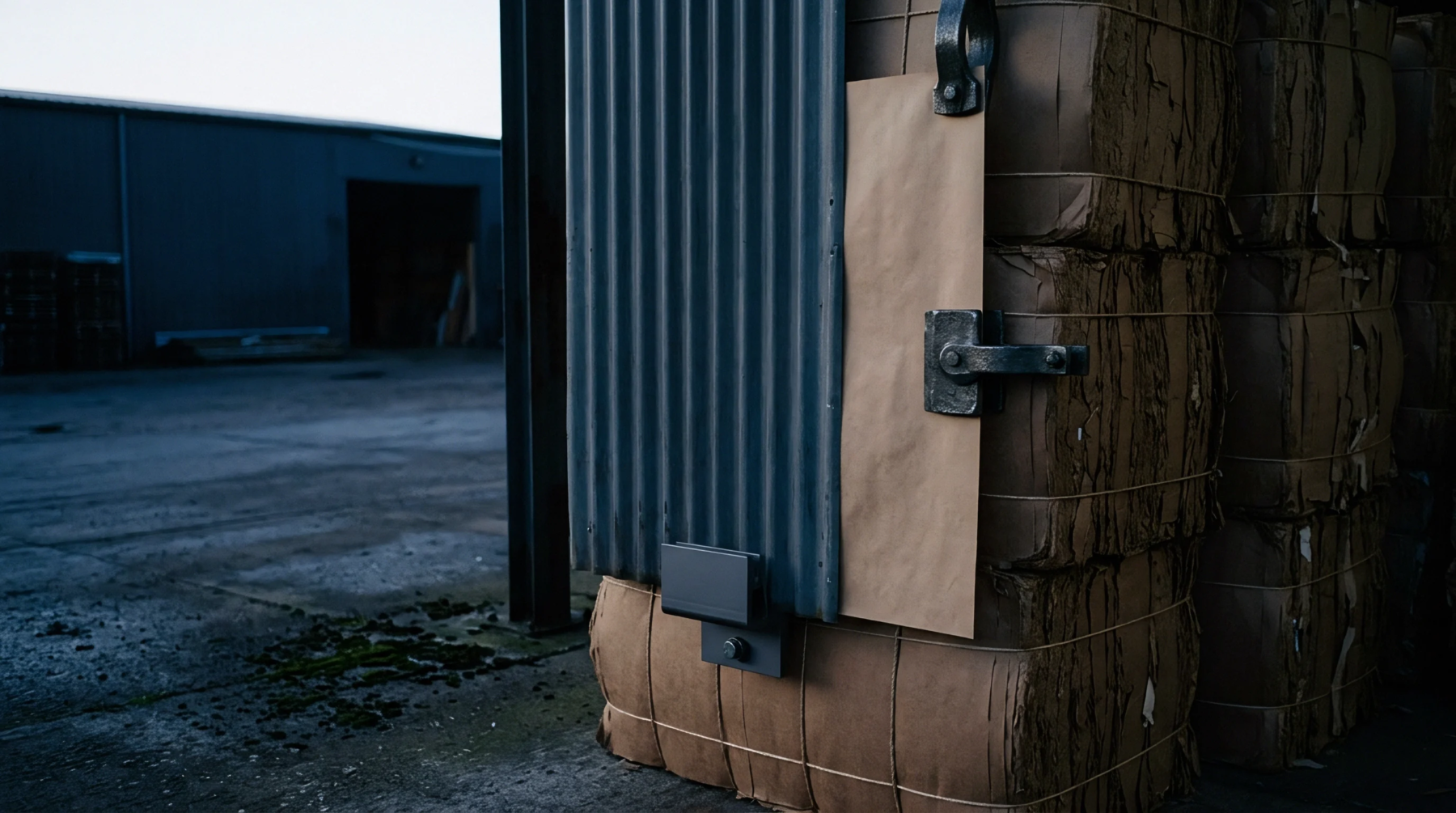
Boundary tolerances for deinked pulp require batch testing under DIN EN 16995, limiting MOSH below 24 mg/kg and MOAH below 0.5 mg/kg with verified barriers.

Gas chromatography quantifies mineral oils down to 0.5 mg/kg in packaging and 0.15 mg/kg in simulants using coupled HPLC separation with FID detection.

Predictive thermal models fail for folded cartons because die creasing causes physical microcracking that replaces solid diffusion with rapid gas permeation.

Verify functional barrier continuity on creased board corners using DIN EN 13676 and Tenax GC-FID to eliminate chemical migration risks and customs detention.

Credit systems manage paper volumes administratively, whereas lab assays verify physical fibers; commercial files must not conflate book claims with physical stock.

Auditing paperboard custody requires validating register status, matching invoice claim lines to product group schedules, and checking mass balance yields.

Reconciling volatile losses and mill broke exclusions through dry-matter mass balances ensures defensible recycled content claims in packaging compliance audits.
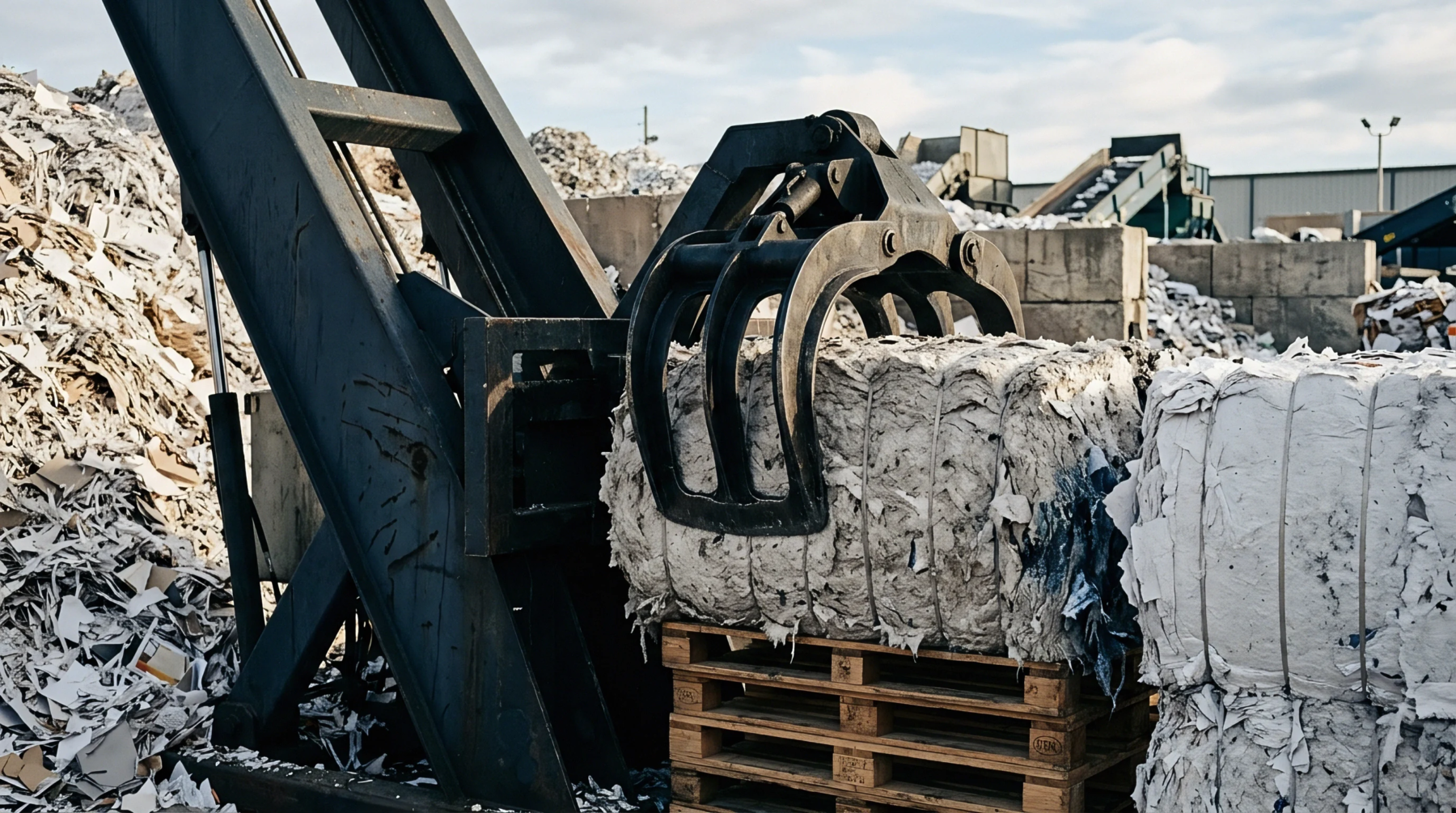
Quantifying mineral oil in recycled fiber demands rigorous cleanup to separate biogenic matrix interference from petroleum hydrocarbons before barrier validation.

Establishing auditable mass balance thresholds requires moisture-deducted fiber yields, verified conversion losses, and batch-specific ledger debits.
Validate foreign packaging files by checking invoice claim strings on scheme registers, testing fiber furnish by microscopy, and screening barrier extraction.

Regulatory customs enforcement inspects physical fiber biology, rendering multi-site mass-balance certificate claims legally invalid for cross-border declarations.
Verify certificate codes against public registries and match physical roll tags to delivery invoices to prevent counterfeit recycled claims and customs delays.
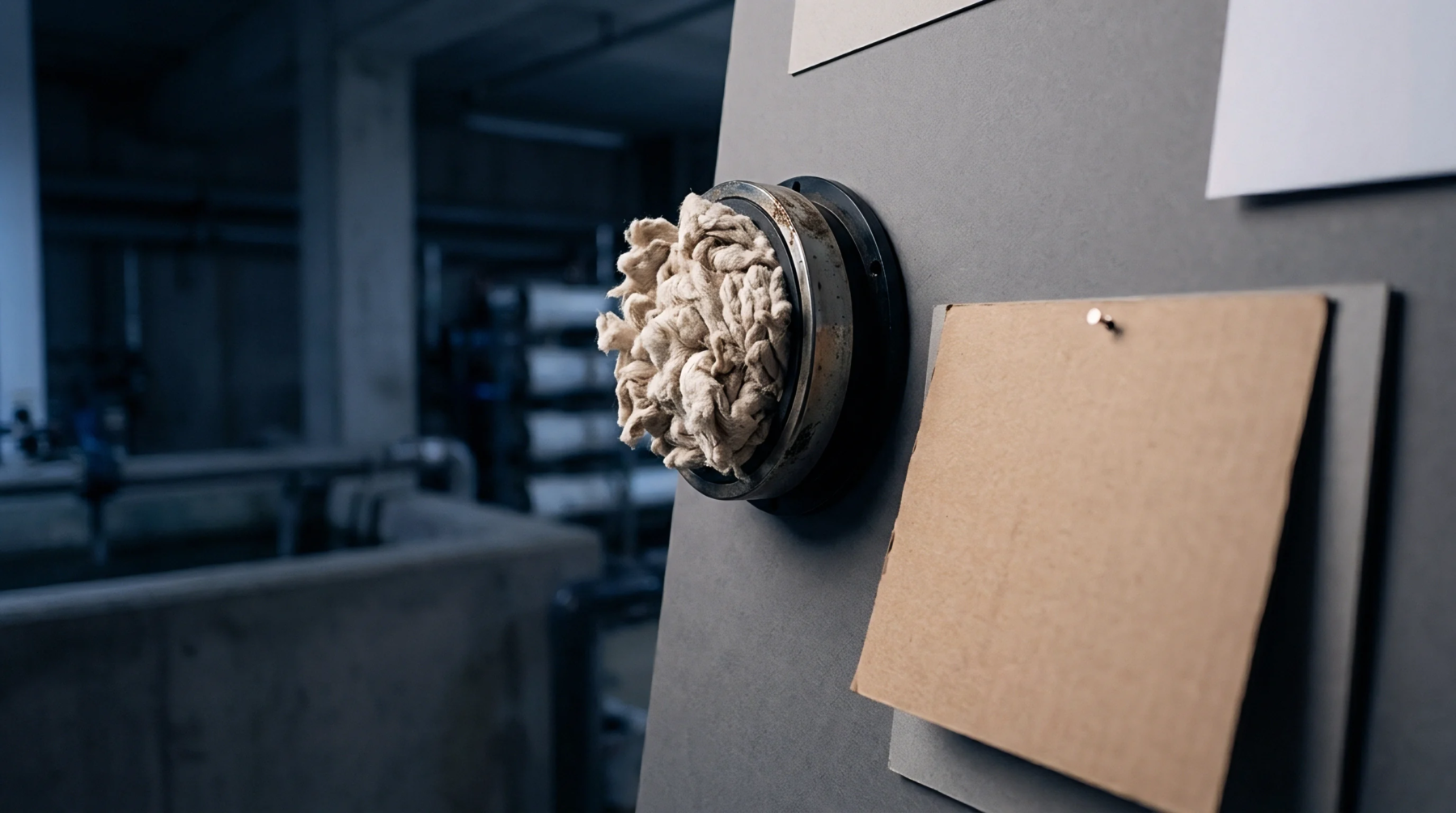
Paperboard mill certificate scopes govern packaging claims by strictly limiting authorized product groups, fiber credit allocations, and contact testing boundaries.
Paperboard recycled claims require matching chain of custody certificates, mass balance ledger reconciliation, and certified converter invoices.

Paperboard LC-GC-FID testing requires ethanol swelling, mCPBA epoxidation, and accurate UCM baseline integration to verify MOSH and MOAH migration compliance.

Validating paperboard claims requires cross-checking certificate scope codes on public databases and securing batch migration test reports.
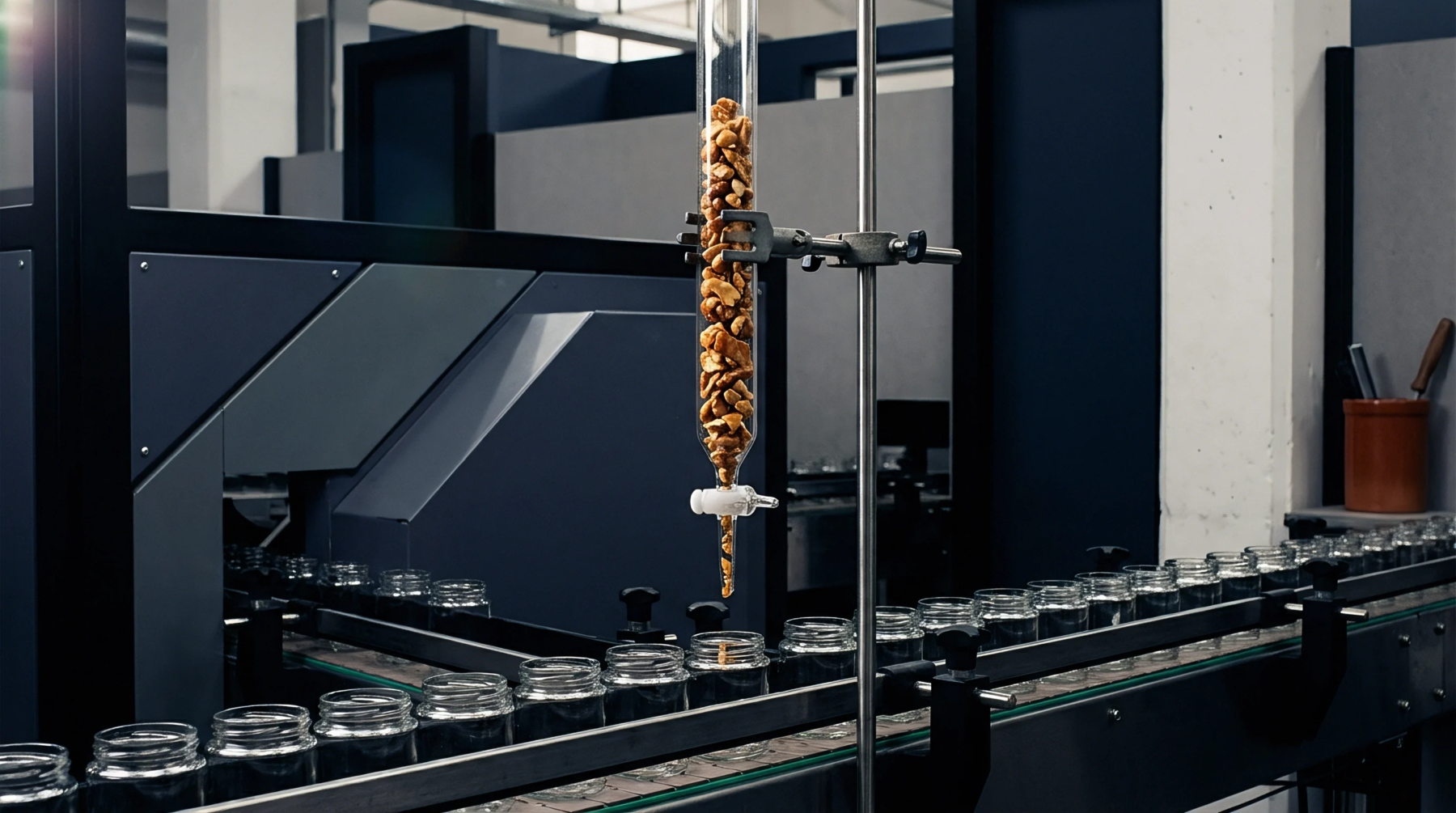
Analytical testing verifies physical furnish markers and migration safety, while administrative chain records prove legal recycled content claims.

Verify hydrocarbon barrier integrity in recycled cartons through LC-GC-FID testing under EN 16995 with Tenax migration simulant to prove MOAH limits under 0.15 mg/kg.

Verify mass balance claims by auditing dry-fiber yield calculations, credit window expiry dates, and scope lines before printing claims on packaging.
Expertise is a utility, not a secret. sentiention™ publishes its working knowledge as open reference: intelligence layer covering the materials it sources, the markets it enters, and the reference that serves both.