
Basic Kraft Digester Organic Mass Balance Equations and Chemical Consumption Fundamentals
Kraft digester organic mass balances balance chip dry mass against pulp yield and black liquor solids, governed by effective alkali and peeling reactions.
Kraft digester organic mass balances balance chip dry mass against pulp yield and black liquor solids, governed by effective alkali and peeling reactions.
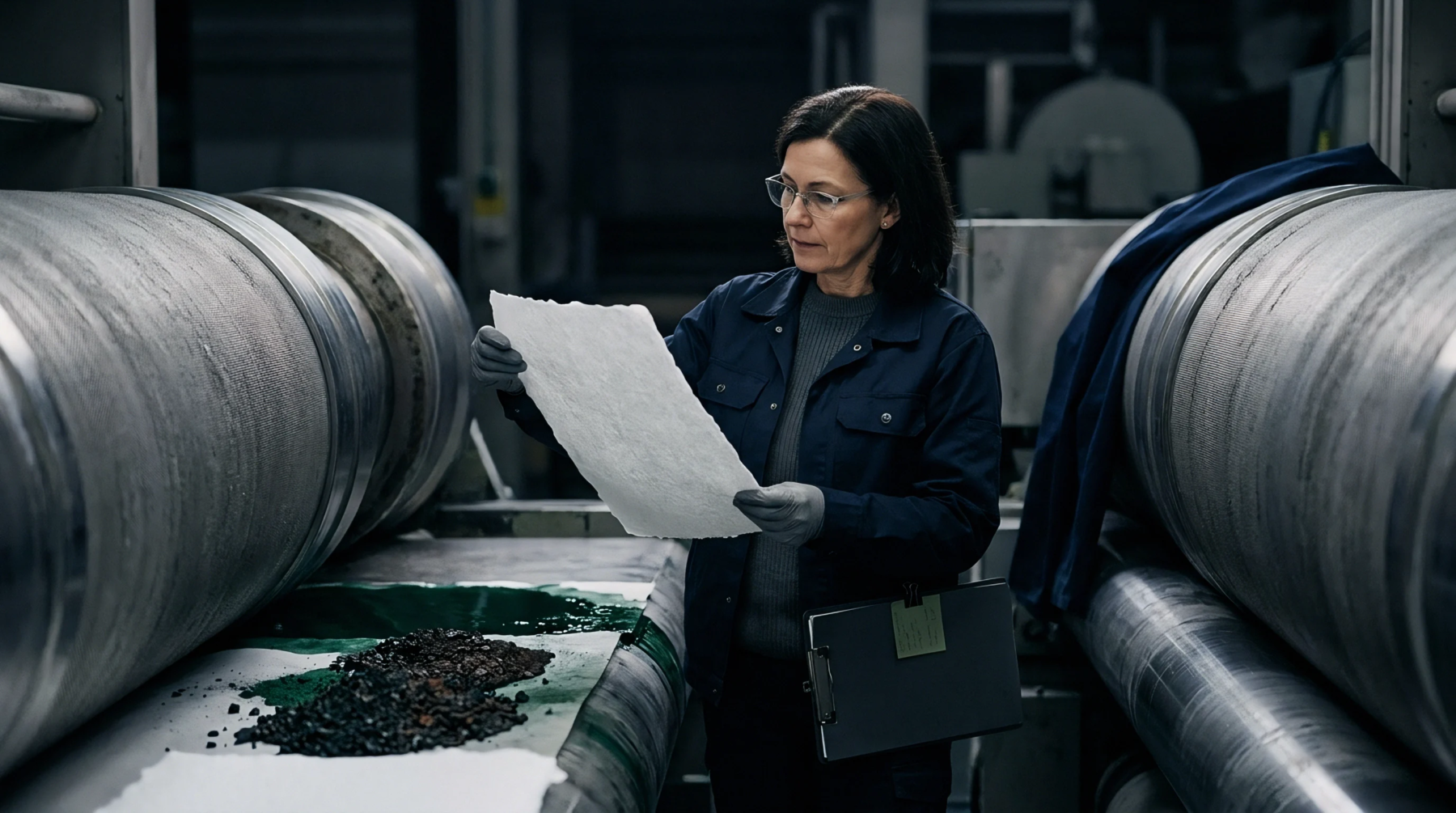
Cross-border packaging verification demands matching site-specific credit ledger balances to commercial bills of lading before paying invoices.
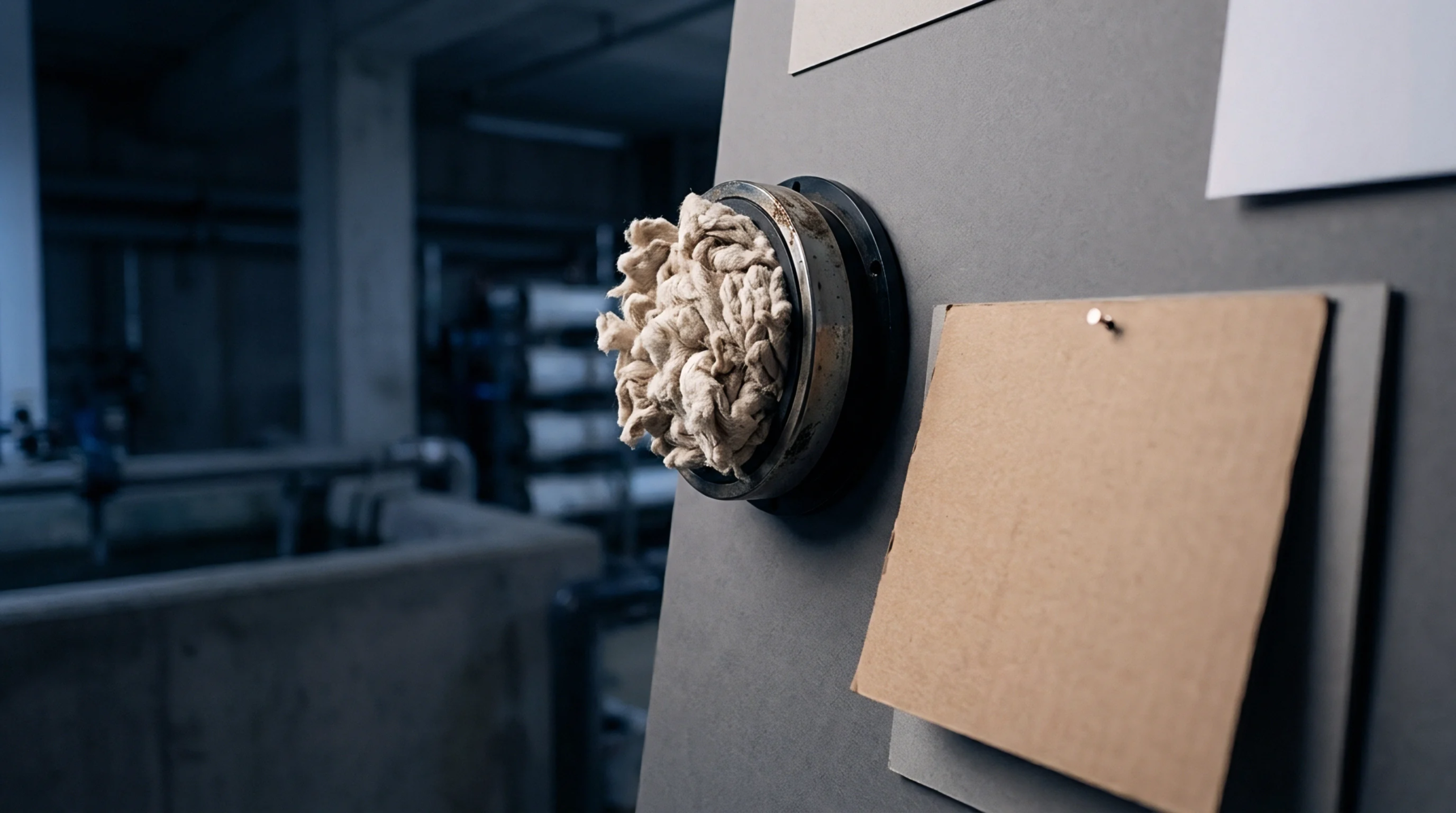
Paperboard recycled claims require matching chain of custody certificates, mass balance ledger reconciliation, and certified converter invoices.

Coupled hygro-mechanical finite element modeling prevents chilled transit collapse by predicting rapid condensation softening and interface delamination.

Double wall static compression thresholds drop 40 to 60 percent above 80 percent humidity, requiring safety factor adjustments to prevent warehouse collapse.
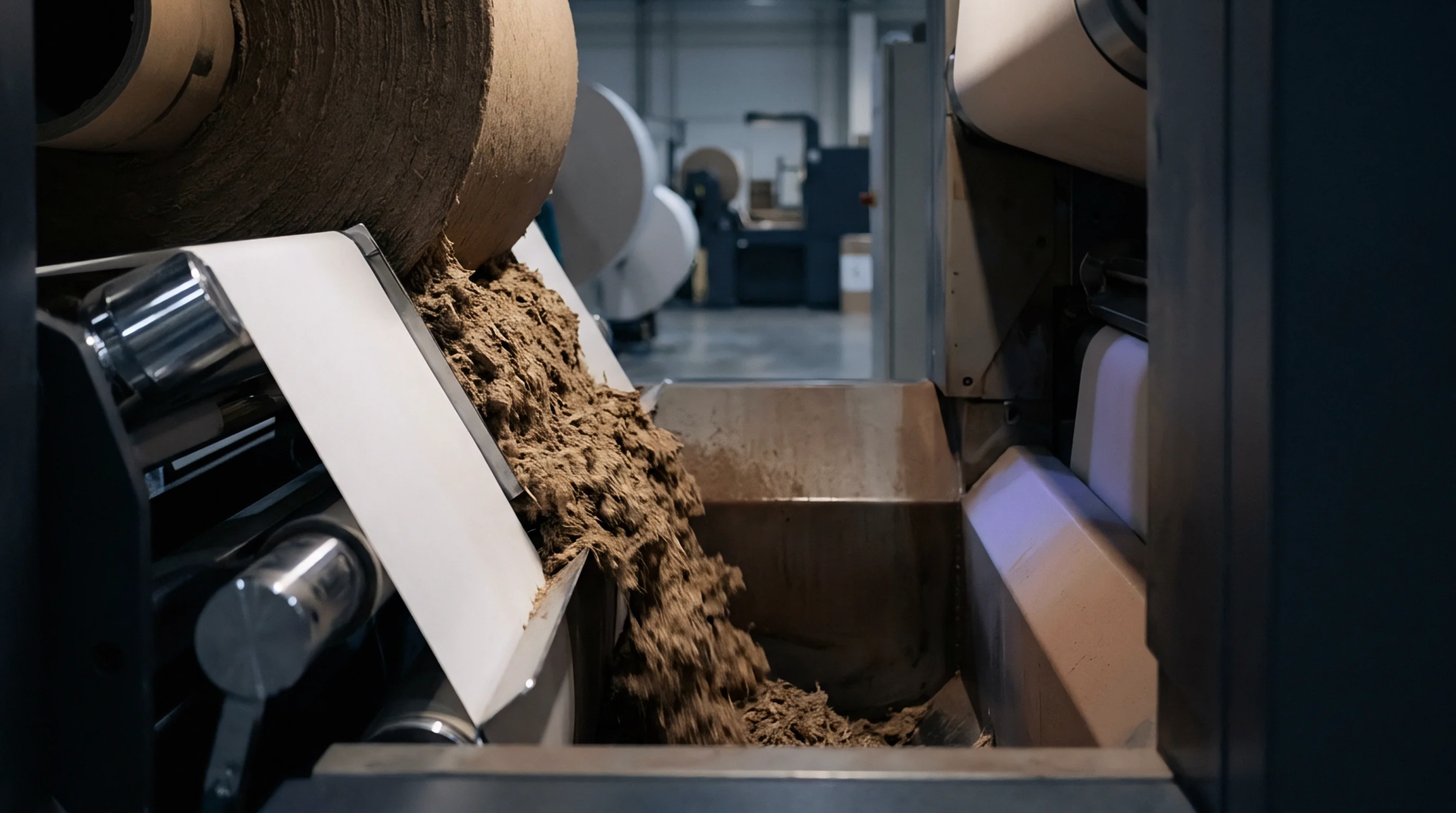
Controlling effective alkali profiles and temperature in continuous digesters maximizes xylan retention, stabilizing pulp yield and securing compliance files.

Preserving softwood galactoglucomannan during kraft cooking through redox chemistry increases pulp yield by three percent while reducing refining power.
Reconciling credit accounts requires tracking FIFO expiration dates per site, adjusting for conversion waste, and blocking claims prior to ledger depletion.

Food contact safety for recycled board requires functional barrier proof and complete chain of custody documentation down to invoice line items.
European post-consumer recycled claims depend on matching certified mill scope lines directly to batch delivery notes and mass balance allocation ledgers.

Validating paperboard claims requires cross-checking certificate scope codes on public databases and securing batch migration test reports.

Verifying post-consumer recycled claims in folding boxboard requires cross-referencing FSC/PEFC credit accounts with deinking yield losses and MOSH/MOAH markers.
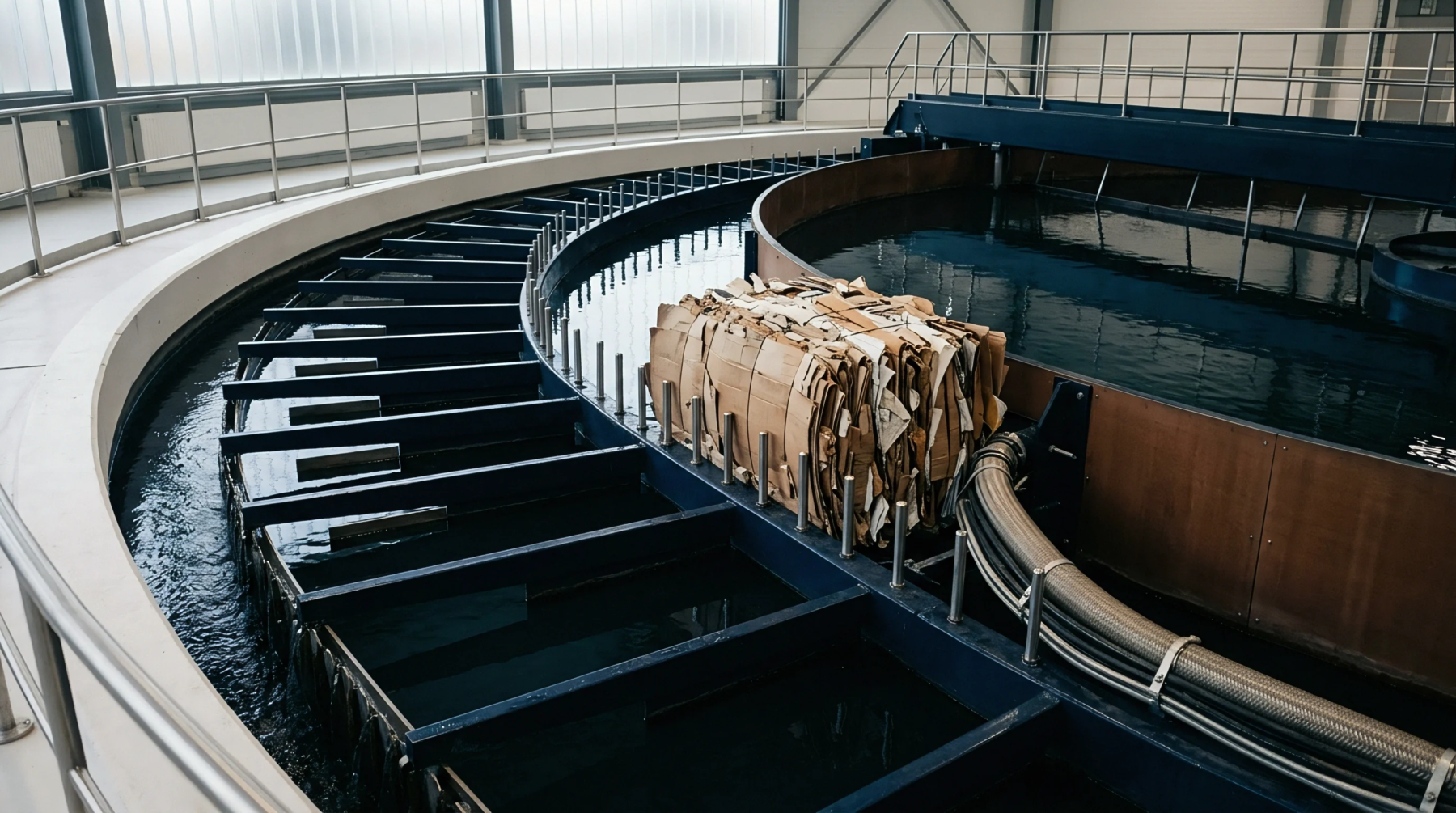
Auditing recycled furnish requires converting weighbridge gross mass to bone-dry fiber to prevent water inflation in CoC ledgers and commercial settlements.

Reconciling decoupled credit ledgers with physical fiber movements requires dynamic conversion factor auditing and site-level transfer tracking.

Applying uncorrected gross weights or inflated yield factors into mass balance ledgers creates over-allocated credit accounts that trigger customs seizures.
Multi-site kraft paper networks reconcile physical process yield losses against certified volume balances through standardized mill conversion factors.
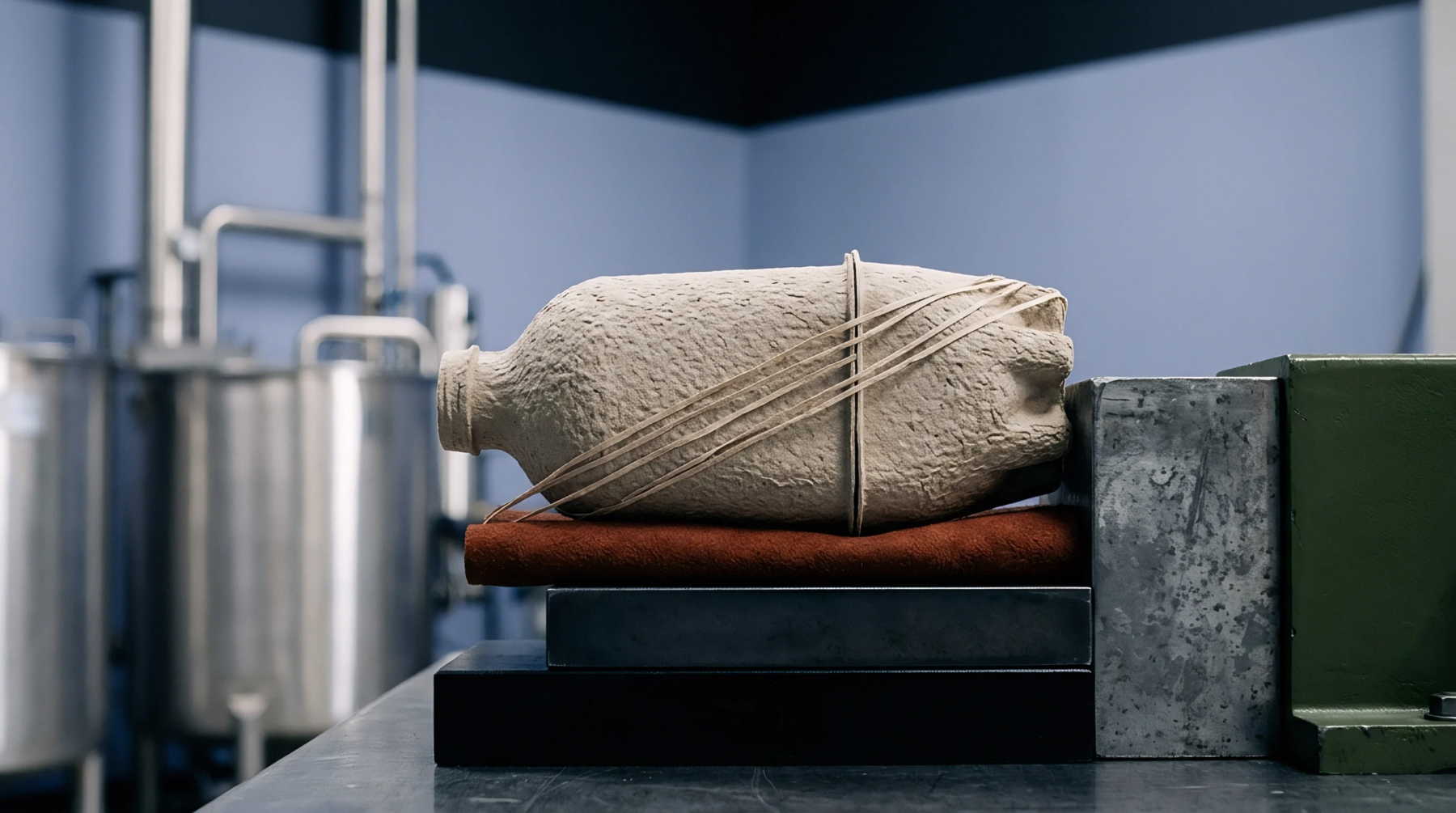
Mass balance ledgers allocate administrative fiber credits across mill networks, but laboratory microscopy governs physical batch compliance at customs borders.

Verify paperboard certificates by matching invoice claim text, product scope codes, and valid supplier registry entries before receiving inventory at the dock.

High yield pulp mass balances fail when mills exclude white water solubles and moisture variation, exposing buyers to chain of custody audit liabilities.
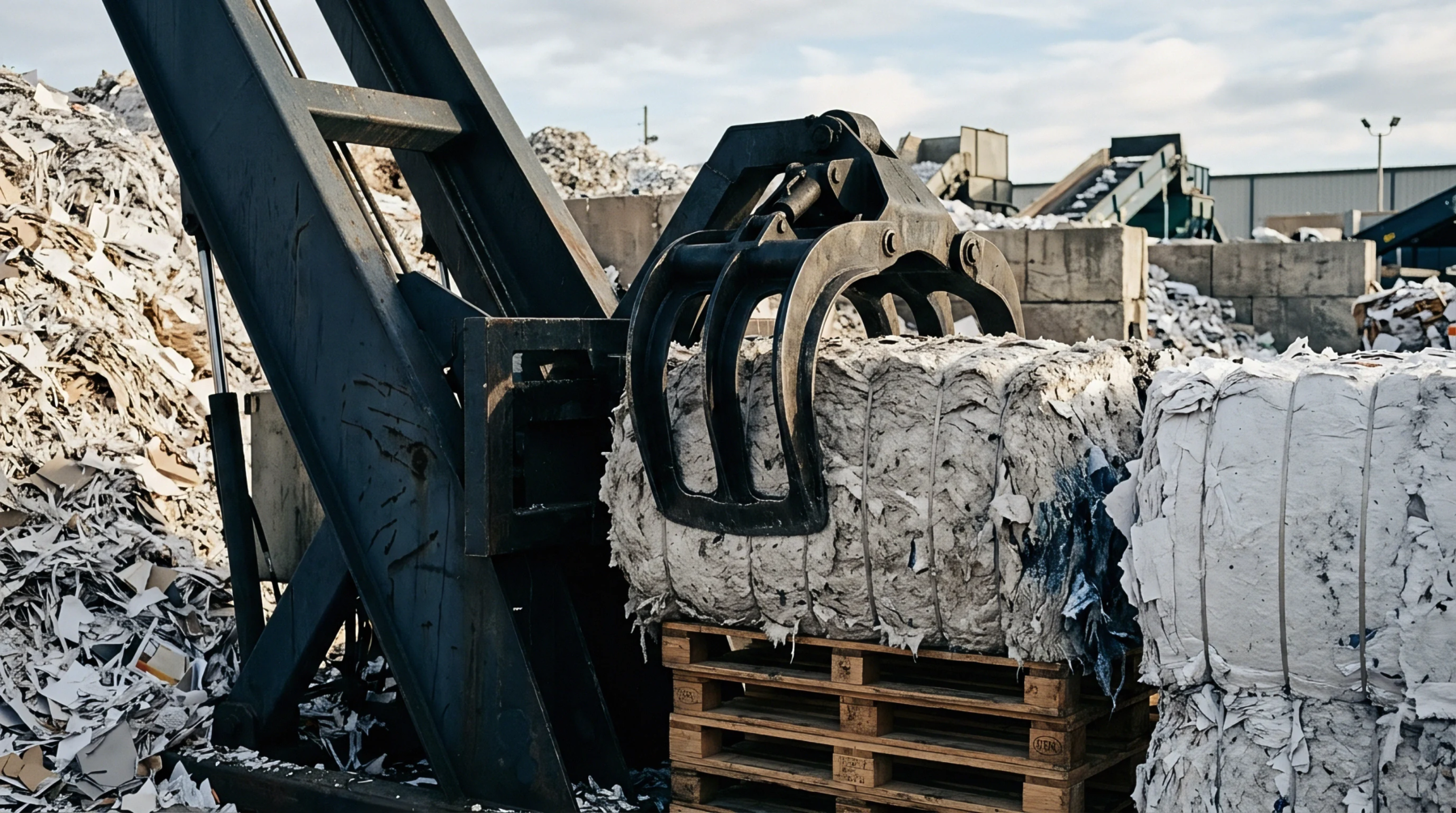
Auditing fiber ratios combines ISO 9184 furnish microscopy and ash testing with strict FSC and PEFC invoice-level mass balance chain of custody reconciliation.

Paperboard import compliance depends on linking physical lot numbers directly to accredited chemical assays and verified chain of custody certificates.
Expertise is a utility, not a secret. sentiention™ publishes its working knowledge as open reference: intelligence layer covering the materials it sources, the markets it enters, and the reference that serves both.