Carbon Validation
Biobased carbon content testing protocol ASTM D6866 establishes the analytical framework for quantifying renewable versus fossil derived fractions in paper and packaging substrates. Radiocarbon dating via accelerator mass spectrometry measures the remaining carbon fourteen isotopes within a pulp or barrier coating sample against a modern reference standard. Fossil derived plastics and petroleum binders lack measurable carbon fourteen due to radioactive decay over geological timescales, while newly harvested tree fibres and agricultural residues retain contemporary isotopic signatures.
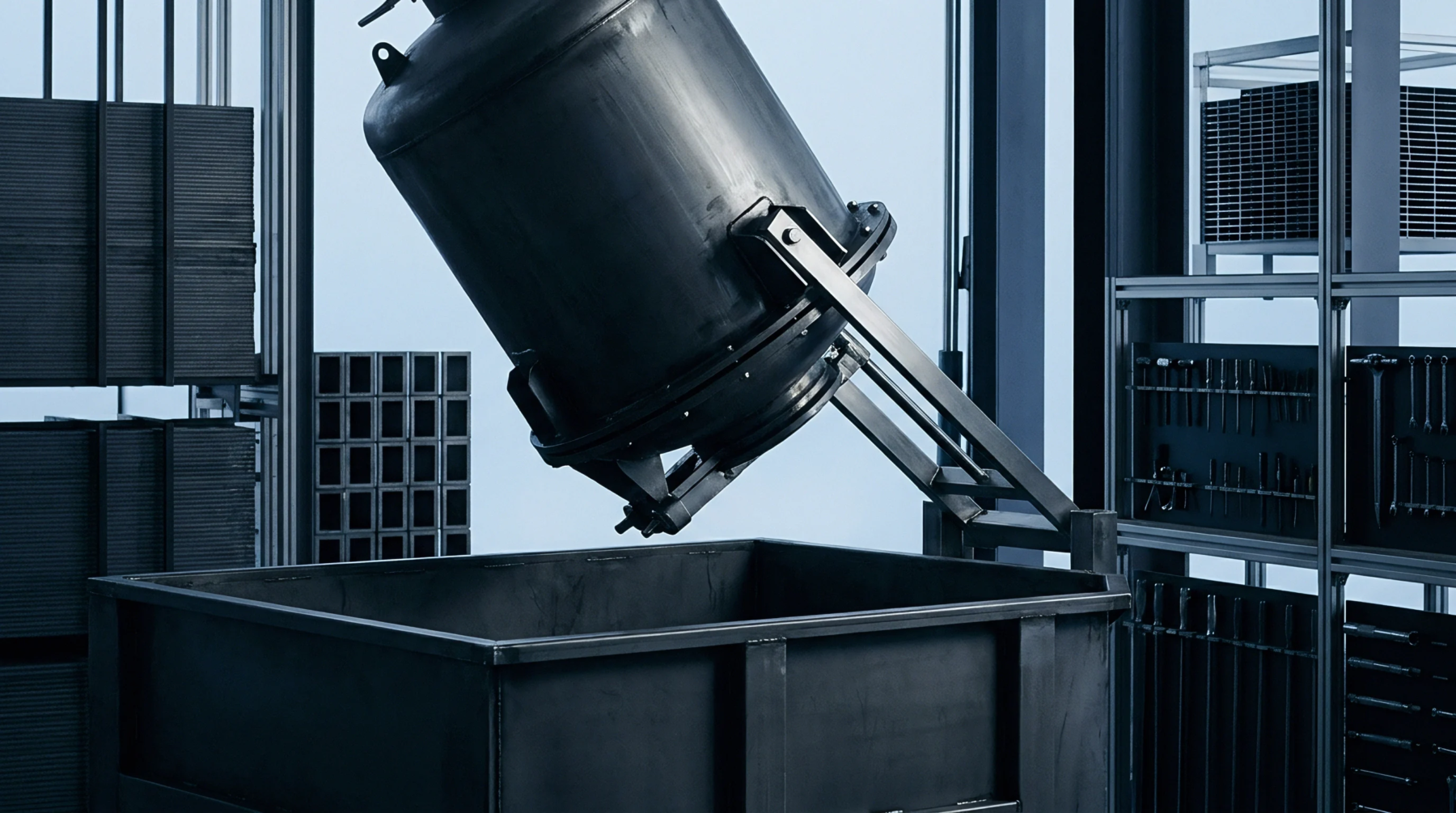
Converting facilities and sheet fed packaging converters deploy this standard to verify precise biobased claims on finished cartons without relying solely on supplier declarations. Testing laboratories combust the substrate sample into carbon dioxide gas, graphitise the resulting output, and analyze isotopic ratios to determine the exact renewable proportion by mass.
Biogenic Ratio
Packaging buyers specify minimum renewable thresholds to satisfy corporate sustainability procurement policies and verifiable circular economy mandates across retail sectors. Testing protocols account for production additives such as wet strength resins, mineral fillers, and petroleum based barrier laminations that dilute the overall renewable percentage of a finished substrate. A standard folding boxboard comprising ninety percent virgin mechanical pulp and ten percent synthetic polyethylene extrusion coating yields a proportional isotopic reading that distinguishes the biobased fraction from the fossil polymer component.
Independent certification bodies require accredited laboratory results matching this methodology before granting eco labels for commercial paper packaging lines.
Isotopic Drift
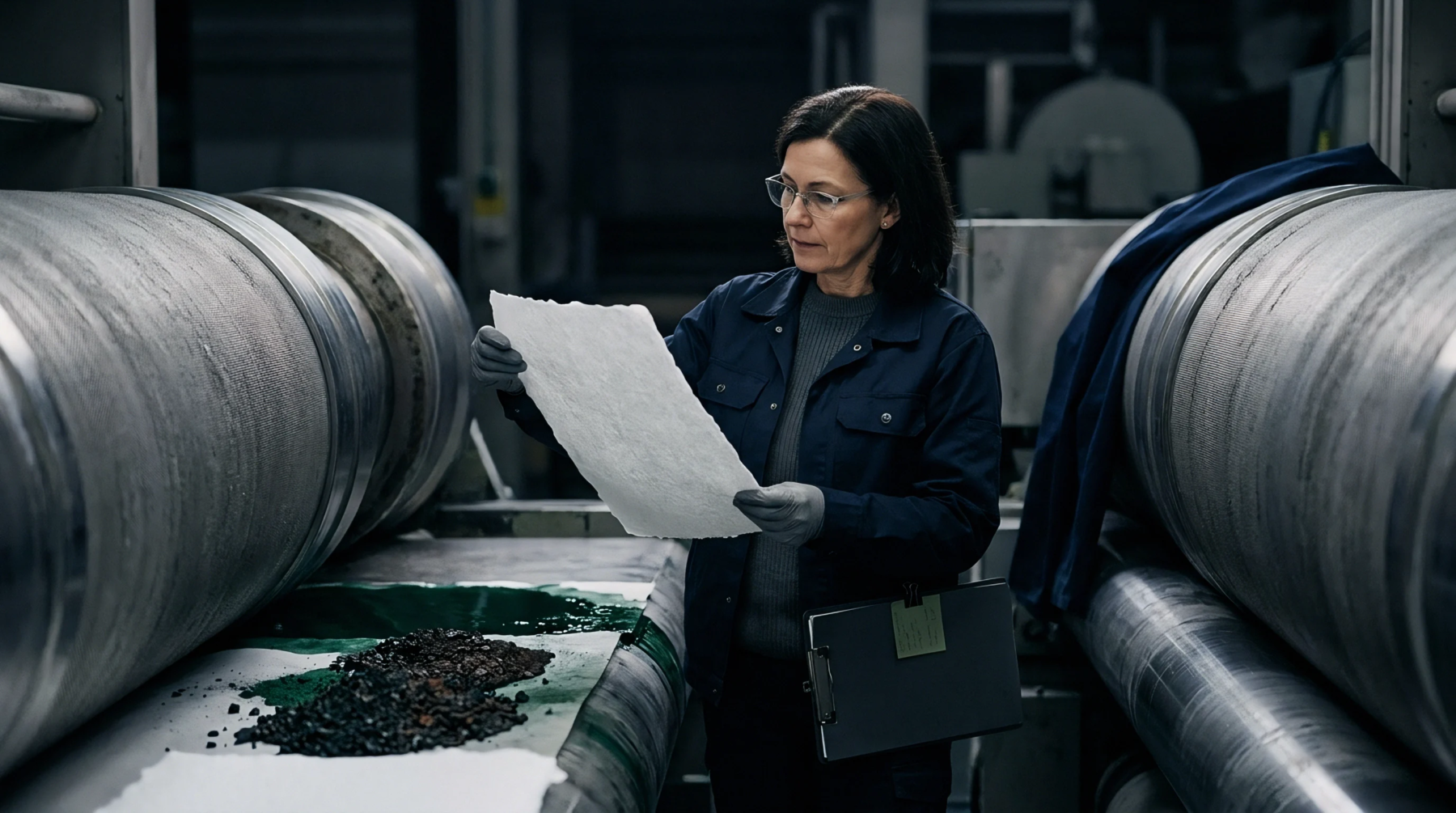
Analytical accuracy depends on strict separation of the target substrate from extraneous contaminants introduced during papermaking or converting operations. Furnace combustion parameters require precise temperature controls to prevent fractionation during carbon dioxide extraction from heavily coated or pigmented printing stocks. Sample preparation procedures eliminate surface adhesives and printing inks that might otherwise skew the radiocarbon ratio toward fossil derived ink pigments or petroleum solvents.
Converter facilities maintain chain of custody documentation to ensure tested sample sheets accurately represent the broader commercial production run destined for brand owner delivery.