
Predicting Set off Migration in Stacked Packaging Board
Set-off migration prediction requires calculating pressure-dependent contact areas and temperature-driven diffusion rates across stacked cartonboard sheets.
Set-off migration prediction requires calculating pressure-dependent contact areas and temperature-driven diffusion rates across stacked cartonboard sheets.
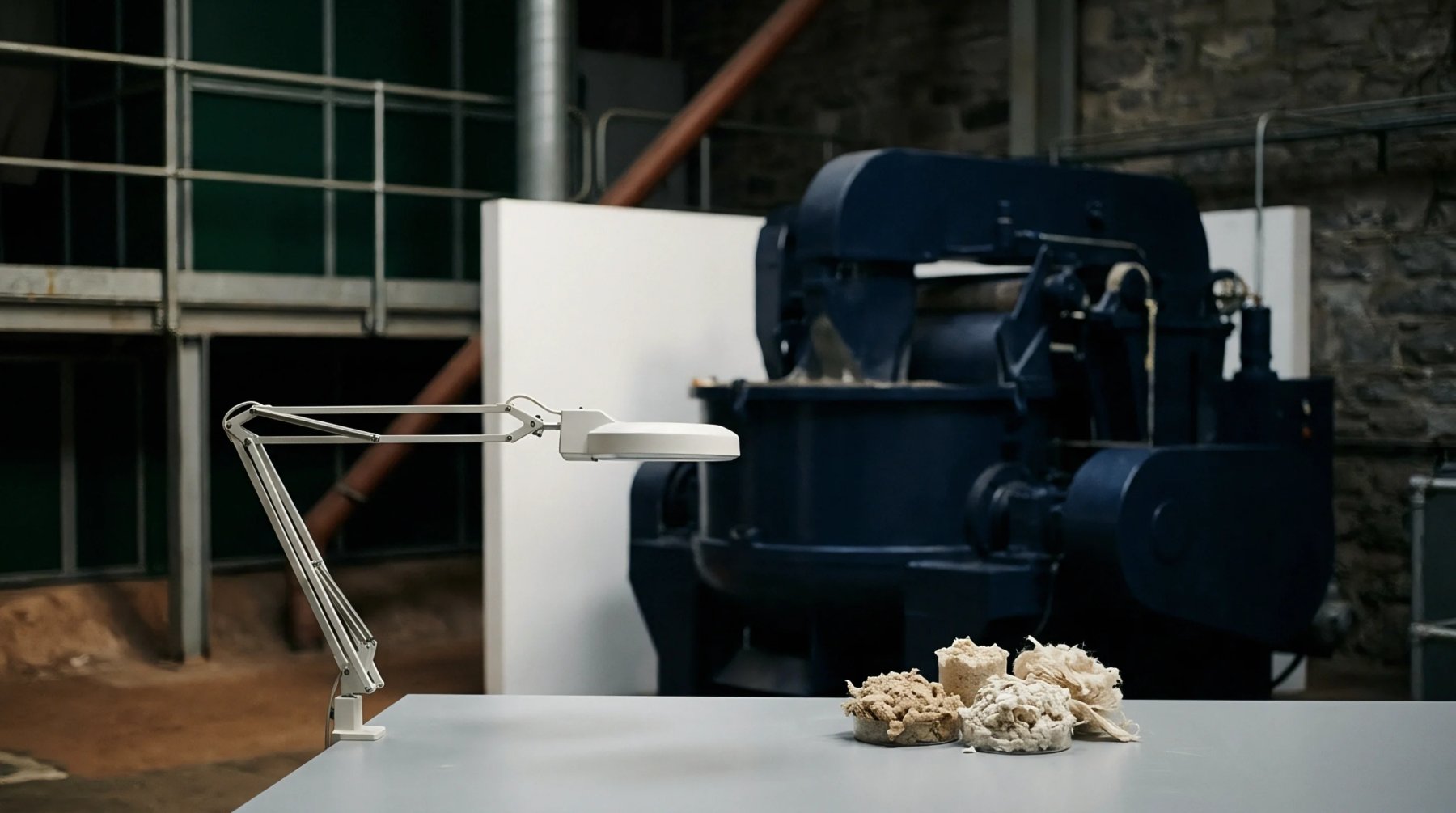
Dynamic multi-phase transport modeling sets hard recycled fiber blending limits and barrier performance criteria to prevent food-contact migration failures.

Functional barrier efficiency requires quantifying MOSH and MOAH lag times and breakthrough rates using Tenax adsorption under validated kinetic conditions.
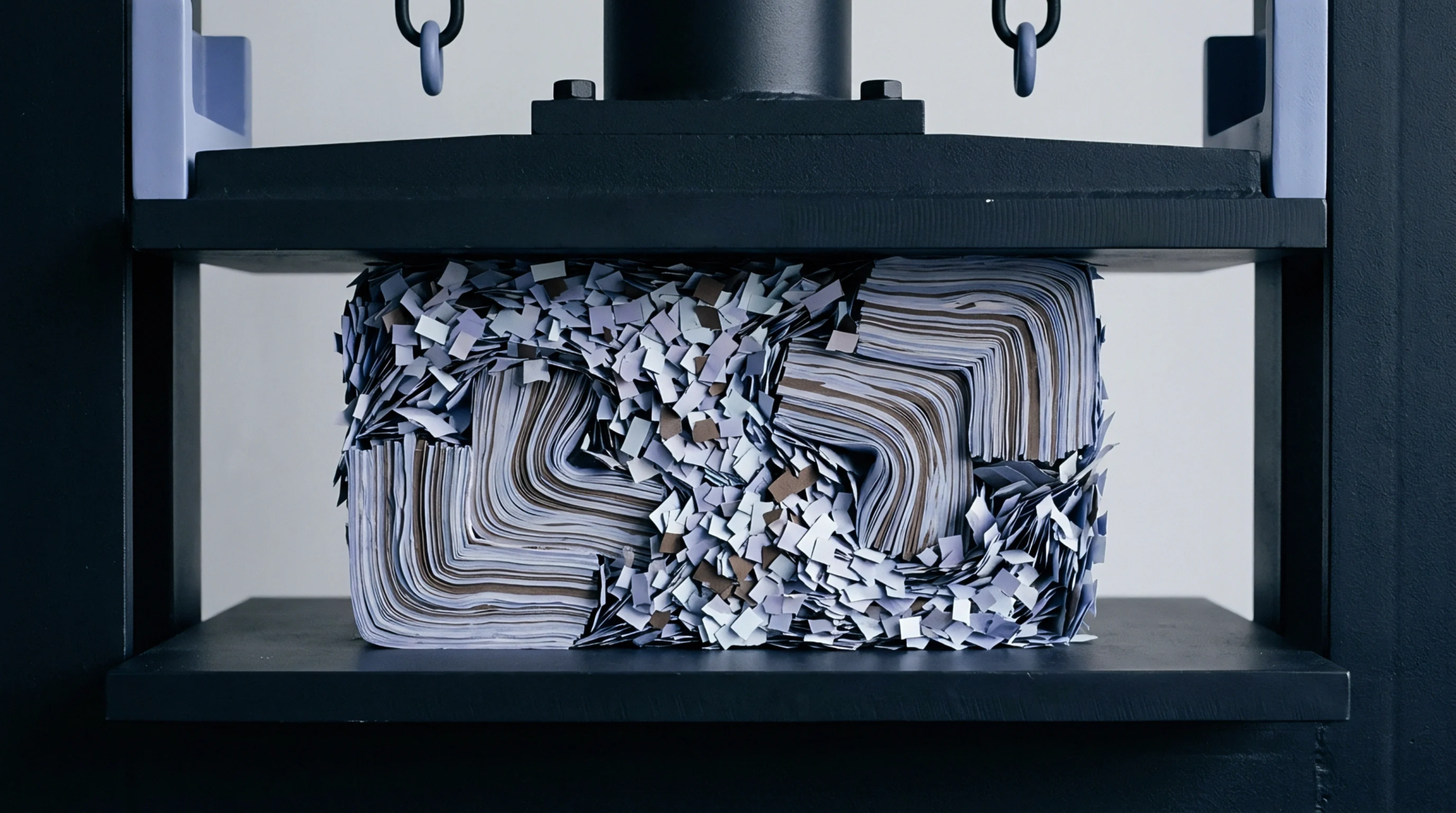
Recycled food packaging isolates MOSH and MOAH migration through verified functional barriers or sorbents tested below 0.5 mg/kg via online HPLC-GC-FID.

Verify ISO/IEC 17025 paperboard scopes and demand EN 16995 LC-GC-FID reports to ensure food contact compliance and prevent border rejections.

Auditing paperboard compliance certificates requires verifying accredited laboratory migration data against regional chemical limits and matching mill batch codes.

Poly(2,6-diphenyl-p-phenylene oxide) replaces liquid simulants for paperboard, preventing fiber collapse during compliance migration testing.

Tenax TA vapor capture combined with LC-GC-FID and chemical epoxidation provides defensible separation of volatile MOSH and MOAH fractions in paperboard.

Functional adsorptive barriers or barrier coatings halt mineral oil vapor migration in recycled paperboard to maintain food contact compliance.

Mitigating matrix interference in recycled fiber extraction requires silver nitrate chromatography and epoxidation to separate target hydrocarbons accurately.
Paperboard LC-GC-FID testing requires ethanol swelling, mCPBA epoxidation, and accurate UCM baseline integration to verify MOSH and MOAH migration compliance.

Verify polymer barrier paperboard through creased Cobb testing, migration simulant suites, Cepi repulpability yields, and lot-matched Declarations of Compliance.

European post-consumer recycled claims depend on matching certified mill scope lines directly to batch delivery notes and mass balance allocation ledgers.

Extractives and migration testing requires matching food simulants, extraction solvents, and analytical thresholds to specific regulatory contact conditions.
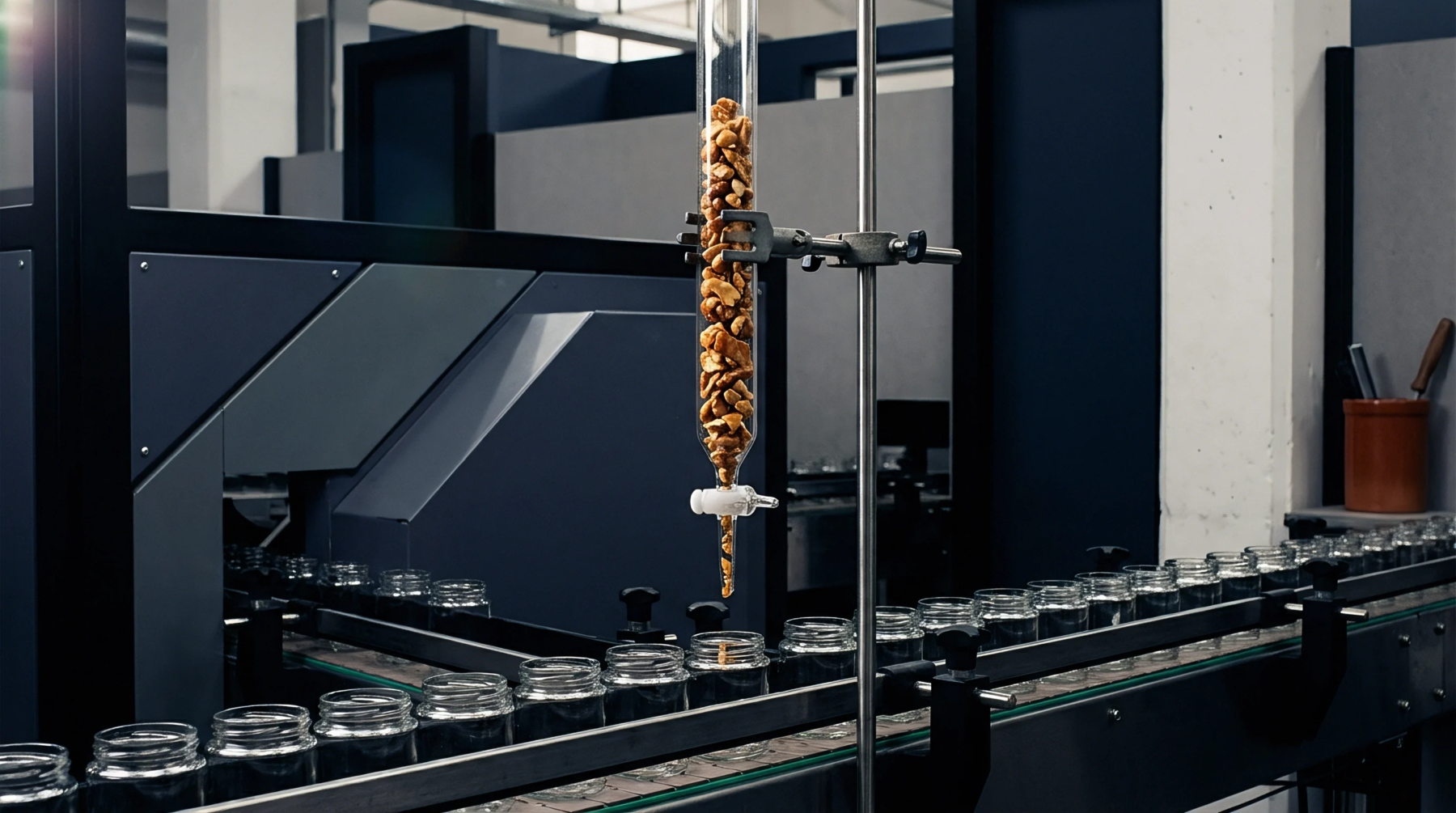
Analytical testing verifies physical furnish markers and migration safety, while administrative chain records prove legal recycled content claims.

Paperboard import compliance depends on linking physical lot numbers directly to accredited chemical assays and verified chain of custody certificates.
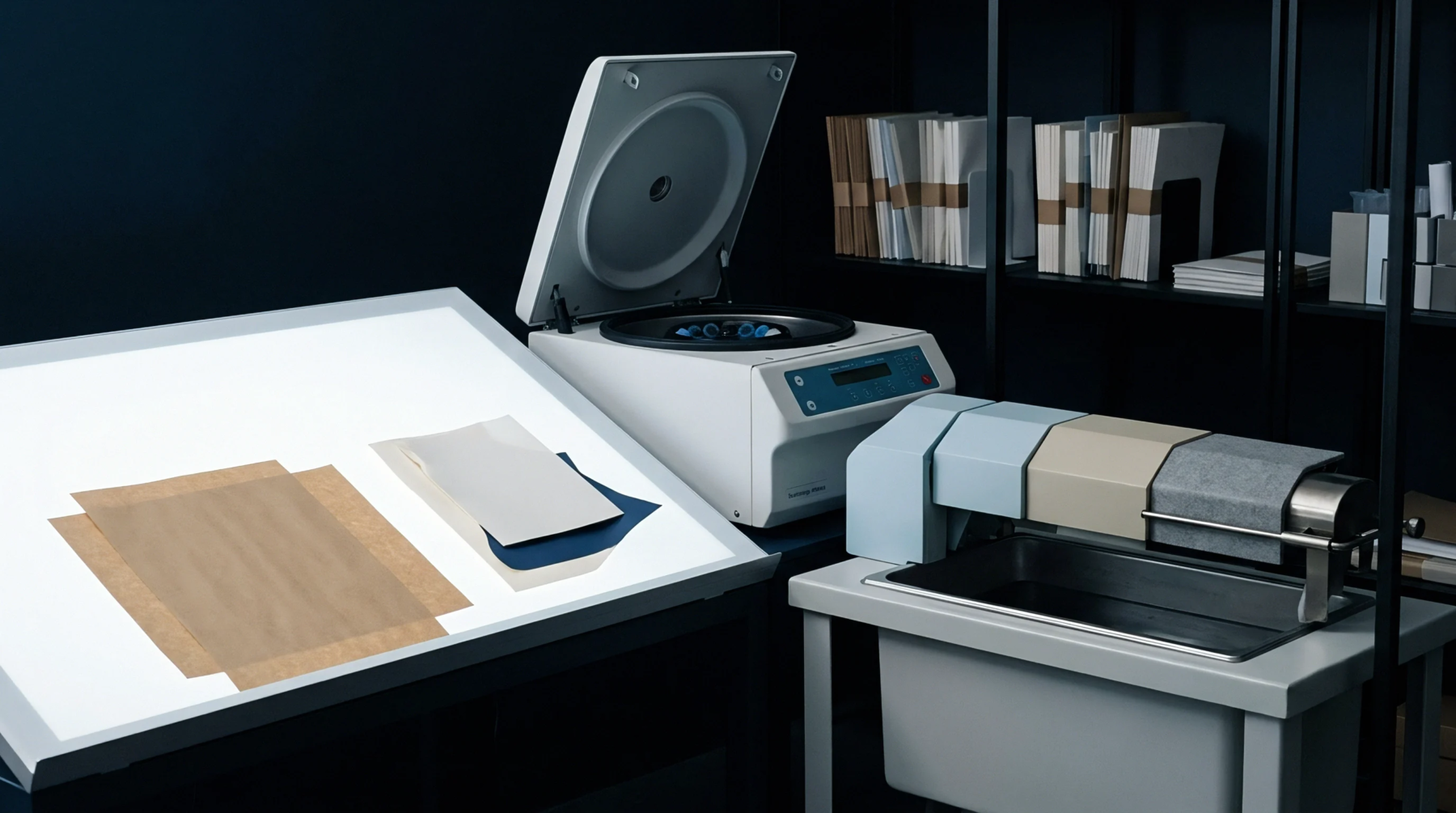
Polymeric coatings block recycled board NIAS migration when layer thickness, crosslinking density, and pinhole frequency meet specific mass transfer criteria.

Paperboard chemical migration testing requires matching food simulants to substrate porosity, using Tenax for dry media and certified barrier qualification.

Modified solid simulant Tenax TA testing under EN 14338 verifies gas-phase MOSH and MOAH migration from recycled paperboard without false-positive wax interference.

Verify hydrocarbon barrier integrity in recycled cartons through LC-GC-FID testing under EN 16995 with Tenax migration simulant to prove MOAH limits under 0.15 mg/kg.
Retailers accept recycled content claims backed by lot-specific chain of custody transaction certificates, valid scope codes, and verified migration test reports.

Regulatory enforcement detains unverified paper packaging at borders, placing absolute financial and chemical compliance liability directly on the importer of record.
Expertise is a utility, not a secret. sentiention™ publishes its working knowledge as open reference: intelligence layer covering the materials it sources, the markets it enters, and the reference that serves both.