
Selecting Food Simulants for Recycled Paperboard Specific Migration Limit Compliance
Recycled paperboard specific migration testing demands solid simulant Tenax or validated substitute media to prevent fiber breakdown and false analytical results.
Recycled paperboard specific migration testing demands solid simulant Tenax or validated substitute media to prevent fiber breakdown and false analytical results.
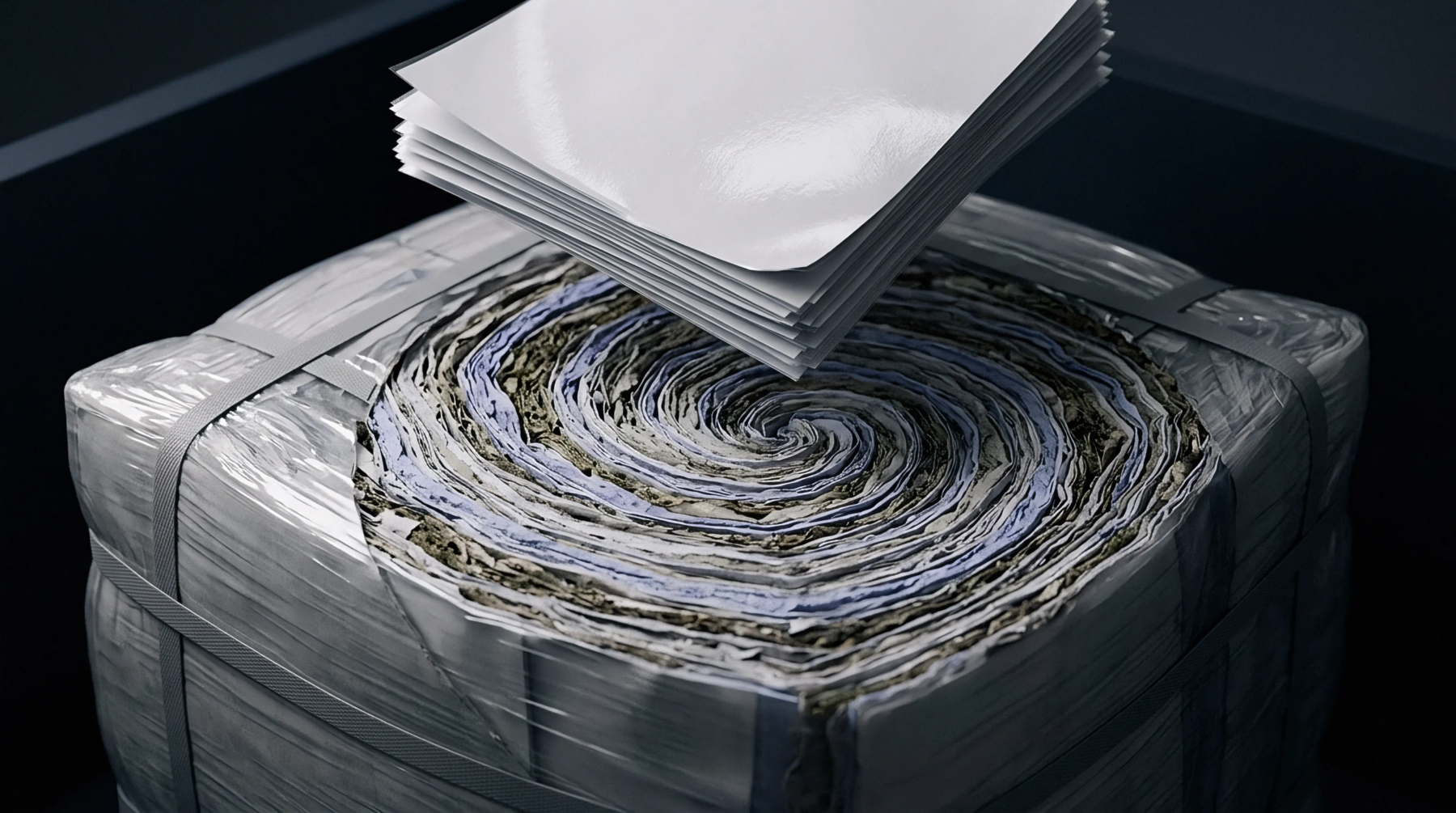
Functional adsorptive barriers or barrier coatings halt mineral oil vapor migration in recycled paperboard to maintain food contact compliance.

Mitigating matrix interference in recycled fiber extraction requires silver nitrate chromatography and epoxidation to separate target hydrocarbons accurately.

Extractives and migration testing requires matching food simulants, extraction solvents, and analytical thresholds to specific regulatory contact conditions.

Paperboard import compliance depends on linking physical lot numbers directly to accredited chemical assays and verified chain of custody certificates.

Verifying imported packaging compliance requires auditing chemical migration reports, chain-of-custody scopes, and declarations of conformity before customs clearance.
Auditing food contact board certificates requires verifying laboratory test simulants, thermal parameters, and surface ratios against real package converting limits.
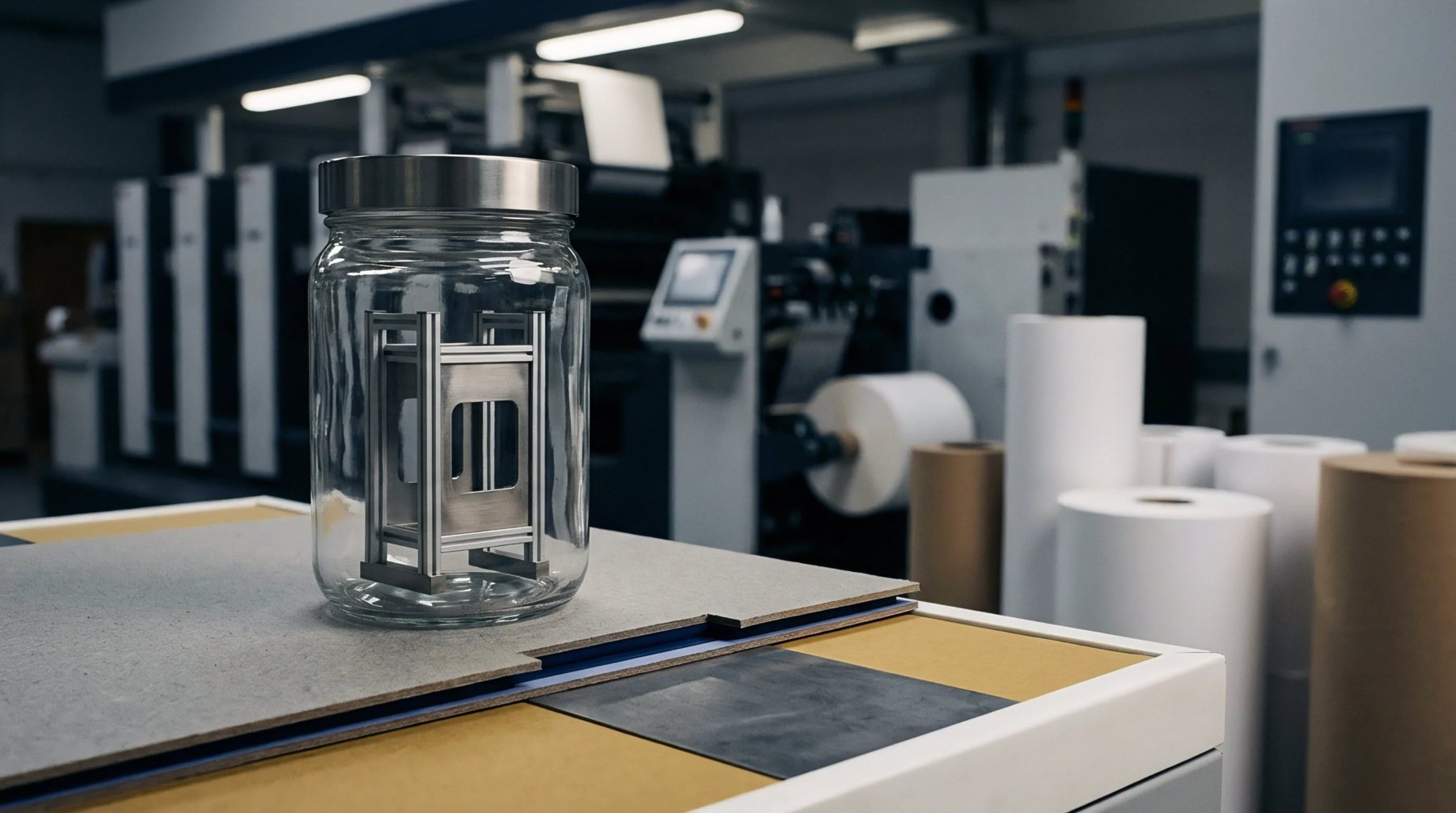
Chemical migration testing for dispersion coated board requires single-sided extraction cells and post-crease migration proofs to account for score-line breaks.
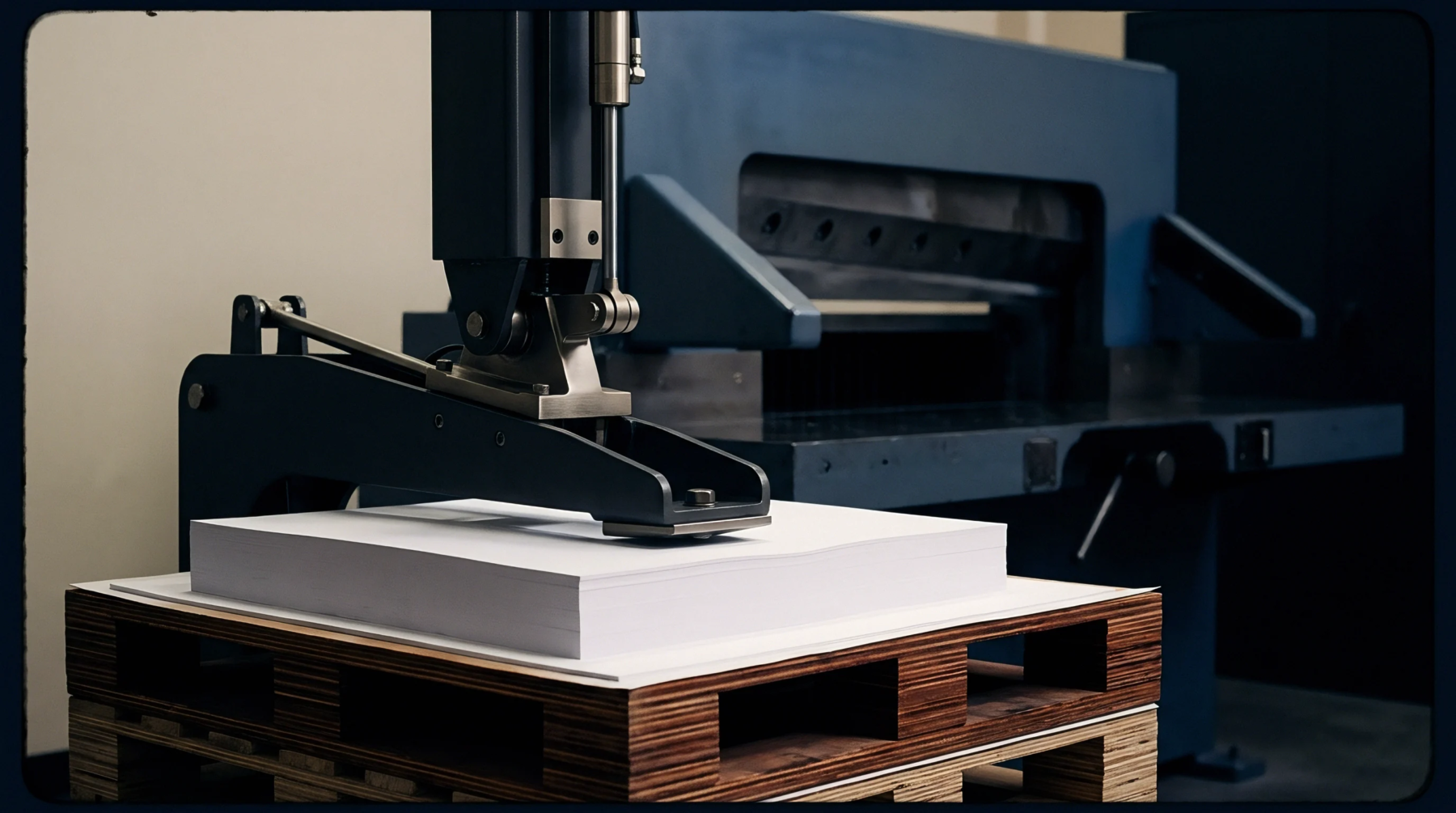
Verify mill test certificates against ISO 2859 sampling on arrival; static swatches omit deckle variance, transit moisture creep, and food migration risks.
Expertise is a utility, not a secret. sentiention™ publishes its working knowledge as open reference: intelligence layer covering the materials it sources, the markets it enters, and the reference that serves both.