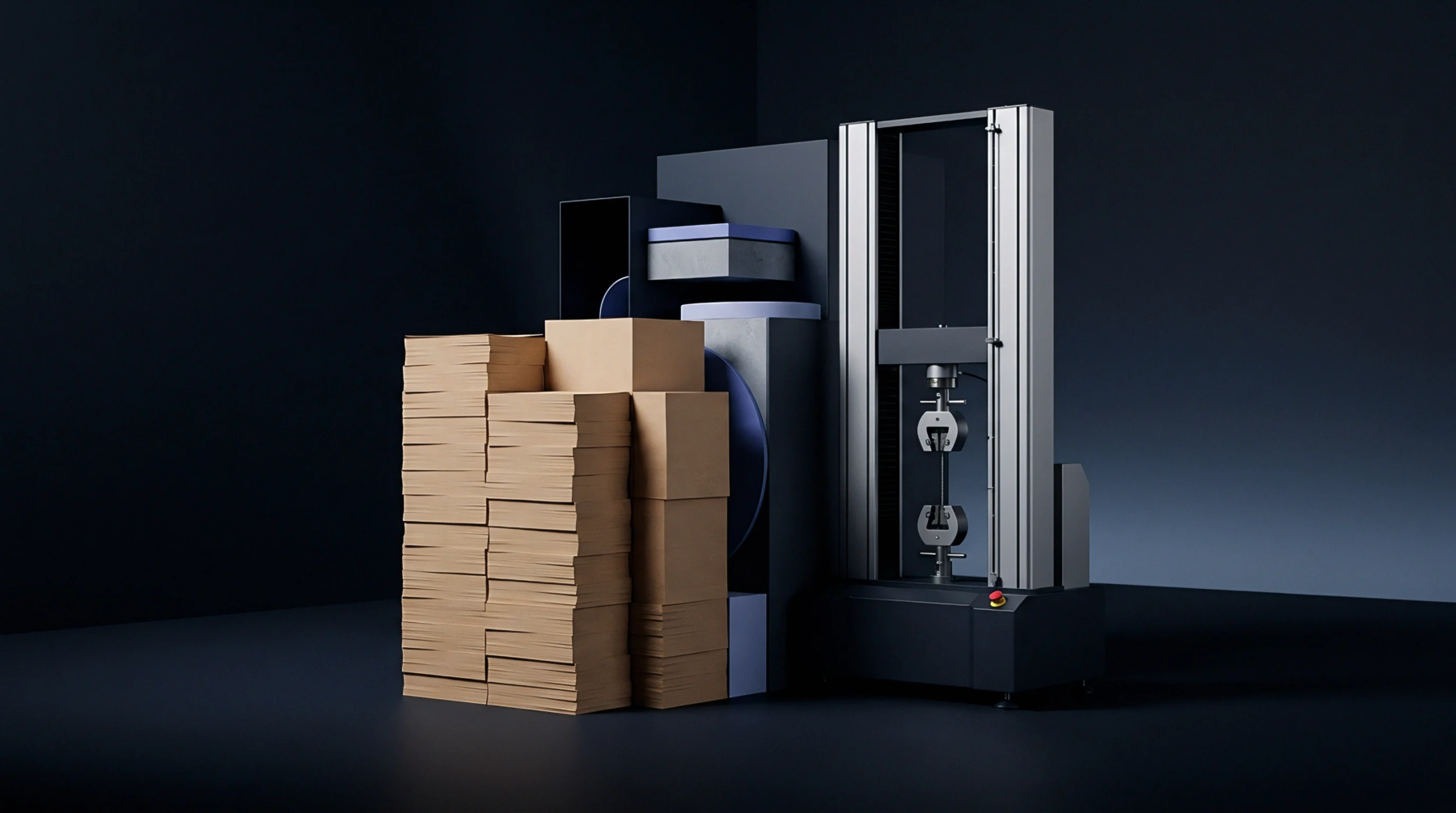
Hygral Stress Dynamics and Edge Waving Mechanics in Recycled Paperboard Skids
Hygral edge waving in recycled paperboard skids results from perimeter moisture absorption driving compressive buckling against a dry, rigid core.
Hygral edge waving in recycled paperboard skids results from perimeter moisture absorption driving compressive buckling against a dry, rigid core.
Recycled paperboard specific migration testing demands solid simulant Tenax or validated substitute media to prevent fiber breakdown and false analytical results.
Chromatographic identification couples GC-MS and LC-HRMS screening with Cramer classification to clear unidentified non intentionally added substances below 0.01 mg/kg.

Cyclic microclimates degrade recycled paperboard inter-ply shear strength through moisture expansion mismatch and starch bond mechanical fatigue.

Tenax TA vapor capture combined with LC-GC-FID and chemical epoxidation provides defensible separation of volatile MOSH and MOAH fractions in paperboard.
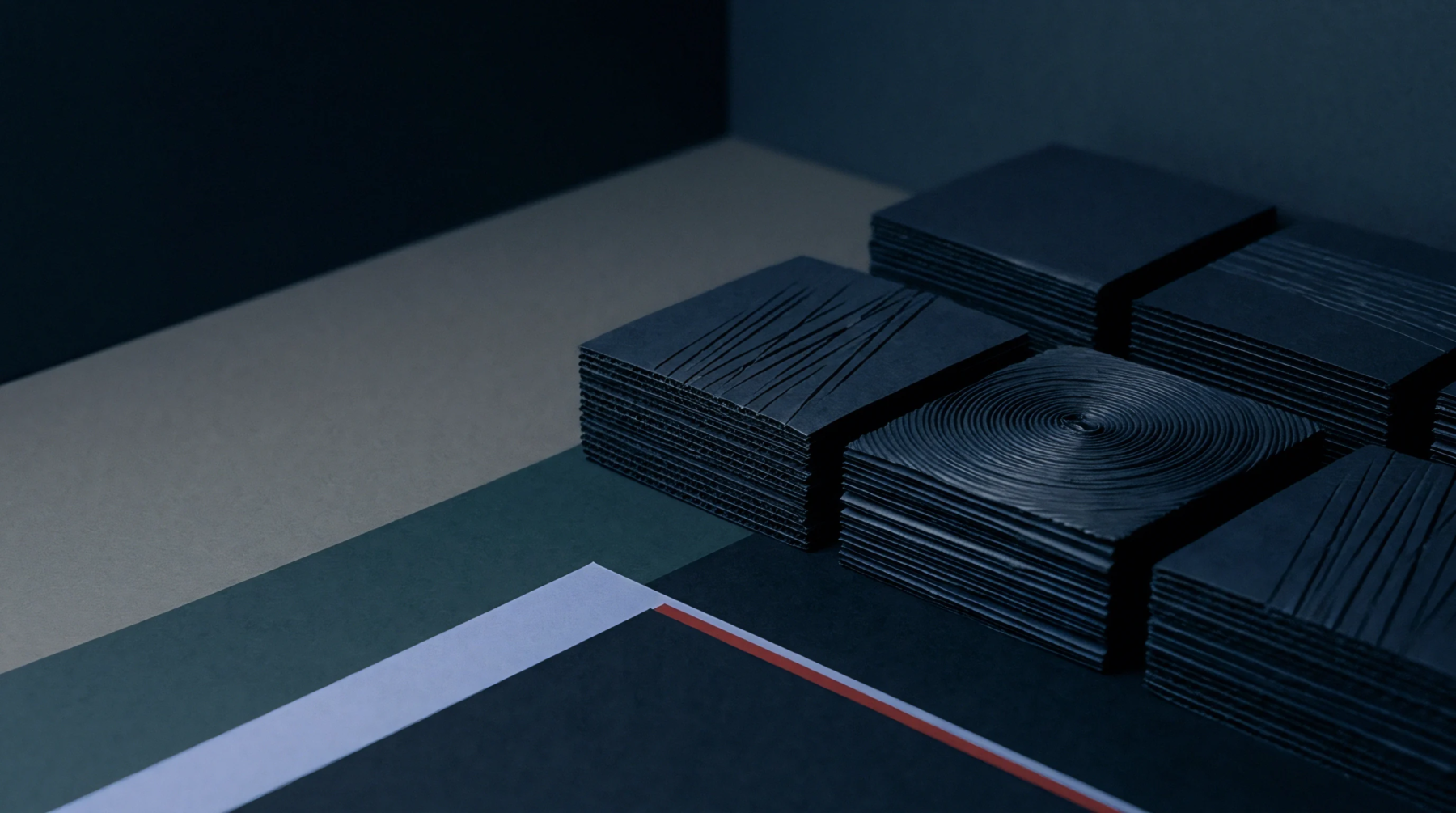
Heat embossing above lignin glass transition temperature locks paperboard relief depth, while controlled dwell time minimizes post-press viscoelastic creep.
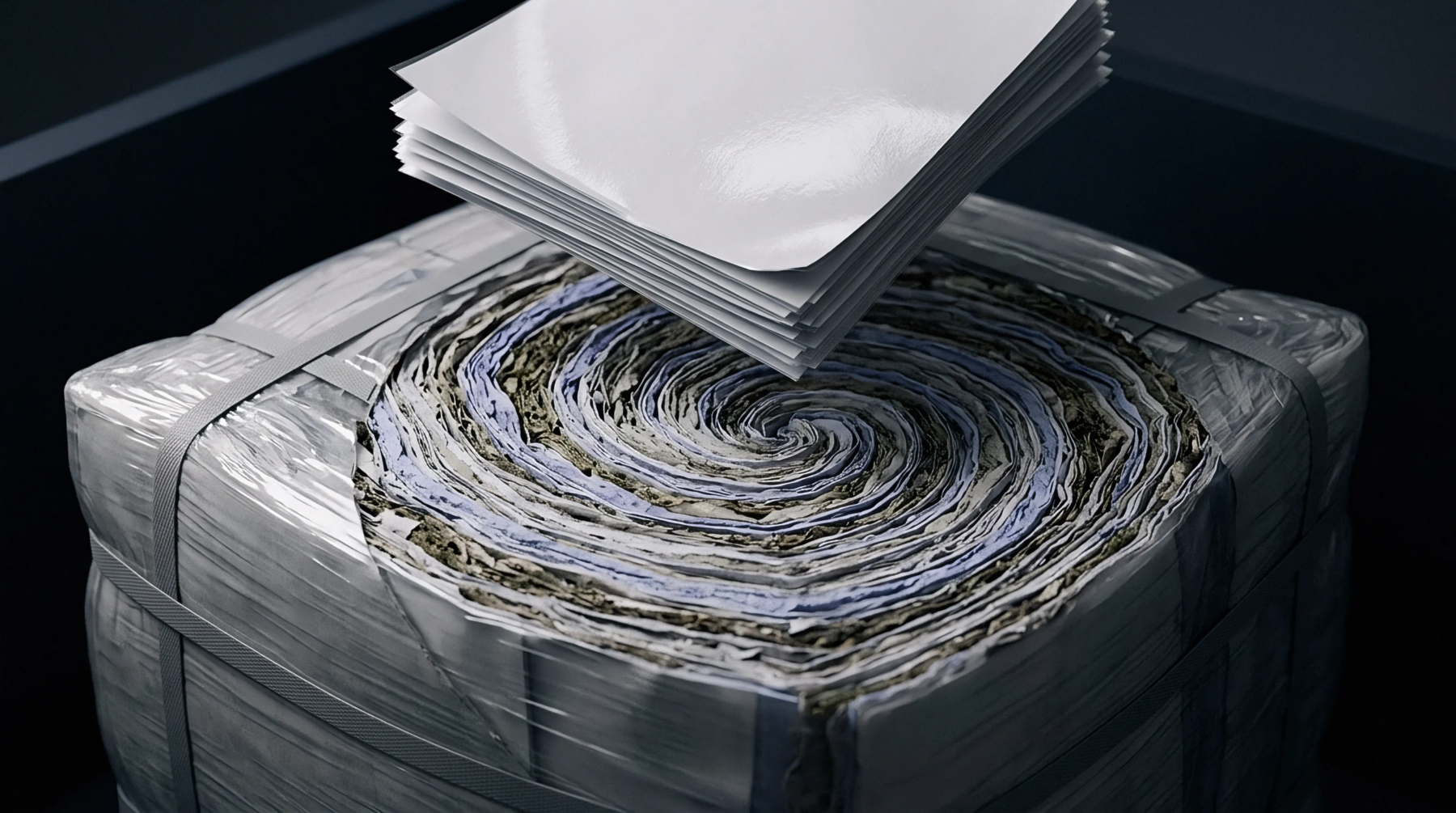
Functional adsorptive barriers or barrier coatings halt mineral oil vapor migration in recycled paperboard to maintain food contact compliance.

Mechanical decurling and fluid rehydration permanently degrade recycled paperboard flexural modulus by shear micro-delamination and fiber plasticization.
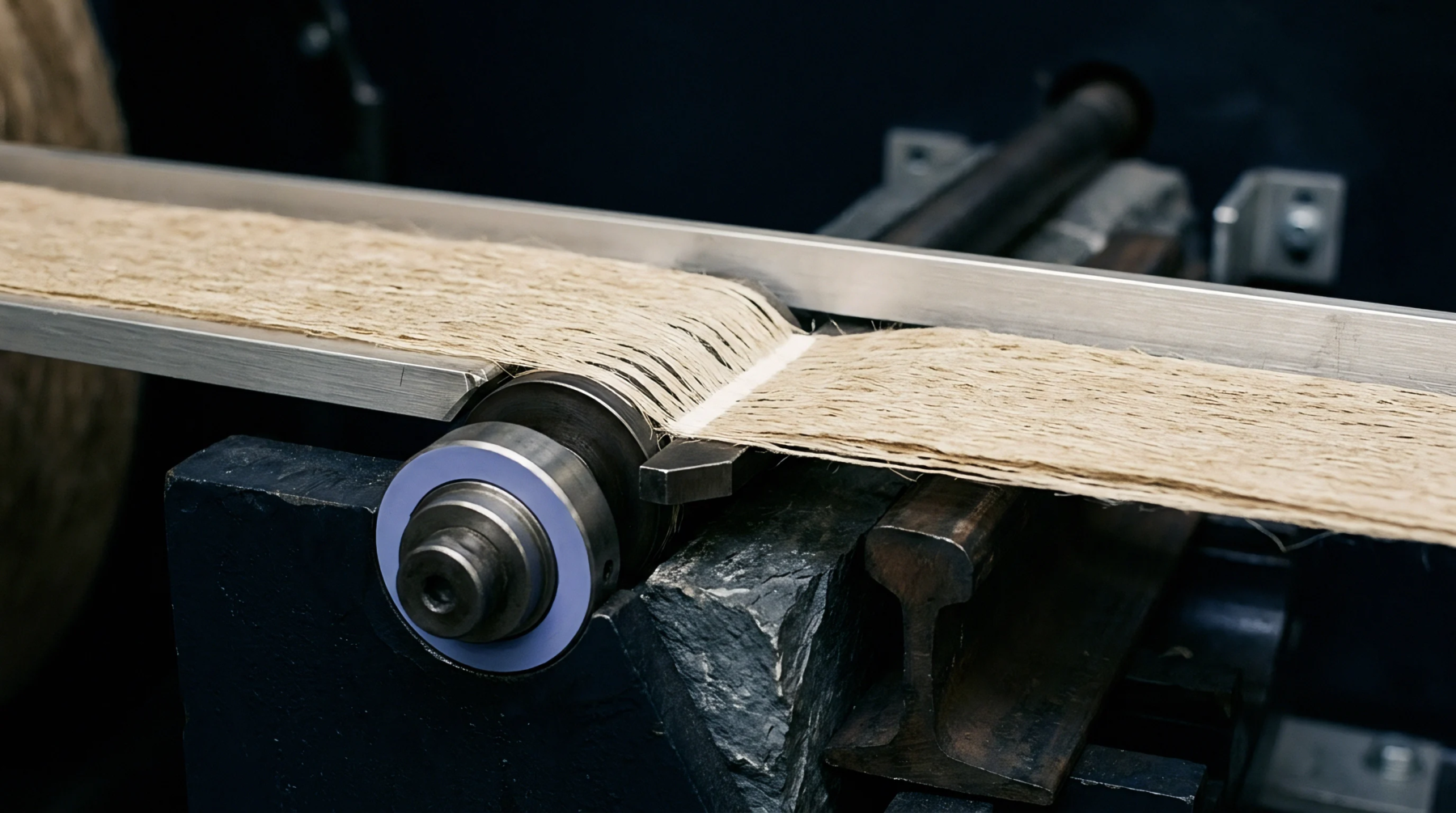
Low-fibre recycled board requires widening female matrix channels to 1.8 times caliper and reducing penetration depth to prevent top-liner rupture.
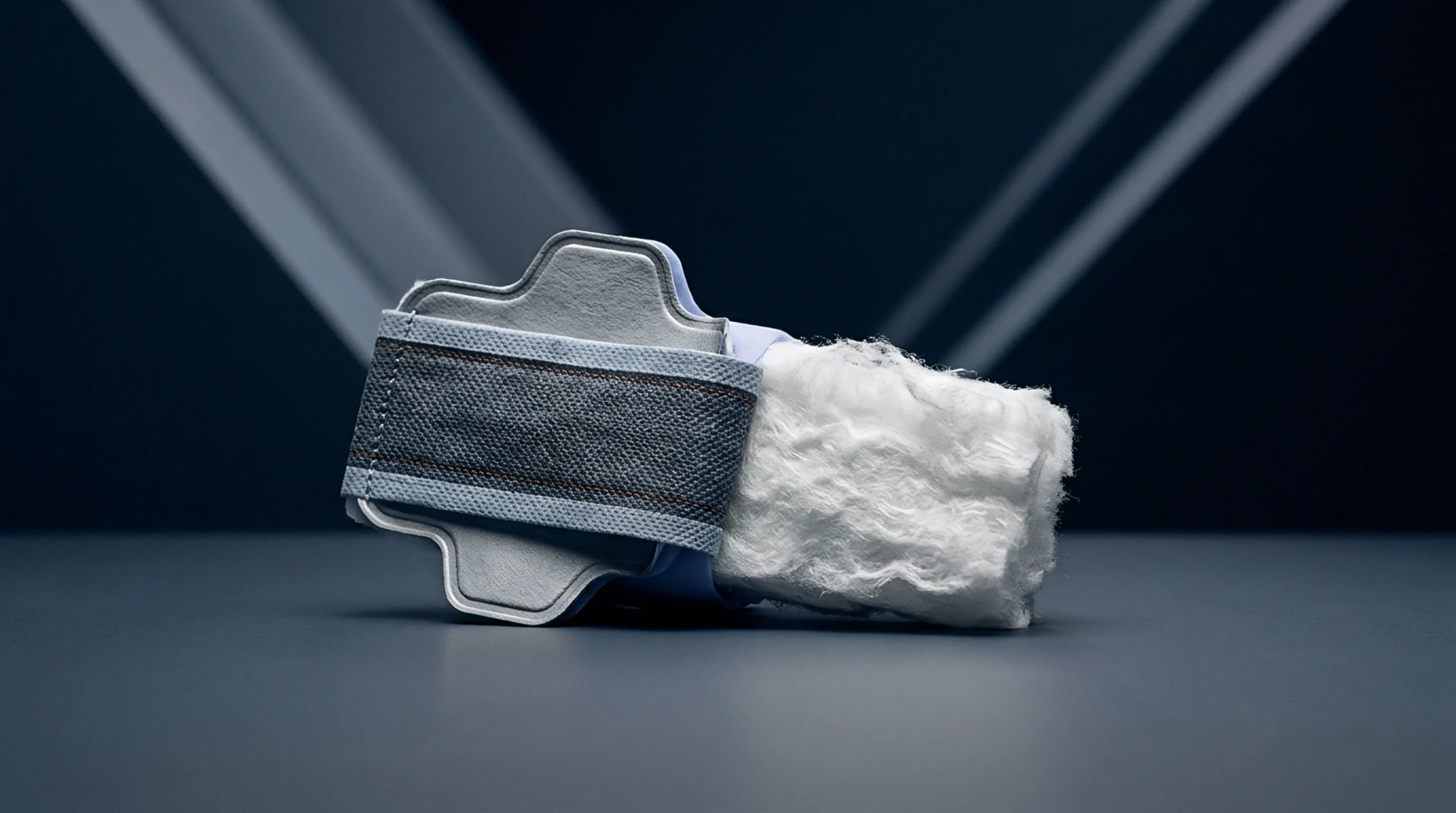
Recycled paperboard strain measurement requires direct optical extensometry under ISO 1924-3 to isolate true sheet elongation from clamp slippage.
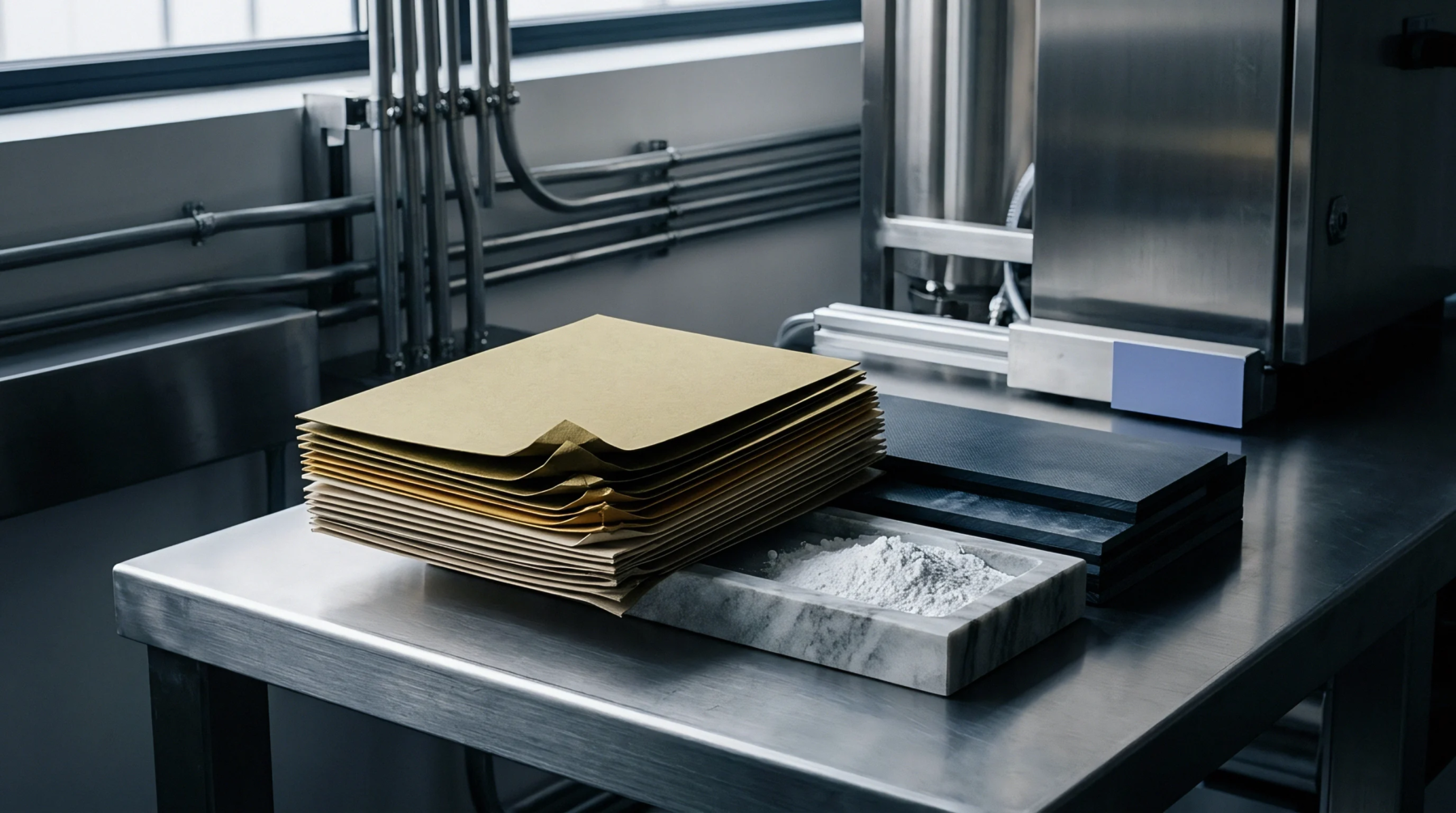
Functional barrier qualification requires gas chromatography verification of saturated and aromatic hydrocarbon migration below detection limits on creased board.

Dynamic surface tension gradients in recycled paperboard cause capillary stalling, uneven ink penetration, and severe converting spoilage.
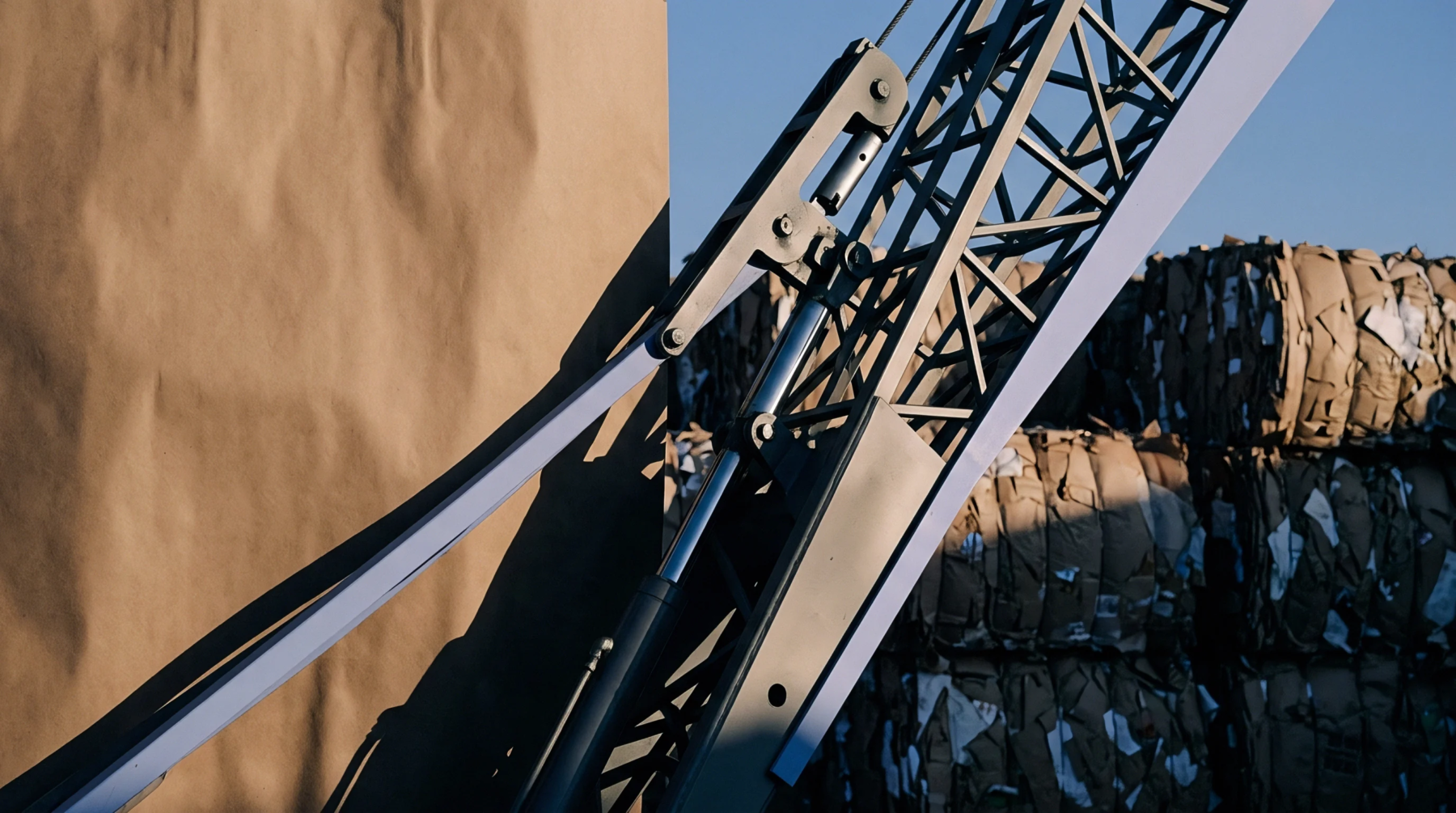
Transverse hygroexpansion in recycled paperboard drives interfiber bond dislocation and mechano-sorptive creep under cyclic moisture, accelerating compressive loss.

Verify hydrocarbon barrier integrity in recycled cartons through LC-GC-FID testing under EN 16995 with Tenax migration simulant to prove MOAH limits under 0.15 mg/kg.
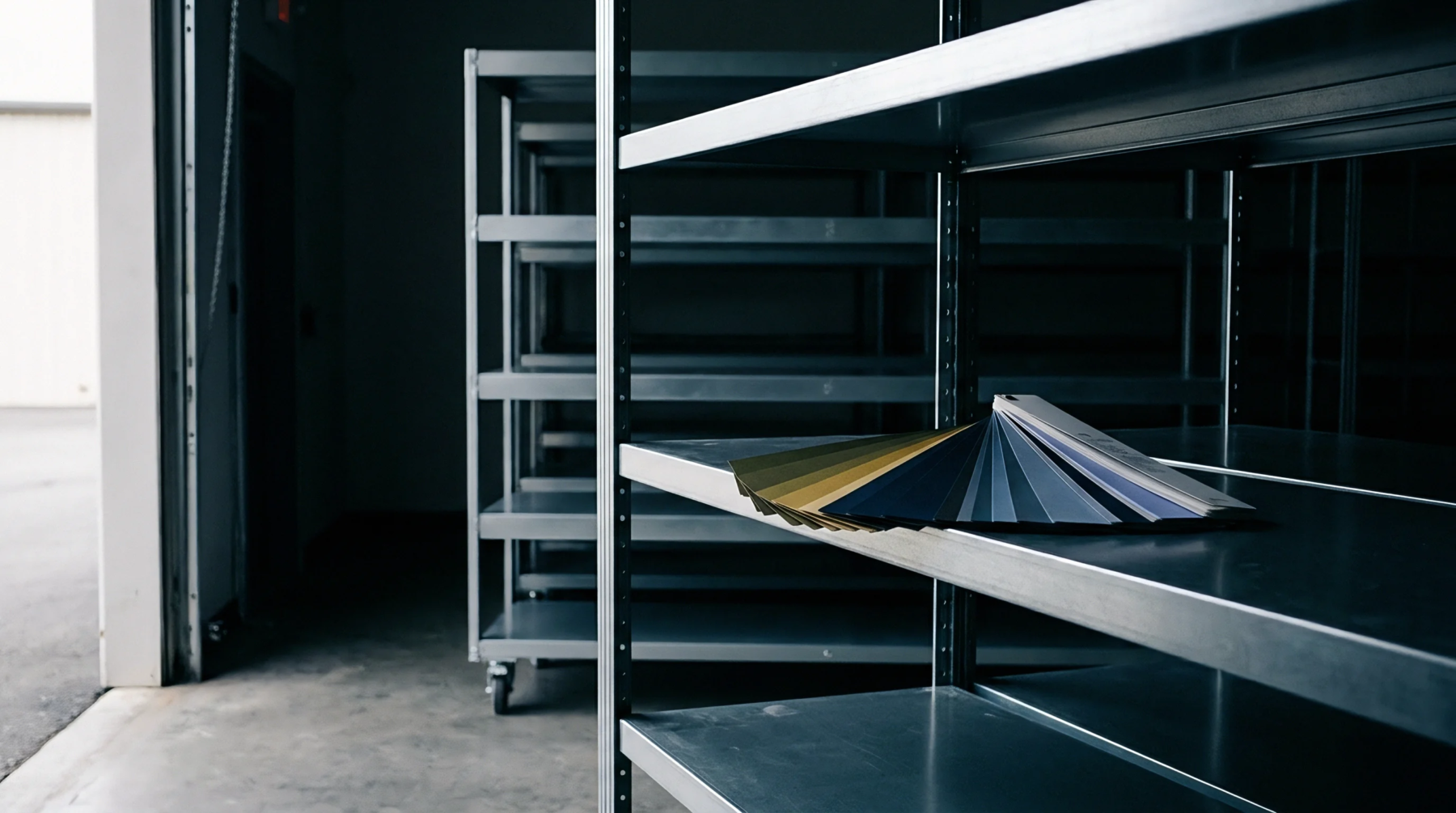
Volatile hydrocarbon qualification in recycled paperboard requires Tenax gas phase migration testing and LC-GC-FID analysis to verify MOAH levels below 0.15 mg/kg.
Unannounced paper grade substitution alters structural fiber bonding and surface chemistry, demanding dockside physical and chemical testing before press loading.
Expertise is a utility, not a secret. sentiention™ publishes its working knowledge as open reference: intelligence layer covering the materials it sources, the markets it enters, and the reference that serves both.