Analytical Qualification Methods for Volatile Hydrocarbon Migration in Recycled Paperboard Packaging
Volatile hydrocarbon qualification in recycled paperboard requires Tenax gas phase migration testing and LC-GC-FID analysis to verify MOAH levels below 0.15 mg/kg.


Substrate
Recycled fibers from post-consumer newsprint and corrugated boxes carry complex chemical residues into paperboard mills. Repulping disperses old printing inks, adhesives, varnishes, and processing aids throughout the wet-end slurry. Screening, flotation deinking, and washing remove large particulate solids, but low molecular weight organic chemicals stay bound to cellulose fibers or trapped inside porous fiber walls.
Folding boxboard made from recycled furnishes ~ classified as GD or GT grades in Europe ~ inherently contains mineral oil hydrocarbons along with various synthetic additives. When dry food is packed in unbarriered GD board, it faces continuous gas-phase migration throughout its shelf life.
Most mineral oils in recovered packaging come from offset printing inks used on newspapers and advertising inserts. Offset inks rely on technical mineral oil distillates containing complex mixtures of saturated and aromatic hydrocarbons. Liquid chromatography coupled with gas chromatography separates these into two main analytical groups.
Mineral oil saturated hydrocarbons consist of linear, branched, and alkyl-substituted cyclic alkanes ranging from 10 to 35 carbon atoms. Mineral oil aromatic hydrocarbons comprise mono-, di-, and poly-aromatic ring systems carrying various alkyl side chains. In traditional offset inks, aromatics make up 15% to 25% of the total mineral oil mass, posing serious toxicological concerns because specific three- to seven-ring alkylated aromatics are potential carcinogens.
Furnish Composition and Residual Contaminant Profiles
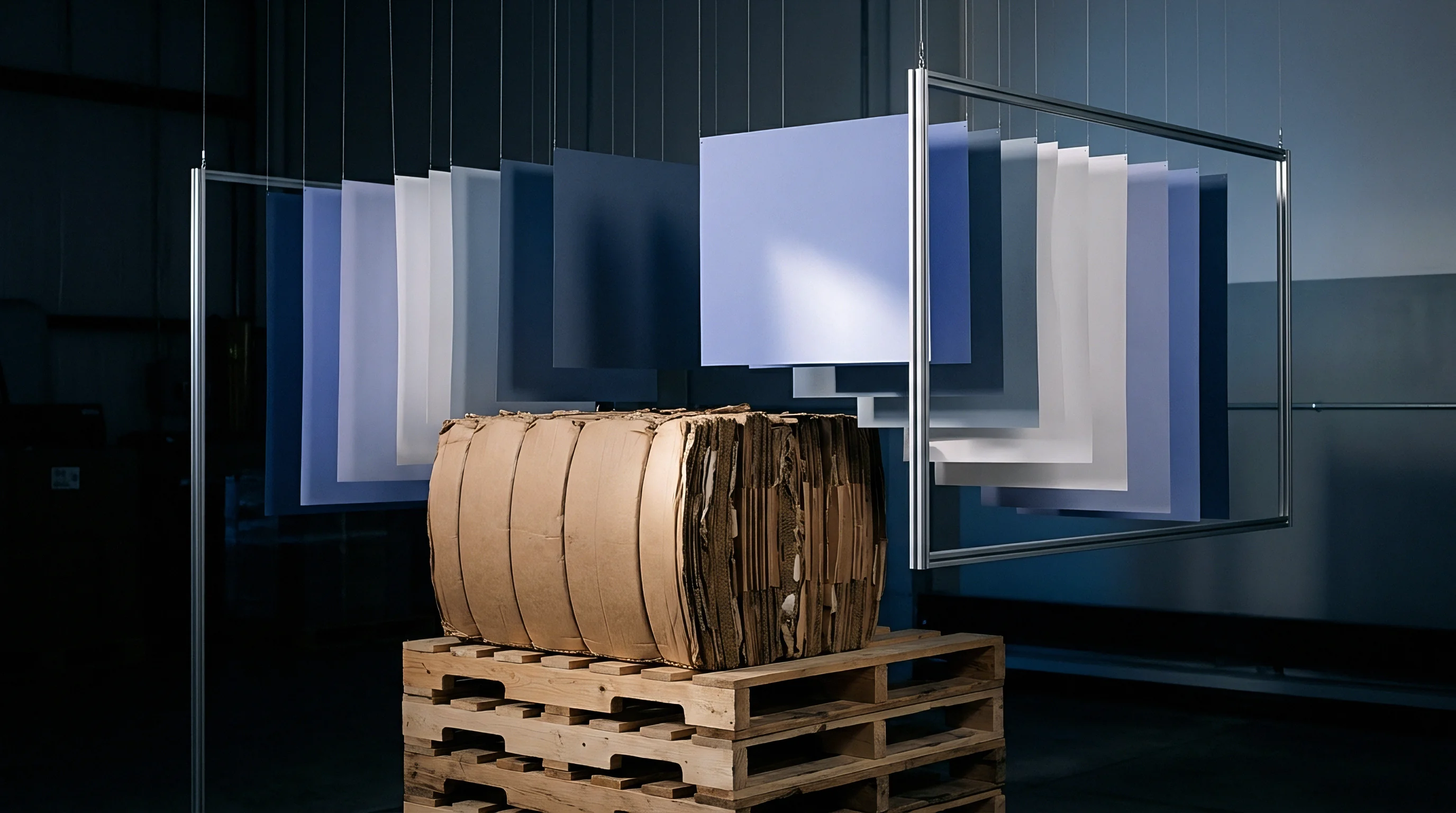
Board made from secondary fibers carries aliphatic and aromatic hydrocarbons from ink binders, adhesives, and processing additives. Secondary fiber retains its chemical history; what goes into the raw waste stream sets the baseline contaminant level in the finished board. Newsprint furnishes yield high concentrations of mineral oils boiling between C14 and C24, which display elevated vapor pressures under ambient storage conditions.
Post-consumer corrugated containers, on the other hand, bring in higher proportions of heavy paraffinic waxes from hot-melt box adhesives, along with synthetic oligomers from wet-strength resins and starch insolubilizers.
Chemical profiles of raw GD board sheets routinely pick up non-mineral hydrocarbon migrants as well. Plasticizers like diisobutyl phthalate and dibutyl phthalate enter the pulp stream through water-based acrylic dispersion adhesives used in converting. Photoinitiators such as benzophenone, 2-isopropylthioxanthone, and 4-methylbenzophenone originate from UV-cured inks on secondary packaging.
Solvent residues like diisopropylnaphthalene, used for dyes in carbonless copy paper, easily survive repulping. Because these co-contaminants co-elute alongside mineral oil fractions during baseline gas chromatography, targeted clean-up is required to avoid false-positive quantification of aromatic hydrocarbons.
- Mineral Oil Saturated Hydrocarbons enter board matrices through coldset inks and functional paraffin waxes, appearing as broad gas-chromatographic humps between C10 and C35 carbon numbers.
- Mineral Oil Aromatic Hydrocarbons originate from solvent-based offset inks and technical lubricants, presenting complex alkylated aromatic ring networks that demand mandatory toxicological isolation.
- Diisopropylnaphthalene Isomers stem from recycled carbonless paper stocks, resisting pulp washing steps and co-eluting directly within the analytical window for bicyclic aromatic hydrocarbons.
- Volatile Photoinitiators transfer into recycled pulps through printed packaging waste, migrating via vapor phase at ambient room temperatures without needing liquid contact.
- Phthalate Plasticizers derive from lamination adhesives and paper coatings, remaining persistently bound within fiber networks until high thermal processing triggers volatile release.

Offset Ink Solvents and Deinking Deficiencies
Traditional coldset and heatset printing rely on mineral distillates boiling between 220 °C and 350 °C to carry pigments onto newsprint. Deinking plants installed in recycled newsprint mills use froth flotation to separate hydrophobic ink particles from hydrophilic wood fibers. While flotation removes polymerized ink particles larger than 10 micrometers, lower molecular weight mineral oil hydrocarbons dissolve into process water or re-absorb into swollen cellulose fibers.
Because modern paper mills operate closed water loops, these soluble and volatile organic compounds build up, establishing an equilibrium between white-water solids and finished paperboard sheets.
Mill-side efforts to eliminate volatile hydrocarbons through paper machine drying cylinders show limited success. Operating temperatures on drying cylinders range from 90 °C to 125 °C, which volatilizes light hydrocarbon fractions below C14. High molecular weight components between C16 and C28 boil above 280 °C and remain firmly trapped in the fiber network during their brief pass through the dryer section.
Board manufacturers substituting mineral oil ink vehicles with vegetable oil binders reduce raw mineral oil inputs, yet post-consumer recycling streams continually reintroduce historical mineral oil distillates into current production runs.
Substituting vegetable-oil-based offset inks across regional commercial printing operations is sometimes expected to reduce total mineral oil content in recycled paperboard below analytical detection limits within three years. However, this expectation misconstrues the decades-long residence time of paper fibers inside international recycling loops, where post-consumer collecting networks mix domestic newsprint, imported packaging, and commercial print waste continuously.
Vapor
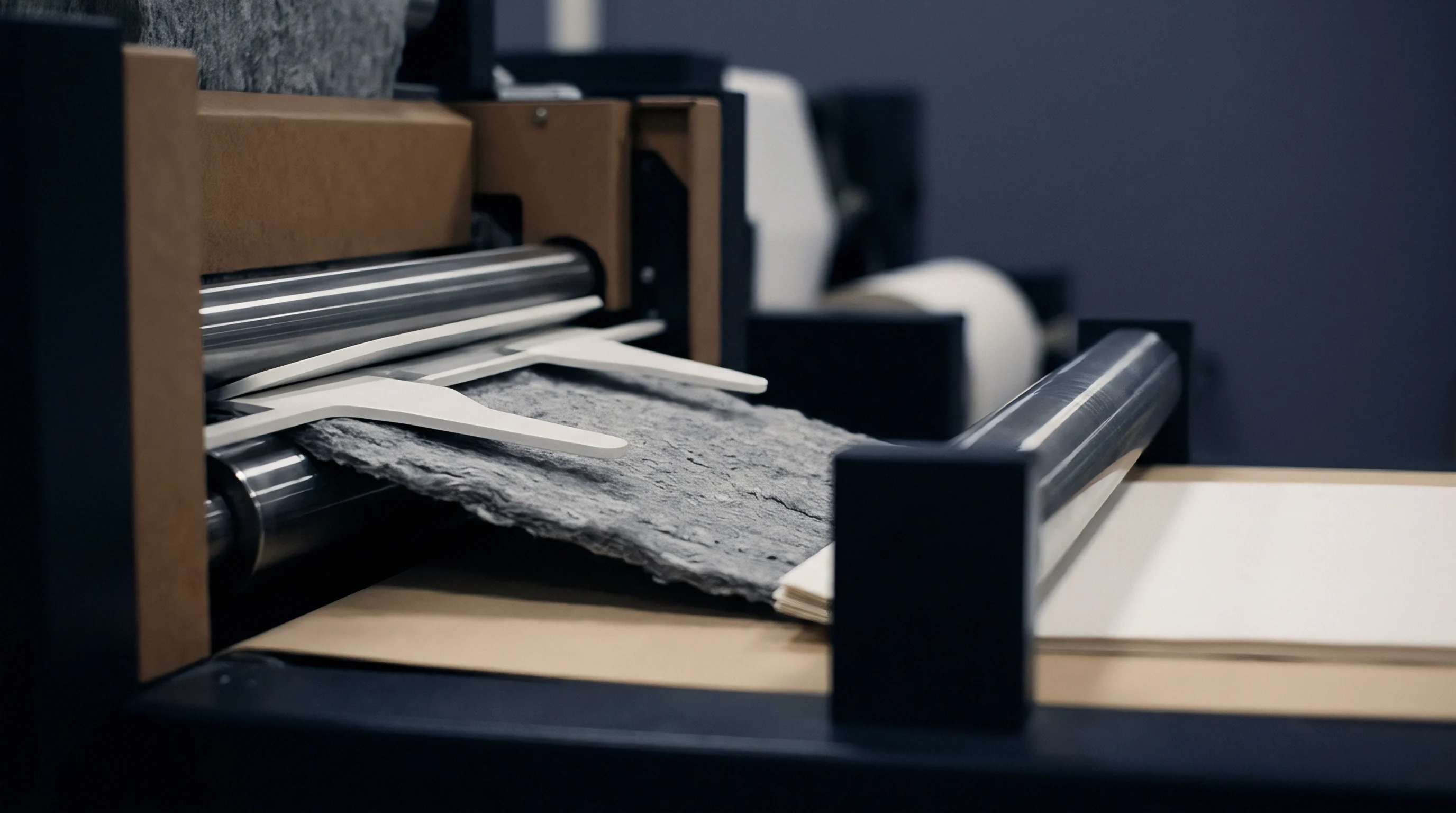
Gas-phase transport is the primary route through which volatile hydrocarbons transfer from boxboard walls into dry food products. Saturated and aromatic hydrocarbon fractions possess measurable vapor pressures at room temperature, enabling continuous volatilization from interior fiber surfaces into internal package headspace. Direct physical contact between paperboard and dry food particles accelerates mass transfer, yet physical separation via air gaps does not halt migration.
Volatile compounds traverse internal air channels, penetrating secondary paper wraps, inner bags, and porous food matrices such as flour, semolina, rice, and cereal flakes.
Partitioning dynamics between the paperboard matrix, the internal headspace, and the food phase follow thermodynamic equilibrium principles governed by Henry’s law constants and compound-specific diffusion coefficients. The rate of gas-phase migration correlates inversely with molecular weight and carbon number. Hydrocarbons in the volatility range from C10 to C20 exhibit rapid migration rates, achieving equilibrium between board and dry food within days at ambient temperatures.
Fractions between C21 and C28 migrate at slower rates, requiring months of continuous storage to reach partition equilibrium. Hydrocarbons exceeding carbon number C30 show negligible vapor-phase transport at 20 °C, remaining localized within the cellulose matrix unless thermal processing elevates package temperature.
Volatile hydrocarbons below carbon number C20 migrate across internal air gaps to establish package equilibrium long before high molecular weight fractions break through cellulose fiber walls.

Thermodynamics of Partitioning and Volatility Bands
Atmospheric pressure inside folded cartons drives the volatilization of saturated and aromatic fractions possessing standard boiling points below 350 °C. The saturated vapor concentration of an individual alkane or alkylated cycloalkane dictates its mass flux across the boundary layer between board surface and void space. Mathematical modeling of migration relies on the diffusion coefficient of the migrant within the paperboard matrix and its partition coefficient between the paper pulp phase and air. Diffusion coefficients in cellulose matrices range from 10-9 cm2/s for C10 hydrocarbons down to 10-13 cm2/s for C25 compounds at 20 °C.
Temperature variation substantially alters equilibrium partitioning constants, shifting high molecular weight fractions from the condensed pulp phase into the volatile headspace phase. Thermal acceleration models demonstrate that elevating ambient packaging temperatures from 20 °C to 40 °C increases the vapor pressure of C18 to C24 mineral oil components by an order of magnitude. Consequently, migration testing conducted at elevated temperatures to simulate extended ambient shelf life must account for non-linear changes in kinetic transport mechanisms to prevent artificial skewing of analytical results.
| Hydrocarbon Fraction | Carbon Range | Boiling Point Range (°C) | Vapor Pressure at 20 °C (Pa) | Matrix Diffusion Coefficient (cm²/s) | Dominant Migration Pathway |
|---|---|---|---|---|---|
| Volatile MOSH / MOAH | C10 ~ C14 | 174 ~ 253 | 1.2 × 10¹ to 8.5 × 10⁻¹ | 4.2 × 10⁻⁹ | Rapid gas-phase evaporation |
| Semi-Volatile MOSH / MOAH | C15 ~ C20 | 268 ~ 343 | 5.4 × 10⁻¹ to 1.1 × 10⁻³ | 8.1 × 10⁻¹¹ | Headspace diffusion and contact |
| Low-Volatility MOSH / MOAH | C21 ~ C25 | 356 ~ 402 | 8.2 × 10⁻⁴ to 6.3 × 10⁻⁶ | 3.5 × 10⁻¹² | Slow gas-phase and direct contact |
| Heavy Mineral Oil / Wax | C26 ~ C35 | 416 ~ 489 | 1.5 × 10⁻⁶ to 4.0 × 10⁻⁹ | 1.2 × 10⁻¹⁴ | Direct physical contact only |
Storage Conditions and Mass Transfer Acceleration
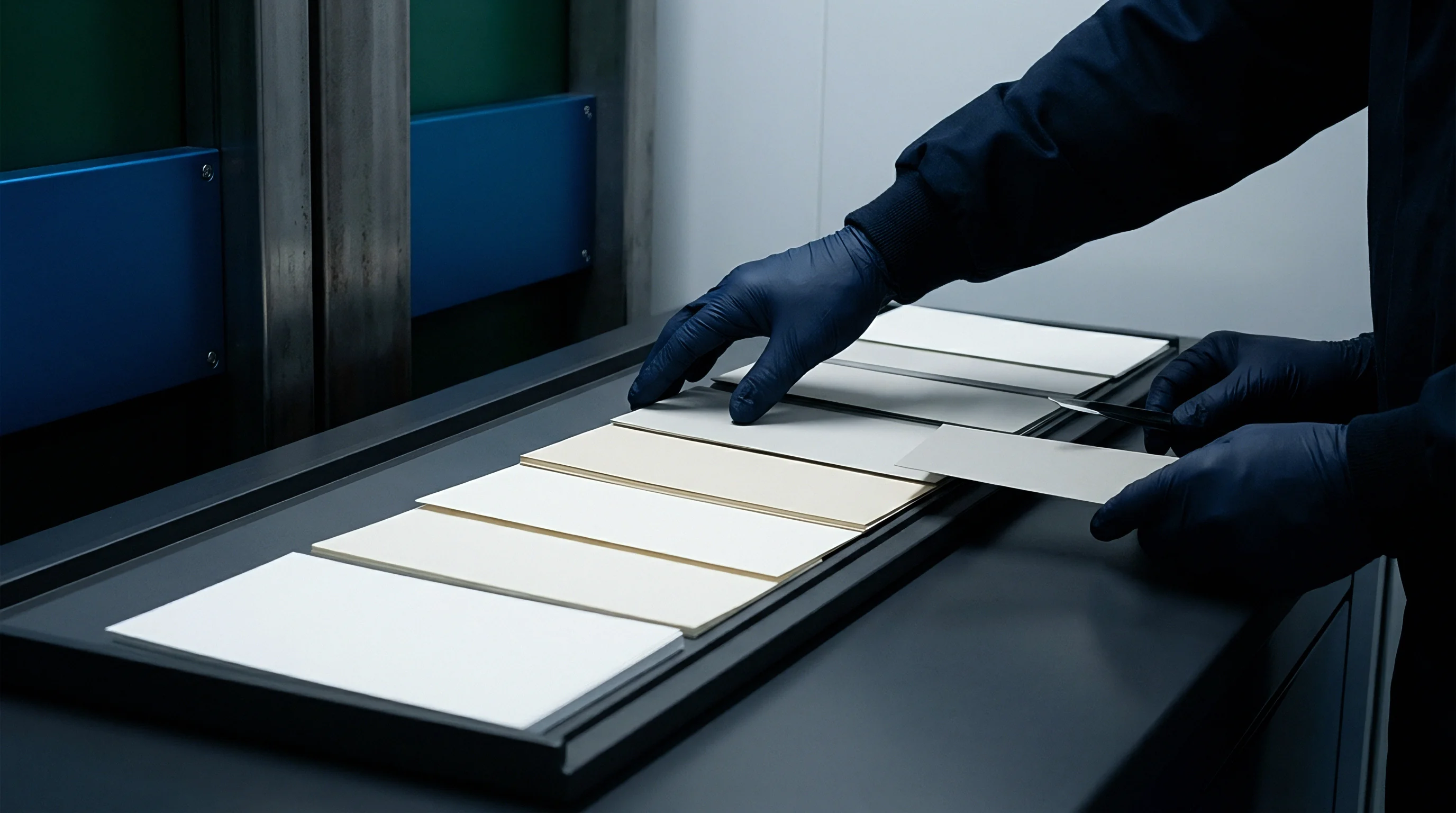
Ambient thermal fluctuations during warehousing alter equilibrium constants between paper matrices and internal headspace. Temperature spikes experienced during transport in unventilated shipping containers push semi-volatile mineral oil fractions into the gas phase. Once volatilized, these compounds condense onto colder package surfaces or absorb into dry food products possessing high specific surface areas and lipophilic fat contents.
High-fat dry foods, such as egg noodles, cocoa powder, and baking mixes, act as thermodynamic sinks, continuously depleting headspace migrant concentrations and driving further volatilization from the board wall.
Relative humidity inside the storage environment plays an indirect role in mass transfer kinetics. Water vapor molecules absorbed by cellulose fibers disrupt inter-fiber hydrogen bonding, inducing micro-swelling of the paperboard matrix. Matrix swelling increases free volume within fiber walls, enhancing the effective diffusion coefficient of absorbed hydrocarbon molecules.
When evaluating paperboard stored at 80% relative humidity, migration rates for C16 to C22 hydrocarbons increase by 35% compared to identical packaging kept at 50% relative humidity.
Higher fat content in packed food increases total hydrocarbon sorption, while absorbed moisture swells cellulose fibers and accelerates vapor-phase transport across the matrix.


Trap
Modified polyphenylene oxide porous polymers collect gaseous molecules released from board samples during standardized migration exposures. Standard EN 14338 establishes protocols for determining volatile hydrocarbon transfer from paper and board using modified polyphenylene oxide, commercially marketed under the tradename Tenax, as a solid adsorbent for dry food simulant applications. Tenax exhibits high thermal stability up to 350 °C, exceptional hydrophobic properties preventing moisture retention during testing, and chemical inertness toward aliphatic and aromatic hydrocarbons.
The solid simulant sits in direct physical contact with or suspended above the board sample inside sealed stainless steel or glass migration cells during thermal conditioning cycles.
Designing migration qualification procedures requires balancing accelerated testing conditions against physical reality. Test conditions specified in EN 1186 and EN 14338 utilize elevated temperatures, such as 10 days at 60 °C, to model long-term ambient storage up to two years. Elevated thermal exposure accelerates the kinetic rate of hydrocarbon transport from the paperboard matrix into the adsorbent trap.
However, exposure settings exceeding 60 °C risk inducing physical degradation of synthetic adhesives and wax components present in the board, generating migrant profiles that do not occur during real-world ambient packaging lifecycles.
What Extraction Medium Prevents Volatile Recovery Artifacts?
Polymeric adsorbents such as Tenax TA retain organic compounds with carbon chains from C10 to C35 without absorbing high molecular weight cellulose fragments. Liquid extraction of paperboard samples using volatile organic solvents like n-hexane, ethanol, or dichloromethane extracts the total chemical content contained within the board wall, including non-migrating heavy wax components and insoluble resin binders. Solvent extraction measures raw substance presence, failing to differentiate between volatile compounds capable of migrating via vapor phase and fixed structural components.
Solid-phase traps isolate the fraction capable of entering package headspace under controlled temperature and time regimes.
Headspace solid-phase microextraction and thermal desorption cold-trap methods complement solid simulant testing by eliminating solvent extraction steps entirely. Direct thermal desorption places a measured paperboard specimen inside a heated quartz tube, passing inert carrier gas over the sample to sweep volatilized compounds directly onto a cryogenic focusing trap. Programmed thermal heating of the trap injects the focused sample band onto a gas chromatography column.
Thermal desorption yields complete quantitative recovery of volatile hydrocarbons up to C25 while preventing degradation artifacts caused by reactive extraction solvents or liquid trace impurities.
- Cut ten representative paperboard specimens measuring exactly 1.0 square decimeter from sample sheets, ensuring edge surfaces remain clean and free of cutting debris.
- Condition the specimen discs in a climate-controlled chamber at 23 °C and 50% relative humidity for 24 hours to achieve moisture equilibrium.
- Mount each specimen disc inside a clean stainless steel migration cell, placing 4.0 grams of pre-extracted Tenax powder uniformly across the board surface exposed to food contact.
- Seal the migration cells hermetically using fluoropolymer gaskets and clamping rings to prevent external atmosphere exchange during heating cycles.
- Transfer the assembled migration cells into a calibrated forced-air convection oven maintained at 60.0 °C for an exposure duration of exactly 10 days.
- Remove cells from the oven, allow them to cool to room temperature, and quantitatively transfer the exposed Tenax powder into glass extraction thimbles.
- Extract the trapped hydrocarbon migrants from the Tenax matrix using three consecutive 20-milliliter washes of high-purity n-hexane.
- Concentrate the combined solvent extracts to a final volume of 1.0 milliliter using a gentle stream of nitrogen gas at 35 °C prior to chromatographic analysis.

Headspace Sampling and Thermal Desorption Workflows
Direct thermal release of organic molecules into capillary gas chromatographic columns eliminates solvent interference and evaporation losses. Automated thermal desorption units utilize two-stage desorption architecture to maintain sharp chromatographic peak focus. Primary desorption heats the board specimen to temperatures between 100 °C and 120 °C for 15 minutes under a helium flow of 50 milliliters per minute.
Volatiles released from the sample collect on a secondary sorbent trap packed with Tenax TA cooled to -30 °C by thermoelectric Peltier elements. Rapid ballistic heating of the secondary trap at 40 °C per second sweeps focused analytes onto the analytical column, yielding narrow peak widths necessary for complex isomer resolution.
When optimizing thermal desorption parameters, temperature selection dictates the upper carbon number boundary of recovered migrants. Setting desorption temperature to 100 °C quantitatively sweeps compounds up to C20 while excluding non-volatile triglycerides and heavy waxes. Raising desorption temperature to 160 °C extends recovery up to C30, but risks inducing thermal breakdown of synthetic acrylic binders and polyvinyl acetate adhesives inside the paperboard furnish.
Optimization requires matching thermal desorption oven parameters against the target migration limit specifications set by regulatory authorities.
Validation of thermal desorption trapping efficiency relies on internal standard spiking directly onto unexposed board samples. Deuterated alkane standards, including d34-hexadecane and d50-tetracosane, added to the matrix prior to thermal extraction enable precise correction for recovery losses across volatile and semi-volatile carbon ranges. Recovery rates for deuterated surrogates between C12 and C24 must consistently fall between 85% and 115% to validate desorption cell gas flow dynamics.


Chromatography
Online coupling of high-performance liquid chromatography with gas chromatography and flame ionization detection (LC-GC-FID) provides quantitative separation of MOSH and MOAH fractions. Standard EN 16995 sets out this analytical methodology for vegetable oils and dry foods, establishing the baseline framework for packaging migration testing. The system uses a silica gel LC column to separate saturated from aromatic hydrocarbons based on polarity differences.
The saturated fraction elutes first in an n-hexane mobile phase, followed by backflushing of the silica column with dichloromethane to isolate the aromatic fraction. Both liquid fractions transfer automatically through early-solvent vapor exit interfaces into separate capillary gas chromatography columns equipped with flame ionization detectors.
Gas chromatographic analysis of mineral oil fractions yields unresolved complex mixtures that register as continuous baseline humps rather than discrete, sharp chromatographic peaks. Alkylated isomers present in mineral oil distillates comprise thousands of individual chemical structures whose retention times overlap completely. Flame ionization detectors respond proportionally to carbon mass across all hydrocarbon structures, enabling quantification of the total area under the unresolved complex mixture hump.
Calibration against known concentrations of linear alkanes establishes retention time windows corresponding to specific carbon number ranges, typically reported as C10 ~ C16, C16 ~ C20, C20 ~ C25, and C25 ~ C35 fractions.
Online coupled LC-GC-FID testing provides absolute quantification of total MOSH and MOAH mass fractions by measuring the integral area of unresolved chromatographic humps against calibrated alkane response factors.
Hyphenated Liquid and Gas FID Measurement Protocols
Online coupled silica gel liquid column separation isolates saturated hydrocarbons from aromatic hydrocarbons before direct transfer into parallel gas columns. Liquid chromatography column dimensions typically utilize 250 millimeter length by 2.1 millimeter internal diameter packed with 5-micrometer silica particles deactivated with water. Retention time calibration ensures clean cutting between MOSH and MOAH fractions.
Diphenylether and 1-methylnaphthalene serve as critical retention markers, defining the precise valve switching point where the liquid chromatograph diverts the aromatic fraction away from the saturated effluent stream.
Gas chromatographic separation utilizes non-polar thin-film capillary columns, such as 100% dimethylpolysiloxane, measuring 15 meters in length with an internal diameter of 0.53 millimeters. Short, wide-bore columns with thin stationary phase films (0.1 to 0.15 micrometers) facilitate high-temperature elution of heavy hydrocarbons up to C45 without excessive column bleed. The column oven temperature program starts at 50 °C, holds for solvent evaporation, and ramps at 15 °C to 20 °C per minute to a final limit of 350 °C. Flame ionization detection provides linear signal response across four orders of magnitude, maintaining equal response factors per gram of carbon for linear, branched, and cyclic alkanes.
| Parameter / Metric | MOSH Fraction Target | MOAH Fraction Target | Validation Criteria / Tolerance |
|---|---|---|---|
| LC Stationary Phase | Silica Gel 60 (5 μm) | Silica Gel 60 (5 μm) | 100% resolution between fractions |
| Mobile Phase Eluent | 100% n-Hexane | Dichloromethane / n-Hexane | Zero cross-fraction contamination |
| GC Column Phase | 100% Dimethylpolysiloxane | 100% Dimethylpolysiloxane | Film thickness ≤ 0.15 μm |
| Detector System | Flame Ionization (FID) | Flame Ionization (FID) | Linear range > 10⁴ |
| Limit of Quantification (LOQ) | 0.5 mg/kg food simulant | 0.15 mg/kg food simulant | Signal-to-noise ratio ≥ 10:1 |
| Internal Standard Recovery | Bicyclohexyl (90 ~ 110%) | 1-Methylnaphthalene (85 ~ 115%) | Mandatory per injection batch |

Interference Removal and Two Dimensional Mass Spectrometry
Wood pulps contain natural terpenes, phytosterols, stirenes, and resin acids, while polyolefin packaging materials introduce synthetic alpha-olefins and oligomers. These unsaturated hydrocarbons elute within the MOAH fraction during liquid chromatographic cutting, inflating quantified aromatic concentrations. Epoxidation reaction using performic acid generated in situ selectively transforms carbon-carbon double bonds in alkenes into polar oxirane rings while leaving aromatic ring systems unreacted, enabling clean removal during liquid chromatography clean-up.
Comprehensive two-dimensional gas chromatography coupled with time-of-flight mass spectrometry (GCxGC-TOF-MS) provides ultimate structural characterization of complex hydrocarbon mixtures. The two-dimensional technique couples a non-polar primary capillary column to a polar secondary capillary column via a thermal modulator. The primary column separates compounds based on boiling point, while the secondary column separates based on polarity and aromaticity within a modulation cycle time of two to four seconds.
GCxGC produces structured two-dimensional contour plots where mono-aromatic, di-aromatic, and tri-aromatic isomers separate into distinct horizontal bands, resolving individual alkylated chemical classes completely isolated from endogenic wood components.
Unbarriered folding boxboard shows an average MOAH baseline migration of 1.8 mg/kg food simulant. Quality control inspects gas chromatograms for unresolved complex mixture humps before raw material batch approval, audits laboratory extraction reports to confirm solvent blank corrections were applied, and sets thermal desorption parameters at 110 °C to match dry food contact conditions.
Integration errors during unresolved complex mixture baseline drawing inflate reported aromatic values, triggering unjustifiable batch rejections and commercial disputes between converters and packaging buyers.
Screen
Barrier layers applied to recycled board surfaces arrest hydrocarbon transfer by reducing diffusion coefficients across the packaging wall. Functional barriers prevent volatile hydrocarbon migration through three distinct physical mechanisms: continuous physical obstruction using low-permeability polymers, chemical sorption using active high-surface-area adsorbents, or reactive immobilization. Extrusion-coated polymers like polyethylene terephthalate, ethylene vinyl alcohol, and polyamide form dense polymer networks that dramatically restrict gas molecule mobility.
Aqueous dispersion coatings based on modified acrylics or polyvinylidene chloride provide sprayable or printable barrier films directly on the paperboard machine.
Evaluating functional barrier performance requires measuring breakthrough time and lag phase kinetics using volatile surrogate compounds. A functional barrier must maintain migrant levels in food below applicable toxicological thresholds throughout the intended commercial shelf life. Standard testing protocols challenge barrier boards with surrogate cocktails containing compounds of varying molecular size, vapor pressure, and chemical functionality.
Typical surrogate mixtures incorporate n-heptane, toluene, cyclohexanone, cyclodecane, diphenylether, and benzophenone to simulate the transport behavior of MOSH and MOAH fractions across temperature ranges.
Functional barrier qualification demands zero breakthrough of volatile surrogate compounds across a minimum 10-day testing duration at 60 °C, proving diffusion lag phase longevity.

Surrogate Spiking and Barrier Efficiency Quantification
Standardized challenge testing incorporates volatile tracer compounds with known carbon numbers to model long term migration protection. Spiking procedures apply a precise quantity of surrogate mixture onto the outer, non-food contact surface of the board specimen or inject surrogates into an upstream challenge chamber. The board sample forms the dividing membrane between the challenge chamber containing high surrogate concentrations and an downstream acceptor chamber containing Tenax adsorbent or continuous gas sweep lines leading to an FID detector.
Barrier efficiency percentage calculates directly from migrant concentration ratios measured across barriered and unbarriered control board samples. A barrier coating achieving 99% efficiency reduces a 50 mg/kg board contaminant level down to less than 0.5 mg/kg total migration into the food simulant. However, evaluating efficacy solely on percentage reduction introduces errors when dealing with extremely high baseline contaminant levels.
Functional qualification requires absolute mass quantification in milligrams per kilogram of packed food simulant, verifying compliance with numerical statutory limits regardless of initial pulp contamination severity.
Pinholes, Cracks, and Mechanical Barrier Failures
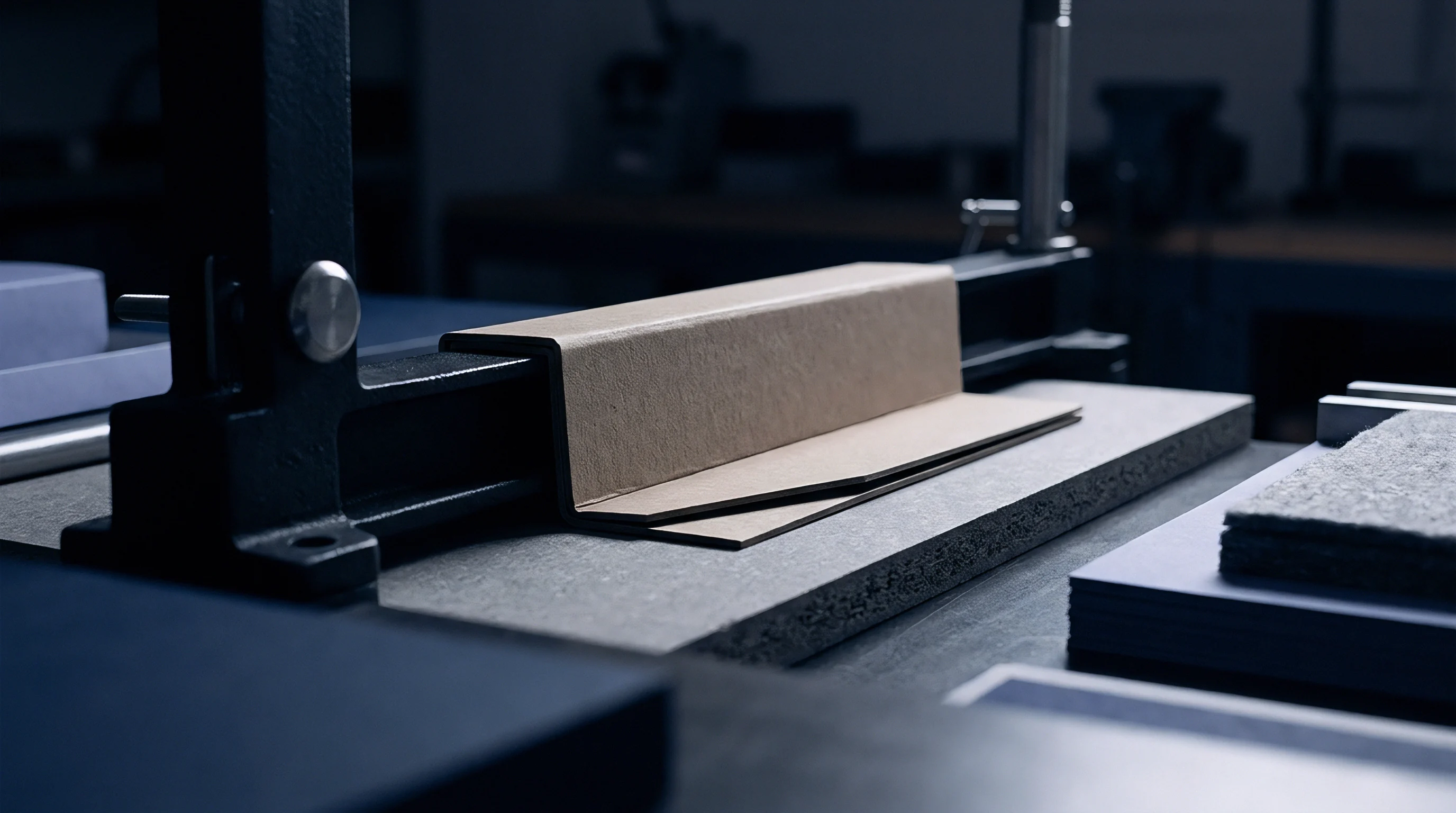
Creasing, scoring, and folding during carton converting generate micro-fractures in extrusion coatings and dispersion barriers. Packaging line converting stress bends paperboard through 180-degree angles, inducing tensile forces that exceed the yield elongation limit of rigid polymer films. While an uncreased board sample demonstrates complete functional barrier protection during laboratory testing, score lines on finished folding cartons frequently suffer coating rupture.
Crease integrity testing mandates performing migration qualification directly on folded, creased box specimens cut from converted production cartons rather than flat mill sheets.
Cross-sectional scanning electron microscopy and helium leak detection evaluate mechanical film integrity along converted crease lines. Helium gas testing pressurizes the exterior wall of a folded carton while monitoring helium mass concentration inside the interior volume using a mass spectrometer leak detector. Helium leak rates exceeding 10-6 mbar·L/s correlate directly with early volatile hydrocarbon breakthrough along micro-cracks.
Selecting dispersion polymers modified with elastomeric co-monomers enhances film flexibility, enabling coatings to stretch across paper fibers during creasing without forming continuous vapor channels.
| Barrier Technology Type | Coat Weight (g/m²) | Crease Flexibility Index | Surrogate Lag Time at 40 °C (Days) | MOSH Barrier Efficiency (%) | MOAH Barrier Efficiency (%) |
|---|---|---|---|---|---|
| Extruded Polyethylene Terephthalate (PET) | 15.0 | Excellent | 730 | 99.9% | 99.9% |
| Aqueous Acrylic Dispersion | 8.0 | Moderate | 180 | 96.5% | 98.2% |
| Bio-Based PLA Extrusion Coating | 20.0 | Poor (Cracks) | 45 | 82.0% | 85.4% |
| Active Carbon / Fiber Dispersion | 10.0 | Good | 365 | 98.8% | 99.1% |
| Cross-linked PVOH Dispersion | 6.0 | High Humidity Sensitive | 210 | 95.1% | 97.8% |
The standard supply agreement clause specifies that functional barrier coatings must maintain non-detectable MOAH migration below 0.15 mg/kg food simulant after 180-degree machine creasing, transferring all financial liability for product recall costs onto the converter if score line micro-fractures occur.

Dossier
Regulatory compliance files for recycled packaging require technical alignment between certified mill furnishes, test conditions, and converting parameters. Under European Framework Regulation EC 1935/2004, materials intended for food contact must not transfer constituents to food in quantities that endanger human health or bring about an unacceptable change in food composition. For recycled paperboard packaging, demonstrating compliance relies on assembling a comprehensive legal and technical dossier containing material traceability, analytical migration test reports, barrier qualification certificates, and explicit supporting declarations from every supply chain participant.
Chain of custody schemes like FSC and PEFC trace wood fiber origins but provide zero technical assurance regarding chemical contaminant levels or food contact compliance. A certified FSC Recycled claim on a boxboard delivery note confirms that the fiber originated from audited post-consumer waste streams, yet it provides no proof that the material complies with food safety safety standards. Compliance qualification demands an independent Declaration of Compliance issued pursuant to national regulations, such as the German BfR Recommendation XXXVI for paper and board or the draft German Mineral Oil Ordinance requirements.
Analytical Limits and German Mineral Oil Ordinance Thresholds
National enforcement actions in European jurisdictions mandate strict limits on aromatic hydrocarbons migrating into food matrices. The draft German Mineral Oil Ordinance establishes a mandatory regulatory limit for MOAH migration from recycled paperboard into dry food at a maximum of 0.5 mg/kg food, with a specific analytical detection threshold of 0.15 mg/kg for compounds between carbon numbers C10 and C30. For MOSH, draft toxicological guidelines recommend maximum migration limits of 2.0 mg/kg for fractions C10 to C16, and 4.0 mg/kg for fractions C16 to C35.
Meeting these statutory limits forces boxboard manufacturers to either incorporate proven functional barriers or enforce strict incoming secondary waste paper sorting regimes.
European Union Packaging and Packaging Waste Regulation proposals mandate high levels of post-consumer recycled content in secondary and tertiary packaging while simultaneously raising safety thresholds for hazardous chemicals. Importers, brand owners, and converting operations face joint legal liability at national borders. Customs inspectors and market surveillance authorities sample imported folding cartons, performing automated LC-GC-FID testing to verify compliance against national standards.
Shipments found carrying MOAH concentrations exceeding 0.15 mg/kg in dry food matrices face immediate customs detention, product destruction orders, and mandatory public recall notifications through the Rapid Alert System for Food and Feed.
- Declaration of Compliance Document stating explicit conformity with Regulation EC 1935/2004 and national paper contact recommendations.
- Representative LC-GC-FID Test Reports performed by an accredited ISO 17025 laboratory within the preceding twelve-month operational cycle.
- Migration Simulant Test Conditions detailing exact time, temperature, and simulant selections used during barrier qualification trials.
- Converting Line Traceability Records linking specific mill board reel numbers to finished folding carton production dockets.
- Functional Barrier Lag Phase Calculations providing mathematical kinetic modeling that proves barrier protection across total commercial shelf life.
Chain of Custody Integration and Declaration Enforcement
Statements of compliance issued by converting operations link certified fiber sourcing directly with batch migration testing records. A packaging compliance file failing to connect board mill batch numbers with finished printed carton lots exposes buyers to regulatory rejection. The compliance dossier must track raw material board reels through printing, creasing, gluing, and warehousing phases.
Any alteration to ink systems, fountain solutions, or side-seam adhesives invalidates existing migration test reports, requiring fresh analytical qualification of the modified packaging structure.
Contractual risk distribution between packaging suppliers and food brand owners centers on the validity of analytical declarations. Sellers often insert disclaimer clauses attempting to limit liability to the net invoice value of the supplied board. However, legal enforcement precedents set in European courts hold packaging manufacturers liable for total consequential damages, including food product contamination and recall costs, when issued Declarations of Compliance contain false analytical claims regarding MOAH migration levels.
Whether regional enforcement authorities will harmonize volatile migration analytical limits across all member states or maintain fragmented national intervention thresholds remains a critical point of commercial uncertainty across international packaging markets.