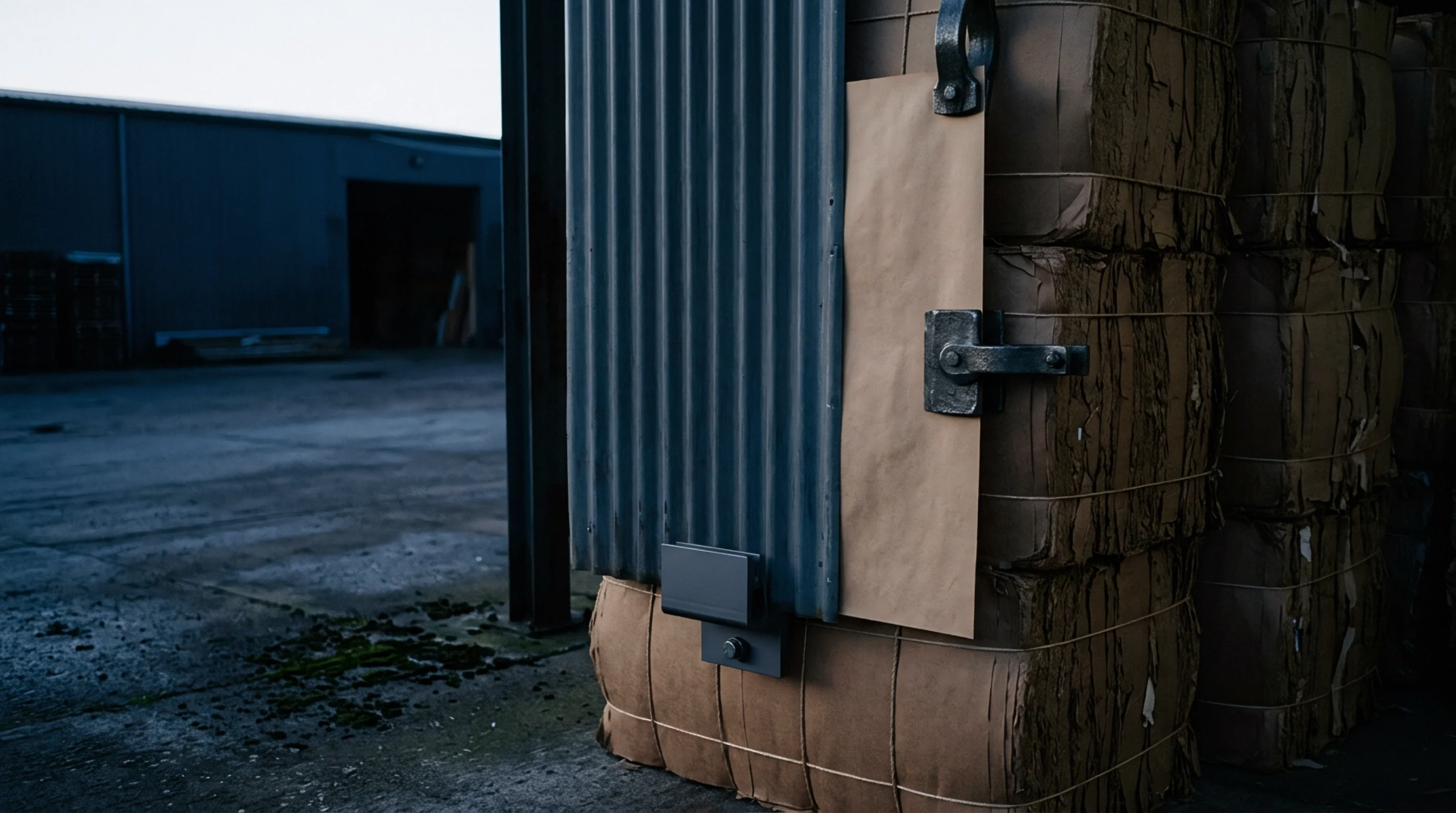
Finite Element Modeling of Transient Moisture Gradients in Stacked Recycled Cartonboard
Finite element modeling of transient moisture gradients predicts stack edge distortion and guides pre-conditioning timing to prevent press downtime and waste.
Finite element modeling of transient moisture gradients predicts stack edge distortion and guides pre-conditioning timing to prevent press downtime and waste.
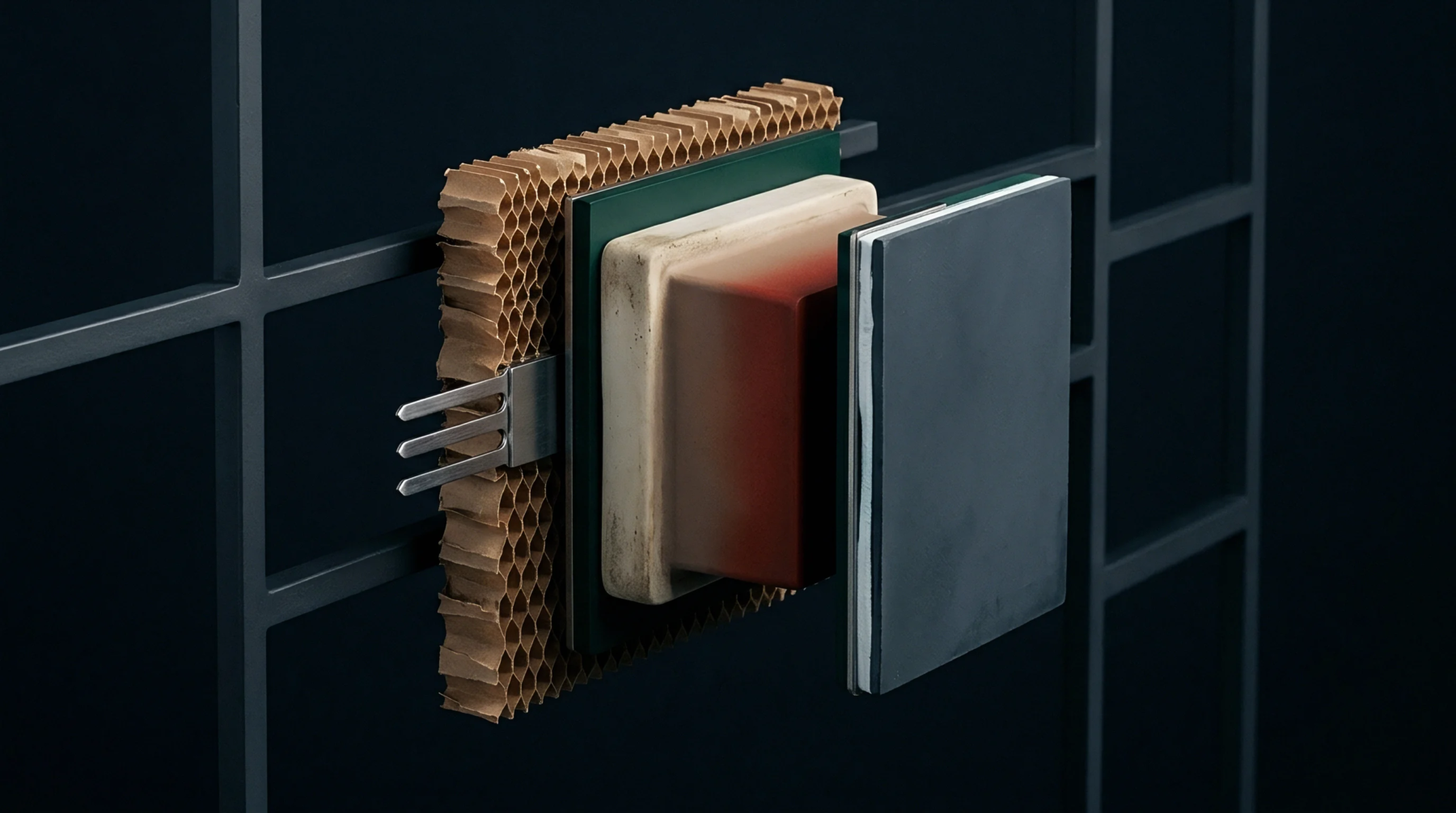
Dynamic platen converting above 7,500 sph degrades board core shear modulus by up to 60 percent, demanding calibrated matrix tooling to prevent carton collapse.

Pyrolysis mass spectrometry isolates covalently bound alkyl ketene dimer esters from free waxes in paperboard, verifying food contact safety and mill sizing cure.
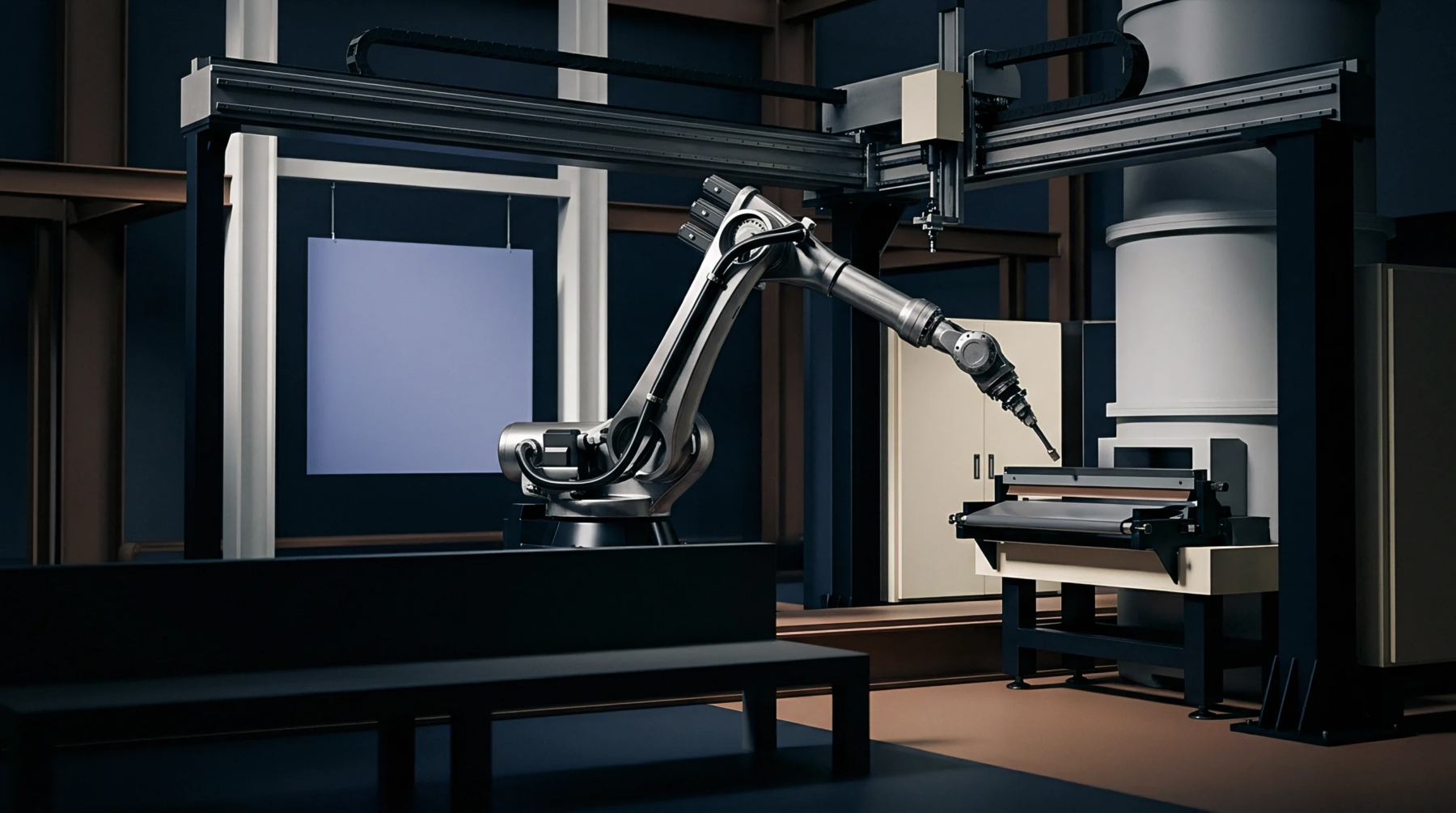
Integrating real-time scanner defect maps into multi-machine slitting formulations eliminates downstream press downtime by dynamically routing edge flaws into trim.
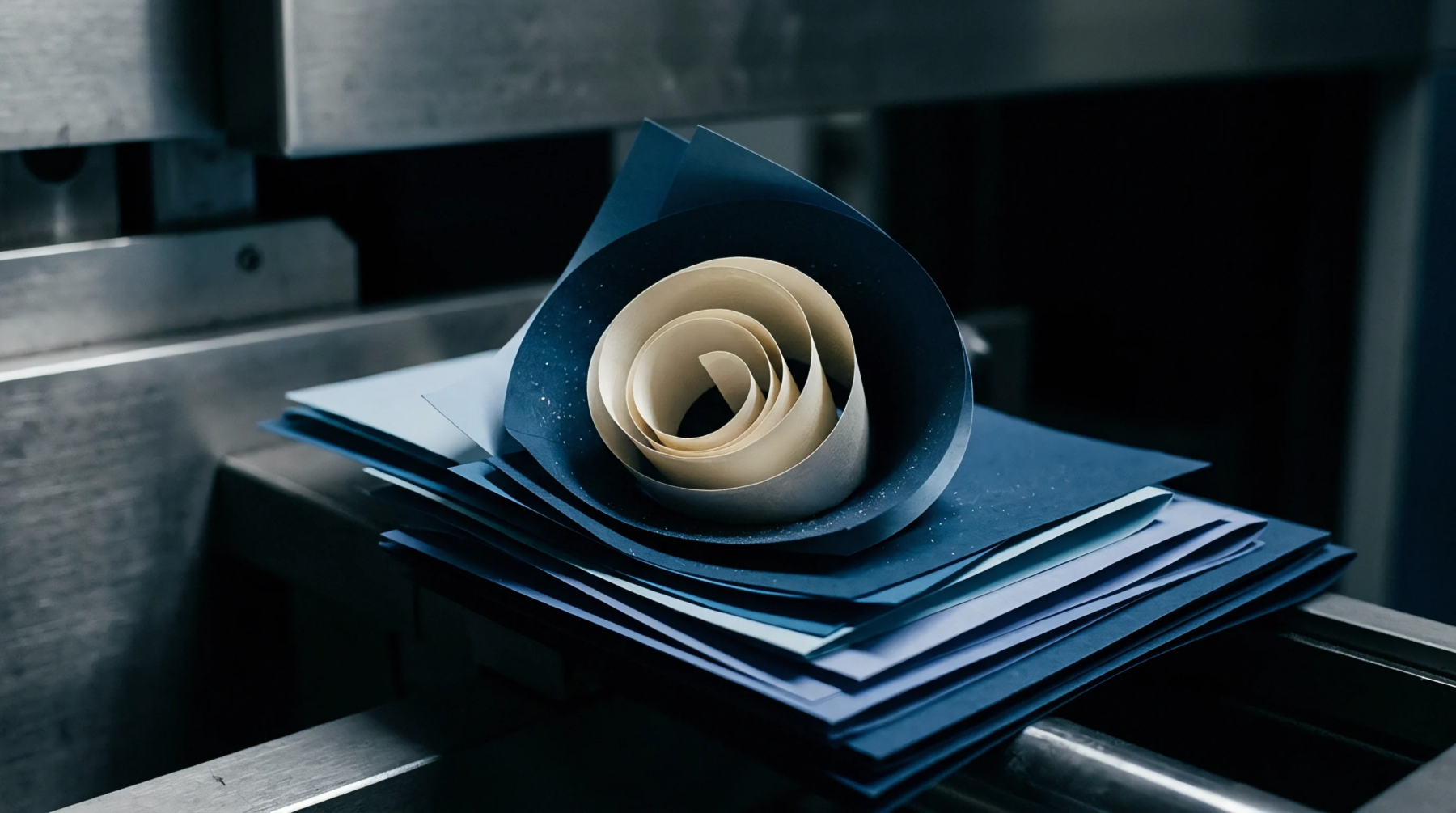
Heavyweight folding boxboard requires matrix depth matching board caliper and channel width calculated at one point seven times caliper plus rule thickness.

Inline acoustic time-of-flight profiling maps internal board ply delamination at line speed, preventing cartoner jams without marking finished carton surfaces.
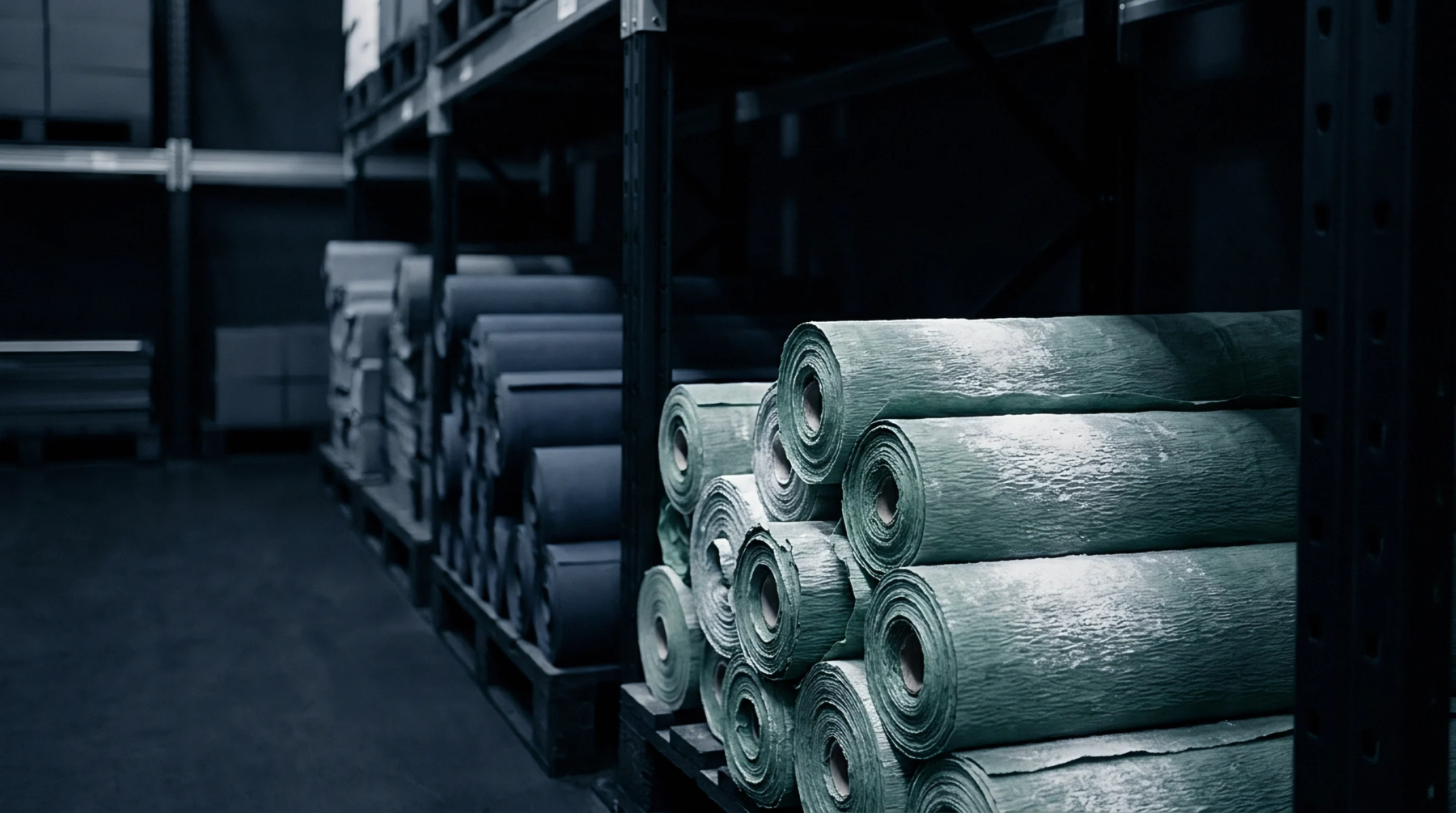
Transient humidity cycling accelerates board deflection fivefold, demanding decoupled ply hygroexpansivity inputs and wider safety margins to prevent collapse.

Ultrasonic attenuation decay rates directly quantify paperboard crease delamination depth, enabling real-time inline verification of folding stiffness.
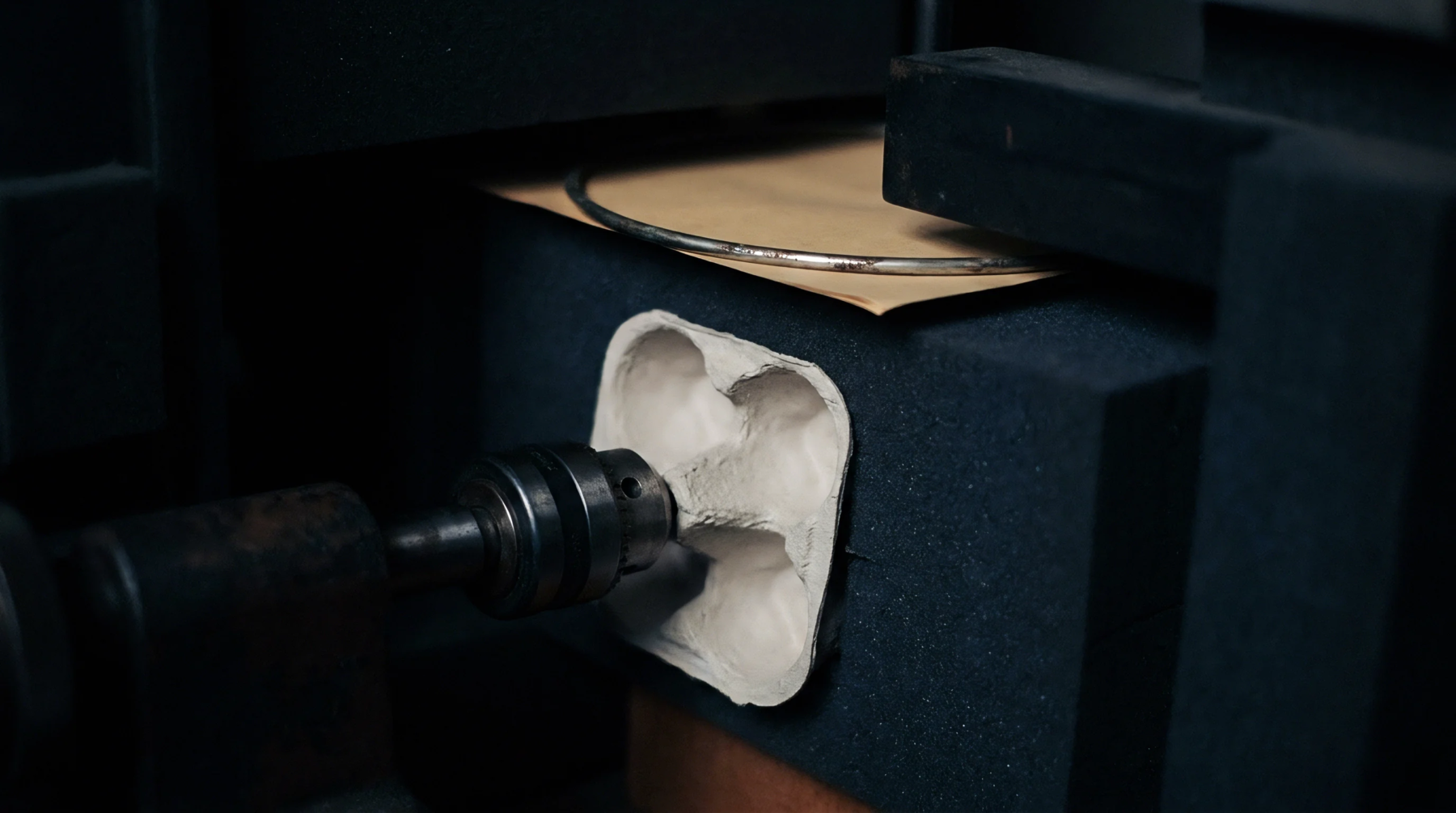
Elevated humidity causes gas-phase moisture sorption that disrupts interfiber hydrogen bonds, reducing sheet elastic modulus and causing converting failure.
Controlling moisture sorption and anisotropic hygroexpansion requires tight warehouse humidity regulation to prevent converting misregistration and warp defect losses.
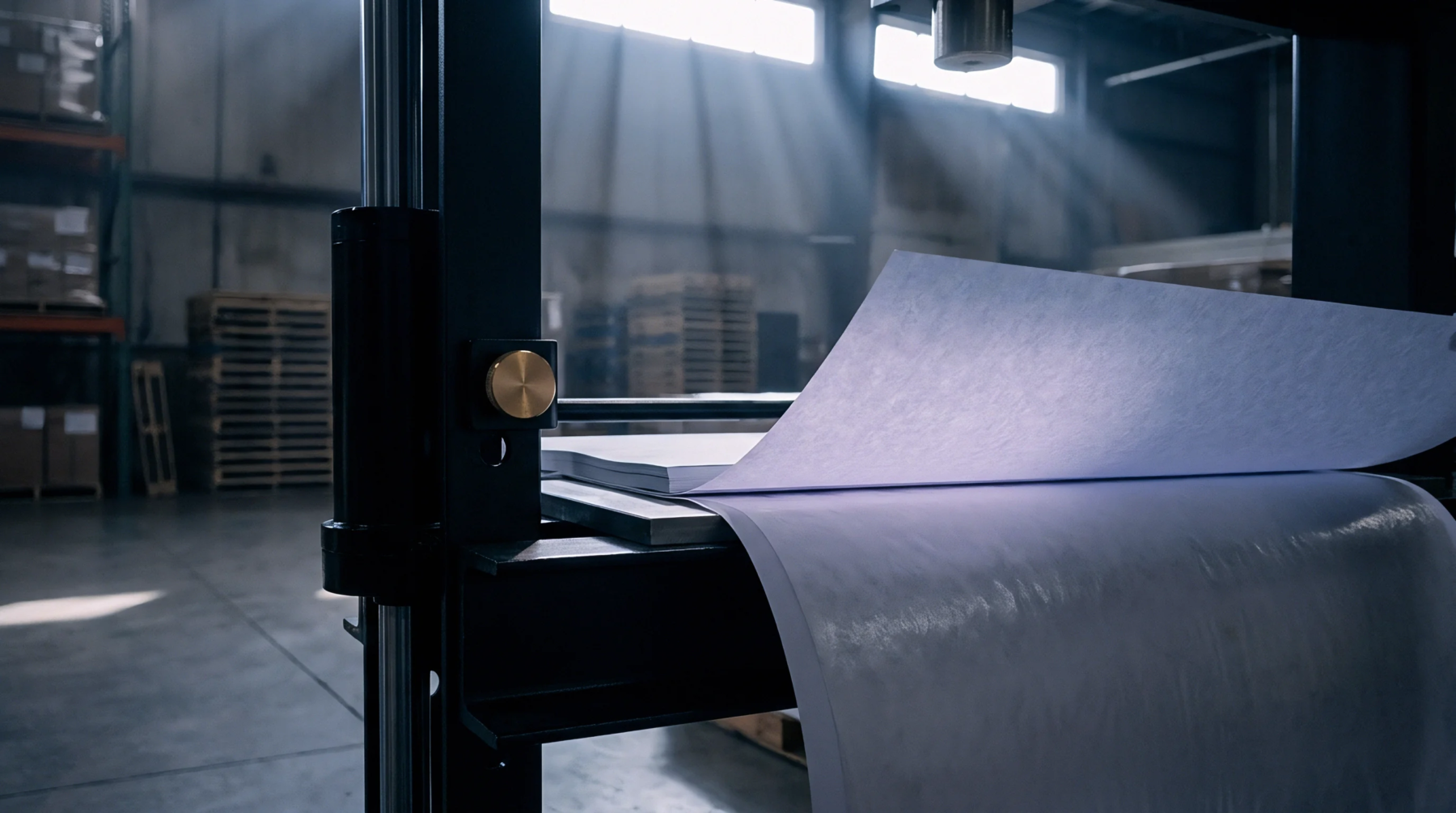
Retain board bulk and bending stiffness by applying surface moisture gradients to lower outer ply glass transition temperatures before soft nip compression.
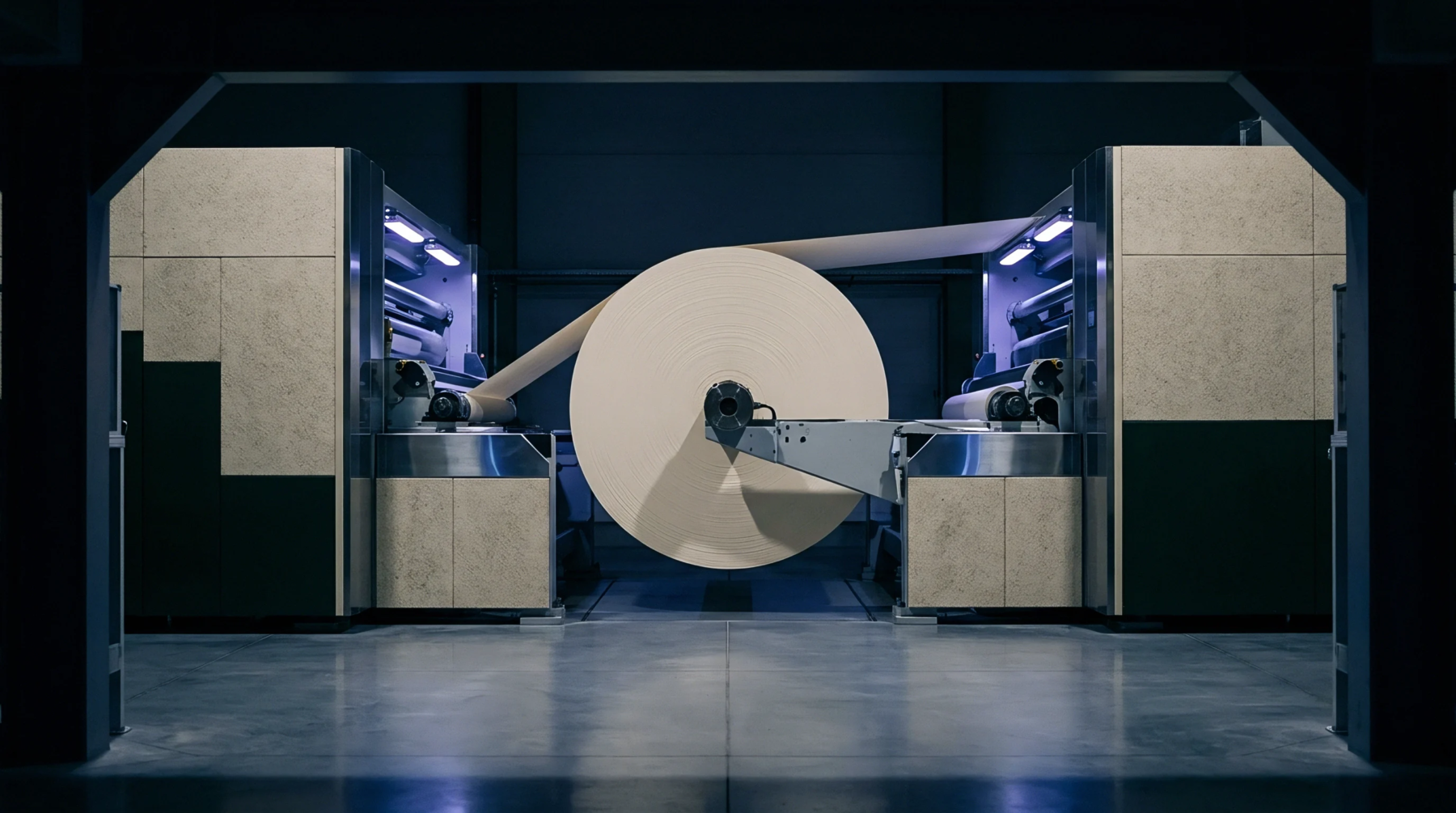
Real-time platen bed deflection correction eliminates crease depth variance across wide formats, preventing high-speed packaging jams and cutting tooling wear.
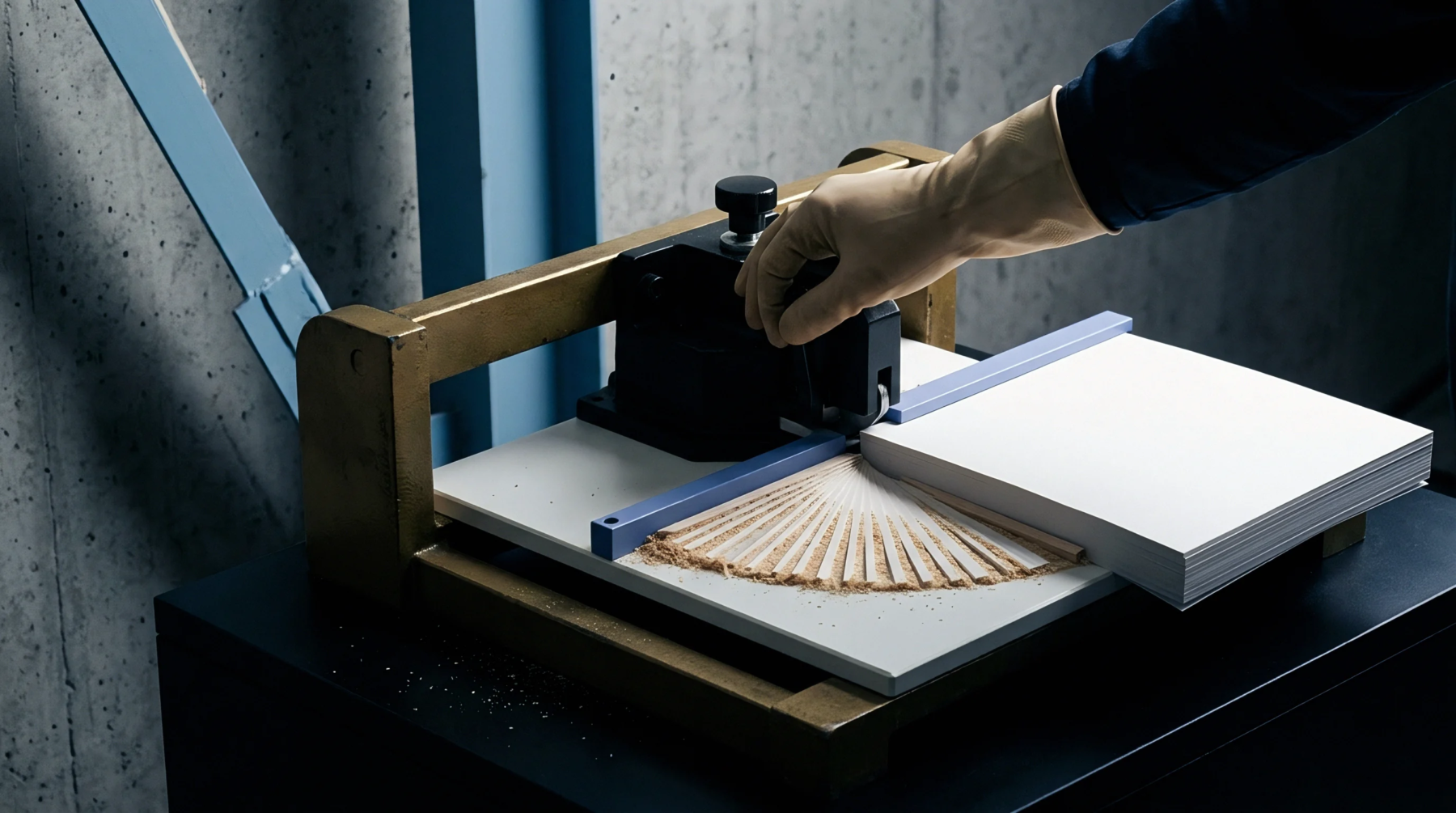
Select creasing channels for laminated folding boxboard using wider channel factors to protect surface polymer films from tensile rupture during folding.

Polymer barrier coating performance relies on balancing extensional viscosity to prevent misting with rapid thixotropic recovery to eliminate pinhole defects.
Expertise is a utility, not a secret. sentiention™ publishes its working knowledge as open reference: intelligence layer covering the materials it sources, the markets it enters, and the reference that serves both.