
Optical Interferometric Mapping of Acoustic Lamb Waves in Barrier Board
Optical Lamb wave mapping detects barrier board delamination non-destructively by measuring phase velocity changes across symmetric and antisymmetric modes.
Optical Lamb wave mapping detects barrier board delamination non-destructively by measuring phase velocity changes across symmetric and antisymmetric modes.
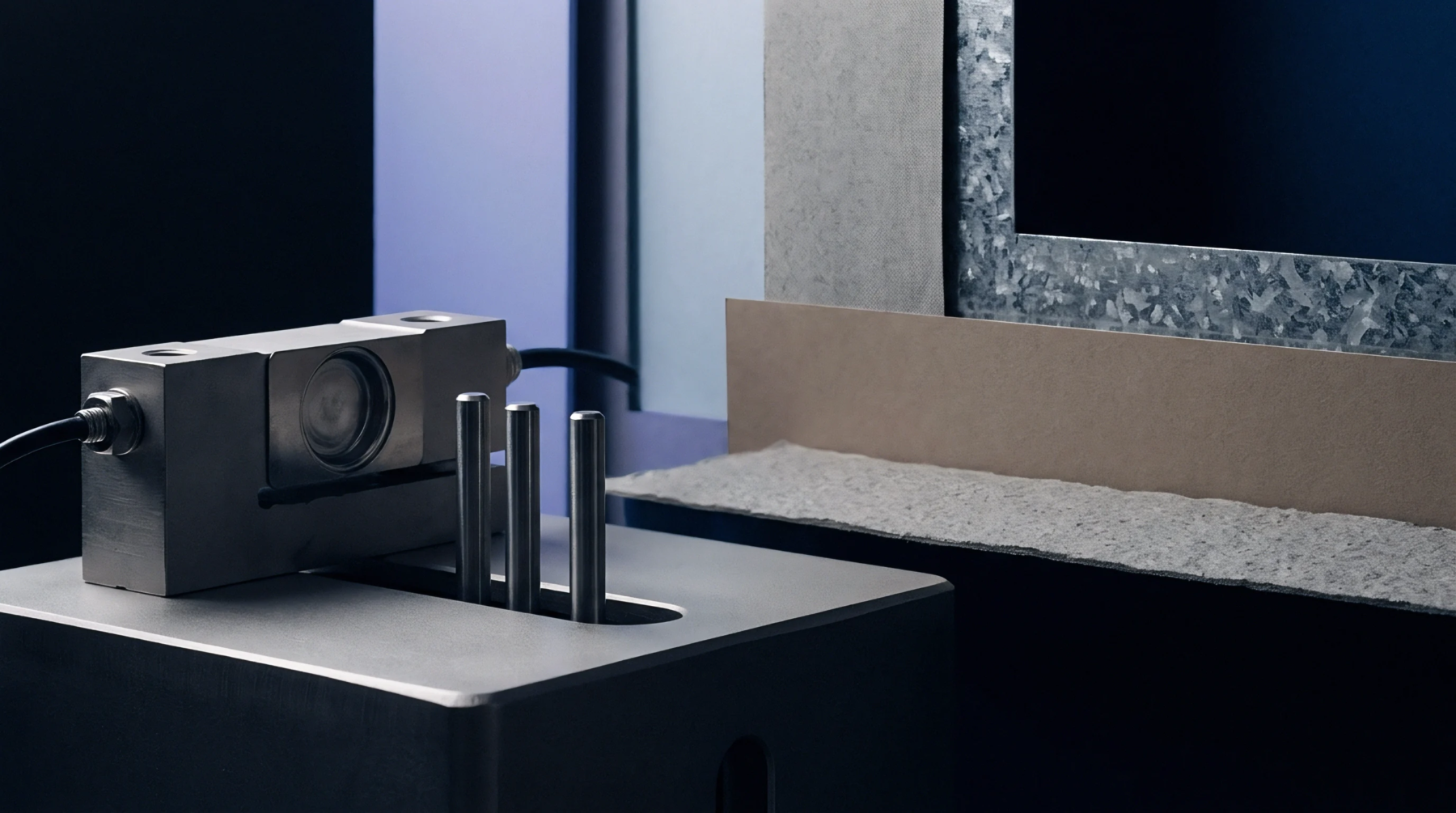
Interlaminar shear mechanics govern multilayer paperboard creasing, where controlled internal delamination reduces score stiffness to prevent outer ply cracking.

Pulsed thermoelastic wave excitation provides real-time non-destructive coat weight and interface stiffness monitoring for coated packaging paperboard lines.
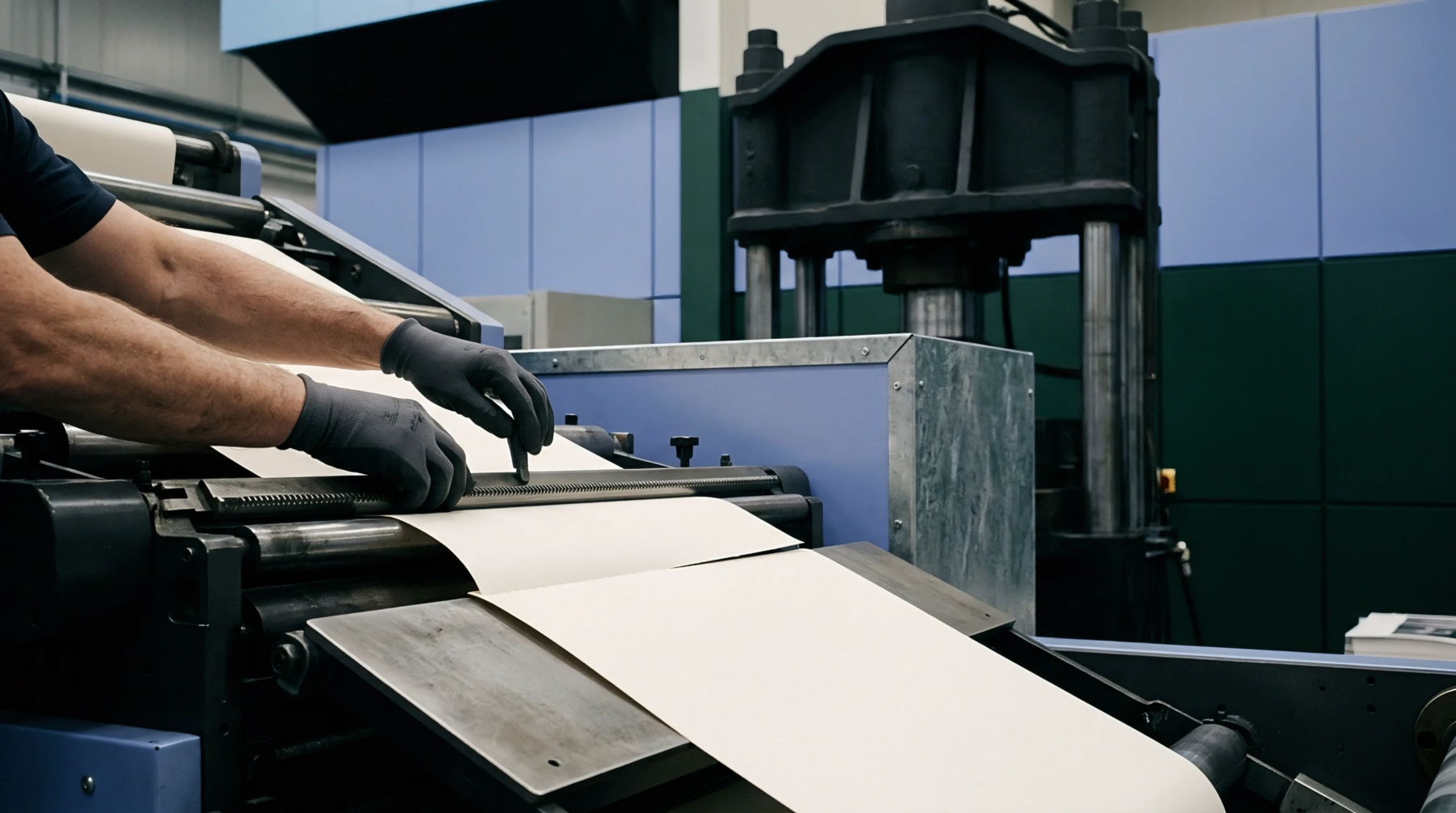
Air-coupled acoustic inspection reliably detects delamination and blisters above two millimeters, but fiber scatter masks pinholes below 500 micrometers.
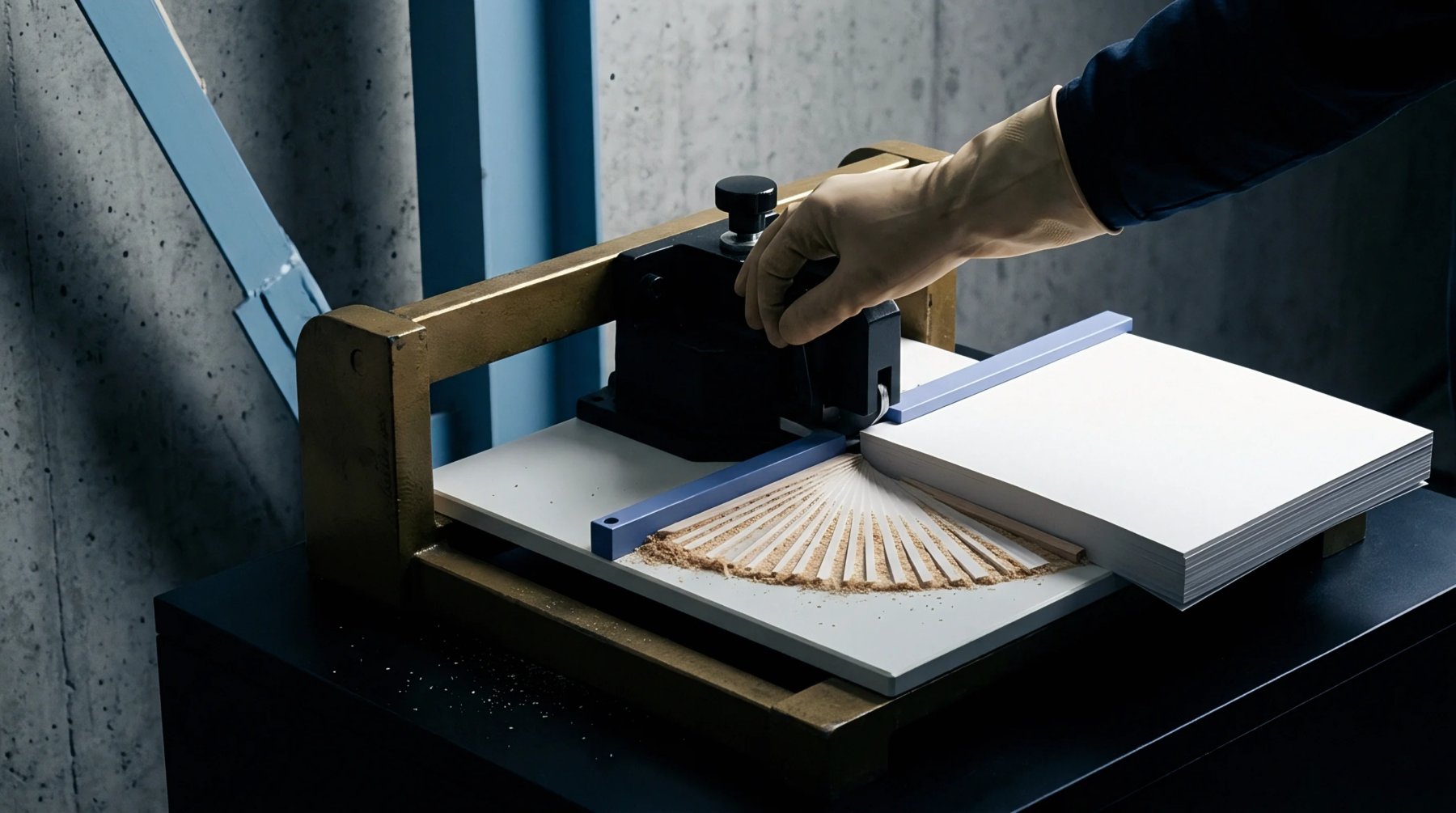
High creasing speeds increase paperboard dynamic stiffness, requiring wider female die channels to prevent top liner splitting and score cracking.
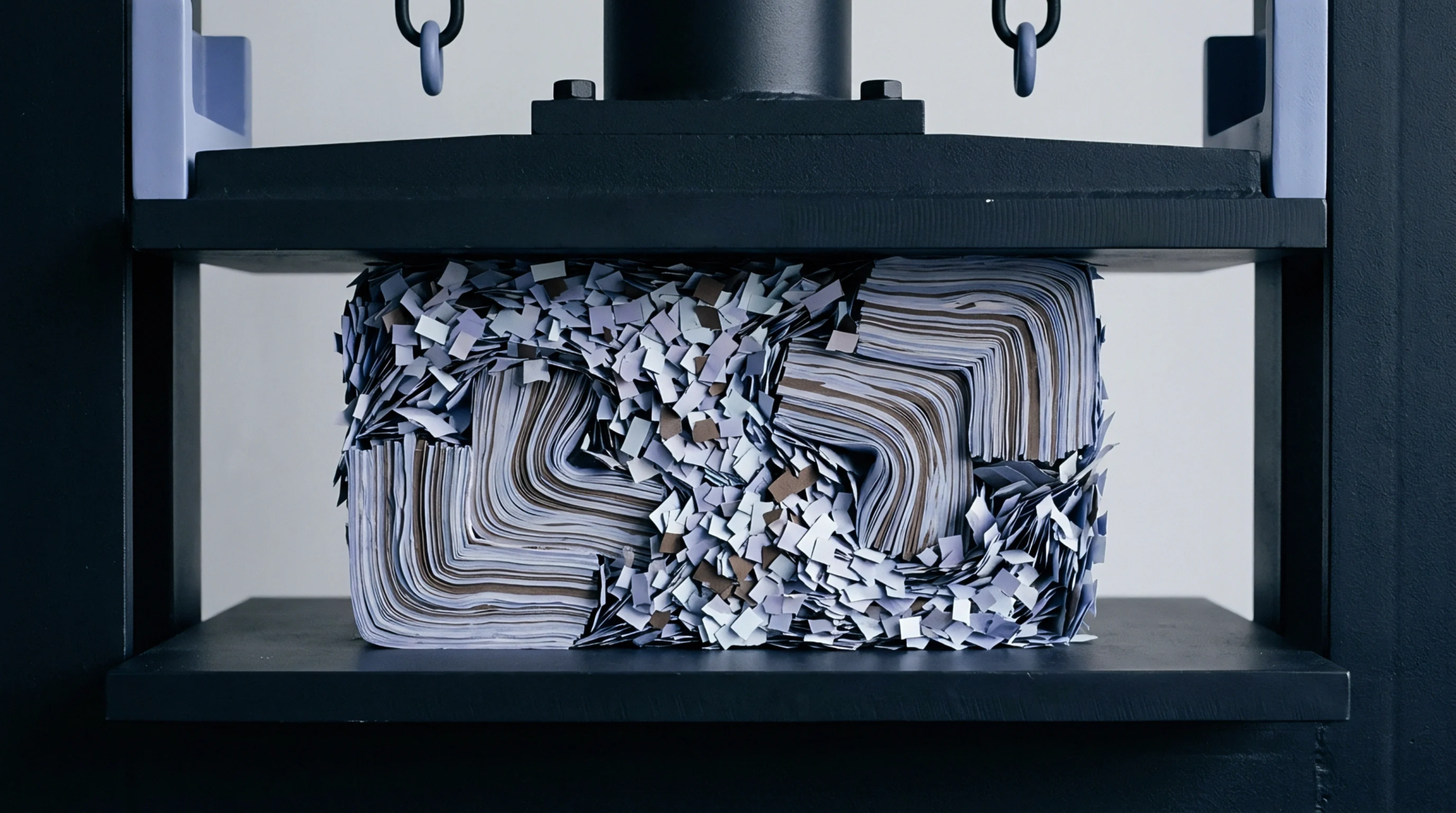
In-plane shear deformation in multi-layer paperboard operates via core matrix yield and inter-ply slippage, requiring core stiffness control to prevent splay.

Controlled delamination in folding boxboard requires maintaining Z-direction tensile strength between 160 and 220 kPa to prevent outer liner cracking.
Ultrasonic wave velocity verification isolates micro-delamination and dynamic stiffness drops in laminated cartonboard scores prior to line erection failures.
Non-destructive ultrasonic testing measures bonded elastic network stiffness rather than the intrinsic single-fibre zero-span tenacity of multiply board.
Acoustic wave velocity and attenuation measurements non-destructively quantify internal paperboard ply delamination and predict score line folding stiffness.
High-speed mechanical creasing forces barrier polymer thinning, elevating crease gas permeation and reducing package shelf life unless scoring geometry is optimized.
Calculate barrier board crease channels by adding rule thickness to caliper multiplied by 1.70 to 1.85 to clear displaced coextruded polymer skins.
Dynamic resonance overlooks plastic slip; static two-point bending captures the true 25 percent rigidity loss occurring under moisture desorption hysteresis.
Standard paperboard bending resistance tests fix clamp distance, deflection angle, and rate to isolate true flexural rigidity from shear delamination.
Dynamic online optical measurement corrections eliminate passline flutter and translucency errors, aligning web scanner readings with ISO bench standards.
Soft nip calendering preserves packaging board bulk while thermal dwell and elastomeric deformation dictate z-directional adhesion and creasing performance.
Online optical board thickness profiles systematically over-report caliper relative to ISO 534 mechanical lab standards due to surface roughness and compression factors.
Determining matte film elongation metrics requires testing yield strain under high test speeds to prevent score cracking during paperboard creasing.
Inconsistent cartonboard crease torque causes vacuum cup detachment, incomplete carton squaring, and immediate line stoppages on automated cartoning lines.
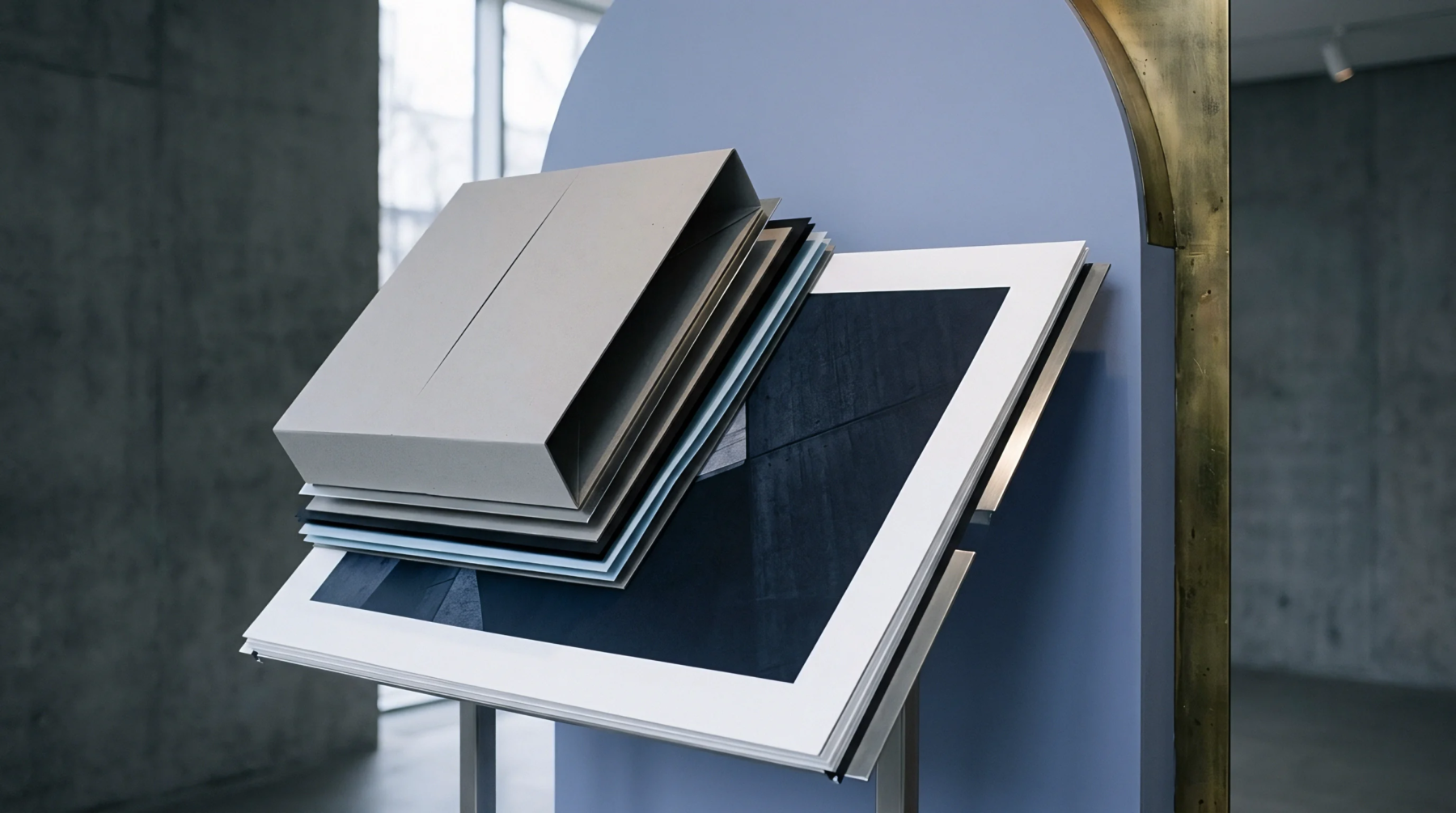
Match rule thickness and counterplate channel width to uncoated board caliper and grain direction to create clean internal shear without cracking bare surface fibers.

Calculate crease matrix depth to match board caliper, and set channel width equal to creasing rule thickness plus board caliper multiplied by substrate factor.

Dynamic cross direction caliper profiling uses induction heating to thermally expand calender rolls, flattening peaks without crushing uncalendered core bulk.
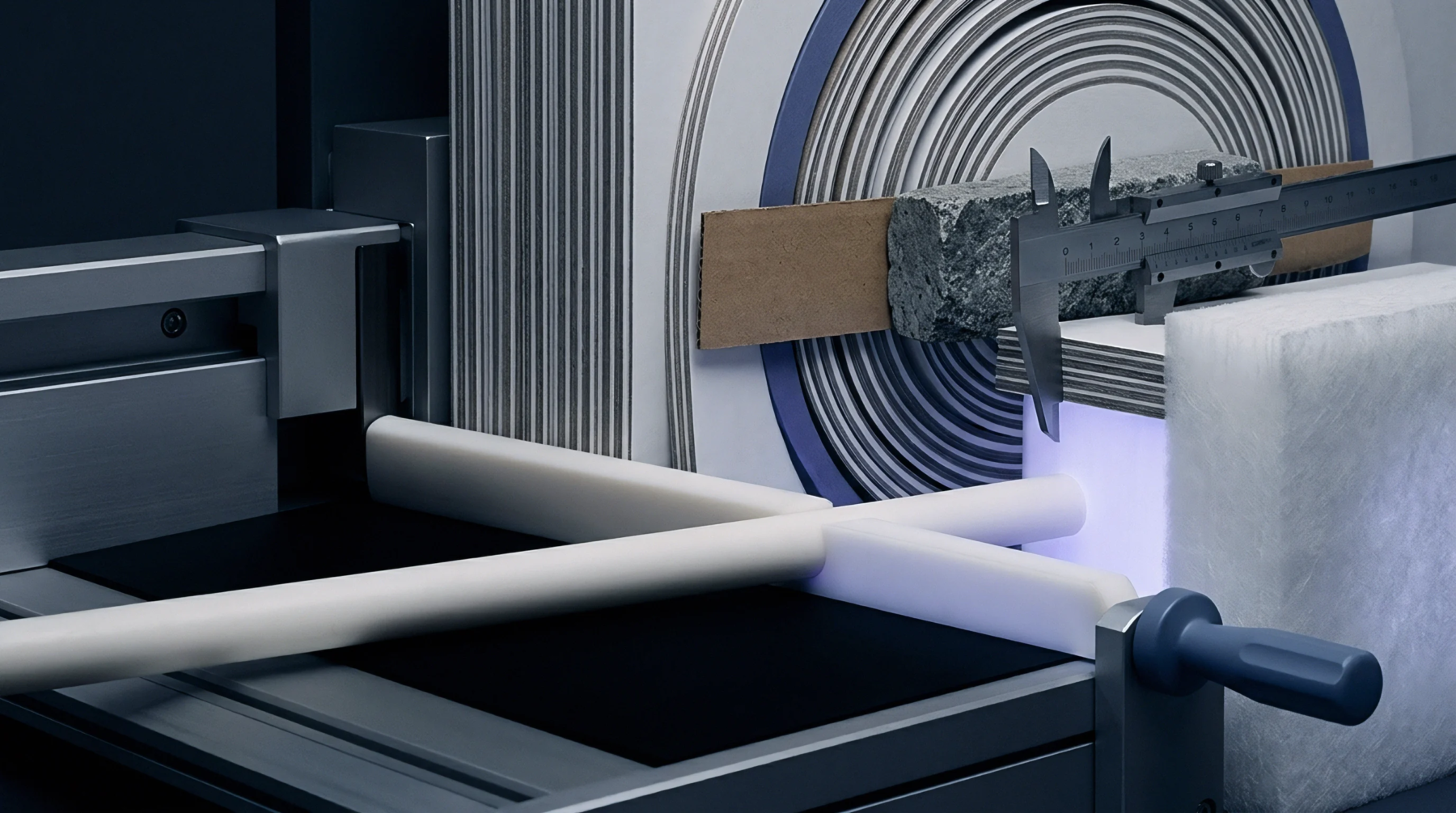
Non-contact paperboard thickness control relies on precise laser, confocal, or nuclear physics combined with aerodynamic web stabilization to drive mill yield.
Branched and dendritic polymer architectures eliminate ink misting at 500 m/min by cutting extensional relaxation times below 1.5 ms without loss of shear hold.
Extensional relaxation times above two milliseconds induce severe filamentation and mottle in water-based inks, requiring CaBER inspection and co-solvent tuning.
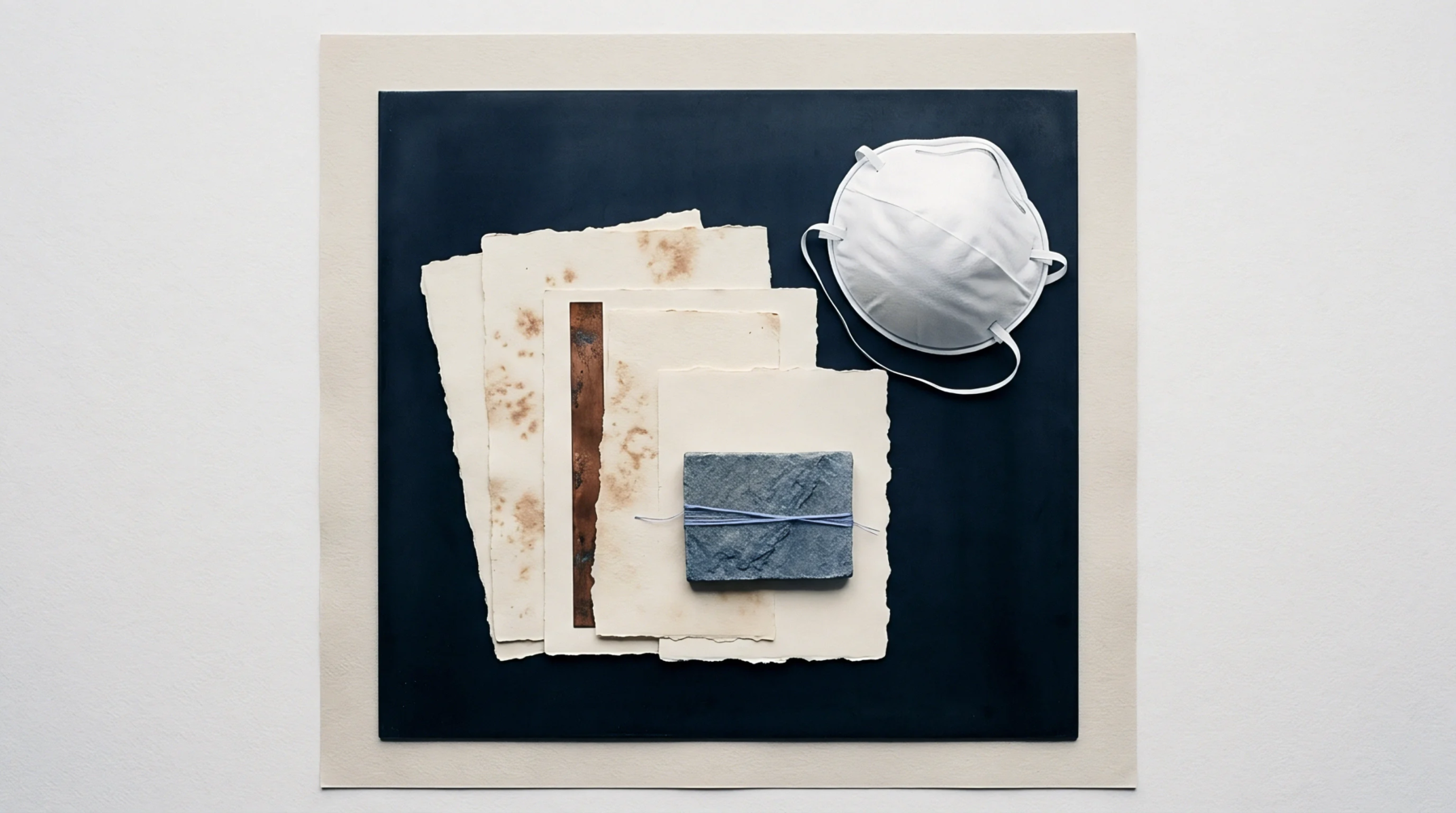
Standardizing simulants for recycled latex barriers requires solid-phase media and mechanical pre-straining to prevent false solvent-induced degradation.
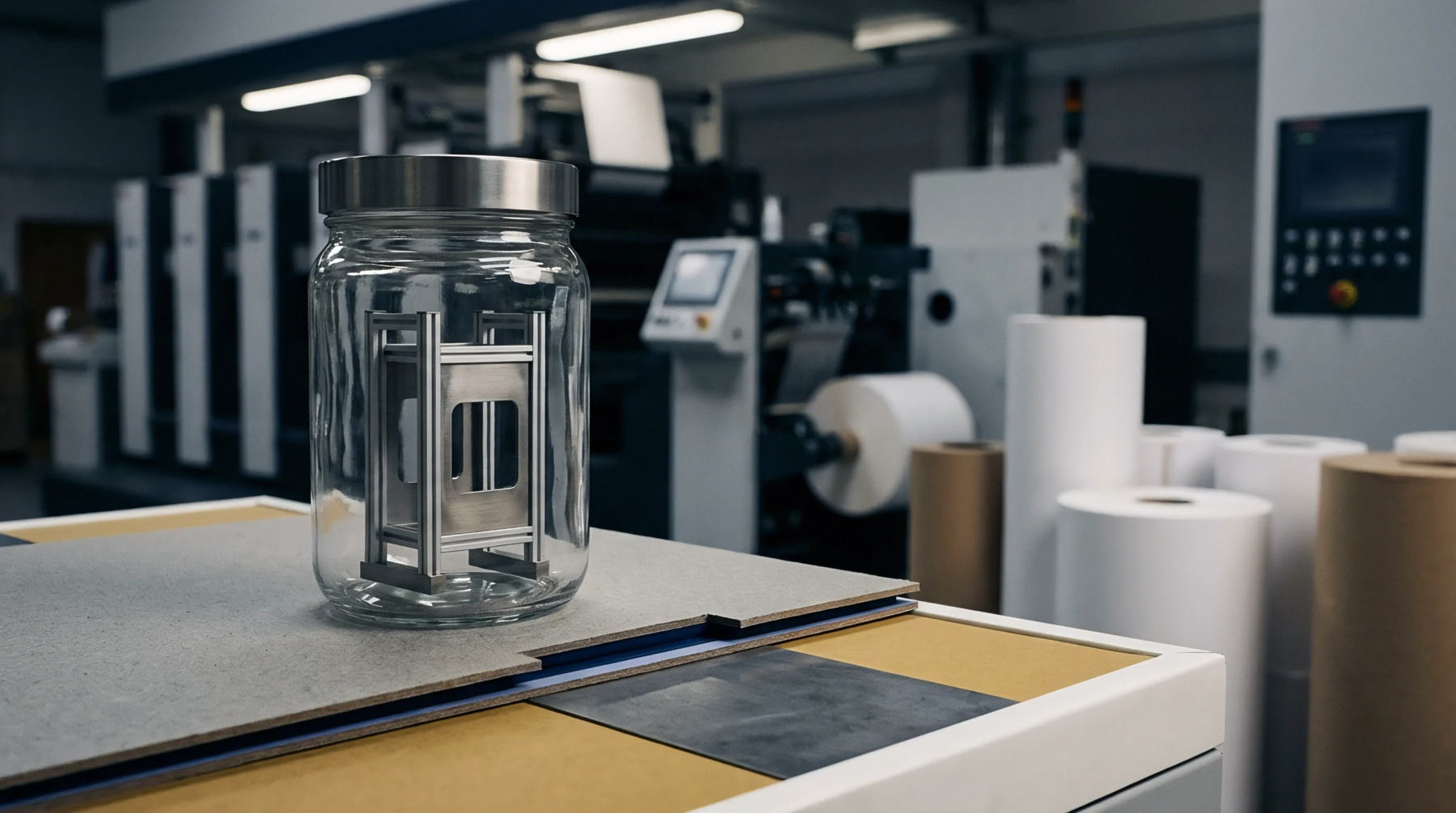
Uncorrected capillary viscometer wall slip hides high bulk viscosity, leading to severe anilox cell evacuation failure and low latex barrier laydown on paperboard.
Evaluating microcrack formation and migrant leakage in creased packaging boards requires precise matrix sizing and migration testing to prevent structural seal failure.

Deriving baseline caliper and density balances converting crease geometry, coating accumulation, and area yield to prevent line jams and control packaging cost.
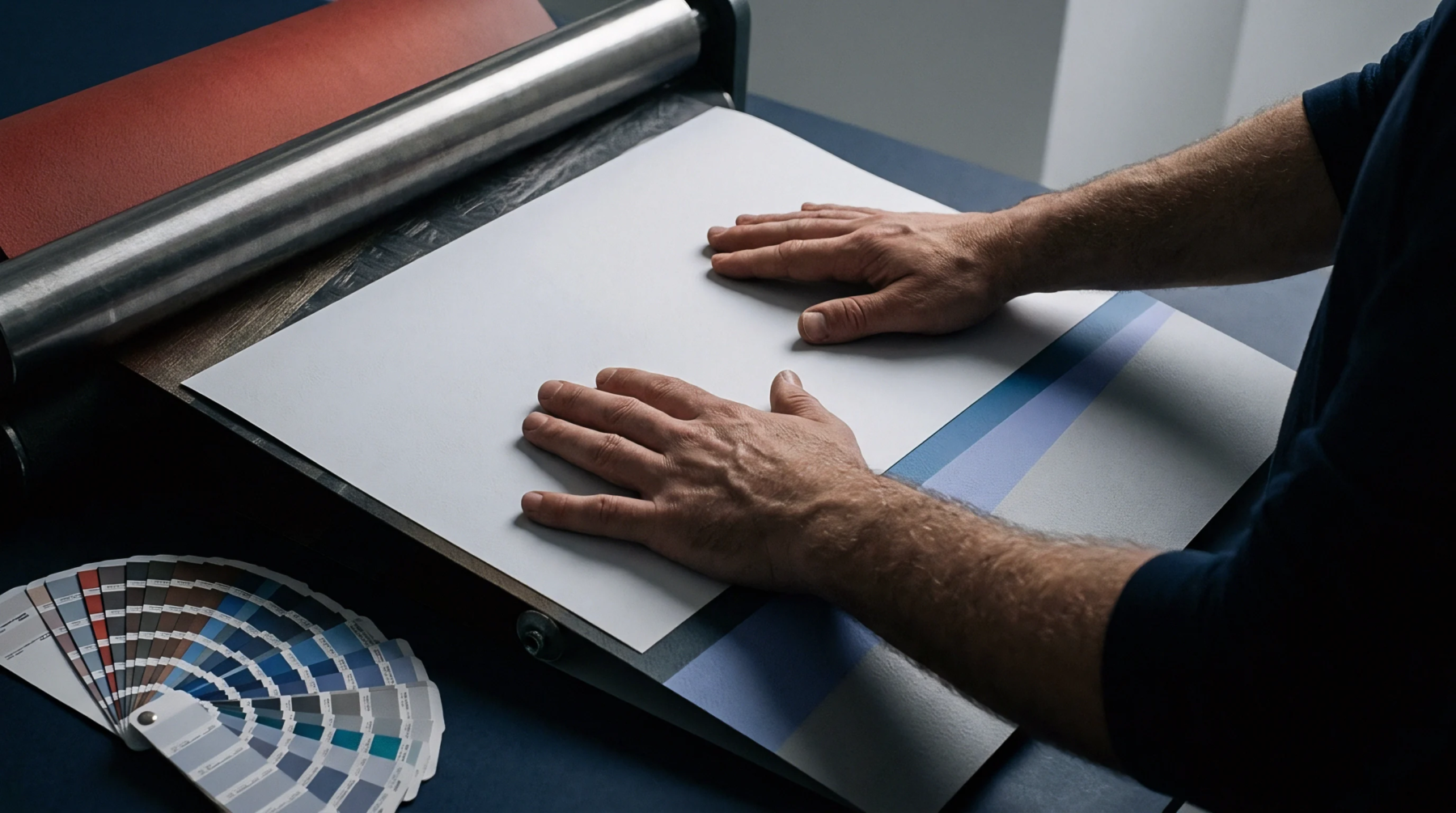
Viscoelastic strain limits during rotary embossing require matching tool shoulder radii and cylinder heat to substrate relaxation times to prevent rupture.
Expertise is a utility, not a secret. sentiention™ publishes its working knowledge as open reference: intelligence layer covering the materials it sources, the markets it enters, and the reference that serves both.