
Correlating Ultrasonic Attenuation Decay Rates with Paperboard Crease Delamination Depth
Ultrasonic attenuation decay rates directly quantify paperboard crease delamination depth, enabling real-time inline verification of folding stiffness.
Ultrasonic attenuation decay rates directly quantify paperboard crease delamination depth, enabling real-time inline verification of folding stiffness.
Coupled hygro-mechanical finite element modeling prevents chilled transit collapse by predicting rapid condensation softening and interface delamination.

Interfacial fracture toughness in laminated paperboard depends on substrate z-direction fiber strength, controlled corona energy, and scoreline strain management.
Balancing middle ply mechanical pulp freeness preserves sheet caliper and bending resistance while controlling delamination under high-speed scoring.
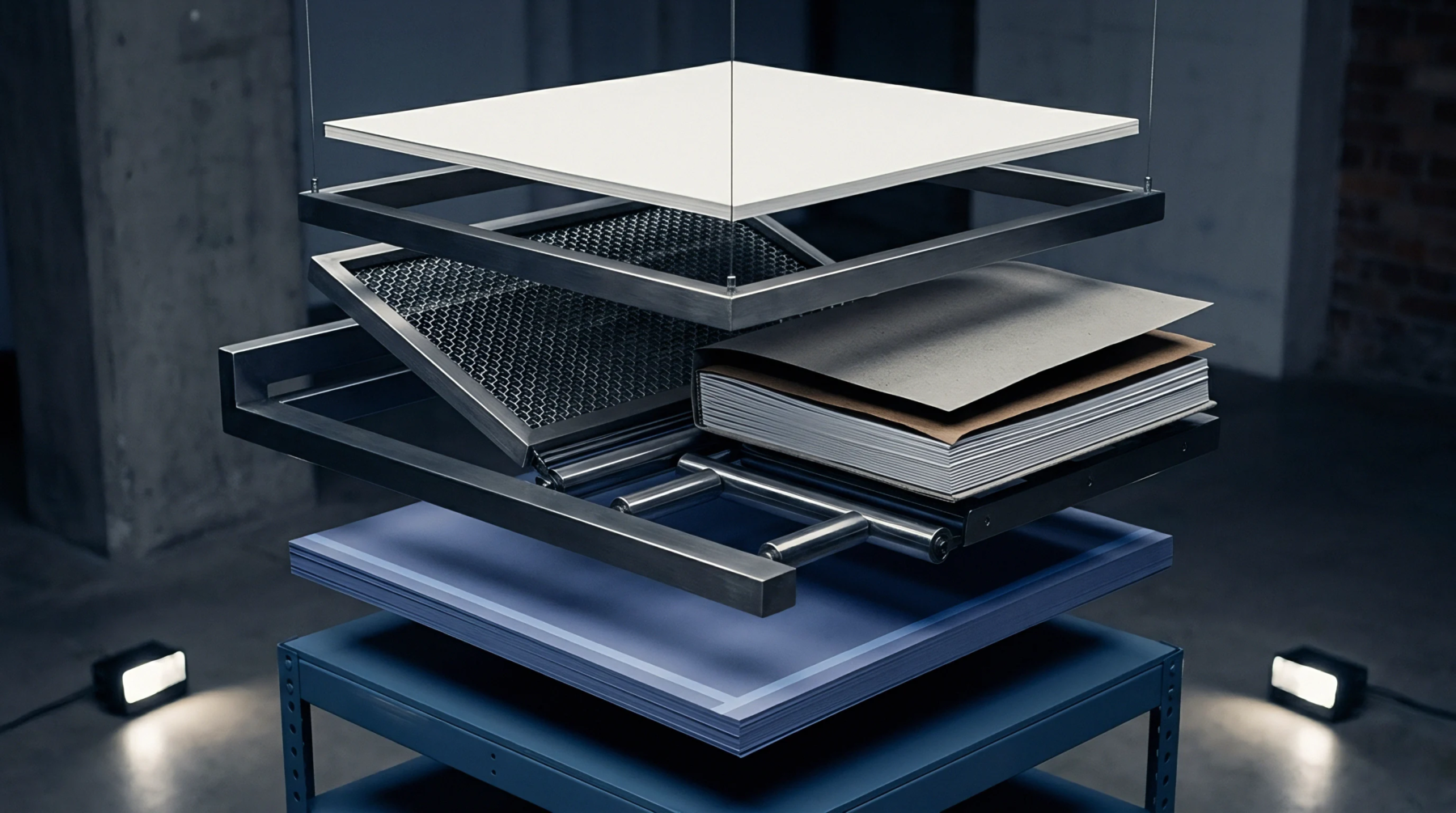
Predicting paperboard delamination requires balancing Z-direction shear strength to permit core separation while preventing outer liner tensile fracture.
Controlled low energy refining of middle ply mechanical pulp yields superior Z direction tensile development without caliper loss in multi ply boxboard.

Mechanical decurling and fluid rehydration permanently degrade recycled paperboard flexural modulus by shear micro-delamination and fiber plasticization.
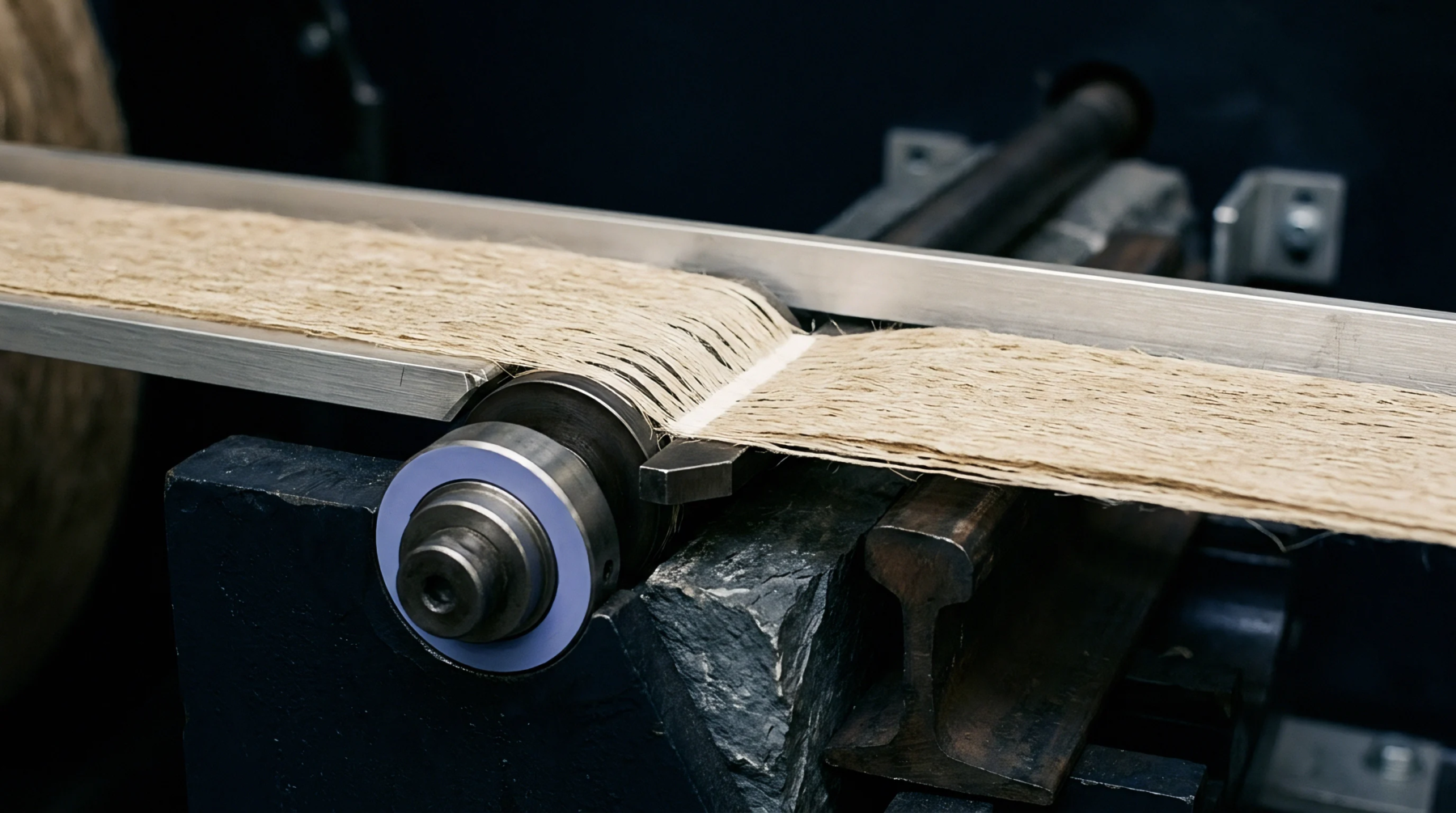
Low-fibre recycled board requires widening female matrix channels to 1.8 times caliper and reducing penetration depth to prevent top-liner rupture.

Recycled boxboard interlaminar shear thresholds decay non-linearly above 65% RH due to fiber hornification and starch matrix plasticization.
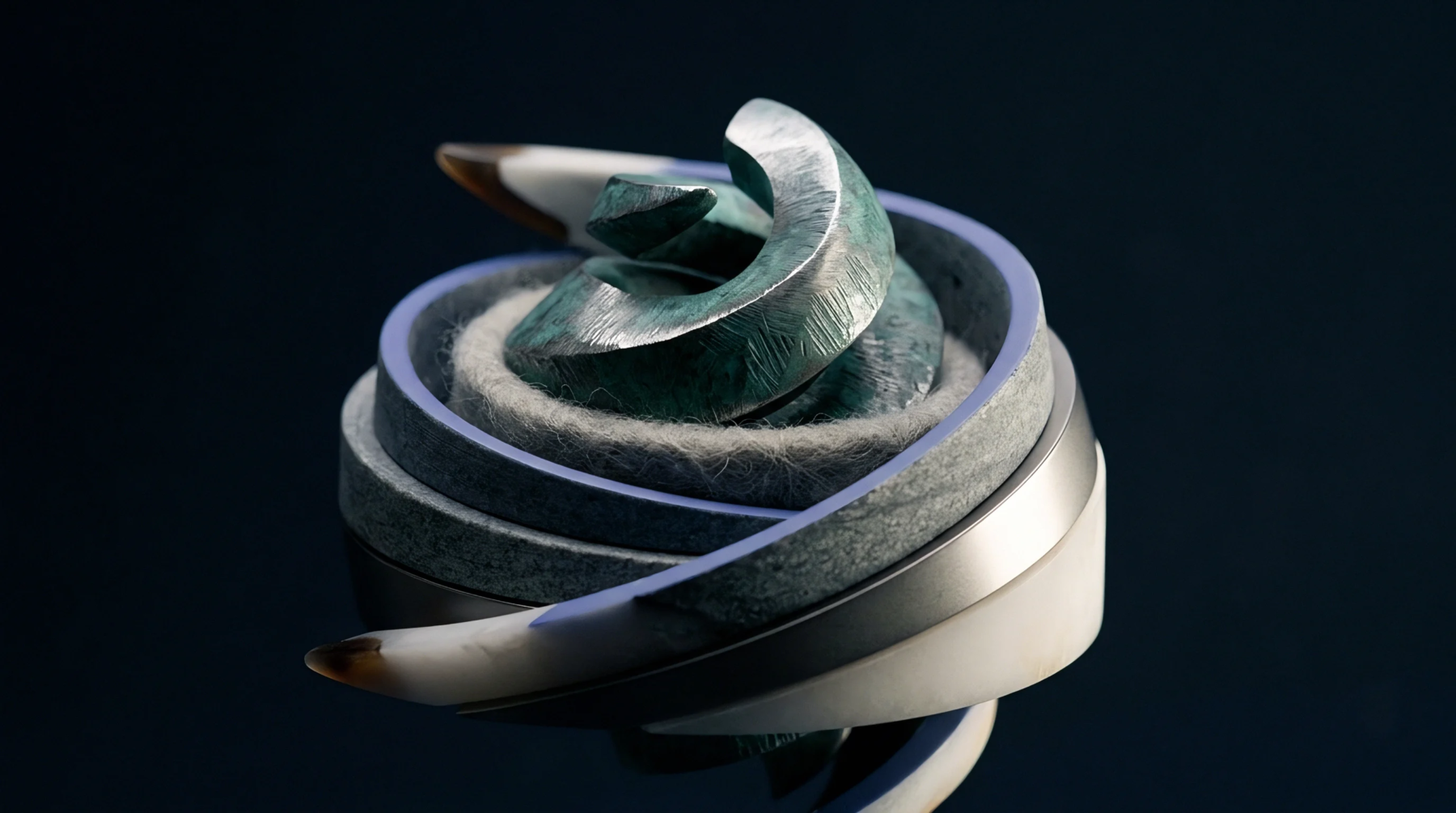
Dynamic platen impression adjustment balances platen bow and speed-dependent viscoelastic strain to eliminate liner cracking in multi-ply cartonboard.

Evaluating machine direction anisotropy and crease depth ratios in SBS board balances fold integrity against corner springback on high-speed cartoning lines.

Counter matrix channel width equals creasing rule thickness plus 1.5 to 1.7 times board caliper under ISO 534 conditioning to optimize delamination.

Select matrix channel width equal to 1.5 times board caliper plus creasing rule thickness to achieve controlled internal ply delamination without liner cracking.
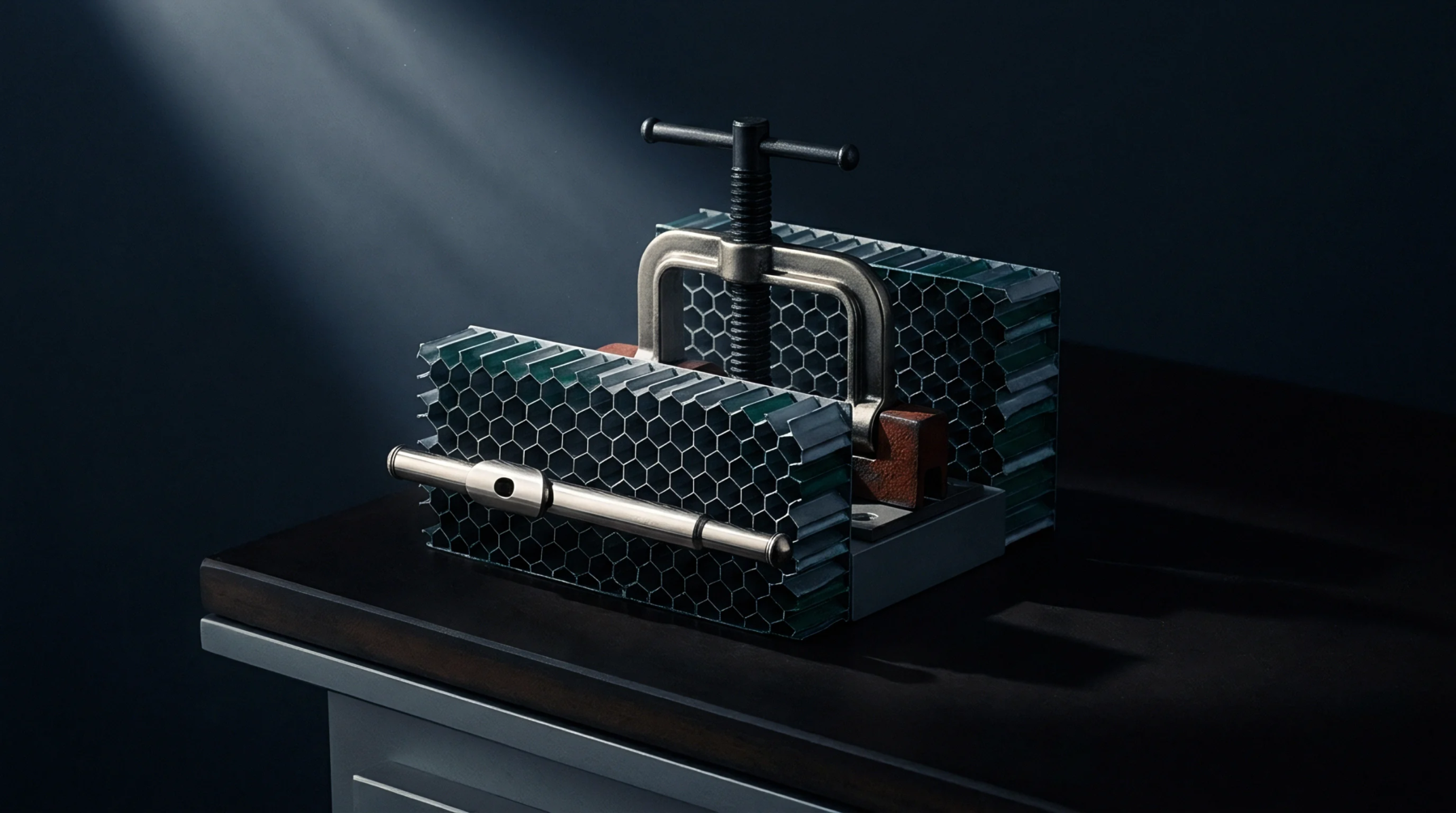
Downgauging folding boxboard demands increasing core bulk and outer ply elastic modulus to preserve caliper and bending stiffness under McKee formula laws.
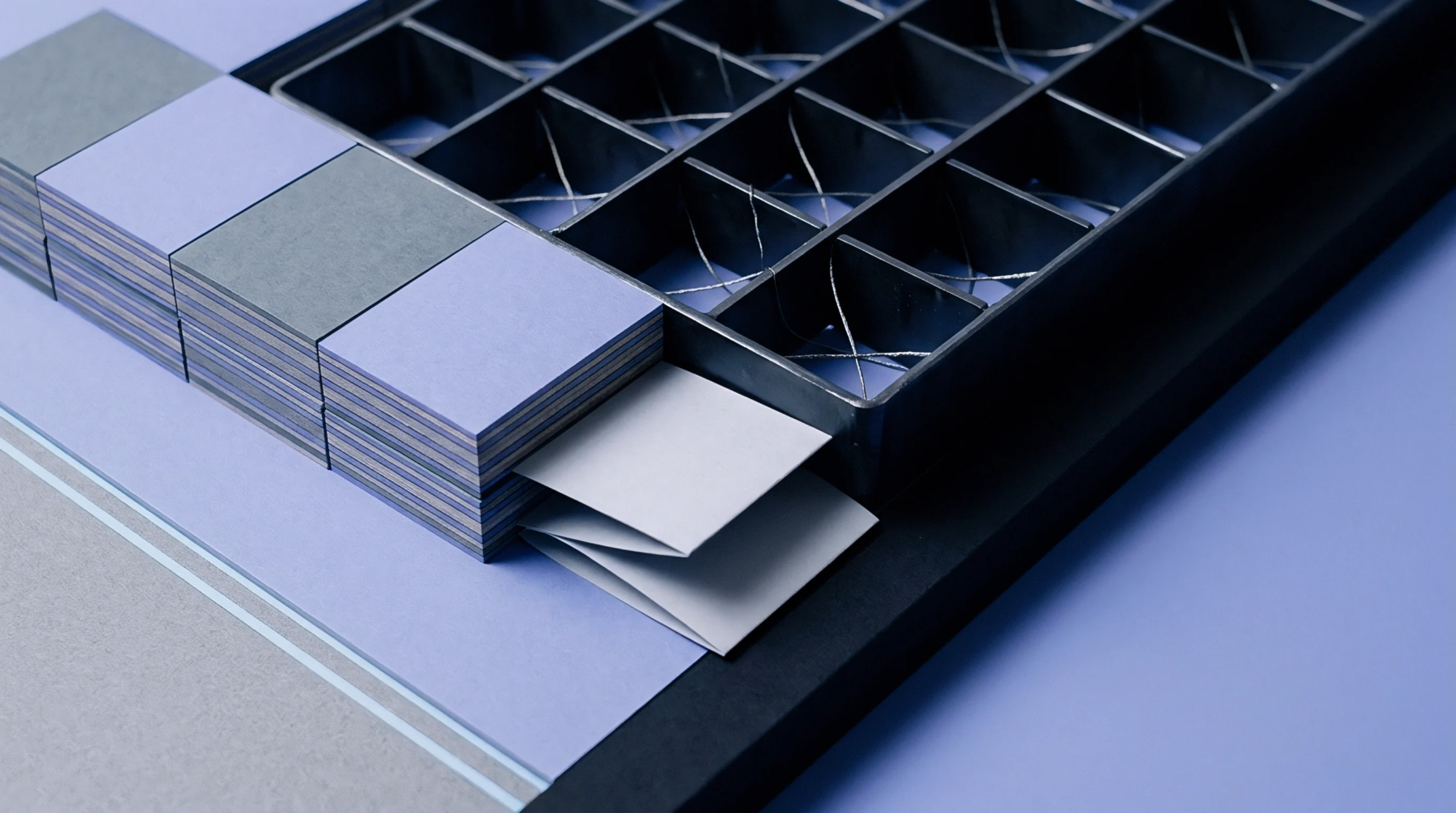
Committing embossing die funds before verifying batch-specific board caliper causes die clearance errors, crushed paperboard profiles, and ruined tooling.
Expertise is a utility, not a secret. sentiention™ publishes its working knowledge as open reference: intelligence layer covering the materials it sources, the markets it enters, and the reference that serves both.