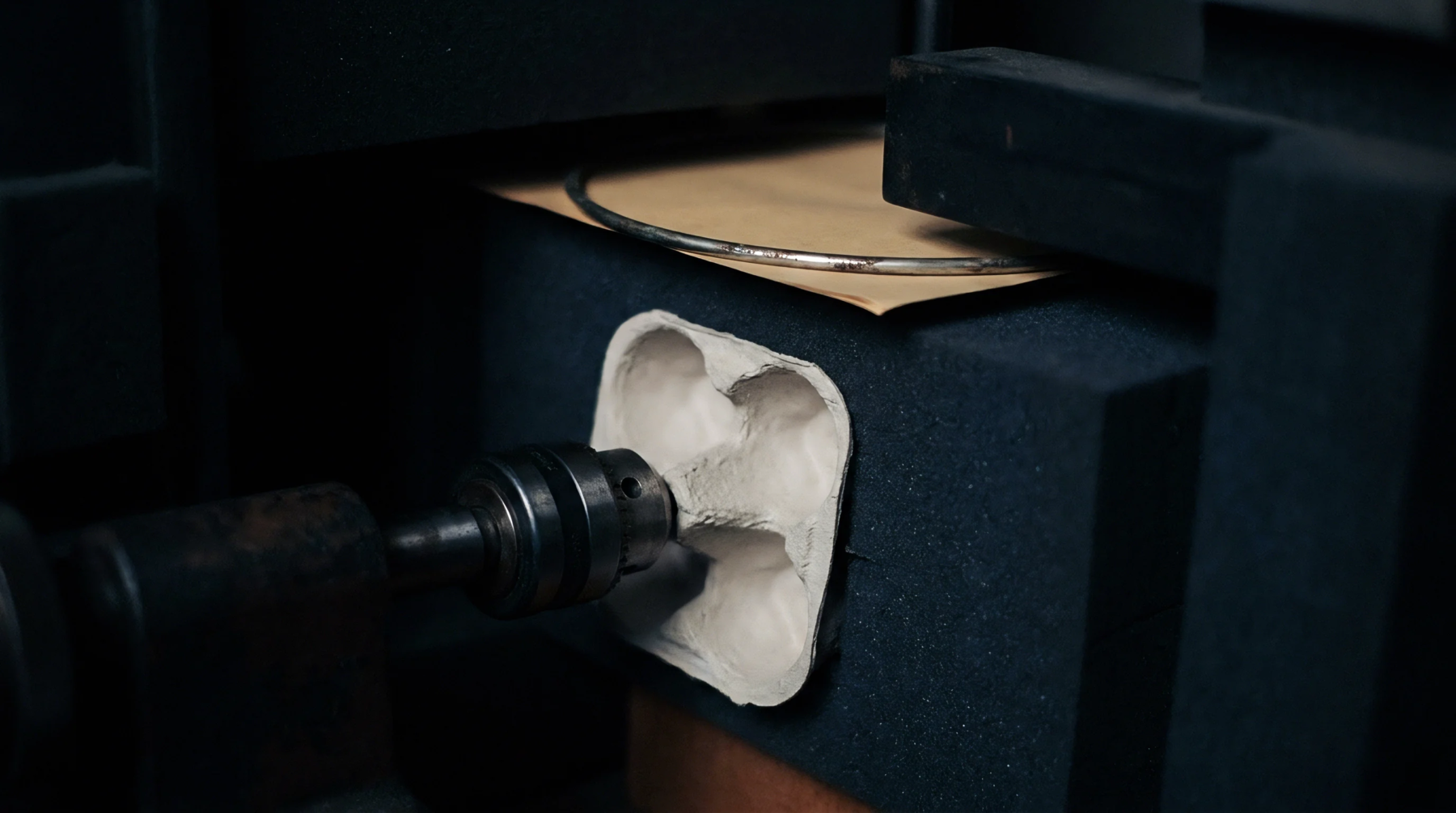
Interfiber Bond Disruption and Mechanical Modulus Decay in Humid Converting Environments
Elevated humidity causes gas-phase moisture sorption that disrupts interfiber hydrogen bonds, reducing sheet elastic modulus and causing converting failure.
Elevated humidity causes gas-phase moisture sorption that disrupts interfiber hydrogen bonds, reducing sheet elastic modulus and causing converting failure.
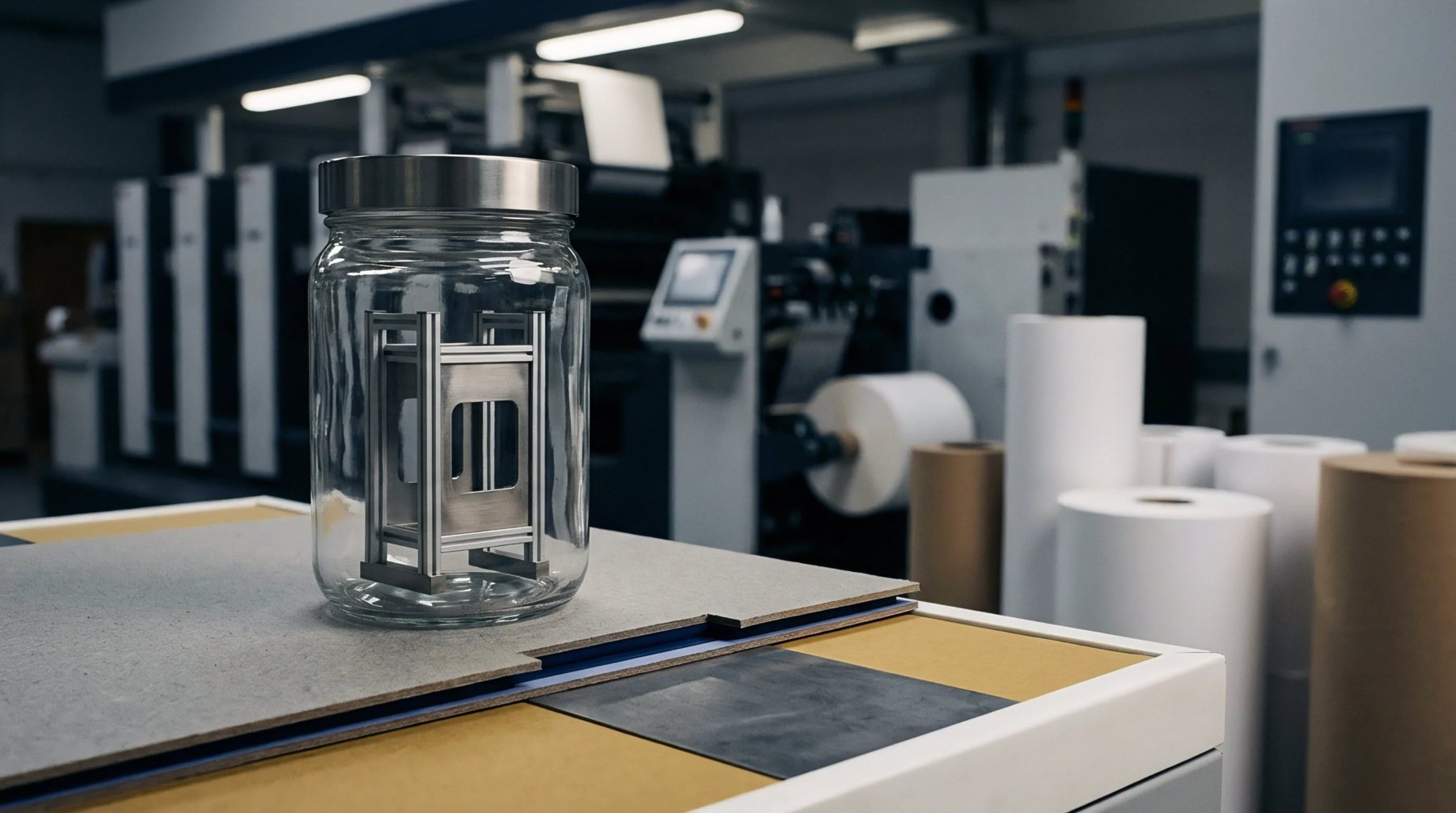
Thermal gradients across stretch-wrapped pallets drive internal vapor to cold perimeters, causing condensation that cuts box strength by over forty percent.
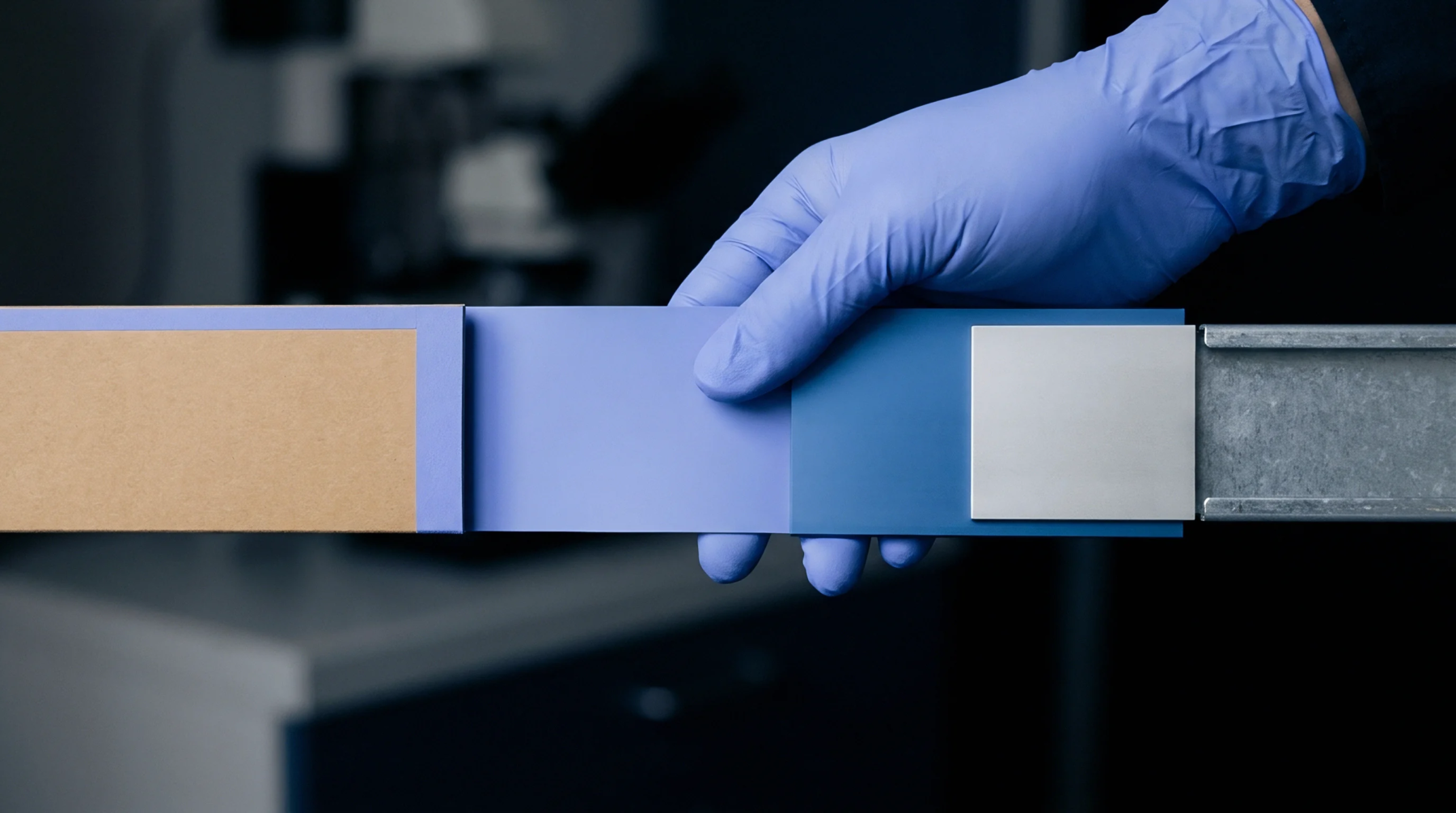
Valid boxboard physical testing requires ISO 187 conditioning at 23°C and 50% RH to prevent hysteresis errors in stiffness, yield, and creasing metrics.

Paperboard flexural rigidity depends on the cube of caliper, requiring exact ISO 2493 or TAPPI T 489 instrument alignment and strict 23°C/50% RH conditioning.
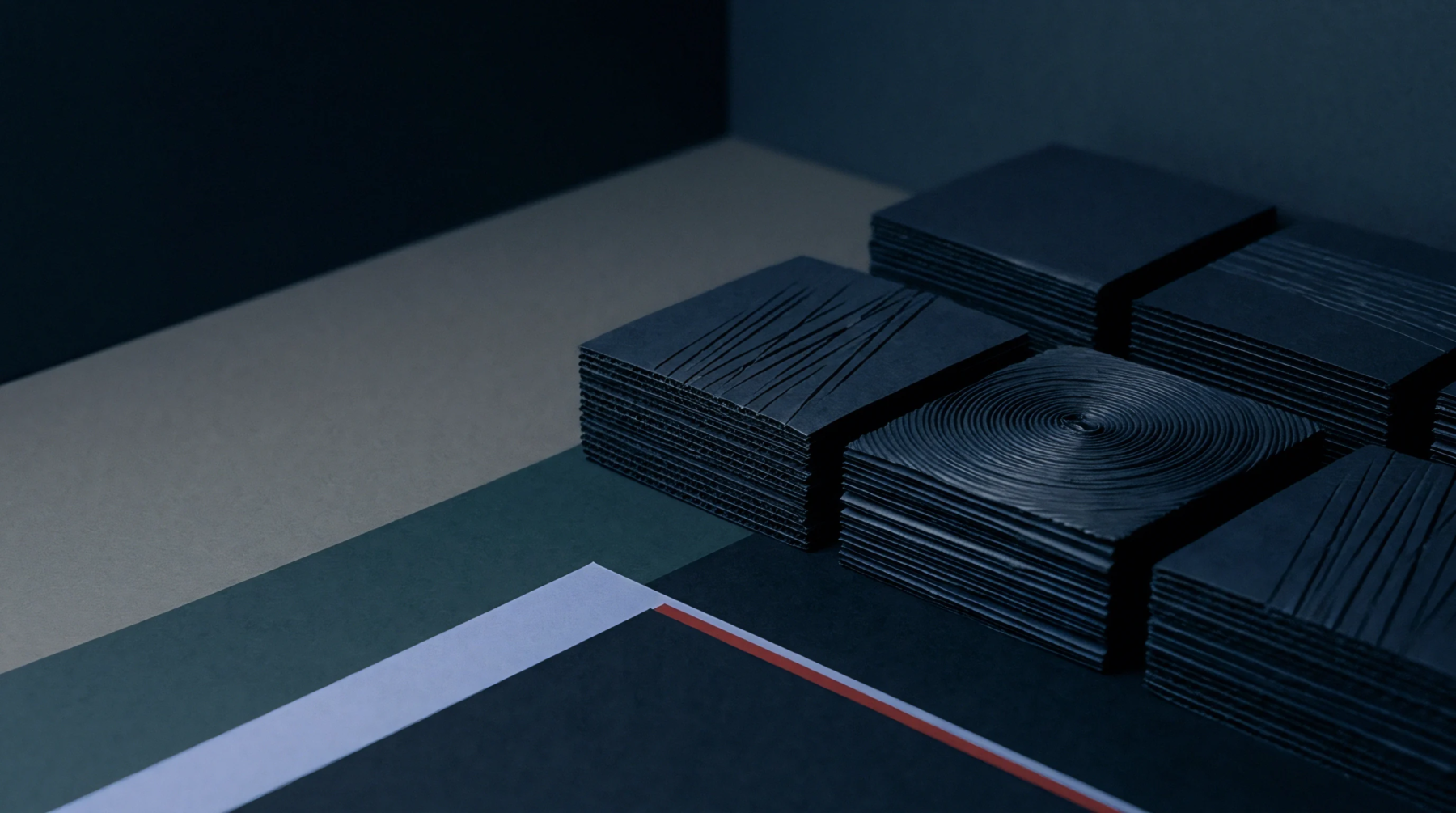
Heat embossing above lignin glass transition temperature locks paperboard relief depth, while controlled dwell time minimizes post-press viscoelastic creep.
Cold paper pallets demand staged thermal acclimation inside unopened vapor wrap to eliminate edge waviness and fluting caused by moisture sorption gradients.
Targeting 5.5 to 6.5 percent board moisture and maintaining 50 percent relative humidity prevents hygroexpansion fan-out, registration drift, and score cracking.
Recycled boxboard interlaminar shear thresholds decay non-linearly above 65% RH due to fiber hornification and starch matrix plasticization.
Substrate core thermal expansion limits dictate sheet dimensional stability, requiring precise thermal control to prevent misregister and bimetallic warp.
Expertise is a utility, not a secret. sentiention™ publishes its working knowledge as open reference: intelligence layer covering the materials it sources, the markets it enters, and the reference that serves both.