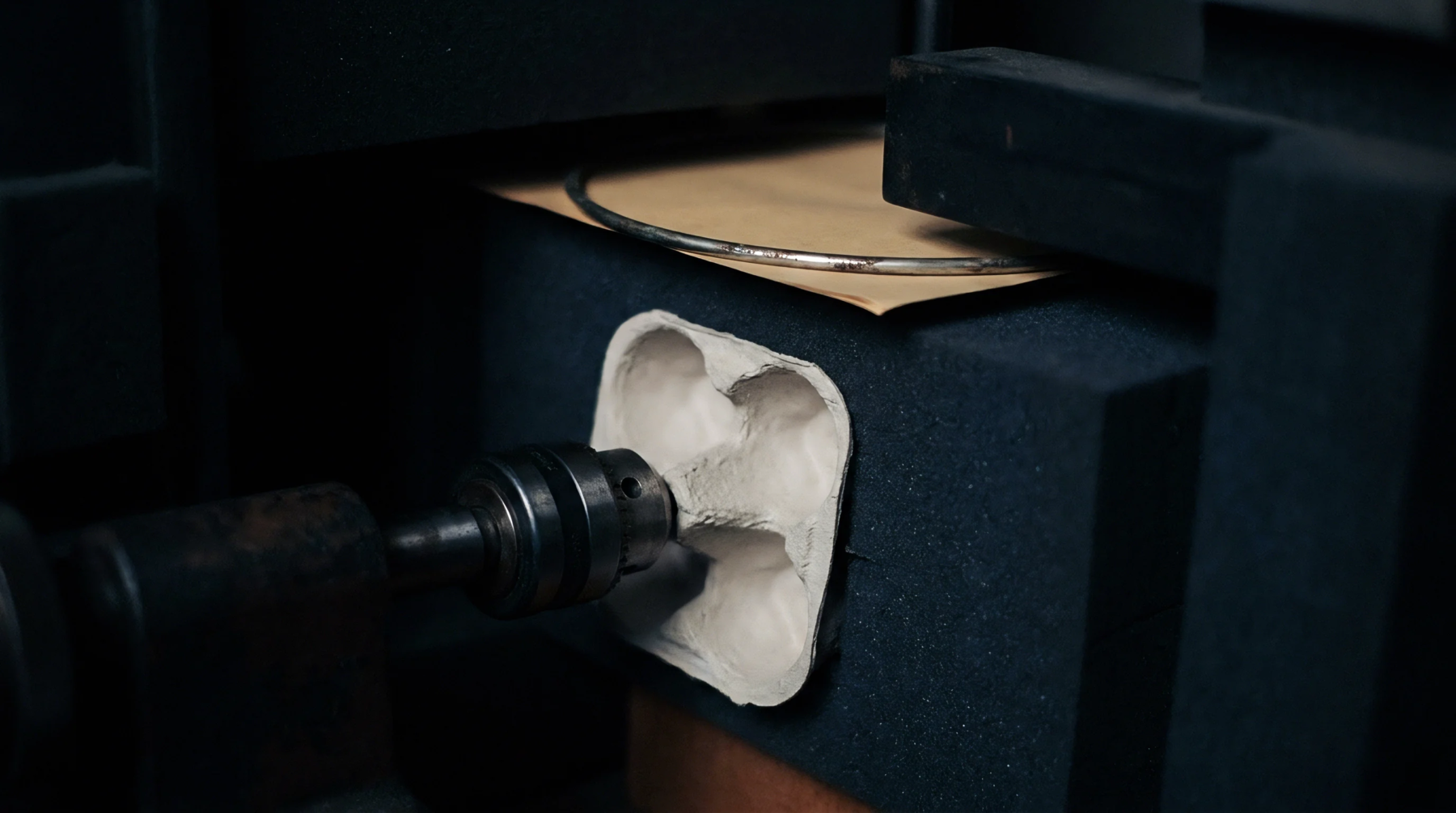
Interfiber Bond Disruption and Mechanical Modulus Decay in Humid Converting Environments
Elevated humidity causes gas-phase moisture sorption that disrupts interfiber hydrogen bonds, reducing sheet elastic modulus and causing converting failure.
Elevated humidity causes gas-phase moisture sorption that disrupts interfiber hydrogen bonds, reducing sheet elastic modulus and causing converting failure.
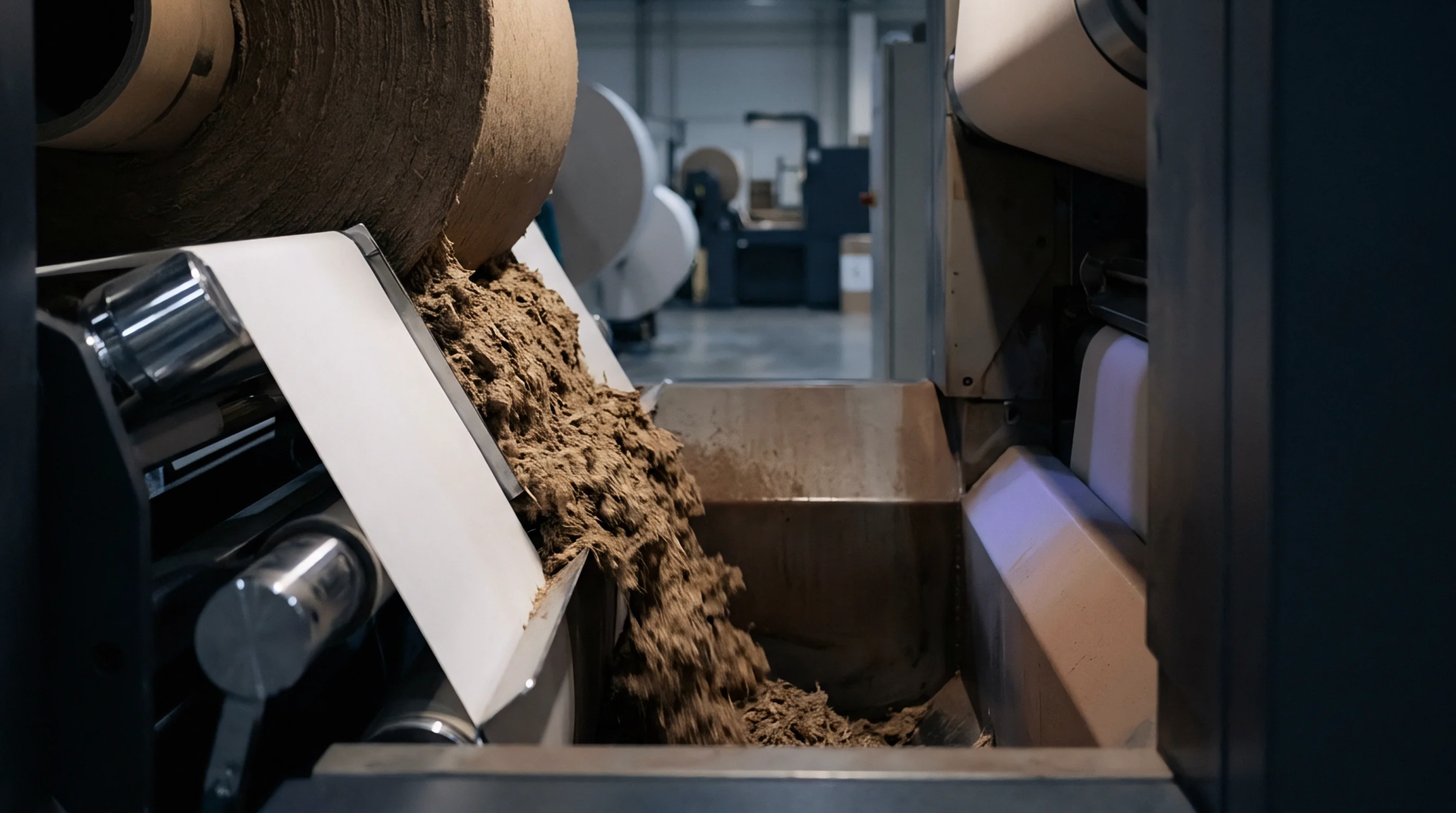
Recycled packaging substrates exhibit non-Fickian moisture uptake and severe hysteresis, reducing compressive strength by over 20 percent under cyclic humidity.

GAB isotherm parameters determine microfibril moisture sorption capacity and establish precise water activity thresholds for barrier packaging compliance.

Microfibrillated cellulose moisture sorption degrades barrier performance at high humidity, requiring chemical cross-linking and verified compliance dossiers.

Unwrapped recycled board stacks in subzero transit suffer rapid edge permeability degradation, demanding strict edge moisture rejection limits at goods-in.

Microfibril moisture binding follows GAB sorption kinetics where mesopore condensation above M0 plasticizes fiber networks, requiring crosslinking to preserve barriers.

Dynamic moisture sorption hysteresis accelerates mechano-sorptive creep failure in corrugated boxes during transit under cyclic relative humidity conditions.

Polyethylene film wraps trap moisture desorbed by paperboard during thermal swings, elevating internal relative humidity and triggering mechanosorptive failure.
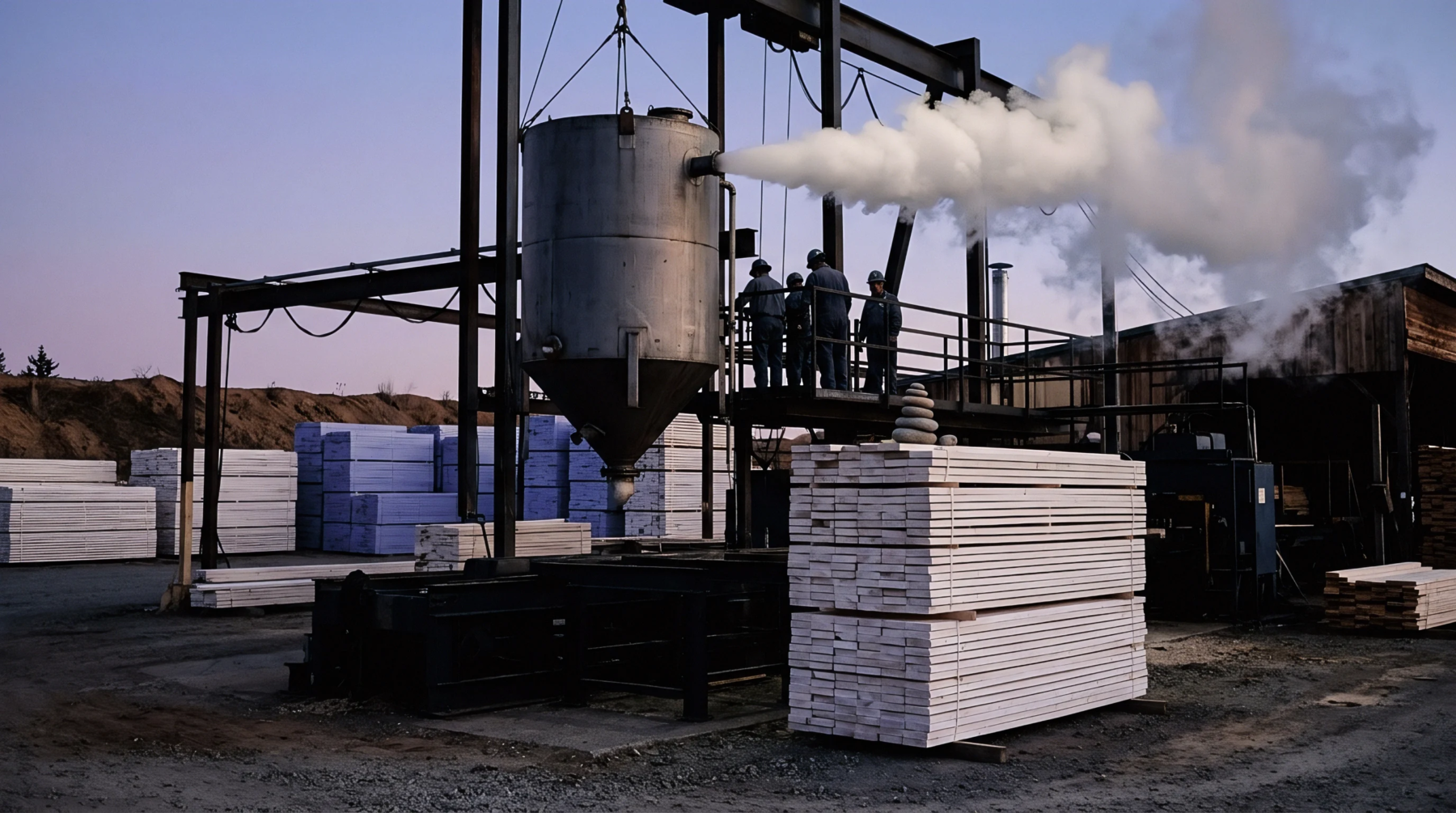
Unheated storage drives moisture ingress along sheet edges via psychrometric gradients, requiring sealed barrier wraps and strict thermal acclimation before press run.
Expertise is a utility, not a secret. sentiention™ publishes its working knowledge as open reference: intelligence layer covering the materials it sources, the markets it enters, and the reference that serves both.