Thermodynamic Equilibrium Rates and Edge Permeability Variations in Unwrapped Recycled Packaging Grades under Subzero Transit Conditions
Unwrapped recycled board stacks in subzero transit suffer rapid edge permeability degradation, demanding strict edge moisture rejection limits at goods-in.


Frost
Vapor Pressure Gradients and Subzero Sorption Kinetics
At minus twenty degrees Celsius, saturated water vapor pressure drops to 1.03 hectopascals, setting up a steep chemical potential gradient across exposed paperboard surfaces. Atmospheric humidity within unconditioned freight trailers transfers rapidly toward unwrapped paperboard reels, which act as thermal and hygroscopic sinks. Recycled containerboard grades made from recovered post-consumer fibers take up moisture faster in subzero conditions than virgin kraft substrates.
At low energy states, physical adsorption dominates over chemisorption, shifting the thermodynamic equilibrium moisture content of secondary fiber networks.
Standard room-temperature testing conducted at twenty-three degrees Celsius and fifty percent relative humidity per ISO 187 fails to reflect moisture uptake under freezing transit profiles. As ambient temperatures descend from zero down to minus twenty degrees Celsius, the binding energy between water molecules and hydroxyl groups on cellulose microfibrils increases. Unwrapped pallets exposed to cold transit routes take on moisture unevenly: outer edges absorb ambient water vapor while inner cores remain at original mill-out moisture levels.
Isotherm Shifts in Hornified Recycled Furnish
Cellulose filaments undergo irreversible pore collapse during repeated papermaking dry cycles, a phenomenon known as hornification. Secondary pulp carries a higher proportion of shortened fibers, fine particles, and recycled starch binder than virgin softwood furnish. These structural alterations modify the Brunauer-Emmett-Teller adsorption isotherm parameters, narrowing the monolayer moisture region and shifting capillary condensation toward lower relative humidity thresholds under freezing conditions.
When ambient transit temperatures drop below the freezing point of water, ice crystallization within macro-pores alters internal moisture distribution. Bound water within cell wall pores remains liquid at subzero temperatures due to capillary depression, while bulk pore water freezes into ice crystals. This microscale phase separation forces unfrozen liquid water into adjacent dry fiber networks, accelerating moisture propagation along exposed reel edges.
At minus fifteen degrees Celsius and eighty-five percent relative humidity, hundred percent recycled testliner reaches thermodynamic moisture equilibrium in forty-eight hours, achieving a final moisture content of fourteen point two percent.
| Substrate Grade | Grammage (gsm) | Furnish Type | EMC at 23 °C / 50% RH (%) | EMC at 0 °C / 85% RH (%) | EMC at -10 °C / 85% RH (%) | EMC at -20 °C / 85% RH (%) |
|---|---|---|---|---|---|---|
| Virgin Kraftliner | 175 | Unbleached Softwood Kraft | 7.8 | 11.2 | 12.4 | 13.1 |
| Testliner 2 (Recycled) | 170 | 100% Recycled Fibers | 8.5 | 12.8 | 14.1 | 15.2 |
| Testliner 3 (High Filler) | 160 | 85% Recycled / 15% Ash | 8.9 | 13.6 | 15.0 | 16.3 |
| Recycled Fluting Grade | 140 | Semi-Chemical / OCC Mix | 8.2 | 12.4 | 13.8 | 14.9 |
| Data recorded after 96-hour exposure under steady-state climate chamber conditions; moisture content expressed as percentage of dry fiber weight per ISO 287 testing procedures. | ||||||
Specifying unwrapped recycled boxboard based on standard room-temperature moisture equilibrium tables results in severe pallet edge crushing when transport temperatures fall below freezing.
Diffusion
Anisotropic Transport along Exposed Reel Edges
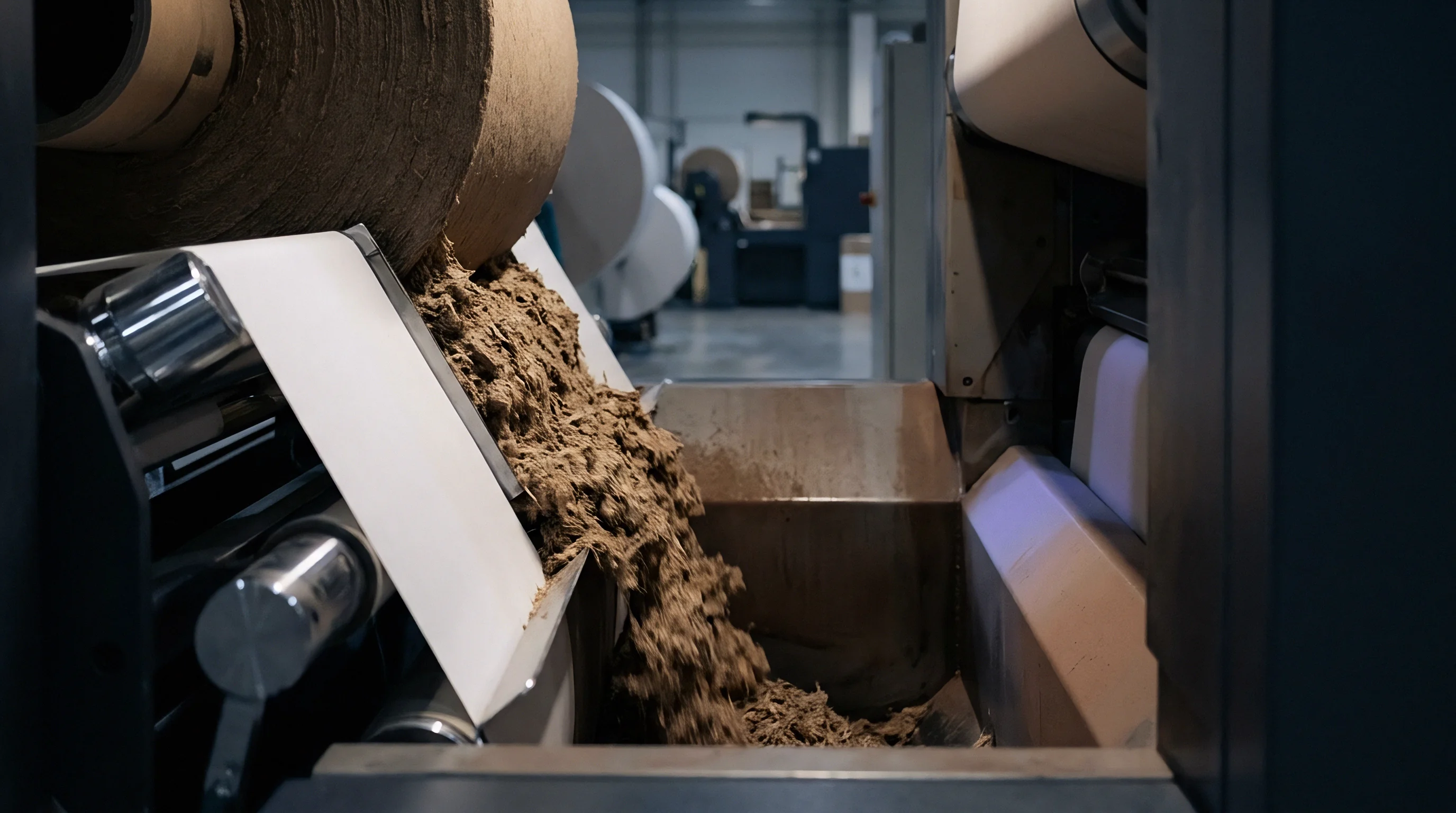
Fluid movement through the exposed cross-section of a paperboard bundle proceeds three to five times faster along internal fiber axes than through surface sizing layers. In unwrapped reel shipments, cross-machine direction cut edges present an open network of cut fiber lumens and capillary channels directly to surrounding cold transit air.
Edge trim quality dictates water migration rates during winter transit. Slitter knives that produce crushed edge profiles increase local bulk and pore volume along the outer ten millimeters of the web, multiplying liquid water intake when condensation forms on cold cargo walls. Flat, clean-cut reel edges present fewer open capillaries, restricting moisture penetration to the immediate perimeter of the parent roll.

Do Recycled Fibers Accelerate Subzero Moisture Sorption?
Pulp filaments shortened by repeated mechanical repulping create high pore frequencies inside the paper matrix. Secondary fibers lose swelling capacity, leaving rigid interstitial voids between cellulose strands. Under freezing conditions, moisture vapor enters these voids, condensing into fine liquid droplets that migrate inward under capillary pressure gradients.
Surface sizing treatments applied at the size press lose hydrophobic effectiveness when exposed to freezing moisture accumulation. Synthetic sizing agents provide liquid resistance on flat sheet faces, but offer no barrier protection across sliced edge fibers exposed during reel rewinding. Moisture enters un-sized core channels uninhibited.
- Localized Delamination Bands internal ply bonds weaken within fifty millimeters of the cut edge as absorbed moisture disrupts starch adhesive networks under repeated freeze-thaw cycles.
- Z-Direction Density Collapse swelling of outer fiber networks reduces sheet density along pallet perimeters, creating uneven caliper profiles across the parent web width.
- Cross-Direction Score Fracturing frozen moisture trapped inside edge fibers causes brittle fiber failure during subsequent automated box folding operations on high-speed lines.
- Micro-Fluting Crease Shear recycled corrugated medium suffers structural shearing along flute tips when moisture levels exceed fourteen percent during cold press operations.
Coarse edge trim from worn slitter knives doubles the rate of moisture accumulation along the outer twenty millimeters of an unwrapped paperboard stack.
Edge moisture pickup during winter freight is often regarded as a temporary cosmetic issue that self-corrects once pallets equilibrate in warm converter warehouses.

Kinetics

Transient Moisture Profiles across Unwrapped Pallet Cross Sections
Penetration depth of ambient water into an unwrapped containerboard stack follows a non-linear rate governed by local pore saturation states. Dynamic transit routes spanning multiple climate zones expose unwrapped pallets to fluctuating thermal gradients, driving moisture absorption through cycles of evaporation and re-condensation.
During seventy-two hours of unconditioned subzero transport, edge moisture levels reach equilibrium within the first twenty-five millimeters of sheet depth, while interior areas twenty centimeters from the edge experience delayed moisture accumulation. Mathematical modeling of moisture transport requires non-Fickian diffusion terms to account for swelling-induced permeability alterations in recycled fiber structures.
Pore Condensation and Phase Change Mechanics
Low thermal conditions force airborne gas into micro-scale fiber cavities where capillary condensation occurs. The Kelvin equation demonstrates that micro-pore structures condense water vapor at relative humidity levels well below one hundred percent when ambient temperatures approach subzero ranges.
Phase changes occurring inside cellulose lumens generate internal mechanical stress. As trapped water freezes, volume expansion exerts outward pressure on microfibrils, damaging remaining inter-fiber hydrogen bonds and permanently increasing edge permeability for subsequent transport legs.
Standard purchasing specifications that omit edge permeability tolerances under ISO 535 testing leave buyers legally uncompensated when frost accumulation degrades edge stiffness beyond converting thresholds.
| Exposure Time (Hours) | Edge Moisture Content 0-10 mm (%) | Edge Moisture Content 10-25 mm (%) | Edge Moisture Content 25-50 mm (%) | Effective Permeability (m²/Pa·s × 10⁻¹²) |
|---|---|---|---|---|
| 12 | 10.4 | 8.8 | 7.6 | 1.2 |
| 24 | 12.8 | 10.1 | 8.0 | 2.4 |
| 48 | 14.9 | 12.3 | 9.1 | 4.1 |
| 72 | 16.2 | 13.8 | 10.5 | 5.8 |
| 96 | 16.8 | 14.6 | 11.4 | 6.2 |
Denser recycled containerboard grades with high mineral filler content absorb subzero moisture slower than high-bulk grades, but retain frozen liquid longer during post-transit thaw cycles.
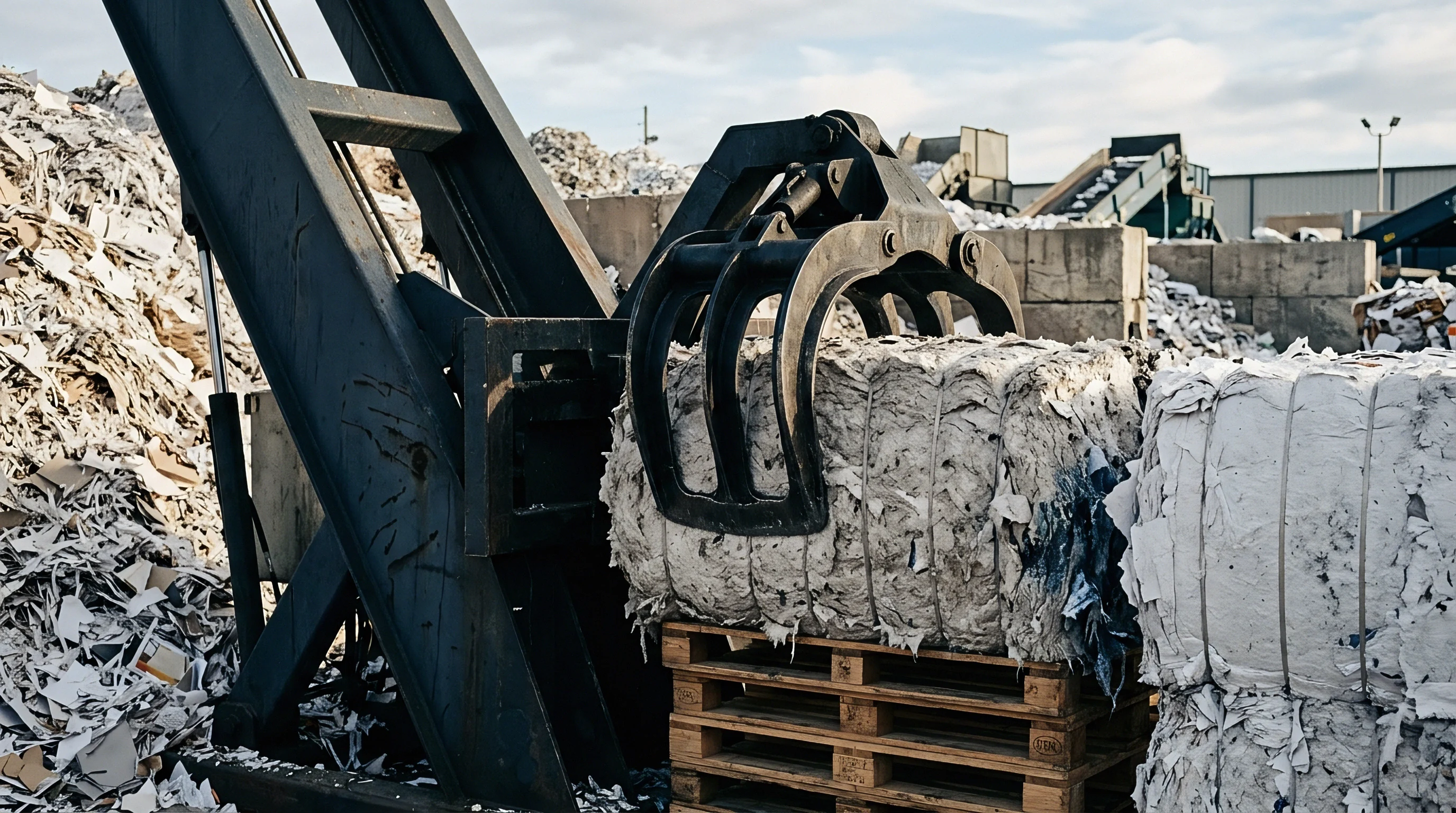
Furnish
Mineral Fillers and Starch-Fiber Networks
Mineral components like calcium carbonate enhance surface smoothness for print acceptance while disrupting internal fiber-to-fiber bonding. High ash content in low-cost recycled testliners increases inter-particle spacing, creating capillary pathways that accelerate liquid water transport along exposed edges during subzero exposure.
Cationic starch additives applied during papermaking increase dry strength but degrade under high moisture equilibrium conditions. Subzero transit environments promote localized condensation that dissolves soluble surface starches, allowing liquid water to penetrate deeper into the sheet core along edge faces.
Cobb Sizing Behavior at Low Thermal States
Chemical hydrophobic additives exhibit diminished barrier performance as sheet temperature drops toward the freezing point. Standard Cobb values measured under ISO 535 at room temperature underestimate subzero water absorption because wax emulsions and alkyl ketene dimer sizes undergo physical stiffening, reducing surface coverage over cellulose micro-pores.
Quantifying edge moisture resistance requires specialized subzero laboratory apparatus to capture real-world transport conditions accurately.
- Cut representative 100 mm by 100 mm paperboard specimens from inner parent reel positions avoiding converted outer layers.
- Condition test samples inside a controlled environmental chamber at minus ten degrees Celsius for twenty-four hours.
- Apply chilled deionized water at two degrees Celsius to specimen edges using a sealed edge-absorption testing rig for sixty seconds.
- Blot excess edge liquid using standardized absorbent paper pressed under a ten-kilogram calibrated metal roller.
- Weigh specimens immediately on an analytical balance reading to zero point zero zero one grams to calculate total water absorption per unit cut area.
Repeated repulping reduces average cellulose fiber length below one millimeter while increasing fine particles that trap ambient humidity during subzero transport.
It remains unresolved whether cross-linking sizing chemistry during wet-end papermaking can fully neutralize the capillary attraction of recycled fines without compromising repulpability at commercial recycling plants.

Rupture

Edge Crush Strength Degradation Curves
Mechanical resistance to vertical loading drops rapidly when localized moisture in board margins exceeds twelve percent by weight. The Edge Crush Test value, measured per ISO 3037, correlates directly with box stacking performance in cold storage supply chains. Unwrapped recycled linerboard subjected to subzero transport exhibits selective edge strength loss, causing structural asymmetry across converted packaging containers.
Softened board edges buckle under lower compressive loads than dry center sections, inducing eccentric loading states during pallet stacking. Structural failure occurs at loads far below nominal design strength when edge moisture contents exceed critical thresholds.
Converting Headroom Loss and Score Line Failure
Creasing matrix tools fracture paperboard structures along fold channels when localized ice crystals reduce sheet flexibility. High-speed packaging machines require consistent cross-machine direction stiffness to score and fold board cleanly without delaminating outer plies.
To quantify landed material performance, consider a 500-tonne shipment of 140 gsm unwrapped recycled testliner delivered via unconditioned freight across a cold transit corridor. Assuming baseline mill-out moisture is seven point two percent, ambient subzero sorption increases outer edge moisture to fifteen point four percent across the outer fifty millimeters of the reel width. Laboratory crush testing shows an Edge Crush Test loss from 4.8 kN/m down to 2.9 kN/m in these affected zone areas, representing a thirty-nine point five percent reduction in vertical load capacity.
Converted boxes manufactured from this raw stock suffer a twenty-two percent drop in Box Compression Test rating per ISO 12048, driving box failure rates on automated palletizers past acceptable operating thresholds.
| Moisture Content (% Dry Basis) | Edge Crush Test ISO 3037 (kN/m) | Bursting Strength ISO 2759 (kPa) | Z-Direction Tensile ISO 15754 (kPa) | Bending Resistance 15° ISO 2493 (mN) |
|---|---|---|---|---|
| 7.5 (Baseline) | 5.2 | 410 | 380 | 240 |
| 9.5 | 4.8 | 395 | 360 | 225 |
| 11.5 | 4.1 | 360 | 315 | 195 |
| 13.5 | 3.4 | 315 | 260 | 155 |
| 15.5 | 2.7 | 270 | 205 | 120 |
As crease resistance falls, trim quality continues to govern edge permeability while inner pallet cores remain dry.
- Subzero Ambient Relative Humidity Limits specify maximum allowable freight trailer humidity levels during winter transport contracts to limit vapor transfer rates.
- Minimum Reel Edge Trim Quality mandate shear-cut knife slitters with maximum blade wear tolerances to maintain closed edge profiles on parent rolls.
- Warehouse Thaw Cycle Allowance establish mandatory forty-eight-hour room-temperature equilibration protocols for incoming subzero shipments prior to unwrapping.
- Calibrated Moisture Rejection Thresholds enforce automated microwave probe moisture measurements along reel edges at goods-in receiving bays.
Incorporating a mandatory edge-moisture rejection limit of eleven percent measured within fifty millimeters of the pallet edge under ISO 287 shifts freight damage liability directly onto the transport carrier.

Margin
Freight Weight Penalties versus Protective Wrapping Costs
Shipping paperboard reels without protective plastic wrapping reduces direct packaging material expenses while exposing outer reel layers to atmospheric moisture pickup. Plastic stretch wrapping adds approximately two point five0 Euros per tonne in material and labor costs, but prevents moisture accumulation during extended winter transit routes.
Unwrapped paperboard rolls absorb up to fifteen kilograms of ambient water per tonne of substrate during prolonged cold transit. Freight charges calculated on gross weight mean buyers pay shipping fees on absorbed environmental water that must subsequently be trimmed off and scrapped at the converting facility.
Converter Spoilage Arithmetic for Subzero Shipments
Press floor downtime caused by damaged board reels costs high-speed packaging plants upwards of eight hundred Euros per hour. Cut edge swelling causes paper web tracking errors, edge tears, and frequent web breaks on corrugated corrugators and high-speed offset printing presses.
Trimming off damaged outer reel edges generates material waste. Stripping off fifty millimeters of damaged paperboard from a one-meter diameter parent roll removes approximately ten percent of the total usable sheet area. When evaluated against the initial two point five0 Euro per tonne wrapping savings, stripping edge waste increases total substrate landed cost by forty-two Euros per tonne on premium recycled grades.
Buying unwrapped recycled packaging stock for winter transport routes sacrifices converting margin to save minimal packaging wrap fees.