Chemical Curing
Synthetic organic compound application constitutes a wet-end chemical treatment that imparts resistance to liquid penetration in cellulose networks. The process of asa sizing utilizes alkenyl succinic anhydride to establish a hydrophobic surface on fibers during paperboard manufacture. This esterification reaction binds the anhydride group with cellulose hydroxyl groups.
Emulsion Stability
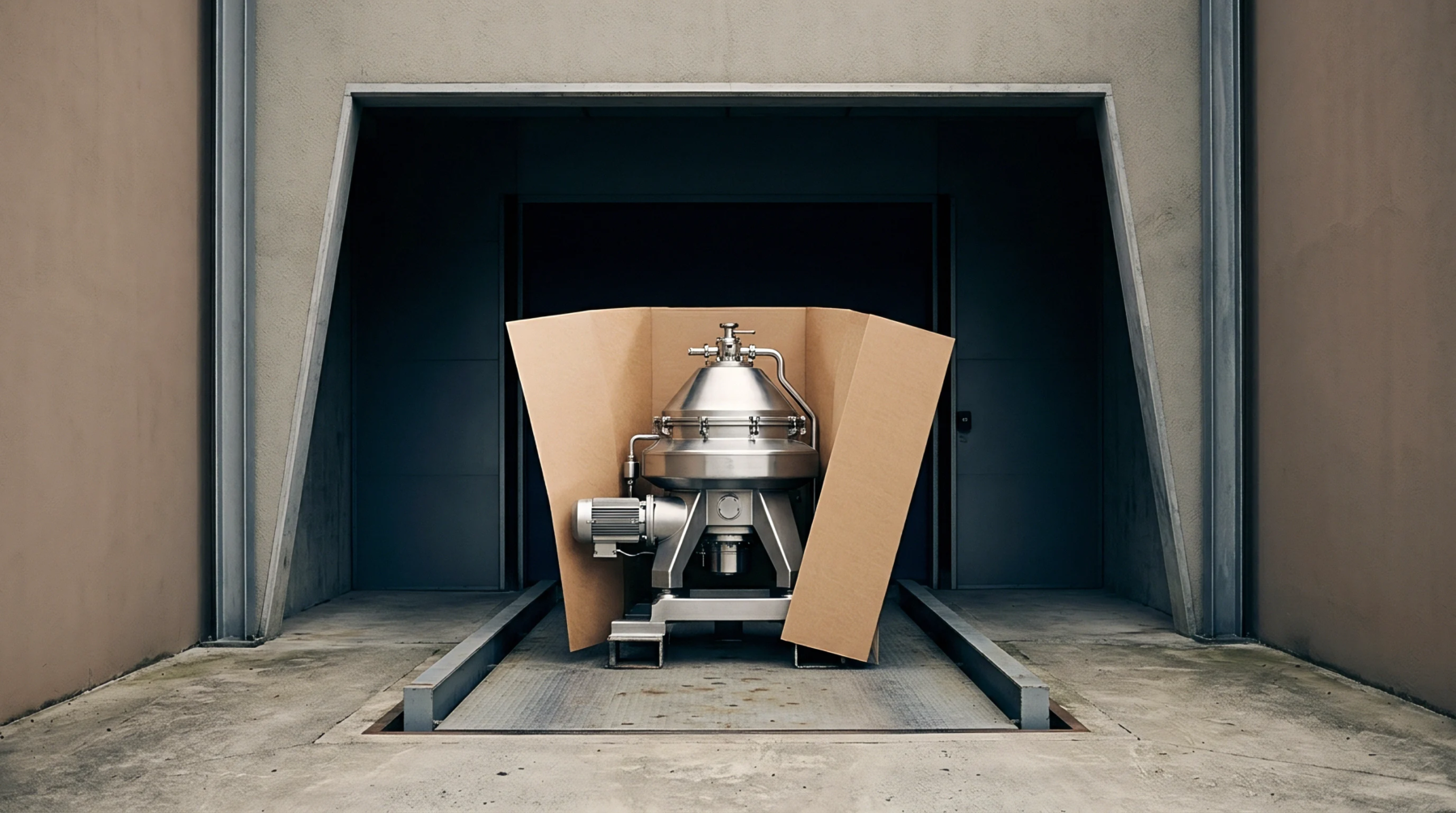
Liquid chemical delivery requires careful preparation due to the rapid hydrolysis of the anhydride in the presence of water. An emulsion of asa sizing must be prepared on-site using a cationic polymer or starch as a stabilizing agent to prevent the formation of sticky calcium salts or dicarboxylic acid. This stabilization ensures that the active molecules remain distributed throughout the pulp slurry prior to sheet formation.
Emulsion droplet size determines the distribution uniformity across the sheet.
Moisture Resistance
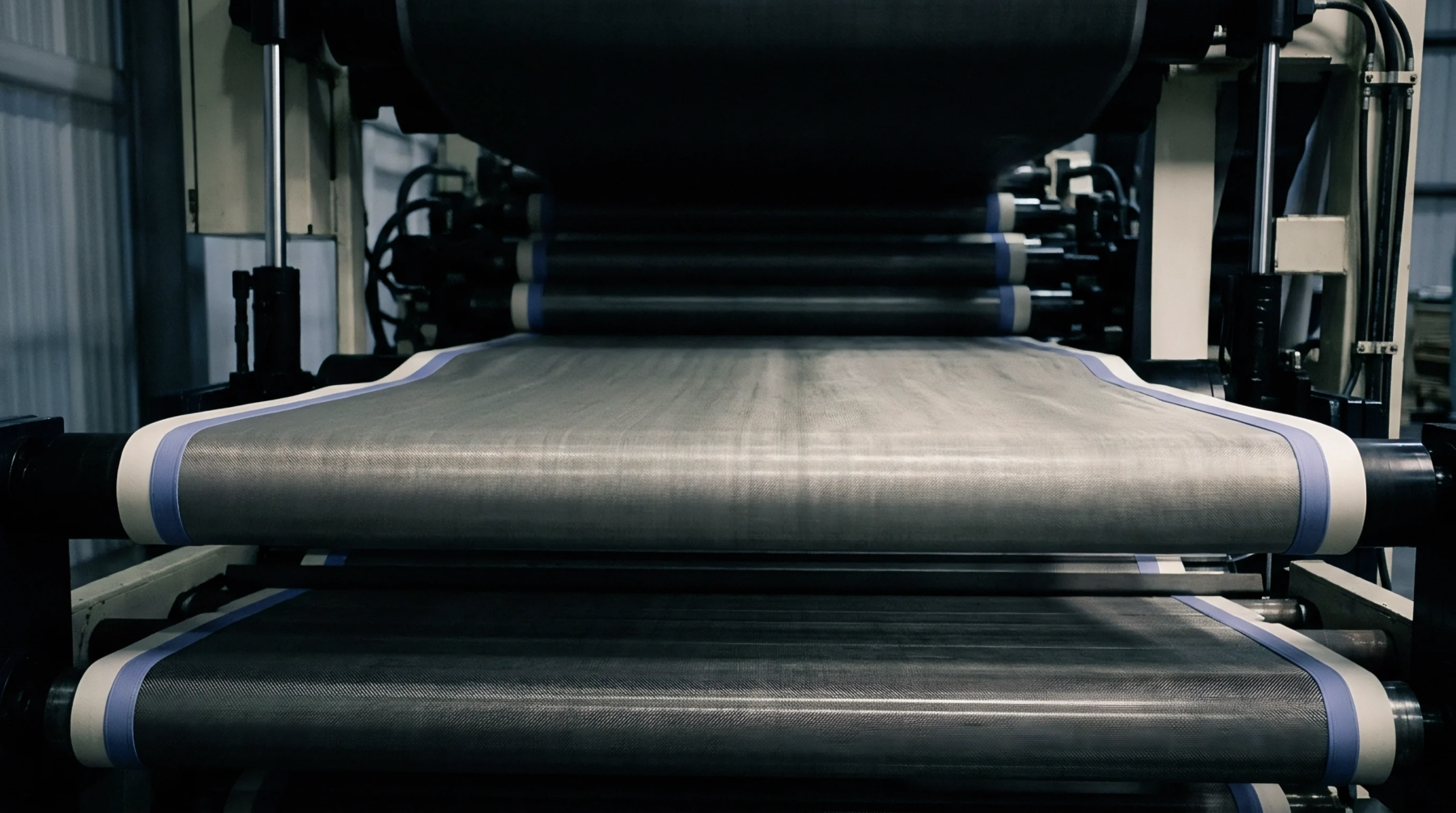
Barrier performance is evaluated through liquid absorption tests that measure the rate of edge-wicking and water intake in packaging applications. In liquid packaging boards, asa sizing prevents the liquid from weakening the container walls and seam lines during distribution. The level of sizing must balance the requirements of subsequent converting operations, since excess chemical coverage can interfere with heat sealing and water-based adhesive application.
Proper dosage protects the paperboard structure without reducing surface energy to levels that disrupt ink transfer or polymer extrusion coating. This treatment ensures the dry stiffness of the board is maintained during transport.