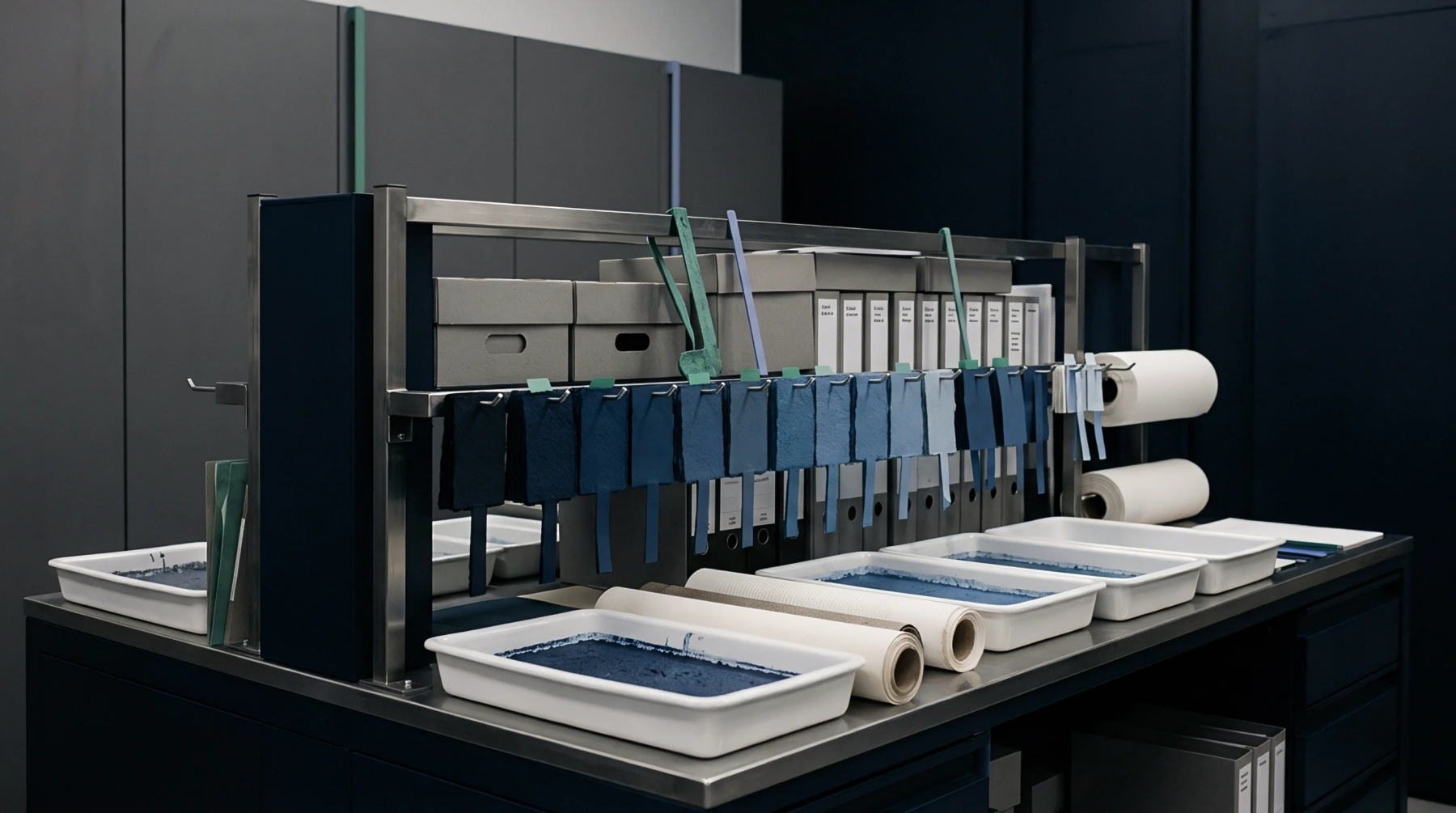
CIELAB Color Difference Thresholds for Ink Bleed Quantification
Specifying CIEDE2000 thresholds between 0.8 and 1.2 across micro-aperture line scans isolates ink bleed without triggering false inline vision rejects.
Specifying CIEDE2000 thresholds between 0.8 and 1.2 across micro-aperture line scans isolates ink bleed without triggering false inline vision rejects.

Dynamic fluid wetting during press nip transit depends on dynamic surface tension and microsecond hydraulic compression rather than static capillary absorption.
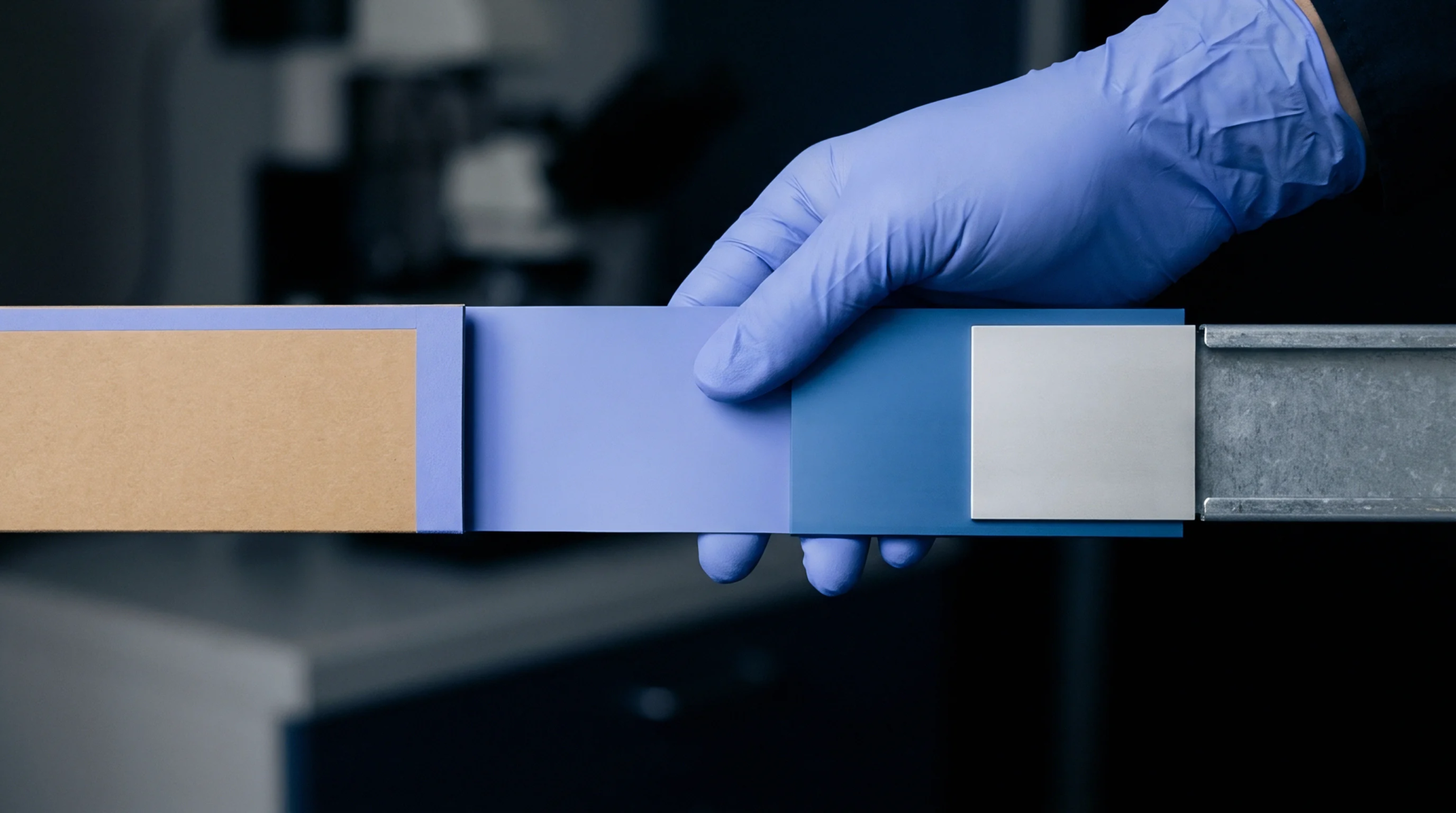
Decoupling viscoelastic fluid squeeze from optical light diffusion isolates true mechanical dot expansion across compressible paperboards.

Micro-stepping impression actuators on heavy carton presses demand closed-loop linear encoding to prevent lost motion under cyclic forty-kilonewton sheet shocks.

UV lamp radiation drives moisture loss and thermal expansion in sheetfed litho, causing tail fan-out and downstream die-cutting registration failures.

Board furnish changes alter subsurface light scatter, demanding recalibrated plate curves to maintain target tone values.

Uncoated paper porosity metrics govern liquid absorption and optical light scattering, requiring customized Yule-Nielsen spectral curves for print tone accuracy.

Verify tone value increase across offset papers by combining ISO 13655 M1 spectrophotometry with substrate-specific target curves and CTP plate linearization.

Pre-scaling brass die vector artwork based on directional thermal strain maps eliminates press registration drift across large format heated platens.
Deriving uncoated paper TVI targets demands separating optical light scattering from capillary ink absorption using M1 spectral data to set inverse RIP curves.
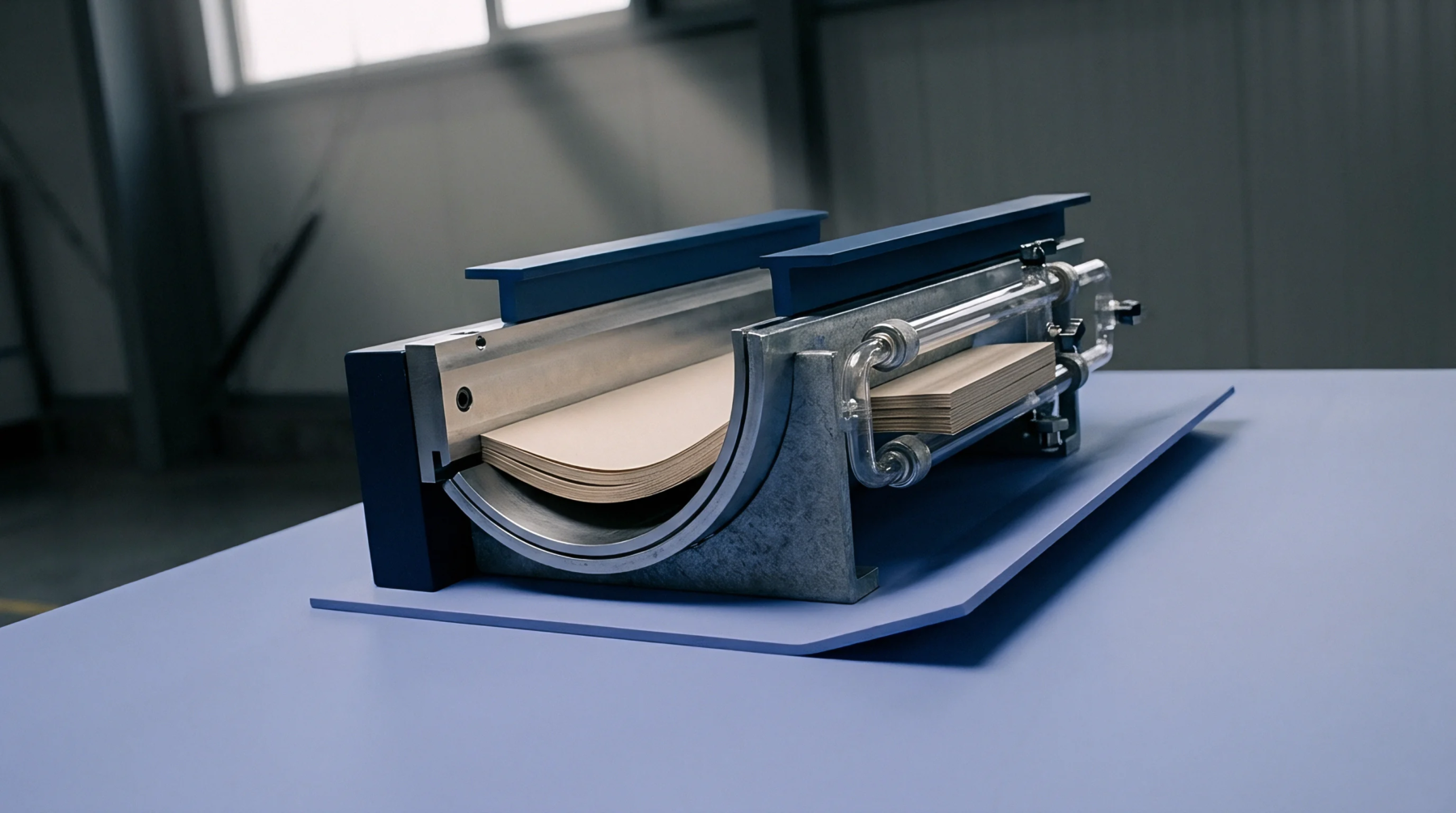
Imposition layouts that nest cartons across grain directions reduce parent sheet trim but induce bimodal stiffness variance and high-speed feeder jams.

Dynamic tone expansion modeling across recycled fiber matrices requires coupling transient capillary suction with viscoelastic nip deformation metrics.

Standardized TVI calibration requires substrate-relative spectral curves, M1 spectrophotometry, and dynamic CTP curve adjustments matched to sheet porosity.

Active dual-beam telecentric triangulation combined with real-time FPGA filtering cancels web vibration and speckle noise to guarantee sub-micron inline caliper accuracy.

Stack thermal buildup causes substrate shrinkage and mechanical expansion, driving cold foil register drift across continuous production shifts.

Changing stock grades alters micro-porosity and light scattering, shifting ink holdout and dot gain, requiring immediate press curve and ink film adjustments.
Expertise is a utility, not a secret. sentiention™ publishes its working knowledge as open reference: intelligence layer covering the materials it sources, the markets it enters, and the reference that serves both.