Dynamic Wetting Kinetics under High Speed Offset Press Nip Compression
Dynamic fluid wetting during press nip transit depends on dynamic surface tension and microsecond hydraulic compression rather than static capillary absorption.
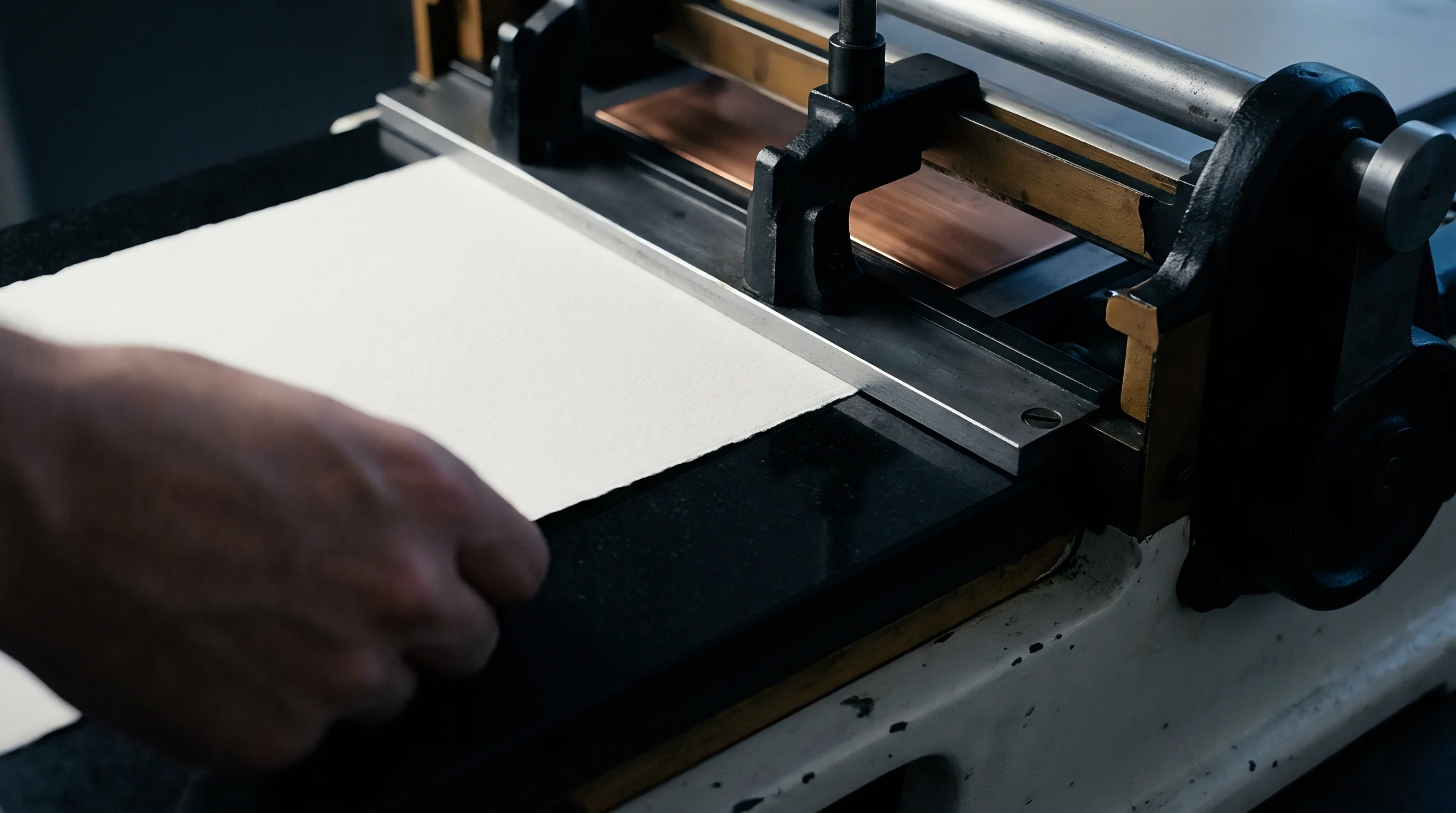

Hydraulics
At web speeds exceeding 12 meters per second, the print nip forces dampening fluid into the topcoat within 1.5 milliseconds. Pore structures dictate uptake. Pressure peaks abruptly.
Capillary forces act slowly. Under static conditions, fluid penetration into porous coating matrices follows capillary absorption kinetics modeled by the Lucas-Washburn relation. In a high-speed offset press nip, external mechanical pressure overrides capillary pressure by two to three orders of magnitude.
The printing nip imposes peak mechanical stress between 2.0 and 5.0 MPa over transit durations of 0.8 to 3.0 milliseconds. This hydraulic forcing converts liquid imbibition from a pore-radius-governed capillary transport process into a viscous bulk flow governed by Darcy law principles under transient displacement gradients.
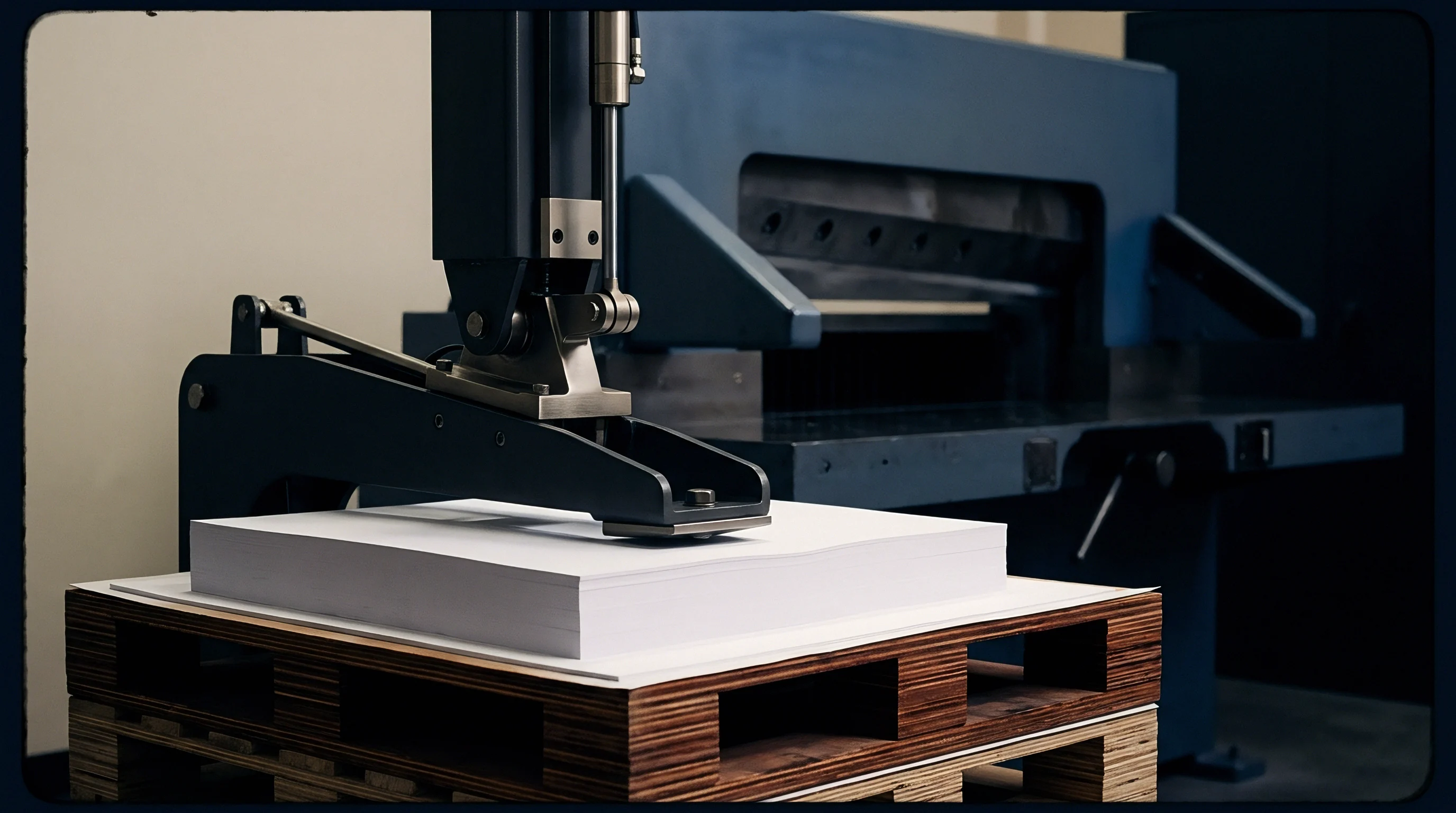
Nip Dwell Forces and Fluid Displacement
High rotational roll speeds compress the elastomer blanket layer, creating a narrow contact zone where hydrostatic pressure rises sharply. Dwell times remain brief. When dampening water and emulsified offset ink enter this region, the rapid reduction in clearance accelerates fluid movement into the surface voids.
The surface pore volume of a calcium carbonate offset coating ranges from 0.05 to 0.15 cubic centimeters per gram, with average pore diameters between 0.02 and 0.2 micrometers. Capillary pressure alone generates 0.5 to 1.5 MPa of driving force in sub-micron channels. Hydraulic compression adds up to 4.0 MPa during the initial half of the nip transit.
| Substrate Grade | Coating Structure | Nip Dwell Time (ms) | Peak Nip Pressure (MPa) | Forced Intake Depth (µm) | Dynamic Contact Angle at 2 ms (deg) |
|---|---|---|---|---|---|
| Triple-Coated Woodfree (150 gsm) | 100% Fine PCC / Latex Binder | 1.2 | 3.8 | 0.45 | 38 |
| Double-Coated Recycled Board (250 gsm) | Coarse GCC / Clay / Starch-Latex | 2.5 | 2.4 | 1.10 | 24 |
| Uncoated Offset Fine Paper (80 gsm) | Uncoated Woodfree Furnish | 1.0 | 4.2 | 3.60 | 12 |
At a nip dwell time of 1.8 milliseconds and a peak pressure of 3.2 MPa, fluid displacement into 0.1-micrometer pores proceeds six times faster than capillary action alone permits.
Substrate compression alters the internal pore structure during transit. Fiber networks beneath the coating layer yield under peak stress, reducing bulk thickness by 5 to 15 percent depending on furnish density and moisture content. As the paper matrix contracts, air entrapped within pore channels compresses, creating counter-acting pneumatic backpressure.
Once the sheet exits the pressure peak, elastic recovery of the fiber web causes structural re-expansion. This decompression phase draws liquid further into the z-direction before film splitting occurs at the blanket exit. Ignoring hydrostatic forcing mechanisms leads to misjudging dampening fluid requirements, resulting in ink emulsification failure or coating pick damage during production runs.

Chemistry
Aqueous dampening formulations containing non-ionic alkyl phenol ethoxylates or glycol ether surfactant systems require finite relaxation periods to orient at newly generated liquid-vapor interfaces. Surfactant diffusion takes time. Wetting angles drop fast.
Static surface tension values measured by Wilhelmy plate or du Noüy ring methods reflect equilibrium states attained after several seconds. In high-speed offset printing, fresh fountain solution surfaces form continuously within 10 to 50 milliseconds during fluid metering. Static values of 30 millinewtons per meter often mask dynamic surface tension values that exceed 50 millinewtons per meter at microsecond interface ages.
Dynamic Surface Tension and Surfactant Diffusion
Bubble pressure tensiometry captures surface activity across surface ages from 1 to 1000 milliseconds. Surfactants with high molecular weights diffuse slowly from the bulk solution to the expanding interface. When dynamic surface tension remains high during nip transit, the fountain solution fails to wet hydrophobic offset plates and ink films uniformly.
This contact breakdown alters the interfacial energy balance, changing the spreading coefficient of water over the ink film.

Fountain Solution Micro-Emulsification Rate
Shear rates exceeding 100,000 reciprocal seconds within the printing nip break fountain solution droplets into sub-micron dispersions inside the ink layer. Viscosity governs penetration speed.
- Water Droplet Bead-up occurs when high dynamic surface tension prevents dampening solution spreading across the non-image areas of the plate.
- Ink Film Hydrolysis develops when excess free water forced into the ink matrix degrades vehicle cohesion and lowers ink tack prematurely.
- Coating Softening Instability arises as rapid water penetration dissolves water-soluble starch binders within the pigment layer under pressure.
- Emulsion Viscosity Drop follows hyper-emulsification, reducing ink film split resistance and causing dot gain expansion on tone scales.
Compliance with ISO 12647-2 tolerance limits for solid ink density fails when fountain solution surface tension exceeds 42 millinewtons per meter at a ten-millisecond bubble age.
Chemical suppliers assert that universal fountain concentrates achieve identical equilibrium wetting across all press speeds without additive adjustment, despite measured dynamic surface tension spikes at short bubble ages.

Split
Filament formation in offset ink separation at the exit zone of the printing nip generates negative hydrostatic pressures reaching minus two megapascals. Fluid moves under shear. Ink tack rises quickly.
The separation of the printing blanket from the paper substrate forces the liquid film into extreme cavitation. Cavitation voids coalesce into liquid filaments that stretch until structural rupture occurs. The spatial location of this rupture plane governs ink transfer volume and surface print smoothness.
Filament Rupture and Ink Transfer Efficiency
High dynamic absorption of ink solvent vehicles increases ink tack during the millisecond compression transit. When mineral oil or vegetable oil ester vehicles drain rapidly into coating pores under peak nip pressure, the ink pigment phase concentrates at the surface. This rapid vehicle loss increases film viscosity at the moment of separation.
Higher film viscosity demands greater force to break the liquid filaments, increasing z-direction stress on the substrate surface.

Coating Pick Resistance under Hydrodynamic Shear
Pigment particle detachment occurs when the viscoelastic pulling force of the splitting ink film exceeds the internal cohesive strength of the coating layer. Blanket pressure alters flow. Paper absorbs moisture fast.
Consider a coating binder comparison on a 200 gsm folding boxboard run at 10 meters per second. Coating formulation A contains 12 parts styrene-butadiene latex per 100 parts calcium carbonate pigment, providing an average coating pore diameter of 0.08 micrometers. Alternative formulation B reduces latex content to 8 parts and adds 4 parts soluble starch, yielding a smaller average pore diameter of 0.04 micrometers.
Under a peak nip pressure of 3.0 MPa and a dynamic press transit of 1.5 milliseconds, formulation A maintains stable vehicle absorption without binder depletion. Formulation B exhibits rapid initial water uptake from the fountain solution due to hydrophilic starch hydroxyl groups. This water intake weakens the internal binder matrix, lowering wet pick resistance from 1.2 meters per second to 0.6 meters per second under IGT testing conditions according to ISO 3783 guidelines.
Excessive binder migration toward the coating surface seals structural pores, driving fountain solution laterally along the sheet interface.
Technical delivery specifications for coated paperboard grades incorporate ISO 3783 surface strength minimums, shifting financial responsibility to the printer whenever damping solution parameters exceed certified ink tack boundaries.

Bench
Standard liquid absorption tests designed for static or gravimetric timeframes fail to predict fluid movement during millisecond nip transits. Static tests fail here. Sizing alters fluid transit.
The standard ISO 535 Cobb test measures total water mass absorbed by a one-hundred-square-centimeter sheet area over exposure periods of 60 seconds or longer. During 60 seconds, water penetrates through the full caliper of typical paper stocks under purely capillary forces. Offset nip compression acts over durations shorter by four orders of magnitude under applied hydraulic pressure gradients.

Limitations of Standard Cobb Testing
Gravimetric water uptake values derived from sixty-second exposure correlate poorly with press damping performance on high-speed lithography lines. A paper surface exhibiting a low Cobb 60 rating of 18 grams per square meter can still undergo rapid dynamic wetting within the initial 5 milliseconds of fluid contact. Dynamic contact angle goniometry and high-speed liquid absorption apparatus provide measurement timescales relevant to offset printing speeds.
Press Simulation via Dynamic Contact Angle
High-speed video goniometry measures contact angle change starting at 2 milliseconds post-drop impact.
| Test Method | Conditioning / Timeframe | Applied Pressure | Parameter Measured | Correlation to Nip Wetting |
|---|---|---|---|---|
| ISO 535 Cobb 60 | 23°C, 50% RH / 60 seconds | Hydrostatic (10 mm water head) | Gravimetric mass uptake (g/m²) | Poor (Static Capillary Focus) |
| Bristow Wheel Absorptometer | 23°C, 50% RH / 2 to 100 ms | Atmospheric (Contact Line Only) | Dynamic Liquid Transfer Rate (mL/m²) | Moderate (Lacks Pressure Gradient) |
| Ultrasonic Penetration (PDA) | 23°C, 50% RH / 10 to 1000 ms | Controlled Hydraulic Pulses | Z-Direction Attenuation Profile | High (Simulates Nip Compression) |
| Bubble Pressure Tensiometry | 23°C / 1 to 1000 ms bubble age | Pneumatic Bubble Formation | Dynamic Surface Tension (mN/m) | High (Captures Surfactant Diffusion) |
The dynamic measurement execution follows a structured laboratory sequence to verify short-timescale wetting properties before approving raw material batches:
- Condition paper samples at 23 degrees Celsius and 50 percent relative humidity for 24 hours prior to dynamic measurement.
- Measure dynamic surface tension of the fountain solution across bubble ages from 10 to 1000 milliseconds using a maximum bubble pressure tensiometer.
- Execute liquid absorption profile indexing on a Bristow wheel applicator at contact times between 2 and 100 milliseconds.
- Subject the sample to ultrasonic penetration testing to capture z-direction liquid absorption kinetics under pressurized conditions.
The exact mechanism governing how microsecond hydrostatic pressure forces liquid into closed surface pore structures without altering bulk fiber swelling remains an open question on the testing desk.

Ledger
Mill specifications that optimize sheet brightness at the expense of surface pore architecture alter ink tack build and increase press spoilage. Yield calculations reveal losses. Substrate selection fixes the operating envelope for fluid management across long press runs.
Selecting a double-coated woodfree sheet with high latex binder content reduces fountain solution penetration, stabilizing register accuracy across multi-color print units. This choice increases unit substrate costs by 8 to 14 percent compared to single-coated mechanical alternatives.

Substrate Grade Selection and Yield Impact
Financial losses from ink-water imbalance materialize through web breaks, excessive make-ready waste, and compromised ink drying rates. When dampening fluid fails to penetrate the topcoat during nip transit, excess surface moisture emulsifies the ink on the plate. Emulsified ink slows oxidative polymerization, extending drying times from 4 hours to over 24 hours.
Extended drying times delay finishing operations, increasing work-in-progress inventory holding costs on high-volume folding carton orders.
- Coating Pore Volume Target mandates maintaining total pore volume between 0.08 and 0.12 cubic centimeters per gram to balance fluid absorption and ink vehicle holdout.
- Surface Energy Ratio Verification specifies that the polar surface energy component must remain below 10 millinewtons per meter to prevent excessive fountain solution wetting.
- Base Sheet Cobb 60 Cap establishes a maximum water absorption threshold of 25 grams per square meter to prevent moisture-induced dimensional instability.
- Z-Direction Tensile Strength Limit requires internal bond strength exceeding 250 Joules per square meter to resist ink separation shear forces at high press speeds.
Uncoated mechanical sheets absorb dampening fluid rapidly, reducing ink transfer yield by shifting the film split line toward the paper substrate.
Matching coating micro-porosity to press dampening dynamics preserves dot sharpness while keeping make-ready spoilage below target waste allowances.