
Dynamic Wetting Kinetics under High Speed Offset Press Nip Compression
Dynamic fluid wetting during press nip transit depends on dynamic surface tension and microsecond hydraulic compression rather than static capillary absorption.
Dynamic fluid wetting during press nip transit depends on dynamic surface tension and microsecond hydraulic compression rather than static capillary absorption.

Controlling interfacial shear stress balances ply delamination during scoring against surface coating integrity to prevent converting splits and barrier failure.

Micro-pore volume between 0.02 and 0.08 micrometers controls dynamic vehicle absorption, dictating offset ink setting speed and preventing mottle defects.

Surfactant diffusion kinetics govern short-time surface tension during blade metering, preventing pinholing and ensuring carton converting adhesion.
Substrate capillary absorption speeds govern ink setting rate, dryer energy consumption, and cross-web print defect thresholds across high-speed converting runs.

ISO 15901-1 porosimetry paired with dynamic sorption testing qualifies coating pore structures to prevent back-trap mottle and ink setting failures on press.

Capillary absorption kinetics in lightweight coated virgin papers depend on pigment packing geometry, binder distribution, and sub-micron pore radii.
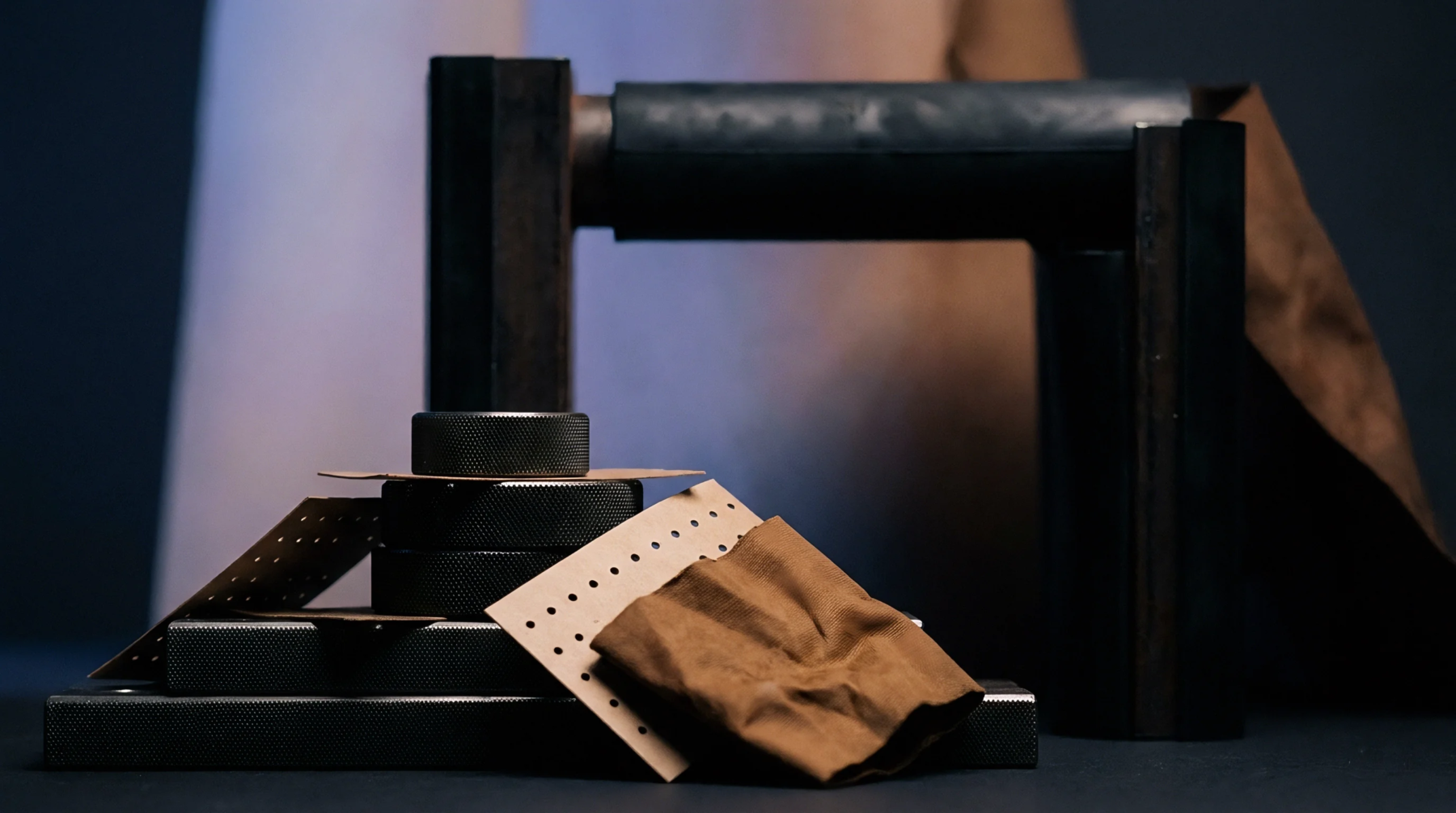
Micro-porous paper coating capillary dimensions govern dynamic ink vehicle filtration rates, ink setting speeds, press energy consumption, and total converted sheet yield.
Expertise is a utility, not a secret. sentiention™ publishes its working knowledge as open reference: intelligence layer covering the materials it sources, the markets it enters, and the reference that serves both.