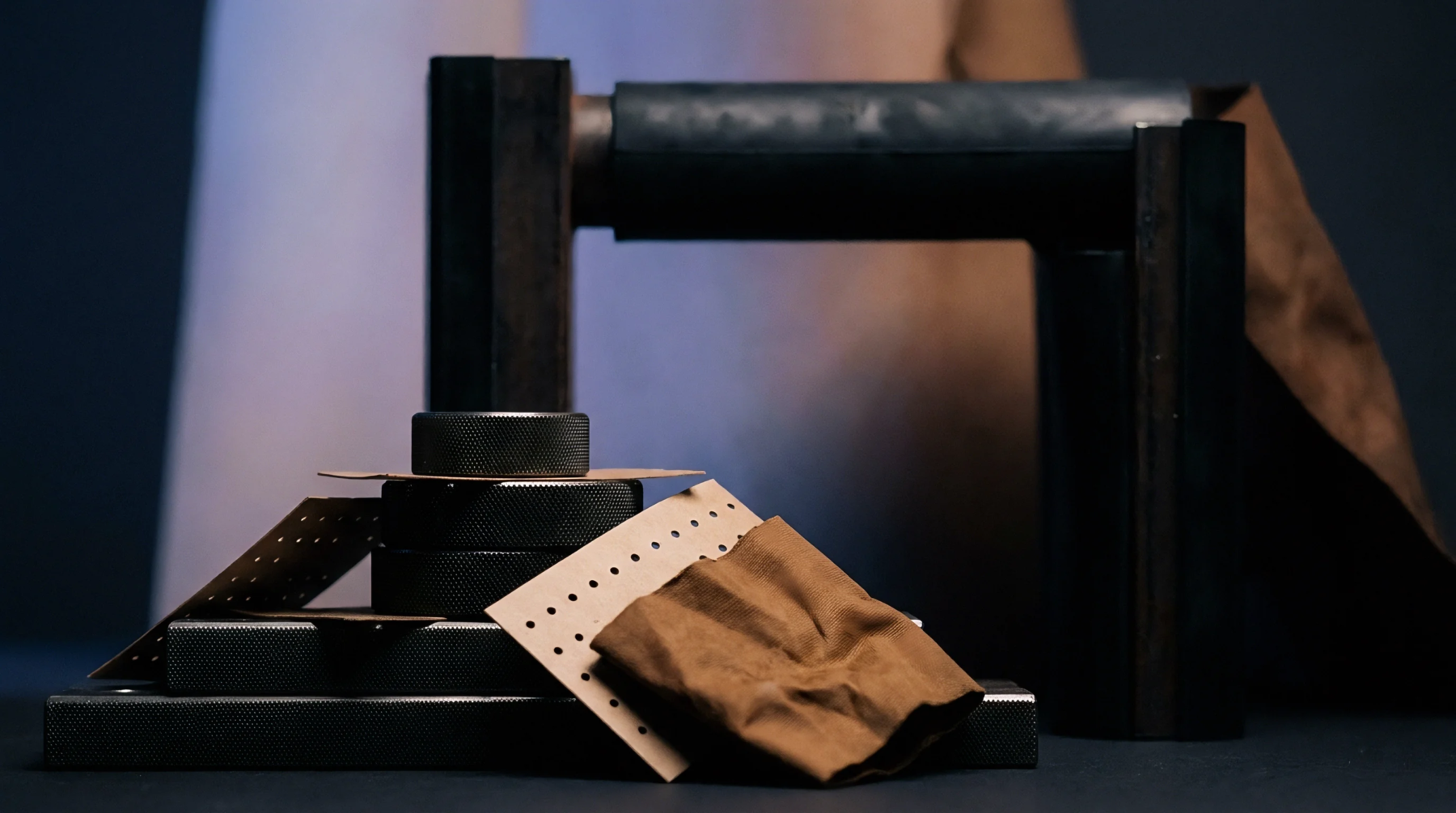
Void Configuration
Dimensional stability across high speed packaging lines depends directly upon the internal micro-porosity structure formed during the initial sheet consolidation phase on the paper machine wire. Papermakers control this microscopic void network through specific refining energy inputs and wet end chemistry parameters to balance liquid absorption rates against structural rigidity. Excessively open void geometries allow moisture penetration during flexographic printing operations, which distorts the planar flatness of the sheet and causes register errors on multi-colour presses.
Conversely, hyper-calendered stocks with suppressed void networks lack the absorbency needed for water based barrier coatings to anchor properly, leading to delamination under converting tension. Caliper loss during secondary processing scales with the volume of entrapped air pockets, meaning converters must measure permeability before committing stock to rotary die cutting stations. Mill engineers adjust vacuum levels at the couch roll to manipulate air permeance values, targeting specific Gurley seconds to match the conversion speed of the end user.
High filler content reduces void volume by blocking capillary channels with mineral particles, altering the transverse liquid transport mechanics that dictate glue line penetration rates during carton erection.
Void Geometry
Capillary networks within cellulosic webs dictate fluid migration pathways by establishing microscopic channels that govern both surface wettability and internal saturation kinetics. Papermaking refiners alter fibre morphology by bruising and fibrillating cellulose walls, creating narrower interfibre spaces that restrict liquid flow during subsequent coating application steps. Converting facilities rely on Parker Print Surf measurements to quantify surface roughness, correlating air leak rates directly with the void dimensions exposed at the paper face.
Excessive void volume permits solvent migration past the print layer, causing strike through defects that compromise reverse side readability on thin folding boxboard.
Capillary Mechanics
Fluid uptake speed relies entirely on capillary pressure gradients acting across microscopic void boundaries within the consolidated paper matrix. Wet end operators monitor stock drainage rates continuously to ensure that fines distribution supports uniform internal void distribution without creating dense impermeable zones. Unbalanced pressing pressures collapse internal air pockets unevenly, producing localized variations in bending stiffness that disrupt high speed carton folding machinery.