Quantifying Micro-Sticky Accumulation and Filtrate Organic Load in Closed Loop Paperboard Recycling Circuits
Quantifying micro-stickies and organic load in closed-loop board circuits requires combined TOC analysis and hydrophobic deposition testing to prevent deposit failures.

Origin
Contaminant Sources in Recycled Furnish Streams
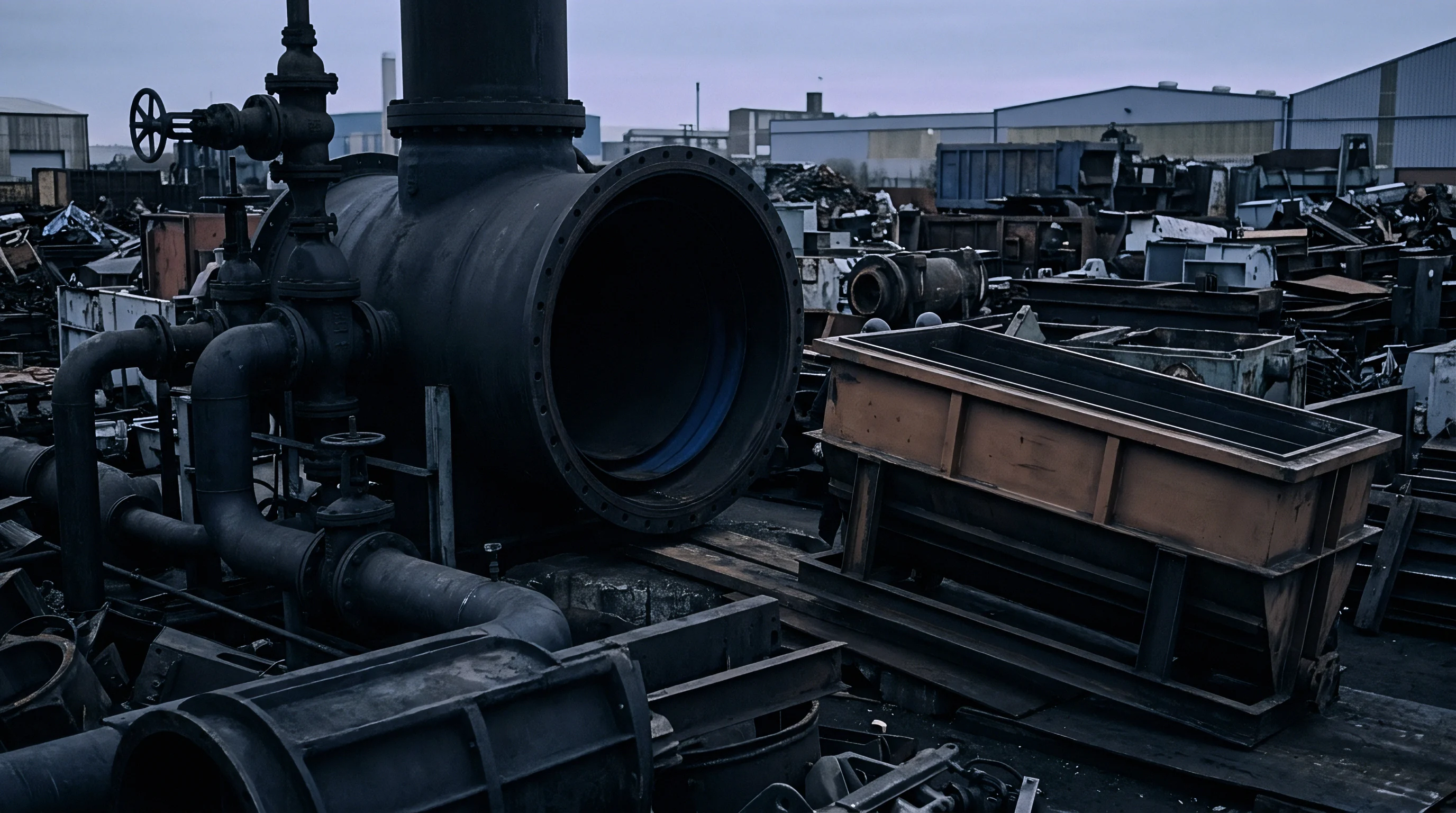
Mills running old corrugated containers, mixed waste paper, and newsprint introduce a broad mix of synthetic binders and wood extractives directly into stock prep. Polyacrylate and styrene-butadiene pressure-sensitive adhesives arrive alongside ethylene-vinyl acetate hot melts, wax coatings, synthetic sizes, and wood extractives like fatty acids, resin acids, triglycerides, and sterol esters. High-consistency pulping at 45°C to 65°C disperses these hydrophobic components through the water.
Primary slotted screens with 0.10 mm to 0.15 mm slot widths take out macro-stickies larger than 100 µm, but shear forces in coarse pulpers, deflakers, and disk refiners break remaining adhesive films down below that 100 µm line.
Between 1 µm and 100 µm, micro-stickies form an unscreenable colloidal suspension that slips through pressure screen baskets and centrifugal cleaners. At the same time, starch hydrolysates, polyvinyl alcohol fragments, carboxymethyl cellulose, and lignosulfonates dissolve straight into process water, driving up filtrate chemical oxygen demand. In closed-loop systems, these organics stay trapped, turning process filtrate into an increasingly concentrated nutrient and polymer solution.
Filtrate chemical oxygen demand in closed-loop recycled linerboard circuits reaches 12000 mg/L under steady-state operating conditions at 52°C.
Repeated recycling shortens fibres and builds up fines, multiplying the surface area available to pull in dissolved organics. Wood extractives bond with degraded starch to form stable colloidal emulsions that bypass standard settling tanks and mechanical clarifiers. But whenever thermal conditions or shear rates shift in the approach flow, those emulsions break apart, agglomerating dispersed micro-stickies into tacky macroscopic deposits.
Pulping Mechanics and Shear-Induced Breakdown
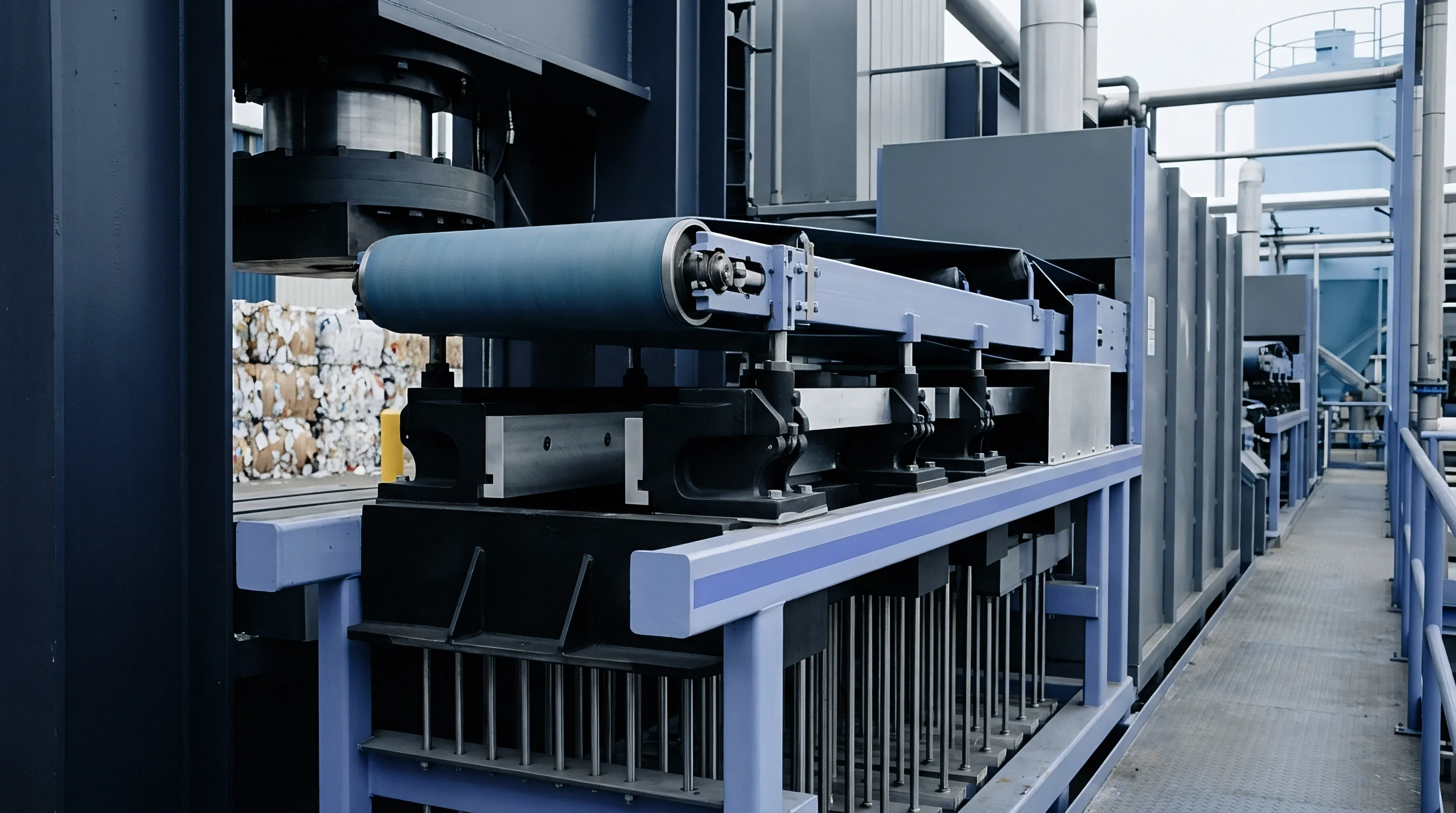
Mechanical action in high-consistency batch pulpers tears adhesive backings apart as shear forces overcome polymer cohesive strength, breaking tacky films into irregular droplets and filaments. Downstream, refining at 4 percent consistency applies further hydraulic shear, grinding residual macro-stickies below the 100 µm threshold.
Repulping chemistry dictates how stable these dispersed particles remain. Operating under alkaline conditions at pH 8.0 to 9.5 saponifies fatty and resin acids into sodium soaps, which function as surfactants that keep micro-stickies emulsified through cleaning. Once stock reaches wet-end sizing and pH drops, that emulsion collapses, driving sudden deposition onto forming fabrics, press felts, and dryer cylinders.
Lowering pulper temperatures below 40°C keeps adhesives below their softening point to reject them at primary screens, though mechanical shear across downstream refiners can still force fragmented stickies into the accepts.
Assay
Laboratory Extraction and Quantification Protocols
Profiling micro-stickies and filtrate organic loading requires separating suspended colloidal matter from dissolved polymers. Gravimetric, chromatographic, and photometric tests each isolate different fractions in the filtrate, using 0.45 µm membrane filtration as the operational boundary between colloidal micro-stickies and dissolved organic carbon.
Determining micro-sticky concentrations requires separating the stickies from background fines. Inducing deposition onto hydrophobic films under heat, followed by image analysis, provides total deposit area per unit volume. Gas chromatography coupled with mass spectrometry then resolves specific polymer chemistries, distinguishing synthetic polyacrylates from natural resin acids, while thermal desorption gas chromatography-mass spectrometry profiles styrene-butadiene latices directly without solvent extraction.
Total organic carbon testing under European Standard EN 1484 relies on catalytic combustion at 680°C to oxidize dissolved organics to carbon dioxide for non-dispersive infrared detection. In parallel, chemical oxygen demand per International Standard ISO 606 uses dichromate digestion in sulfuric acid at 150°C over two hours. For recycled linerboard process water, COD-to-TOC ratios run between 2.6 and 3.1, reflecting the baseline oxidation states of dissolved starches and wood extractives.
| Test Method Standard | Measurement Principle | Target Fraction | Detection Limit | Analytical Limitation |
|---|---|---|---|---|
| TAPPI T 277 / INGEDE 4 | Hydrophobic deposition and image analysis | Micro-stickies (10 µm to 100 µm) | 5 mm²/kg pulp | Undercounts non-tacky synthetic polymers |
| ISO 20236 / EN 1484 | Catalytic combustion NDIR TOC analysis | Dissolved organic carbon (< 0.45 µm) | 0.5 mg/L C | Measures carbon content regardless of toxicity |
| ISO 606 / DIN 38409-44 | Potassium dichromate acidic digestion COD | Total oxidizable organic matter | 15 mg/L O2 | Chloride ions above 2000 mg/L interfere with titration |
| ISO 11343 | Solvent extraction and gravimetry | Dichloromethane soluble extractives | 0.01 weight percent | Co-extracts non-sticky wood resins and waxes |
Standardized Method for Filtrate Micro-Sticky Extraction
- Sample two litres of thick stock filtrate directly from the wire pit, passing immediately through a 150 µm stainless steel mesh to reject macro-stickies and long fibres.
- Maintain sample temperature at machine operating levels between 50°C and 60°C to avoid premature thermal precipitation of hydrophobic polymers.
- Centrifuge the filtrate at 3000 times gravity for 15 minutes to separate entrained fibre fines from the colloidal supernatant phase.
- Decant 500 mL of the clarified supernatant into a temperature-controlled mixing vessel fitted with a polyethylene film coupon.
- Agitate the filtrate at 800 revolutions per minute for 45 minutes at 55°C to induce micro-sticky deposition onto the hydrophobic coupon surface.
- Remove the polyethylene coupon, rinse gently with deionized water at 20°C to remove non-adherent organic matter, and air dry in a dust-free chamber.
- Scan the dried coupon at 2400 dots per inch optical resolution using high-contrast image analysis software to measure total particle area in square millimetres per litre.
Purchase specifications for recycled containerboard furnish often cap micro-sticky surface area under standard extraction, using 150 mm² per kilogram of dry pulp as the rejection limit for incoming raw materials.


Closure
Thermodynamic Shifts in Low-Water Paperboard Mills
Cutting freshwater use from 20 cubic metres per tonne of board to below 2.5 cubic metres fundamentally shifts wet-end equilibrium. As water loops close, dissolved salts and organic polymers accumulate rapidly across short and long circulation loops. System concentrations climb until losses through sheet moisture, cleaner rejects, and minimal effluent equal the incoming contaminant load.
Conductivity in tight circuits often tops 6000 microsiemens per centimetre, with calcium levels surpassing 900 milligrams per litre. That elevated ionic strength compresses the electrical double layer around colloidal stickies, collapsing zeta potential from -25 millivolts toward zero and stripping away the electrostatic repulsion that kept the particles apart.
System closure forces dissolved organic polymers out of solution once ionic strength destabilizes the protective surfactant layer.
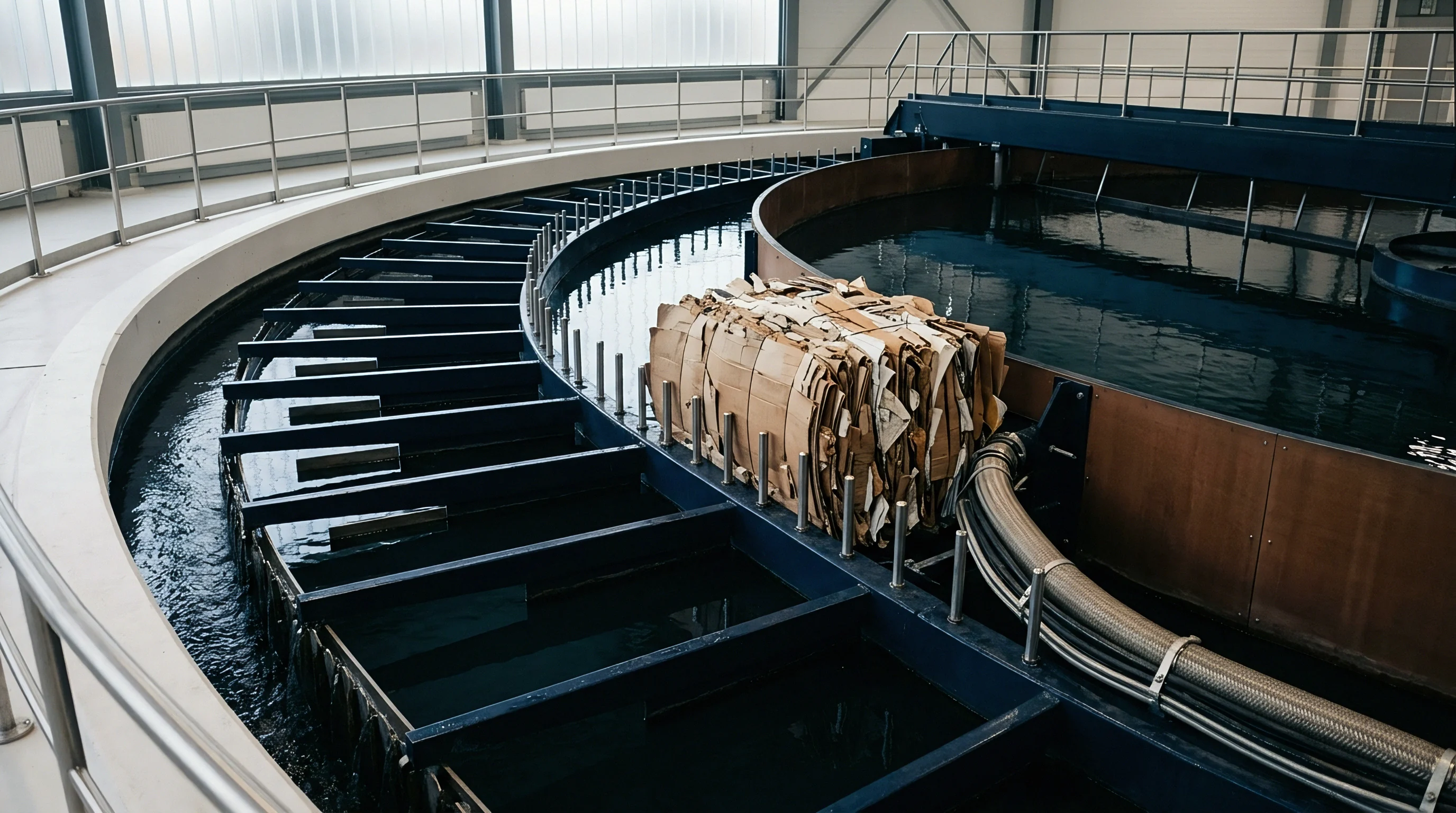
Why Does System Closure Concentrate Micro-Stickies above Critical Aggregation Thresholds?
Recirculation builds up thermal energy until wire pit temperatures push past 60°C. This clears the glass transition points of polyacrylate adhesives and ethylene-vinyl acetate polymers, softening the particles into tacky droplets. At the same time, higher thermal agitation increases collision rates between suspended particles, letting hydrophobic forces snap them together into macro-deposits.
Starches brought in from surface sizing and wet-end additions degrade biologically in white water chests. Anaerobic activity produces volatile fatty acids, pulling pH down from 7.5 to 6.2 while adding to total chemical oxygen demand. This acidification reduces the solubility of wood resin acids, precipitating droplets that act as nucleation sites to catch micro-stickies and generate stubborn pitch deposits.
Without online tracking of filtrate conductivity, closed water systems run blind against sudden wet-end precipitation once total dissolved solids push past system tolerance.

Sump
Deposition Dynamics on Machine Clothing and Board Defect Formation
Colloidal organics and micro-stickies drop out wherever shear and temperature shift abruptly along the machine wet end. Deposits settle on forming fabrics, suction box covers, press felts, and dryer cylinders. At the forming table, vacuum pulses over hydrofoils pull colloidal particles deep into fabric voids, where tacky polymers bond to synthetic monofilaments and trap fines and fillers.
Press felt blinding remains a constant failure point. Micro-stickies enter the felt capillary network and consolidate under nip pressures up to 800 kilonewtons per metre. As pores plug, hydraulic permeability falls, leading to uneven dewatering, localized sheet crushing, and wetter board off the press.
That moisture drag leaves the sheet with poorer wet-web strength just as it enters the dryers, setting off frequent web breaks.
- Forming fabric void clogging cuts local drainage capacity, driving basis weight streaks and pinholes through the paperboard web.
- Press felt compaction chokes hydraulic permeability, increasing sheet moisture off the press by up to 3 percent.
- Dryer cylinder pick-out tears surface fibres from the sheet as deposits build on hot cylinders, creating linting, picking, and print flaws.
- Internal sizing interference develops when dissolved organic carbon scavenges alkyl ketene dimer and alkenyl succinic anhydride, driving up required dosing rates.
- Strength resin neutralization consumes cationic starch and polyacrylamide additives in futile reactions with anionic trash.
Wet-End Chemical Degradation Mechanisms
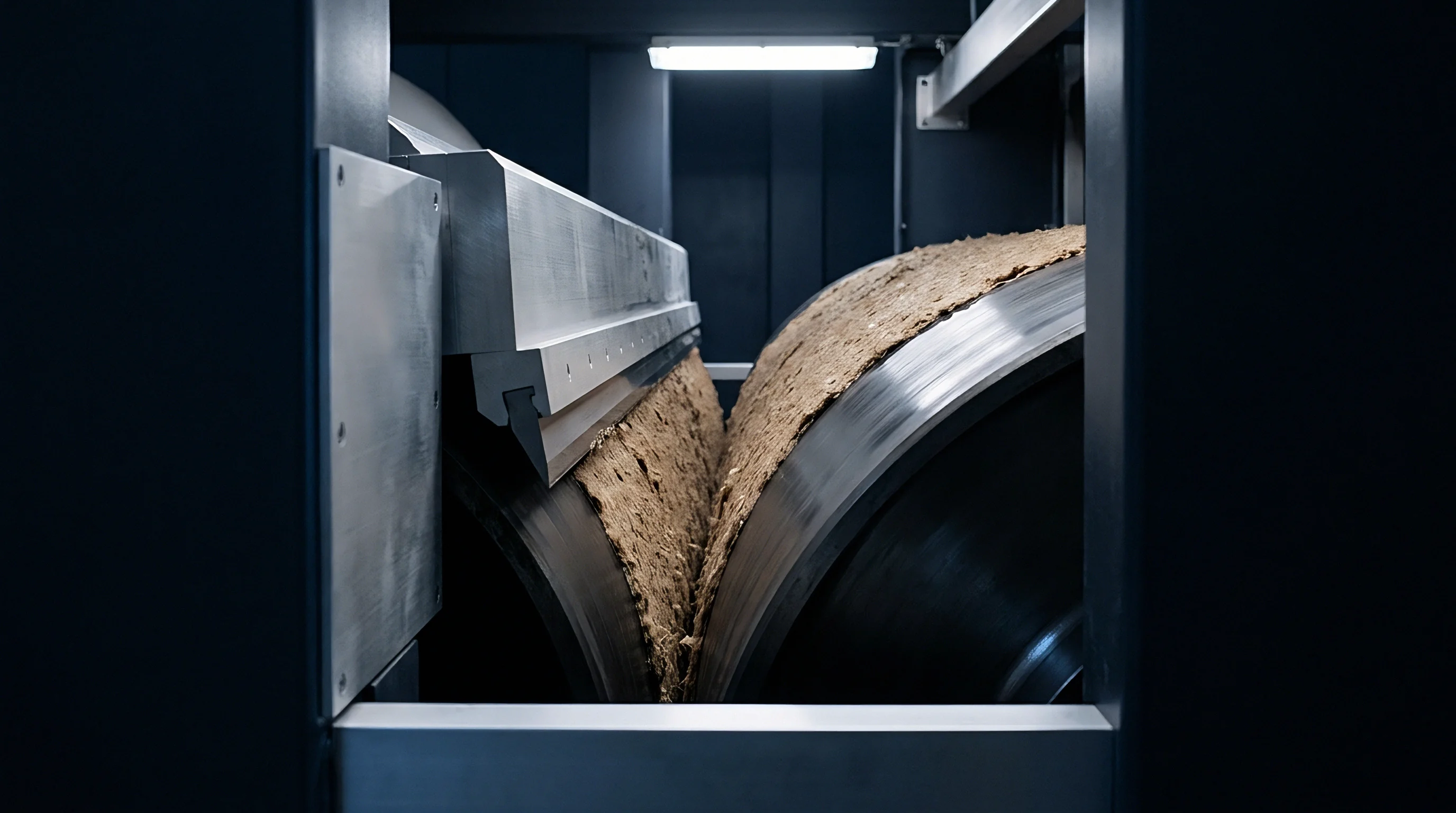
High charge densities make dissolved anionic polymers, or anionic trash, react immediately with cationic wet-end additives like cationic starches, polyamidoamine-epichlorohydrin wet-strength resins, and retention polymers. Instead of adsorbing onto cellulose fibres, the cationic chemistry consumes itself against dissolved trash in the bulk water, neutralizing active charges before they can do any work.
Internal sizes like alkenyl succinic anhydride require fast, clean emulsion transfer onto fibre surfaces. When micro-sticky concentrations spike, the colloidal particles co-emulsify with size droplets into mixed aggregates, blocking sizing molecules from binding to cellulose hydroxyl groups. Board made under heavy organic loads often shows rapid sizing regression, failing 24-hour Cobb absorption specs.
| Deposit Location | Chemical Trigger | Physical Board Defect | Metric Impact |
|---|---|---|---|
| Forming Fabric | Polyacrylate aggregation at pH 6.8 | Basis weight streak, local pinholes | Drainage rate drop of 18 percent |
| First Press Felt | EVA hot-melt compaction under nip shear | Sheet crushing, edge tearing | Felt life reduction of 35 percent |
| Dryer Cylinder 1-4 | Thermal soft-point transition at 65°C | Surface picking, delamination | Unplanned wash downtime of 2.5 hours/day |
| Finished Sheet Surface | Resin acid precipitation with calcium ions | Translucent spot defect, coating void | Converting print void defect count > 5/m² |
Standard packaging board specifications require zero visible hydrophobic spots larger than 0.2 mm² on top liner coated surfaces intended for high-speed lithographic printing.
Failing to control organic loading undermines internal bond strength, leading converting plants to reject entire board runs that delaminate along high-speed score lines.
Fixation
Chemical Stabilization, Adsorption, and Detackification Strategies
Managing micro-stickies and dissolved organics typically takes a layered program: chemical fixatives, inorganic adsorbents, passivating polymers, and enzymes. Coagulating fixatives based on polyDADMAC, polyamines, or polyethyleneimines carry high cationic charge at low molecular weights. They neutralize surface charge on colloidal stickies and pin them to cellulose fibres, allowing the contaminants to leave with the finished sheet before they accumulate in the white water.
High-surface-area talc controls pitch through physical adsorption. Its basal planes are naturally hydrophobic, while the edges remain hydrophilic; micro-stickies attach to the flat faces, effectively coating the adhesive surfaces in mineral platelets. That mechanical passivation keeps stickies from adhering to press fabrics.
Delaminated grades with median particle sizes near 2 µm give the best available surface area for wrapping colloidal droplets.
Enzyme programs target ester linkages using tailored esterases and lipases. Esterases cleave polyacrylate adhesives into water-soluble, non-tacky acrylic monomers and short-chain alcohols, while lipases hydrolyze wood triglycerides into glycerol and free fatty acids. Because kinetics are sensitive to machine conditions, application requires holding stock temperatures between 45°C and 55°C and keeping pH strictly between 6.5 and 7.8.
| Mitigation Agent | Specific Dosing Rate | Unit Chemical Cost | Daily Chemical Spend | Net Runnability Benefit |
|---|---|---|---|---|
| PolyDADMAC Fixative | 1.2 kg/tonne dry pulp | 1.85 USD/kg | 2220 USD | Reduces anionic trash by 65 percent |
| Delaminated Talc | 5.0 kg/tonne dry pulp | 0.42 USD/kg | 2100 USD | Eliminates press felt blinding washes |
| Esterase Enzyme Blend | 0.15 kg/tonne dry pulp | 12.50 USD/kg | 1875 USD | Lowers micro-sticky count by 55 percent |
| CPAM / Silica Hydrosol | 0.3 kg/tonne CPAM + 1.0 kg/t Silica | 2.60 USD/kg CPAM | 1980 USD | Improves first-pass retention to 82 percent |
Non-ionic detackifying polymers passivate sticky particle surfaces without altering wet-end system charge balance.
Operational Chemistry Selection Decision Checklist
- Assess water circuit conductivity and hardness to check whether elevated ionic strength will shield cationic charges on polyDADMAC or polyamine additions.
- Measure system anionic charge demand using polyelectrolyte titration to calculate exact stoichiometric fixative dosing rates, avoiding charge reversal.
- Verify process water temperature profiles across pulpers and stock chests so enzyme additions stay inside active thermal windows without thermal denaturation.
- Evaluate total filler content limits in finished paperboard specifications before selecting heavy talc adsorption programs that increase sheet ash levels.
- Monitor first-pass retention efficiency with optical turbidity sensors to ensure micro-sticky complexes incorporate uniformly into the fibre matrix.
Whether online organic load monitoring can trigger automated chemical fixative dosing fast enough to prevent sudden sticky deposition spikes during furnish grade transitions remains an open industrial question.
Drain

Effluent Trade-Offs, Purging, and Closed-Loop Economics
Operating costs in low-effluent mills trace a continuous balance among wet-end chemistry spend, freshwater intake costs, and effluent surcharges. Tighter water loops lower freshwater purchase and heating bills, but unchecked organic loading runs up downtime, chemical consumption, and roll rejections. Pinpointing the actual financial tipping point between fresh water purging and continuous chemical passivation requires an accurate mill mass balance.
Bleed purges route concentrated process water to effluent treatment plants, pulling starches, organic acids, and micro-stickies out of circulation. Most modern installations use anaerobic expanded granular sludge bed reactors ahead of aerobic activated sludge stages. Anaerobic digestion converts dissolved organics into biogas containing 70 percent methane, generating renewable thermal energy that offsets mill natural gas consumption.
With anaerobic COD removal consistently topping 85 percent, purging becomes financially practical whenever biogas generation values match wastewater treatment power costs.
Membrane filtration systems like ultrafiltration and nanofiltration provide physical separation of dissolved organic polymers from process water without chemical addition. Tubular ceramic ultrafiltration handles heavy suspended solids well, rejecting micro-stickies, colloidal pitch, and starches while letting salts and clean water pass. Concentrated retentate streams undergo evaporation or incineration, yielding high-purity permeate for direct reuse in high-pressure shower nozzles.
Ceramic membrane installations carry capital costs between 1500 USD and 2200 USD per cubic metre per day of installed capacity, requiring long-term evaluation against continuous chemical treatment costs.
Finished paperboard unit pricing reflects these trade-offs directly. A recycled boxboard mill spending 8.50 USD per tonne on fixatives, enzymes, and talc to run closed balances that outlay against fresh water intake priced at 1.20 USD per cubic metre and effluent COD discharge surcharges reaching 0.45 USD per kilogram of COD released. When filtrate chemical oxygen demand exceeds 15000 mg/L, the chemical intervention cost required to maintain board internal strength surpasses the cost of operating a controlled 3.5 m³/tonne water purge, making partial purging the economical choice for mill operations.