
Chemical Additive Interactions with Refined Mechanical Stock in Multi Ply Board
Refined mechanical stock requires early sacrificial coagulant scavenging to neutralize anionic trash before functional starches or sizes can bond the core.
Refined mechanical stock requires early sacrificial coagulant scavenging to neutralize anionic trash before functional starches or sizes can bond the core.

Low thermal gradients trigger capillary condensation in small recycled furnish pores, disrupting hydrogen bonds and weakening packaging without direct water contact.

Surfactant residues collapse dynamic contact angles in hardwood stock, inducing vessel picking, ink strike-through, and optical density loss at high press speeds.

Harmonized testing combines combustion ion chromatography screening with targeted LC-MS/MS migration into Tenax to verify recycled board under PPWR limits.

Hot and cold water extractives quantify soluble chemicals in uncoated paperboard, governing compliance limits under BfR and FDA food packaging standards.

Balancing wet end charge density neutralizes hardwood anionic trash, preventing retention polymer degradation and sizing agent hydrolysis in closed water loops.

Capillary stalling occurs when high line speeds outpace surfactant migration, elevating fluid tension and halting penetration before ink or glue bonding sets.

Time-resolved automated contact angle testing tracks millisecond liquid uptake on recycled board where static Cobb methods fail to predict adhesive bonding

Aqueous ink vehicles dissolve interfibre hydrogen bonds within milliseconds, dropping cross-direction stiffness over 40% and driving web misregistration.
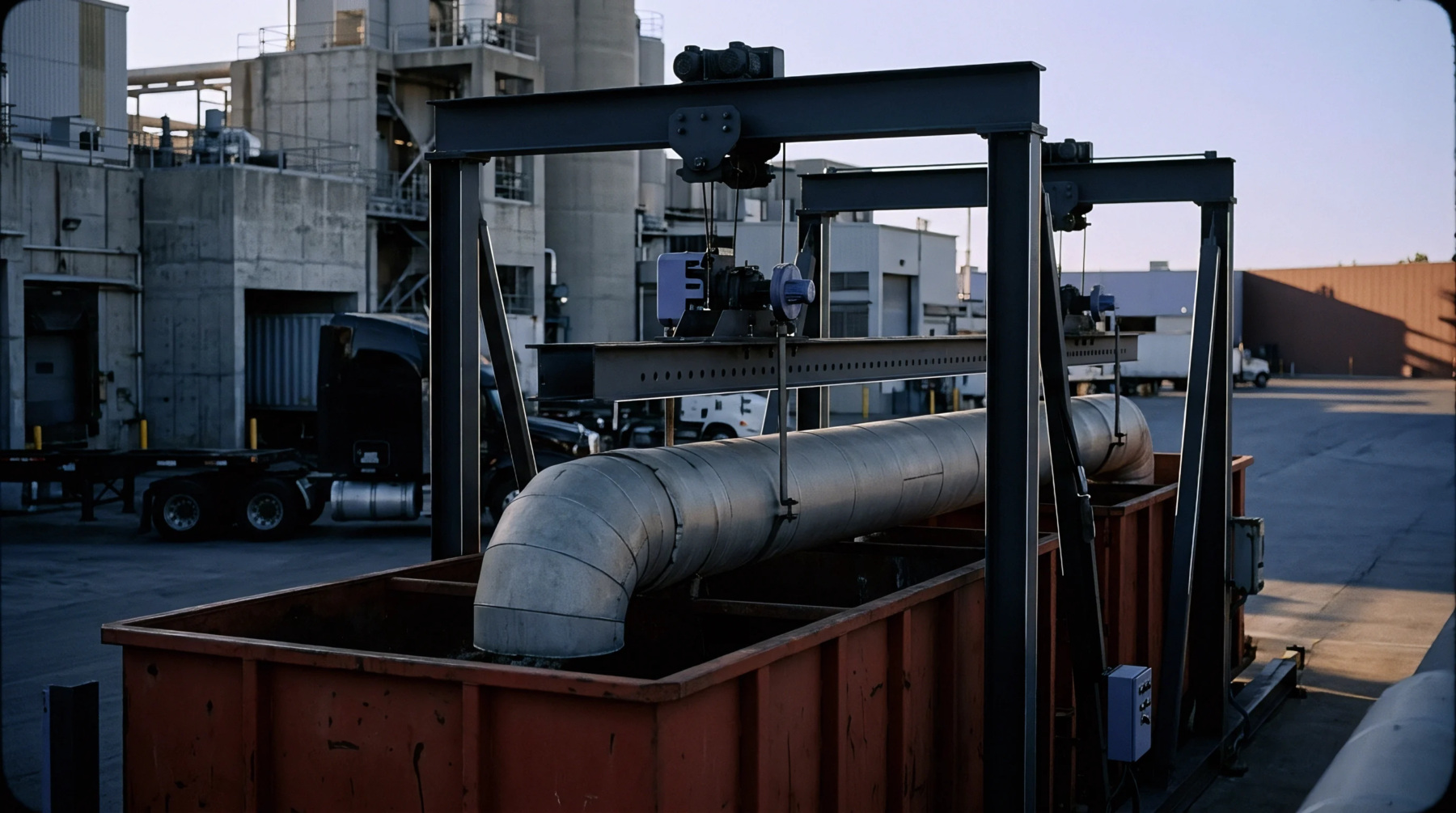
Recycled linerboard loses thirty percent of cross-direction tensile strength during marine humidity cycles, demanding chemical sizing and grammage margins.

Dynamic fluid intrusion kinetics in recycled substrates dictate spatial print mottle through hornified pore tortuosity and uneven capillary pressure gradients.

Dynamic microscale penetration testing resolves sub-second liquid absorption kinetics in recycled kraft linerboard to prevent converting failure.

Uncoated paper porosity metrics govern liquid absorption and optical light scattering, requiring customized Yule-Nielsen spectral curves for print tone accuracy.

BCTMP cores lower basis weight for target stiffness, but elevated humidity plasticizes lignin, accelerating score memory loss and risking carton wall bulge.

Dynamic contact angle decay within 10 to 100 milliseconds governs liquid holdout and adhesion on paperboard, requiring tight surfactant diffusion control.

Elevated humidity causes gas-phase moisture sorption that disrupts interfiber hydrogen bonds, reducing sheet elastic modulus and causing converting failure.

Characterizing porous absorption in recycled paper requires measuring dynamic capillary wicking and pore size distribution to control ink set times and glue bonds.
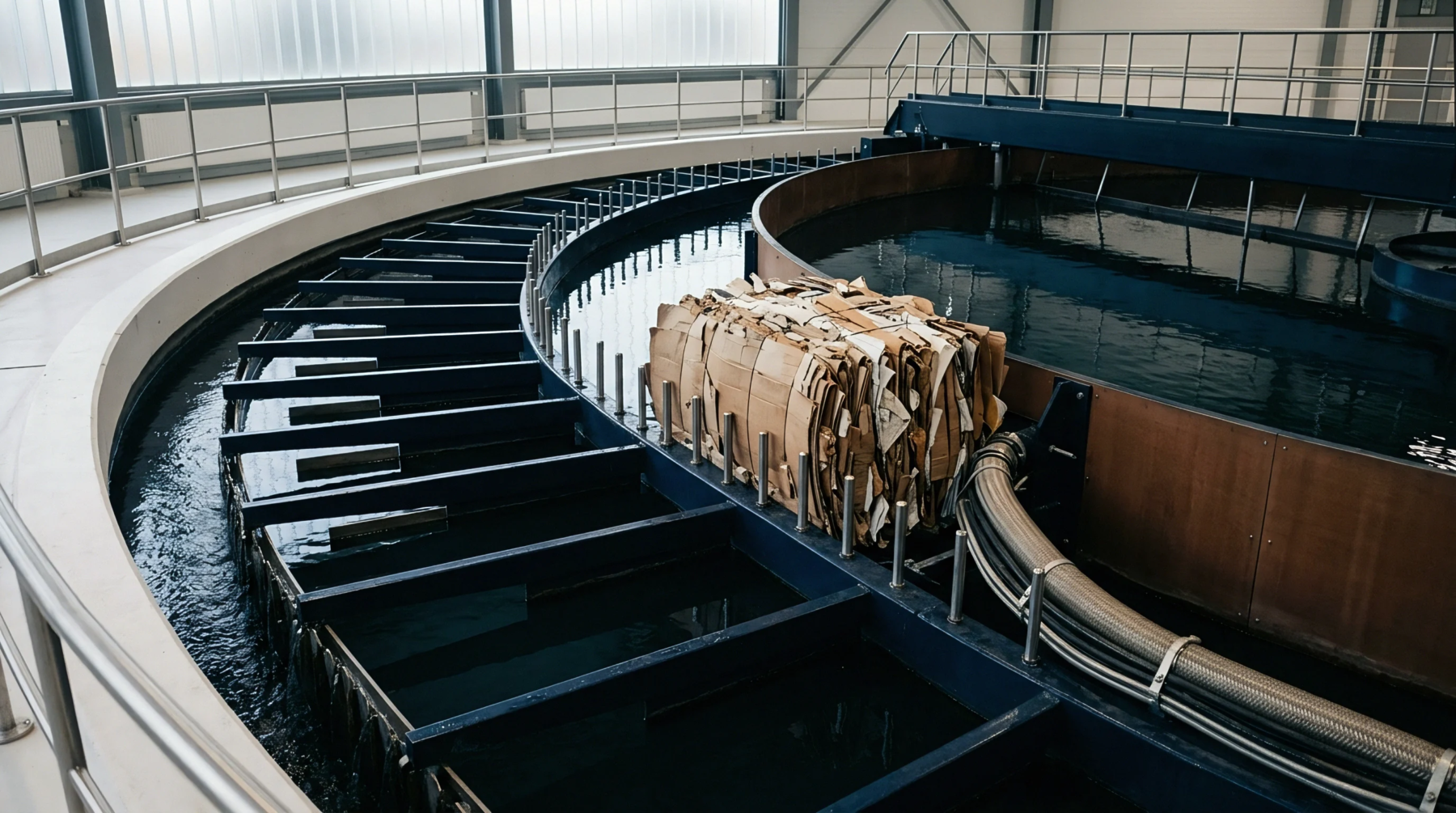
Verify paperboard wet end additive retention using dynamic drainage jars and extraction GC-MS to ensure food contact compliance and prevent converting failures.

Dynamic ambient relative humidity accelerates creep collapse in corrugated boxes far beyond static moisture limits, requiring dynamic SCT safety factors in structural engineering.

Dynamic moisture sorption hysteresis accelerates mechano-sorptive creep failure in corrugated boxes during transit under cyclic relative humidity conditions.

Optimizing multi-ply recycled containerboard requires strategic furnish distribution and precise starch application to maximize stiffness while lowering total fiber cost.
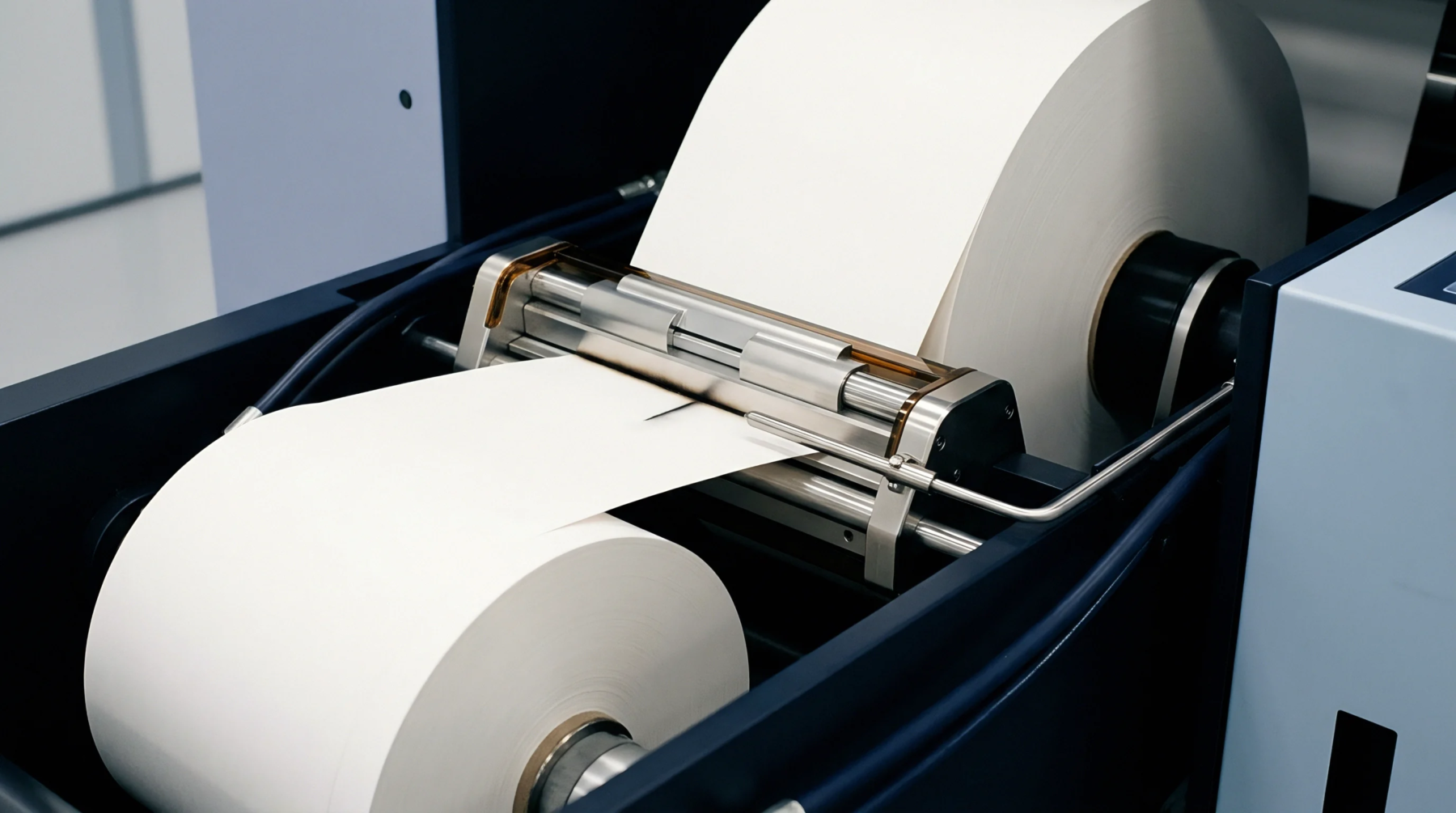
Furnish substitutions at the machine gate require wet end NIR tracking and ISO 1924 tensile verification to prevent runnability failures and yield losses

Paperboard chemical retention and migration compliance requires verifying wet-end additive fixation, simulant extractions, and mass transfer kinetic barriers.
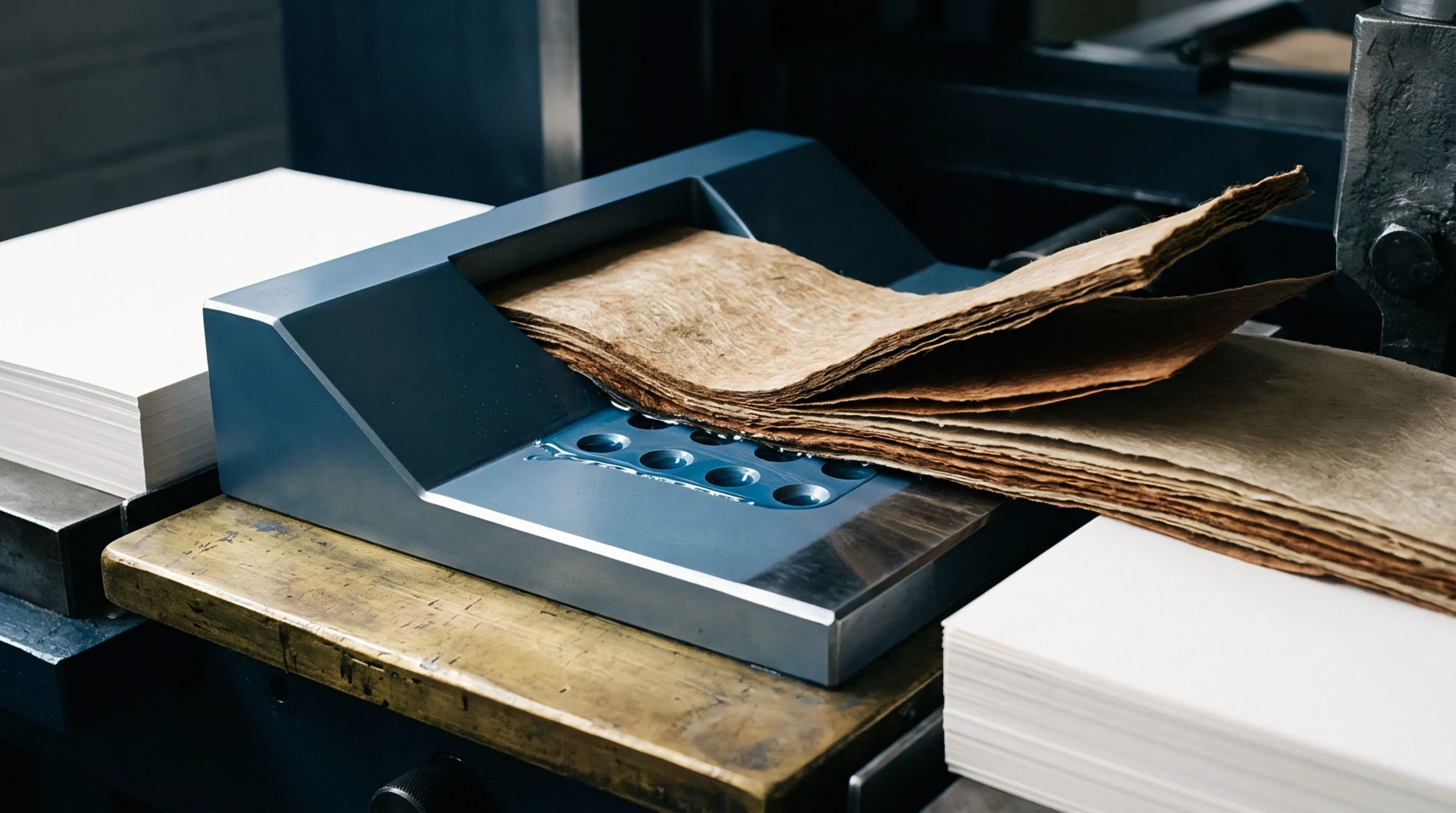
Virgin hardwood sizing requires balancing high surface hydroxyl density against AKD and ASA steric interference to maintain internal bond and Cobb holdout.

Substrate selection fixes structural caliper, web trim yield, repulpability, and EPR eco-modulation fee tiers, governing net landed carton costs.
Expertise is a utility, not a secret. sentiention™ publishes its working knowledge as open reference: intelligence layer covering the materials it sources, the markets it enters, and the reference that serves both.