
Optical Interferometric Mapping of Acoustic Lamb Waves in Barrier Board
Optical Lamb wave mapping detects barrier board delamination non-destructively by measuring phase velocity changes across symmetric and antisymmetric modes.
Optical Lamb wave mapping detects barrier board delamination non-destructively by measuring phase velocity changes across symmetric and antisymmetric modes.
Inline ultrasonic reflection profiling measures individual layer thicknesses in barrier films by calculating high frequency sound reflections at acoustic impedance boundaries.
Calculate barrier board crease channels by adding rule thickness to caliper multiplied by 1.70 to 1.85 to clear displaced coextruded polymer skins.
Functional barriers prevent chemical migration from paperboard into food by limiting permeation below zero point zero one milligrams per kilogram over shelf life.
Polyurethane crosslinking across corona treated polyolefin interfaces depends on surface energy maintenance above 38 dynes and controlled NCO hydroxyl stoichiometry.

Polymeric barrier selection demands balancing moisture vapor and grease holdout against die creasing strain, food contact migration limits, and repulpability yields.
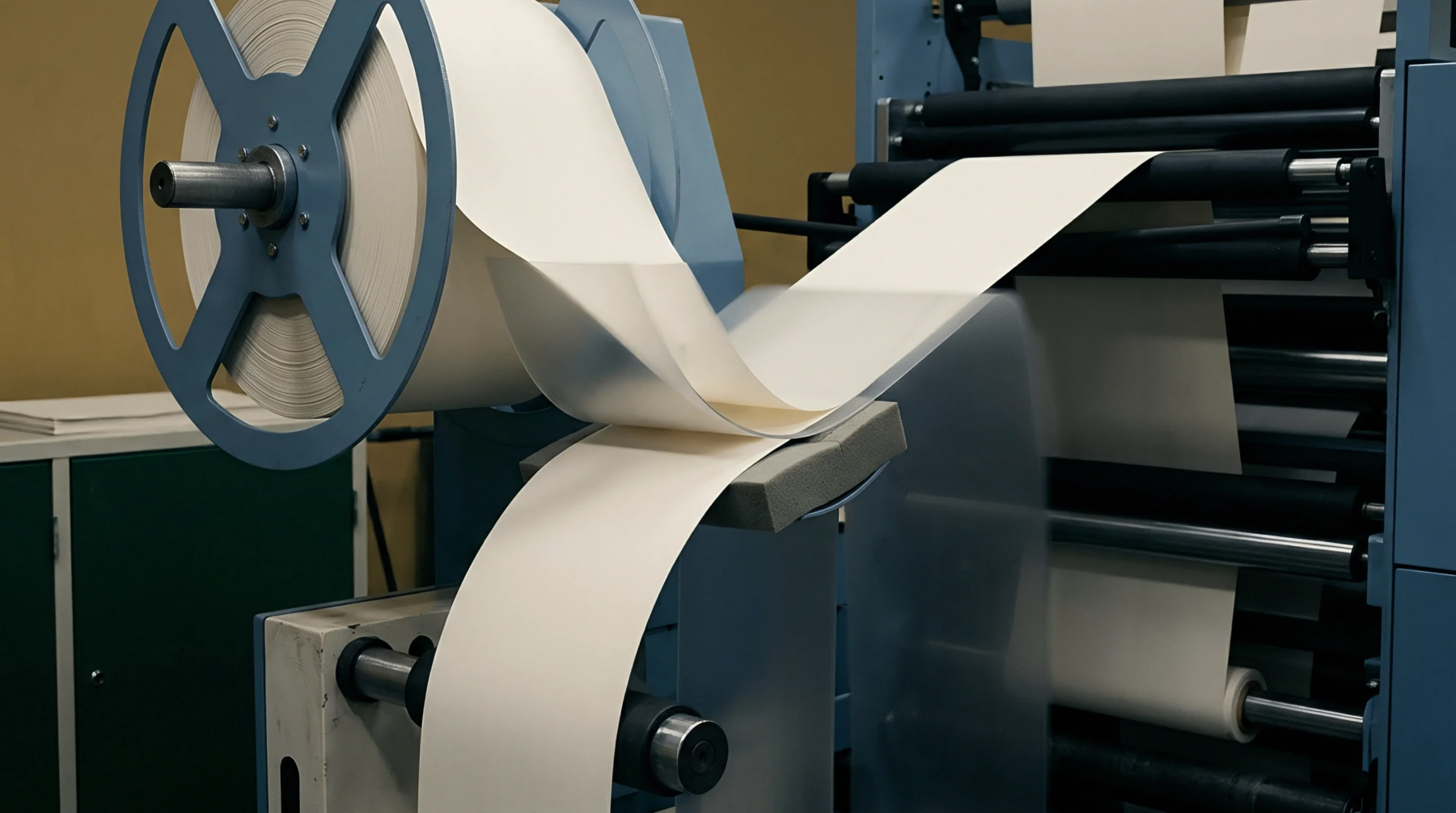
Tune transducer frequencies and monitor ultrasonic attenuation in line to halt sub-micron cavitation and prevent catastrophic barrier film delamination.
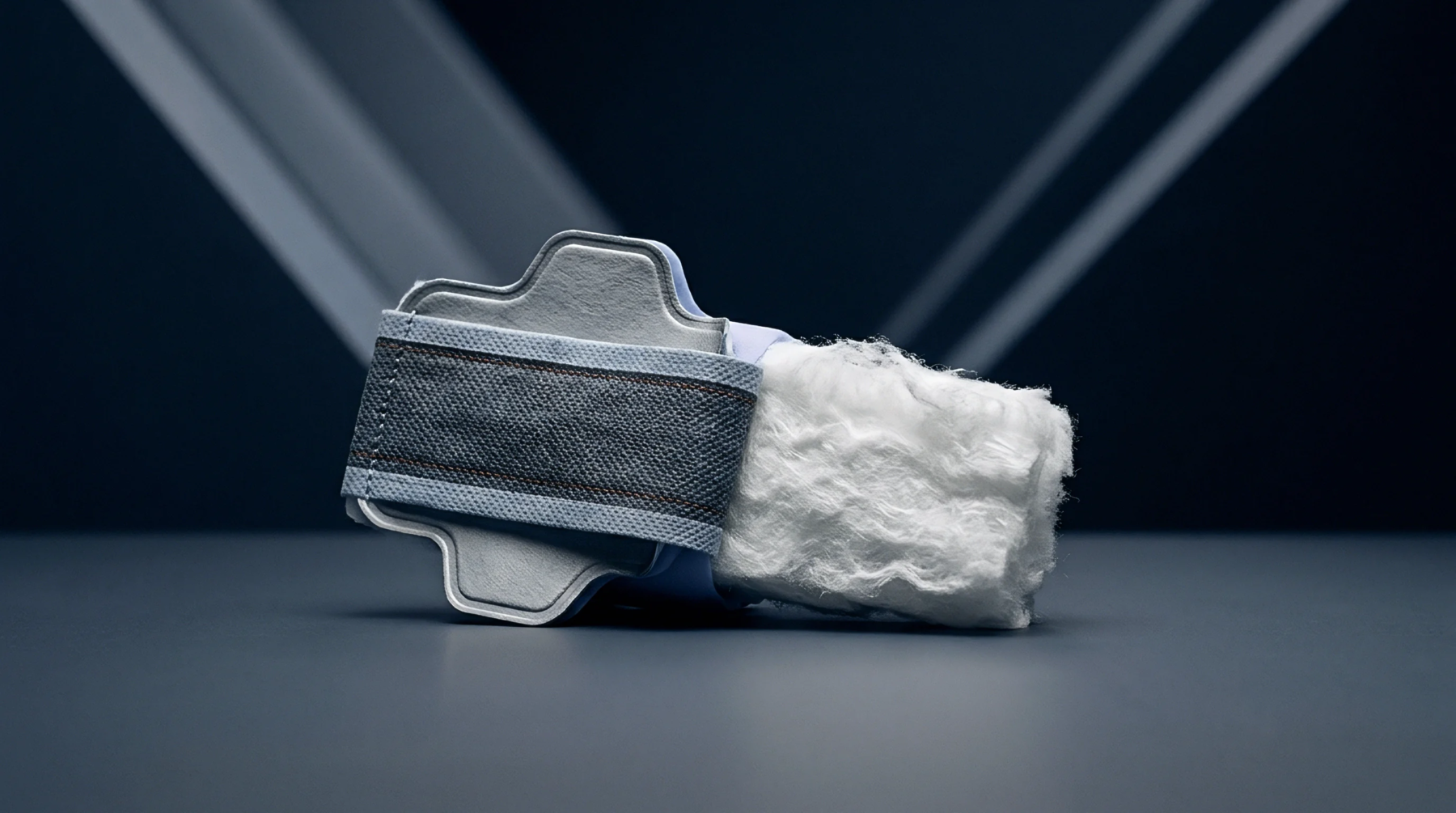
Acoustic impedance profiling measures reflected ultrasonic pulses to detect microscopic barrier pinholes, layer starvation, and score cracking non-destructively.
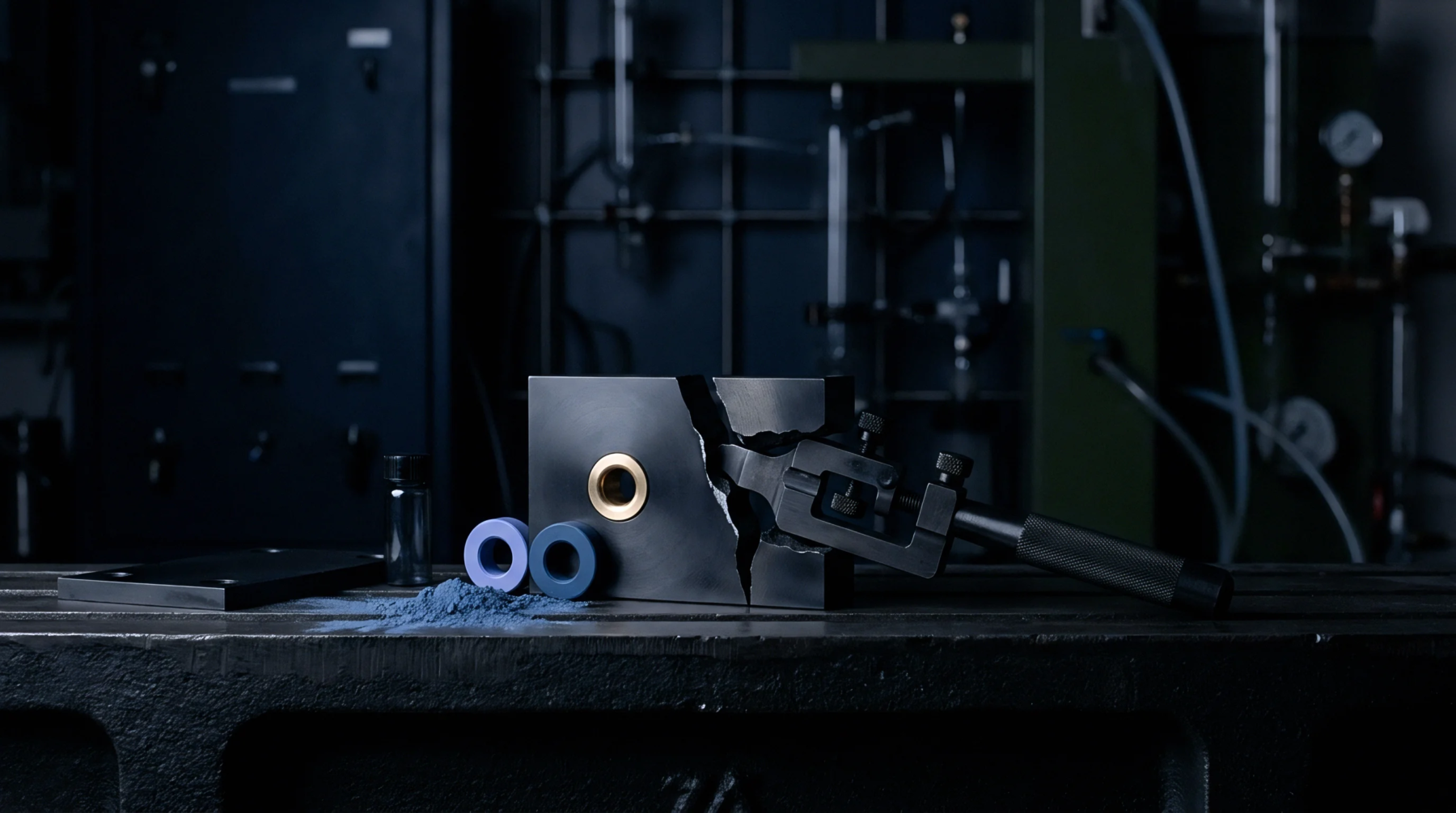
Predictive thermal models fail for folded cartons because die creasing causes physical microcracking that replaces solid diffusion with rapid gas permeation.
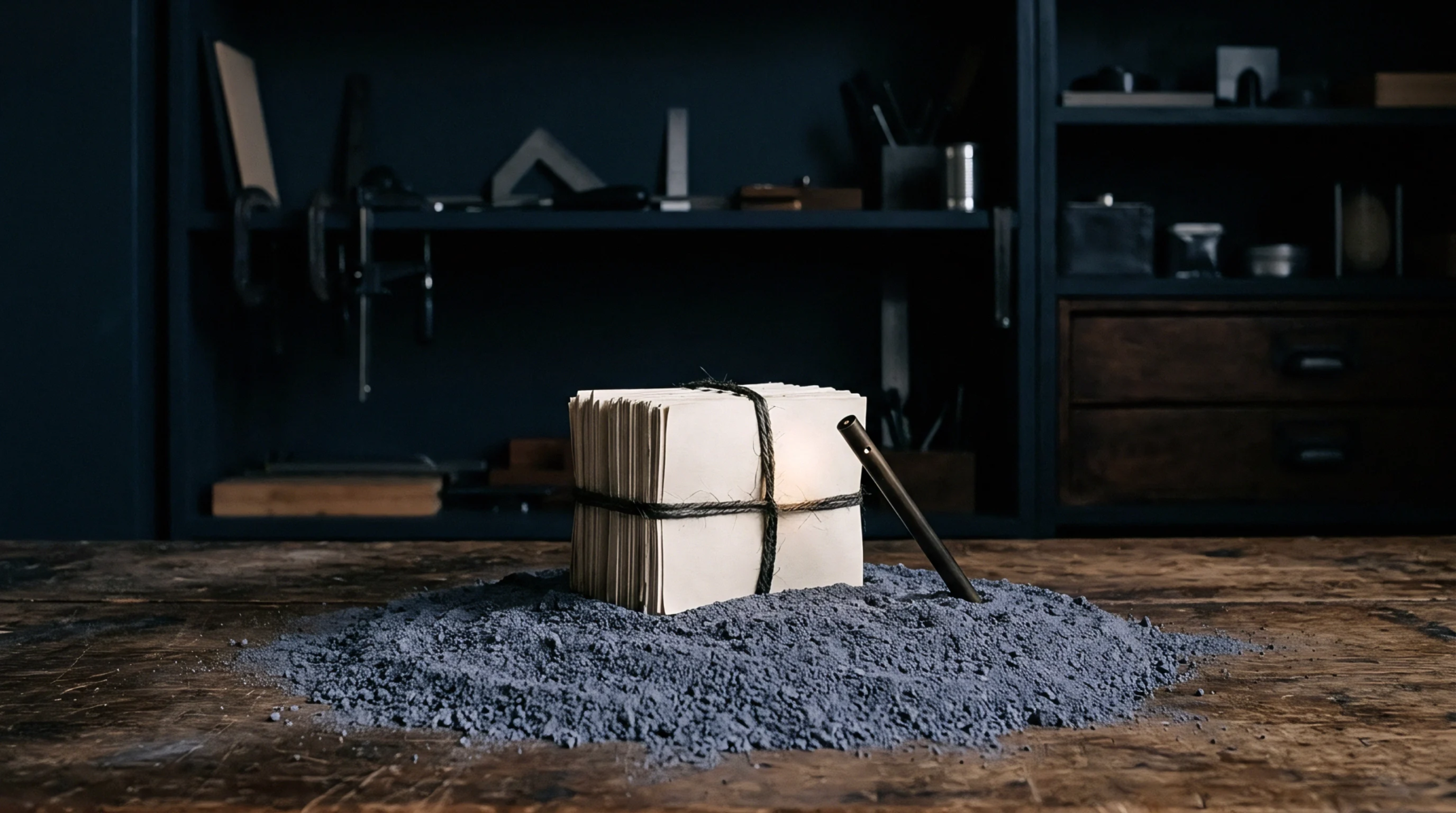
Paperboard barrier qualification requires DIN EN 14338 Tenax migration testing on creased carton samples to verify MOSH and MOAH retention across shelf life.

Verify lamination adhesive curing and test fatty food simulants to prevent chemical migration non-conformance in multilayer flexible packaging.
Determining migration compliance relies on exact food simulant testing, functional barrier verification, and complete analytical records across all converter tiers.

Gas phase migration from recycled board requires continuous functional barriers to halt volatile non intentionally added substances escaping fiber pores.

Water ingress depresses barrier layer glass transitions below ambient storage temperatures, triggering plastic deformation and interfacial delamination under web tension.
Solubility and diffusion drive polymer barrier performance, where polymer density, coatweight, and ambient relative humidity dictate moisture and oxygen transmission rates.
Attenuated total reflectance infrared spectroscopy combined with thermal analysis isolates extrusion resins from dispersion coatings to verify repulpability.
Validate recycled packaging functional barriers using DIN EN 17992 migration cells, verifying breakthrough lag times exceed designated product shelf life.
Modifying creasing matrix channel width and male rule tip radius prevents polymer film elongation cracking and maintains gas barrier integrity across folded scores.
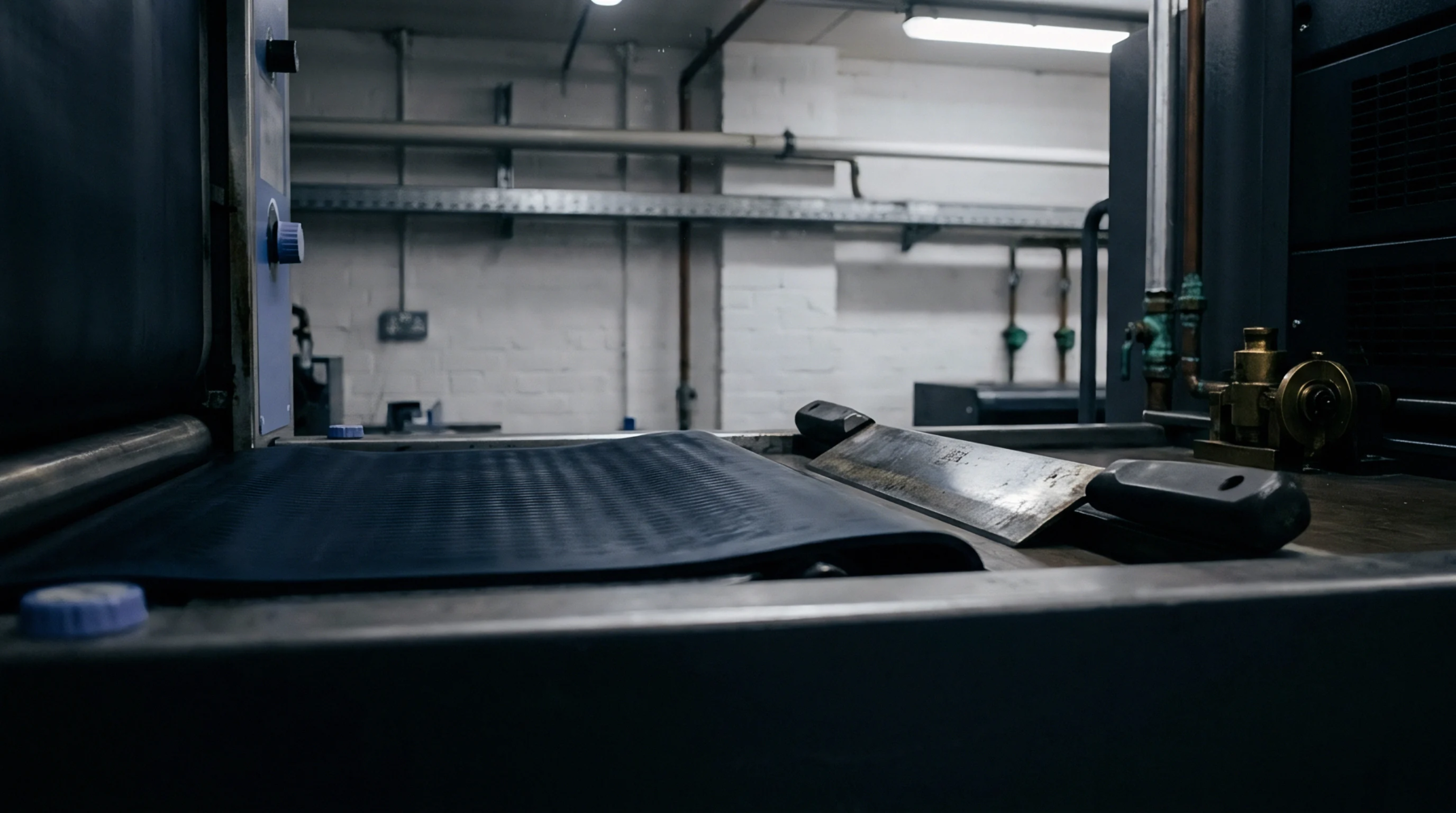
Acoustic impedance profiling detects multi-layer film debonding by measuring ultrasonic phase inversion and amplitude jumps caused by air voids at polymer boundaries.
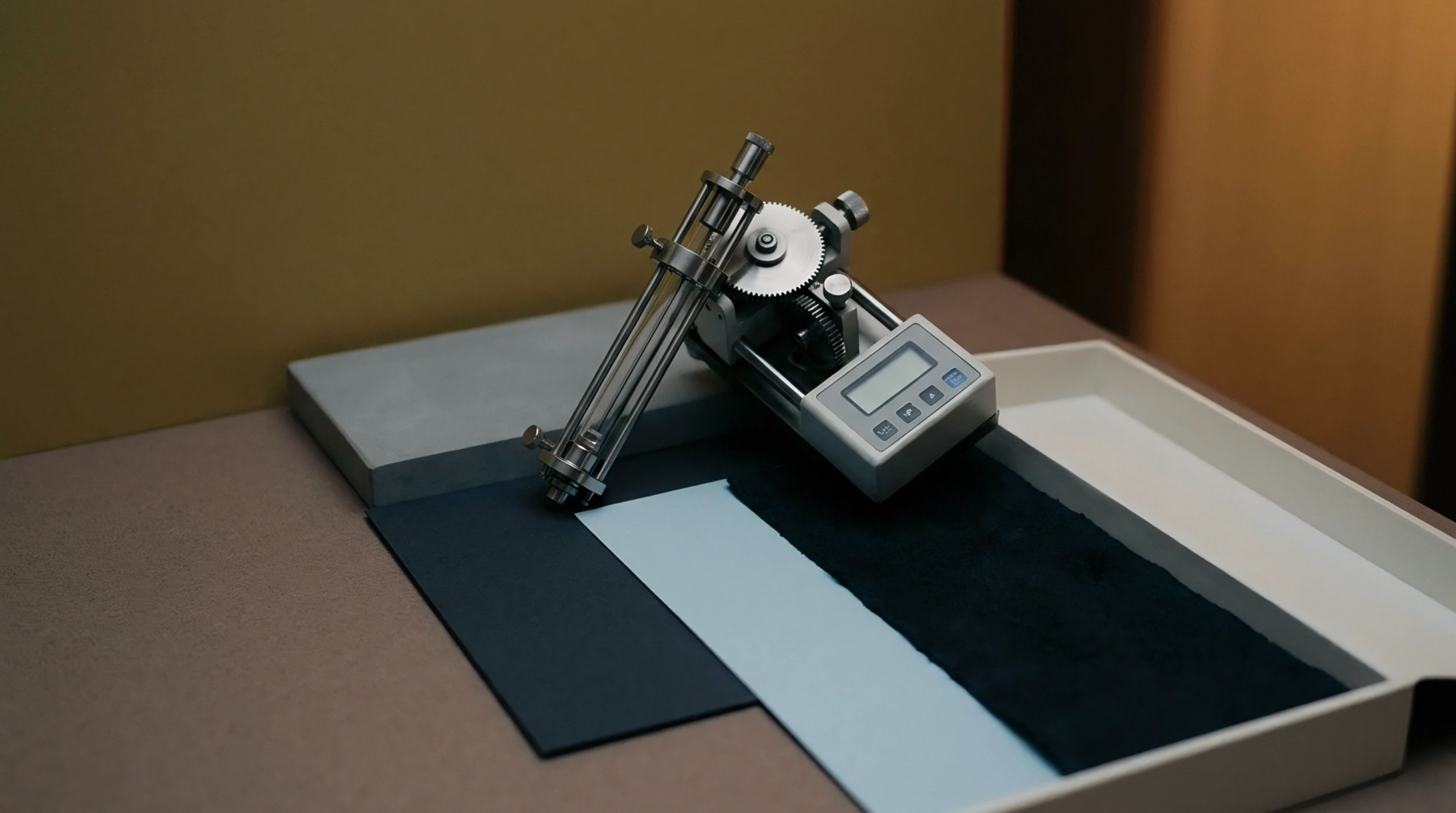
Calculate matrix channel width for co-extruded laminates using an expanded 1.65 to 1.85 board modifier plus rule gauge and double film thickness.
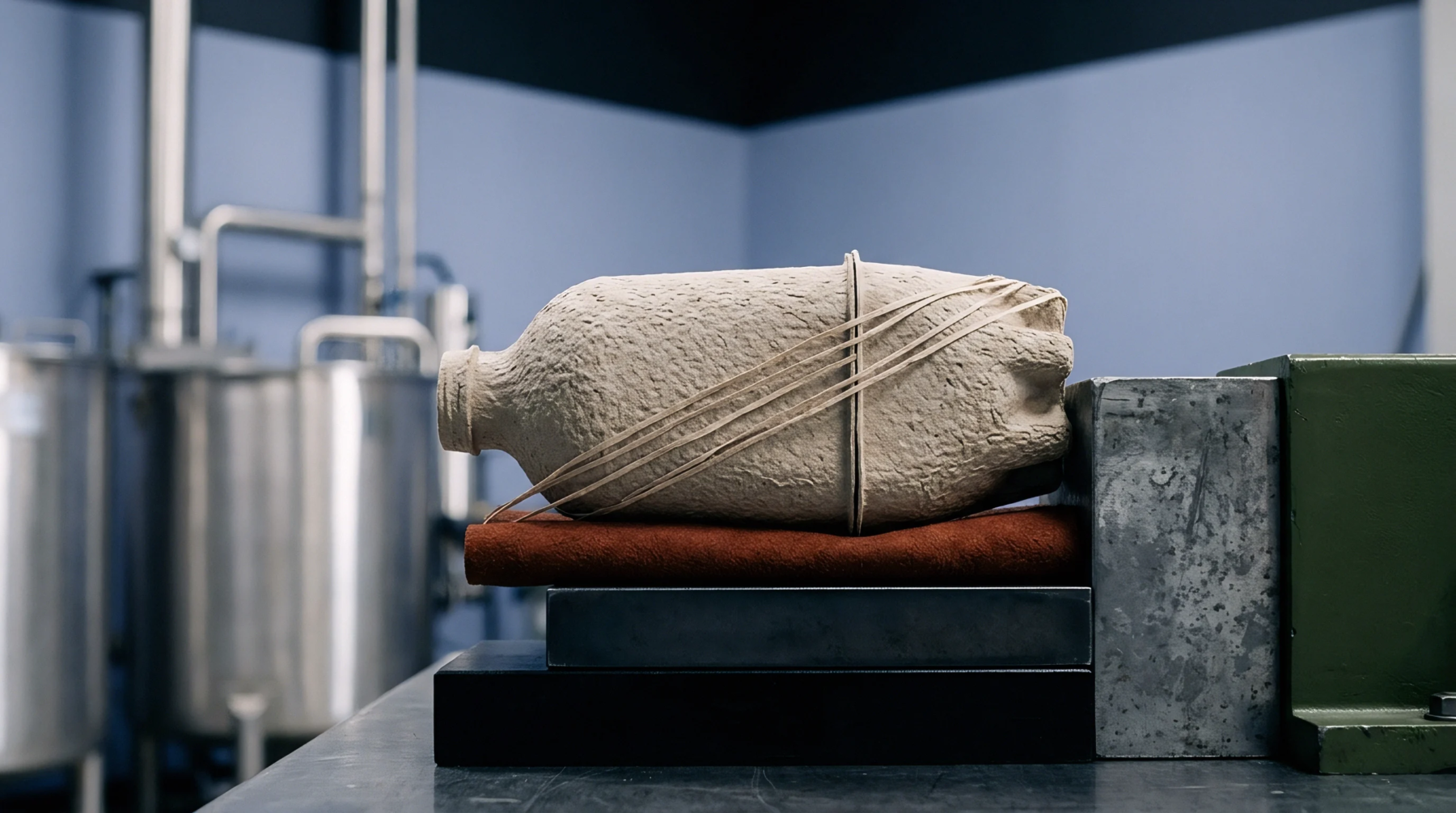
Chromatographic testing via LC-MS/MS verifies photoinitiator specific migration limits in printed barrier packaging to maintain compliance.

Modulating ultrasonic transducer frequency to pulsed burst mode below 30 kHz prevents sub-micron polymer barrier shear rupture during high-speed crease inspection.
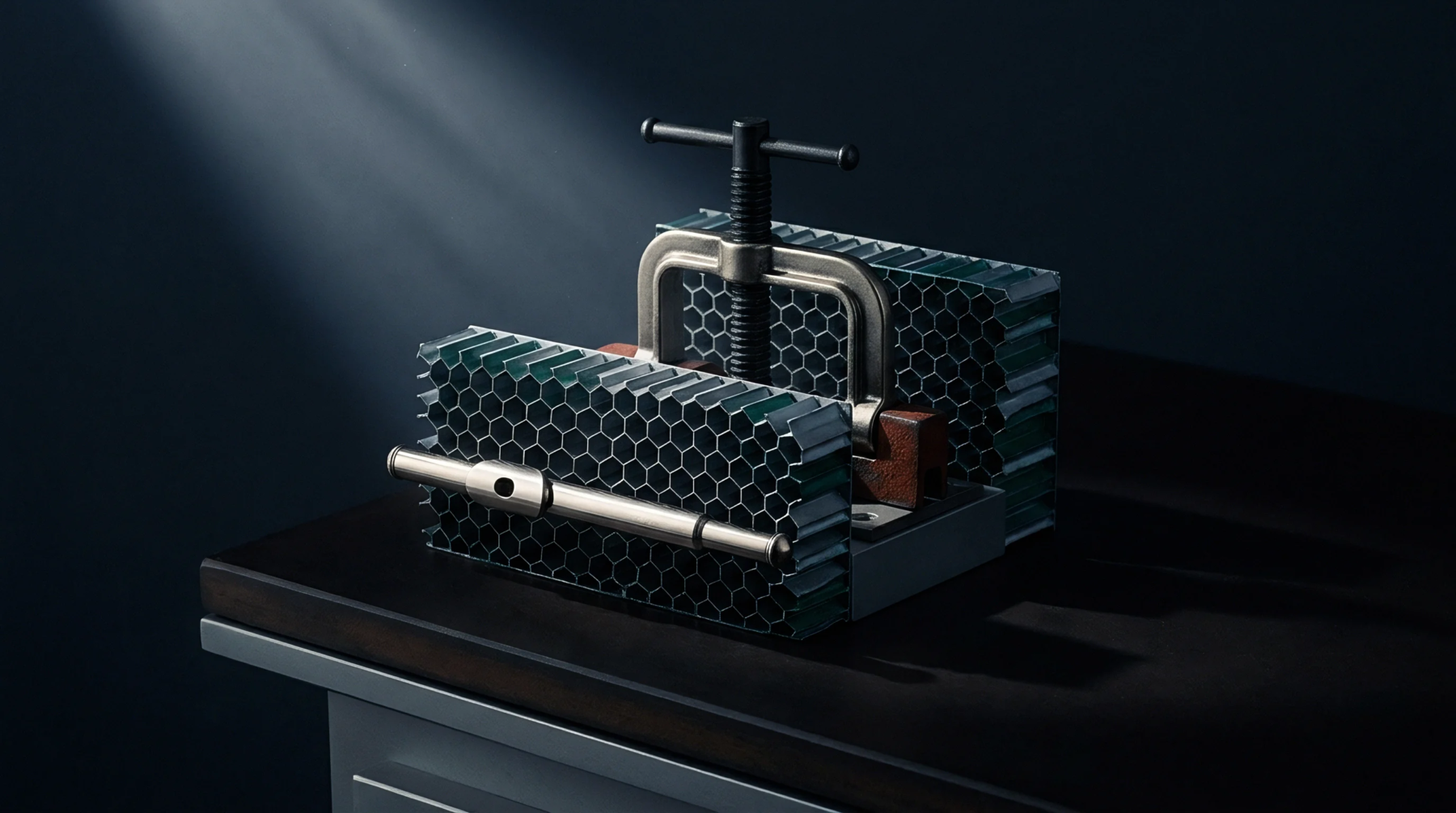
Inline high-frequency acoustic profiling measures micro-scale barrier delamination and polymer layer thickness across dynamic paperboard converting webs.
Functional barrier qualification requires gas chromatography verification of saturated and aromatic hydrocarbon migration below detection limits on creased board.
High frequency ultrasonic attenuation profiling non-destructively maps internal ply delamination and polymer barrier continuity during cartonboard creasing passes.
Paperboard chemical retention and migration compliance requires verifying wet-end additive fixation, simulant extractions, and mass transfer kinetic barriers.
Expertise is a utility, not a secret. sentiention™ publishes its working knowledge as open reference: intelligence layer covering the materials it sources, the markets it enters, and the reference that serves both.