Surface Energy
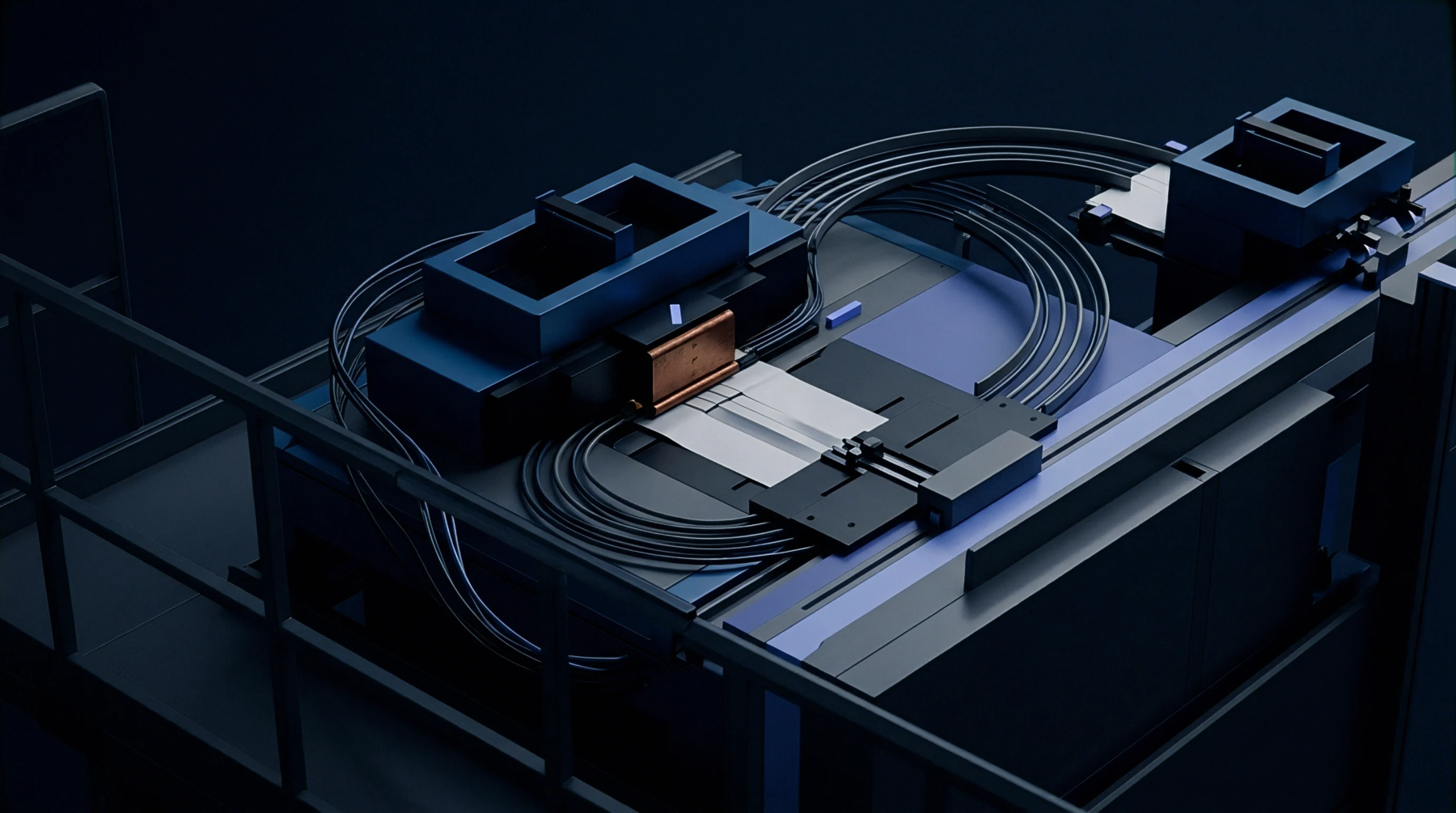
High voltage electrical discharge increases the polar groups on polymer substrates to allow for better ink adhesion. Corona treatment produces ozone as a byproduct which necessitates local exhaust ventilation in manufacturing environments. This process modifies the molecular structure of the plastic film surface without affecting the bulk properties of the material.
Effective bonding depends on the maintenance of a specific dynes per centimeter rating consistent with the requirements of the printing ink or adhesive chemistry.
Conversion Requirement
Converting lines rely on this modification to ensure that labels and flexible packaging materials accept coatings during high speed production. Precise control over the discharge gap prevents pinholes or burn marks from damaging thin substrates. Operators monitor the output settings to compensate for the natural decay of surface energy over time.
Variable line speeds force an adjustment in the power intensity to maintain a uniform level of activation across the entire web width.
Process Limit
Plastic film manufacturers occasionally use chemical additives to stabilize the surface condition following the primary activation step. Excessive treatment leads to material brittleness or adhesion failure when the ink layers pull away from the substrate. Low energy levels cause ink pick off during the rewinding phase of the production cycle.
Proper validation involves testing the film with calibrated ink pens to confirm the longevity of the ionic bond before the material enters the final assembly or printing stage.