Dynamic Crease Stiffness Analysis in Water Based Dispersion Barrier Coated Cartonboard
Dynamic crease stiffness analysis measures real-time polymer film relaxation during high-speed board folding to prevent barrier fracturing and line jams.
Dynamic crease stiffness analysis measures real-time polymer film relaxation during high-speed board folding to prevent barrier fracturing and line jams.
Retain board bulk and bending stiffness by applying surface moisture gradients to lower outer ply glass transition temperatures before soft nip compression.
Creasing modified latex barriers creates micro-fissures that accelerate migrant diffusion, requiring strain-matched polymer selection and standardized cell testing.
Line temperature spikes and fluid shear accelerate migrant transfer beyond static test limits, requiring exact profile validation in compliance files.
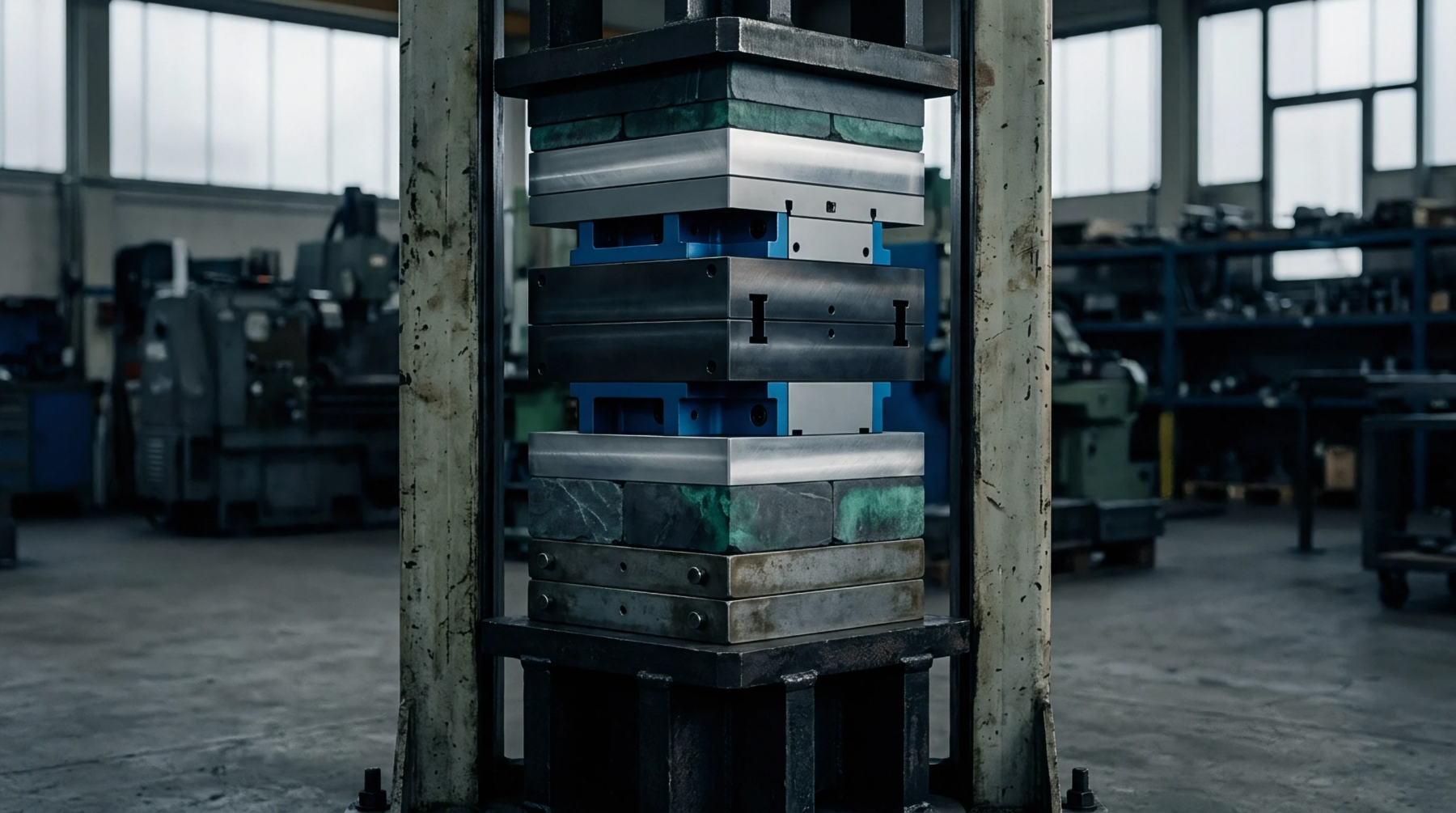
Predict dynamic thermal expansion and counterforce creep using alloy scaling factors and glass-transition temperature limits to maintain stamping register.
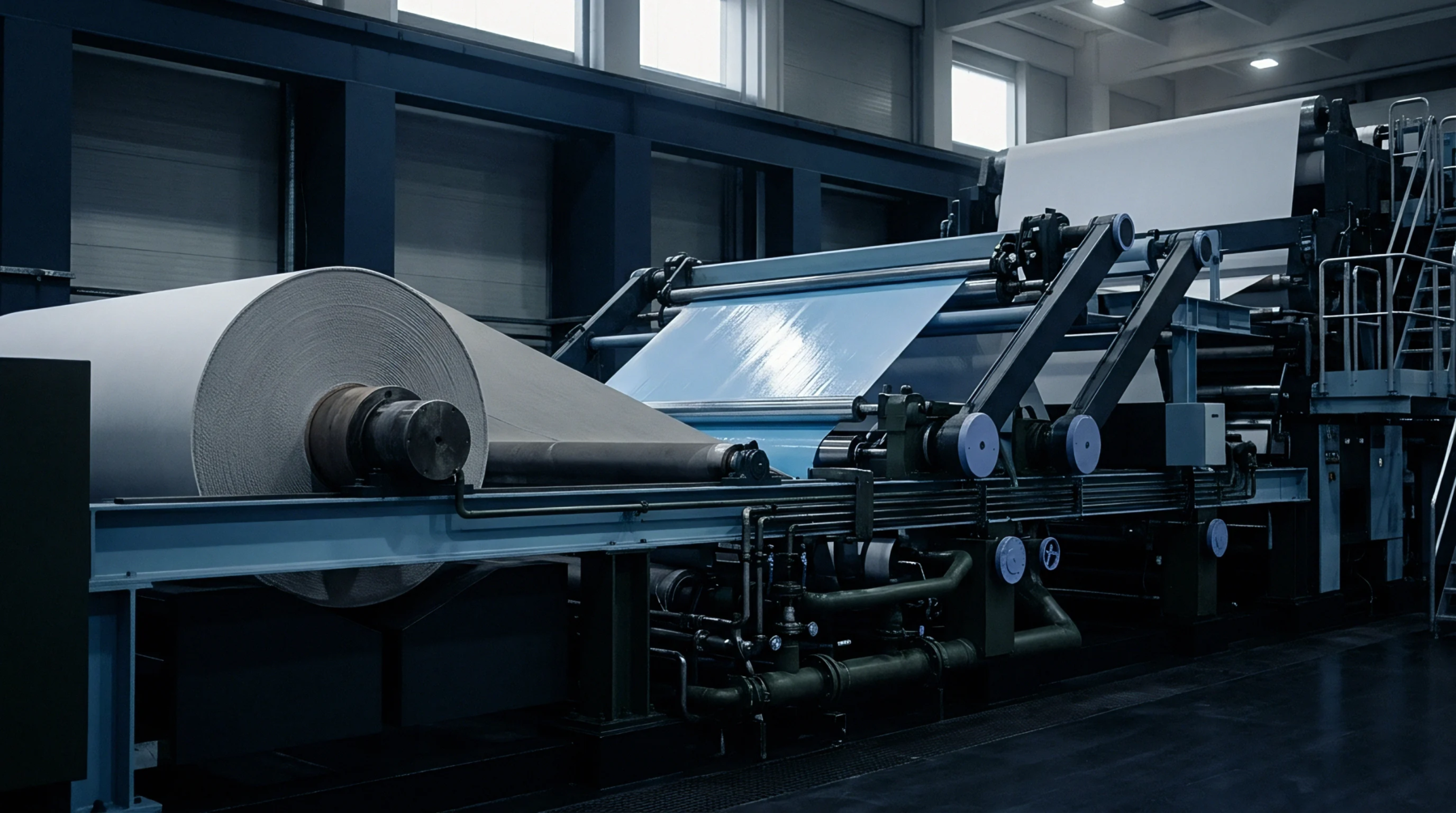
Dynamic moisture entry plasticizes paperboard core binders and depresses matrix glass transition, driving interlaminar delamination and pallet stack collapse.
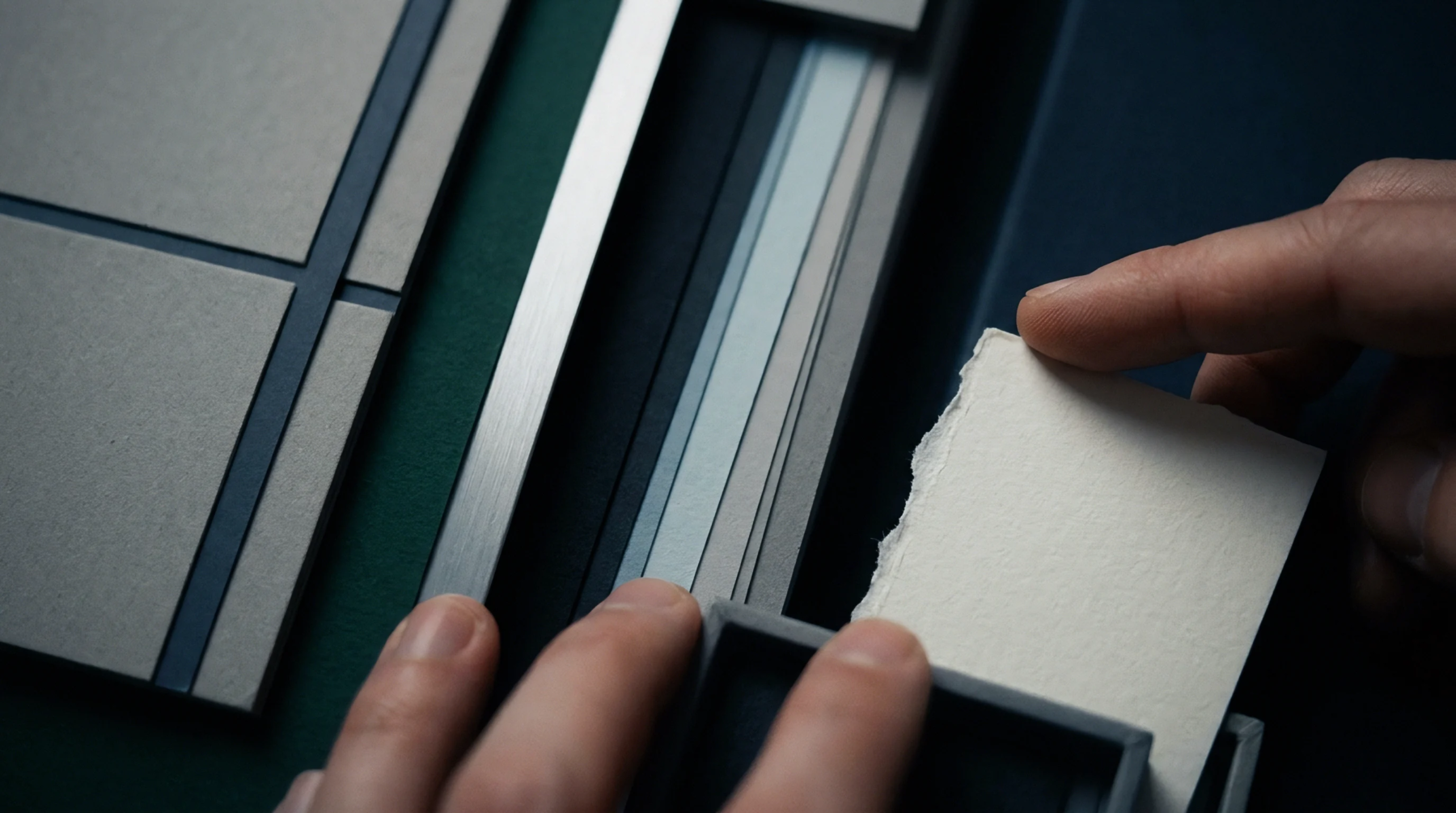
Monomer ratios with glass transition temperatures between 10 °C and 25 °C balance shear stability, film formation, and Cobb water resistance on high-yield pulp.
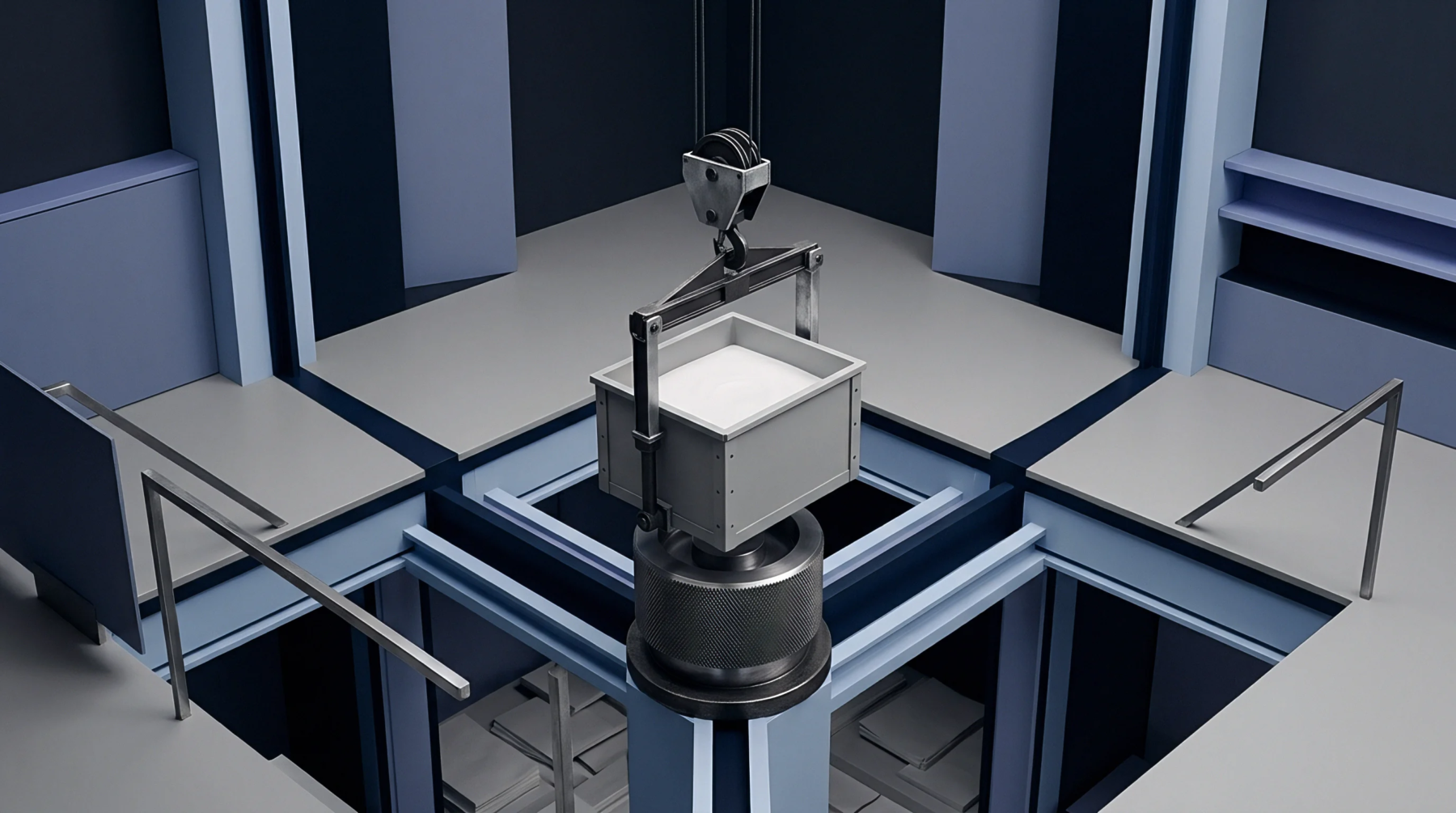
Aqueous dispersion coatings require high carboxyl content and precise Tg control to fragment into screenable flakes rather than tacky micro-stickies during pulping.

Viscoelastic creep in cellulosic matrices accelerates under humidity cycling, reducing long-term compression strength and requiring calibrated safety margins.
Interfacial shear strain from thermal mismatch drives delamination; controlling cooling gradients and dyne levels prevents bond failure at crease lines.
Functional barrier coat weight and thermal stability determine high-temperature hydrocarbon vapor migration limits in recycled paperboard food packaging.
Selecting ductile resin binders with glass transition temperatures below minus five degrees Celsius prevents coating micro-cracking during paperboard crease folding.
Heat embossing above lignin glass transition temperature locks paperboard relief depth, while controlled dwell time minimizes post-press viscoelastic creep.

Modulating ultrasonic transducer frequency to pulsed burst mode below 30 kHz prevents sub-micron polymer barrier shear rupture during high-speed crease inspection.
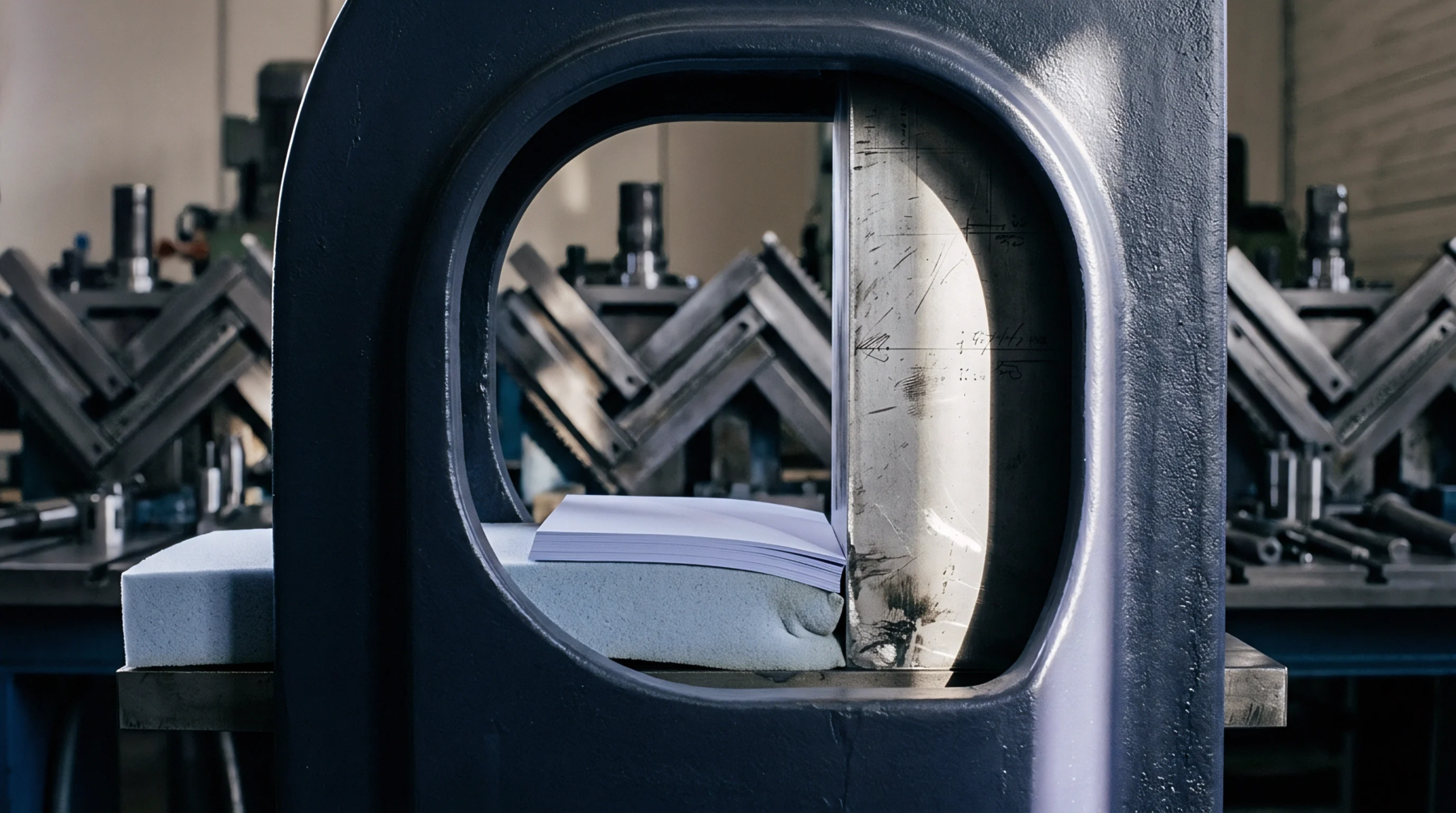
Polymeric barrier degradation across paperboard creases follows strain rate kinetics where strain exceeding coating yield limits creates pinholes and invalidates functional compliance.

Fickian migration diffusion modeling provides legally binding compliance verification under EU Regulation 10/2011 when Piringer parameters upper-bound migration.
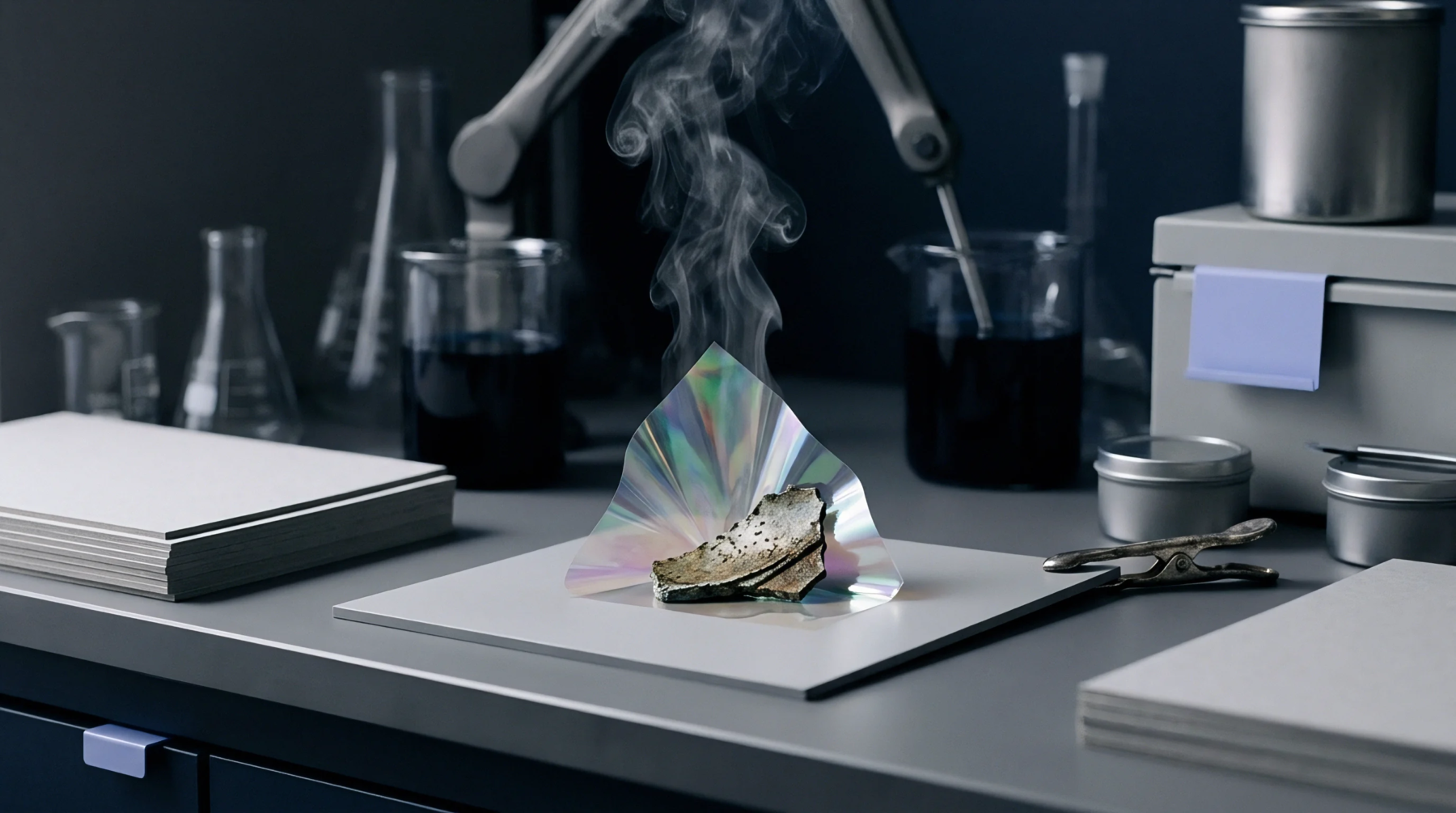
Asymmetric thermal expansion in polymer laminates induces out-of-plane deflection, requiring optical profilometry guard bands calibrated to thermal air noise.
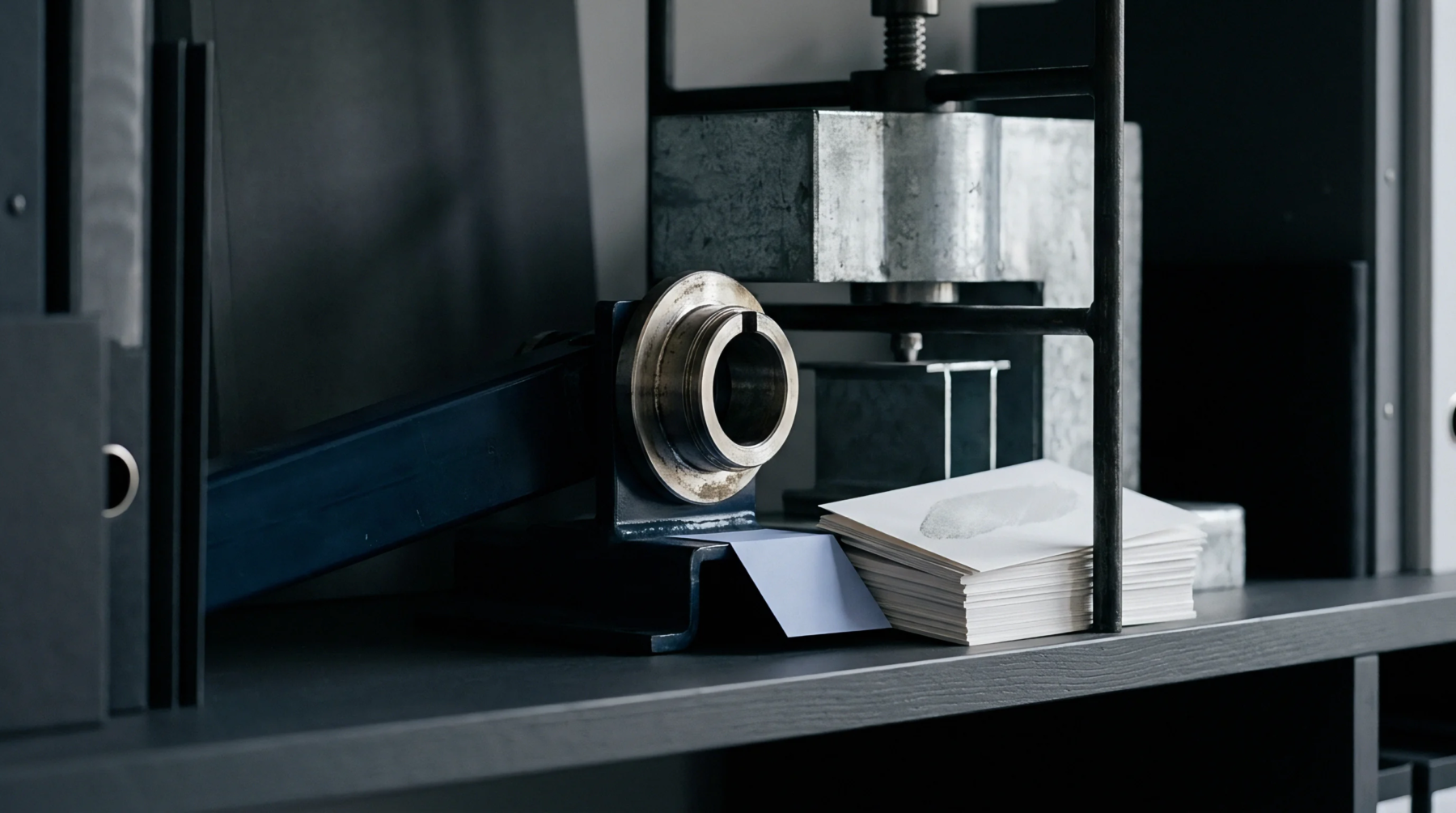
Inter-deck thermal radiation drives anisotropic sheet expansion, causing tail-end register drift that requires precise substrate grain alignment and lamp modulation.
Cold paper pallets demand staged thermal acclimation inside unopened vapor wrap to eliminate edge waviness and fluting caused by moisture sorption gradients.
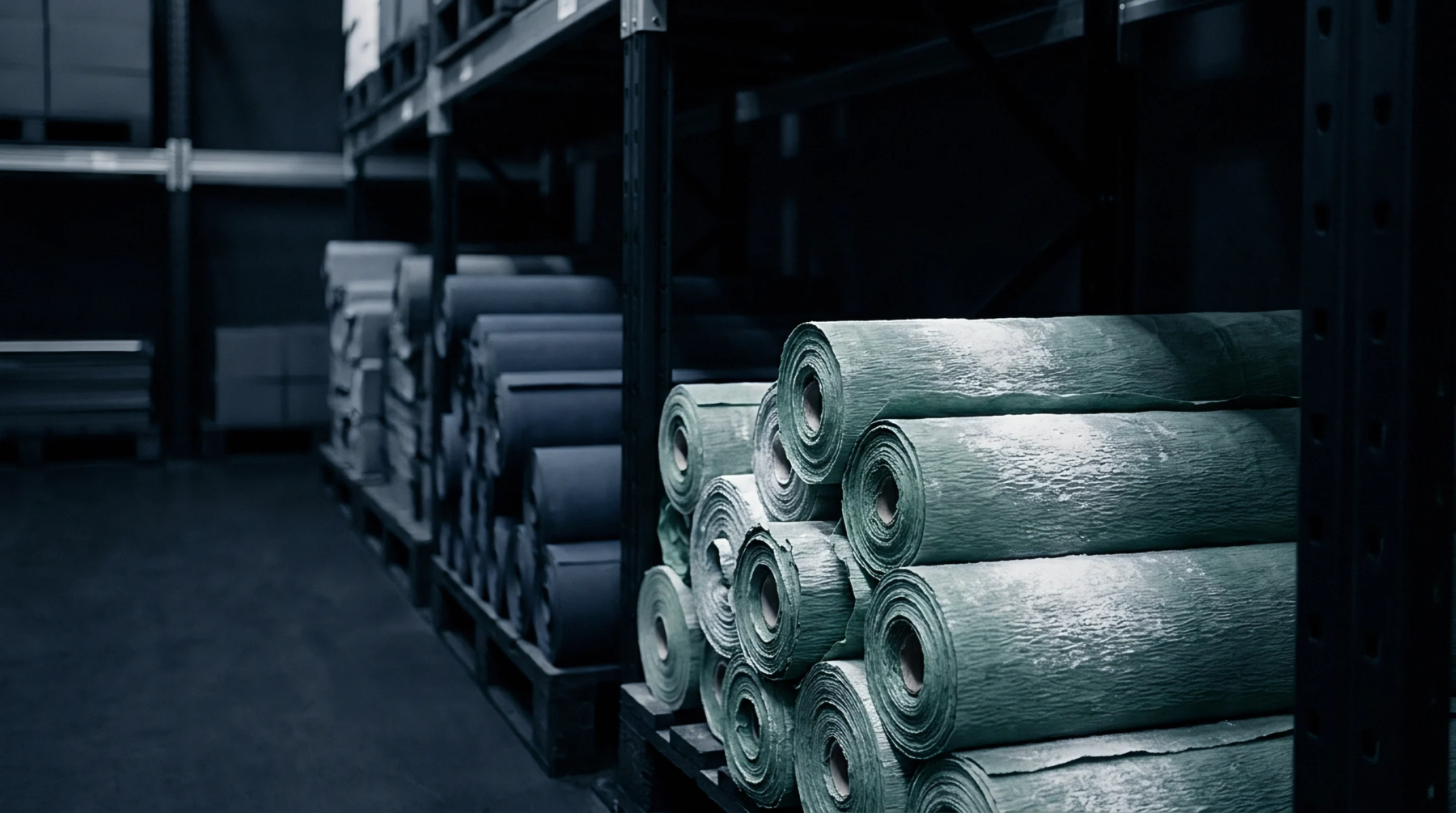
Aqueous dispersion barrier boards resist cold chain moisture through double-pass uniform coat weights and flexible low-Tg chemistry that prevents crease rupture.
Expertise is a utility, not a secret. sentiention™ publishes its working knowledge as open reference: intelligence layer covering the materials it sources, the markets it enters, and the reference that serves both.