Quantifying Hydroplasticization and Viscoelastic Strain in Waterborne Barrier Coatings
Hydroplasticization depresses barrier coating glass transition, driving viscoelastic strain that degrades moisture resistance across creased paperboard packages.
Hydroplasticization depresses barrier coating glass transition, driving viscoelastic strain that degrades moisture resistance across creased paperboard packages.
Cold weather microcracking in aqueous barrier coatings is prevented by expanding crease matrix channels, pre-heating the board web, or specifying low Tg latices.
Microclimate substrate failure claims require immediate vapor-sealed sampling, gravimetric moisture verification, and continuous environmental logger data to overcome standard mill liability exclusions.
Reconcile multi pass costs by netting volumetric freight surcharges against segregated secondary fiber scrap credits mapped directly to each pass.

Dynamic absorption testing via ISO 18522 measures subsecond ink vehicle uptake on lightweight coated paper, preventing pressroom strike-through failures.
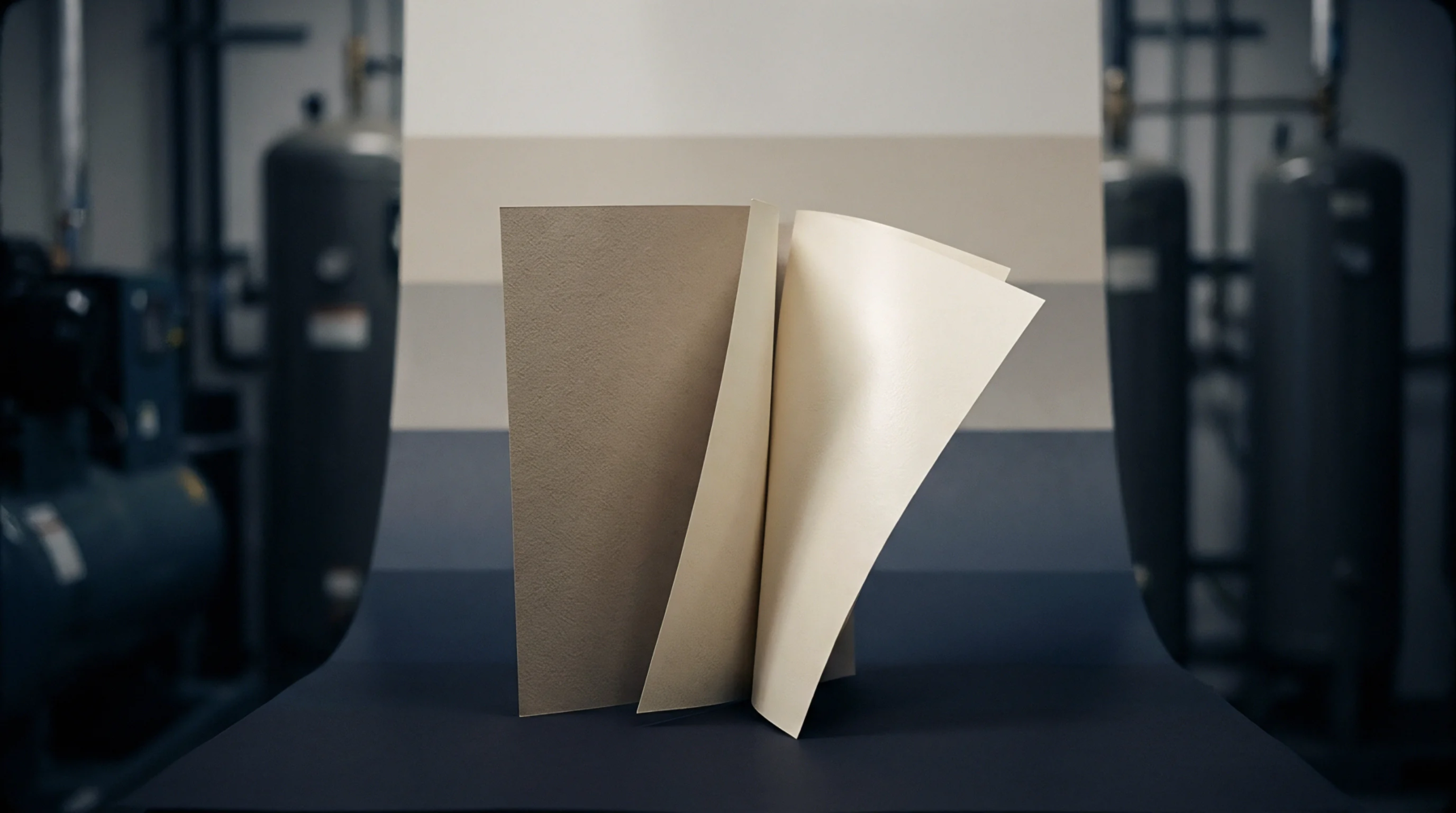
Dynamic pore network modeling accurately predicts humidity-induced permeability spikes in recycled board, allowing buyers to specify sizing thresholds that prevent box failure.
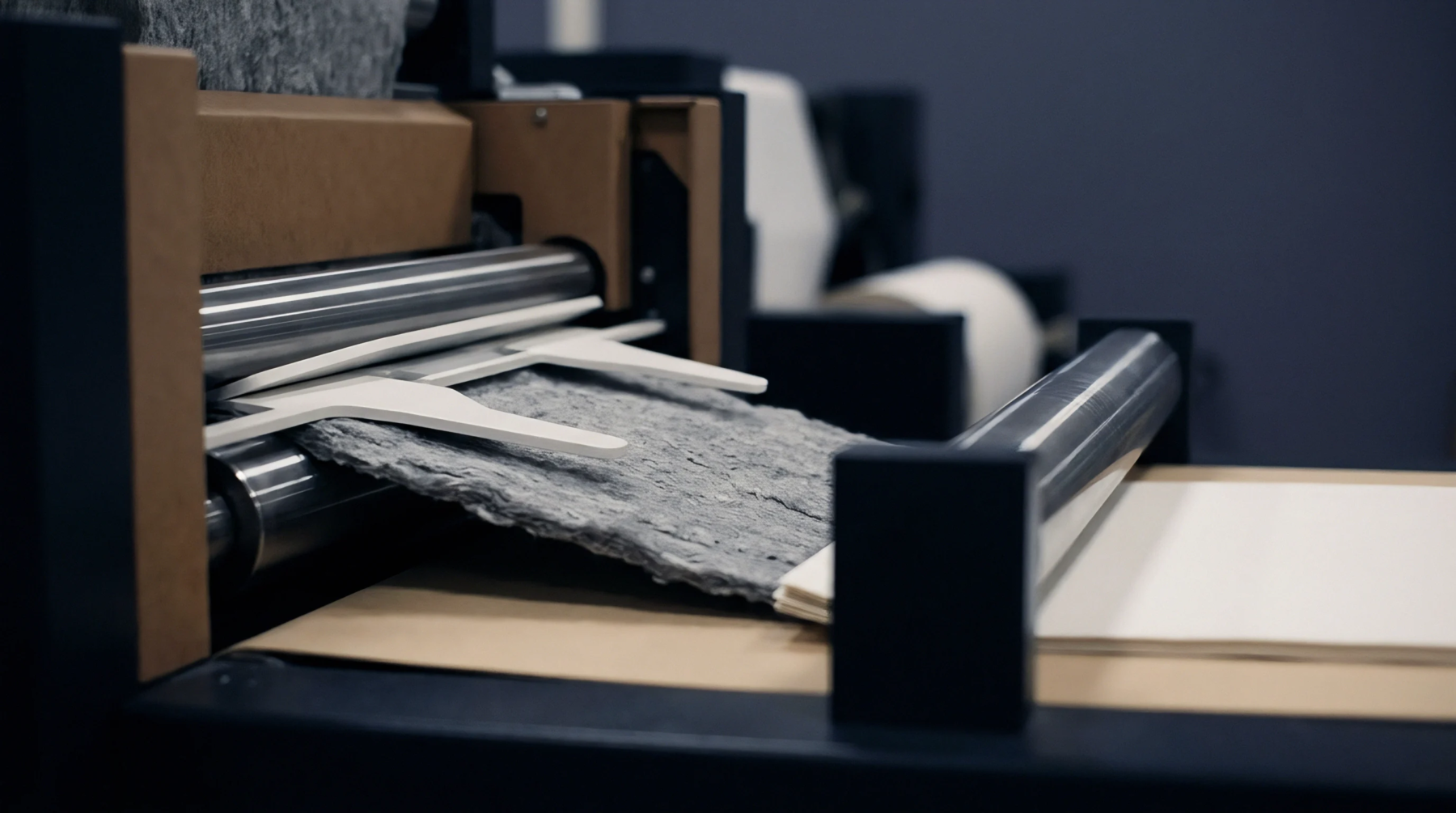
Recycled fibers exhibit steep cross-direction hygro-expansion due to hornification; contracts must bind dimensional strain across relative humidity bands.
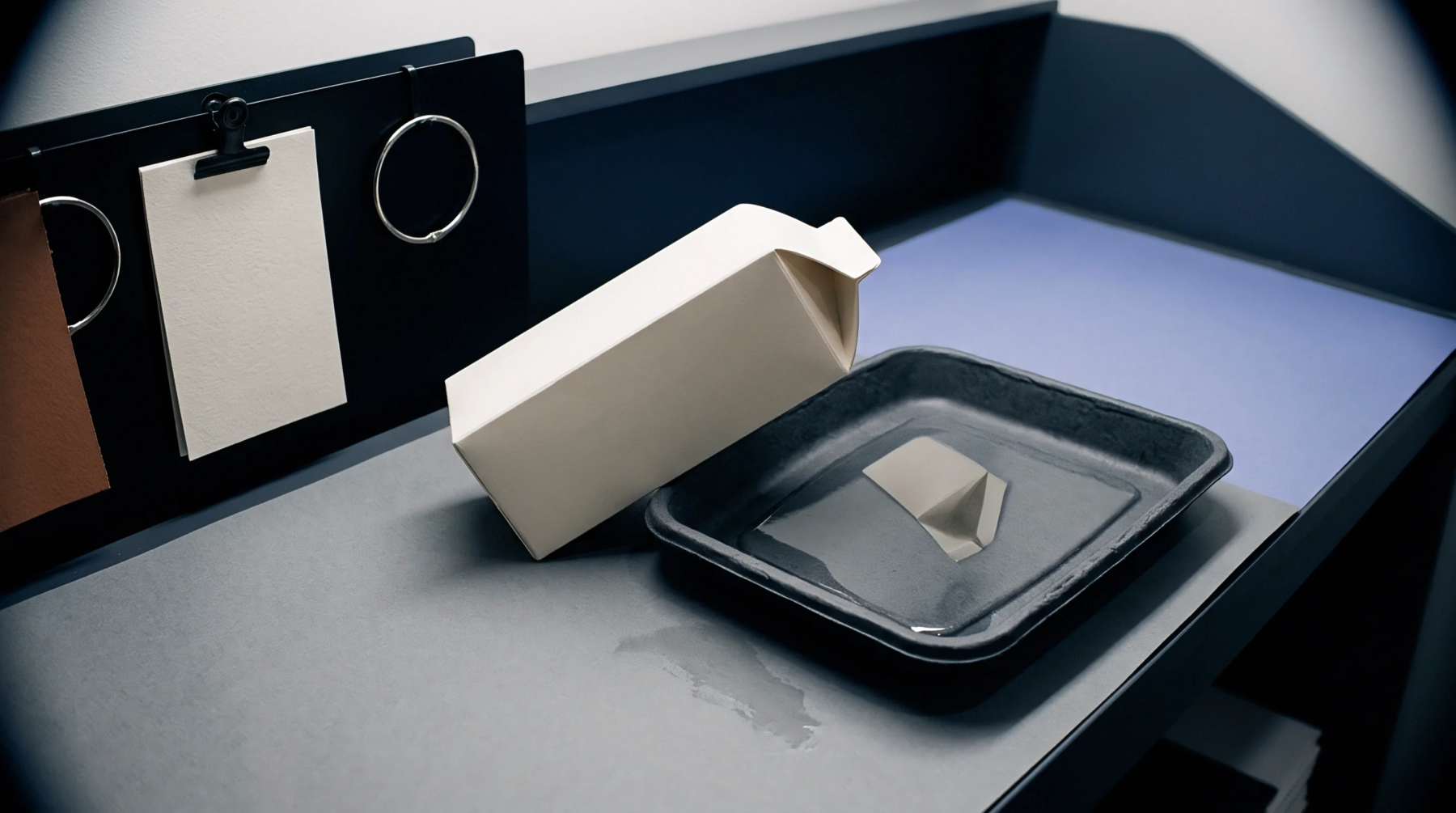
Dynamic microsecond droplet impact forces and coating capillary void network architecture dictate liquid absorption kinetics and print quality on high speed inkjet coated paper.
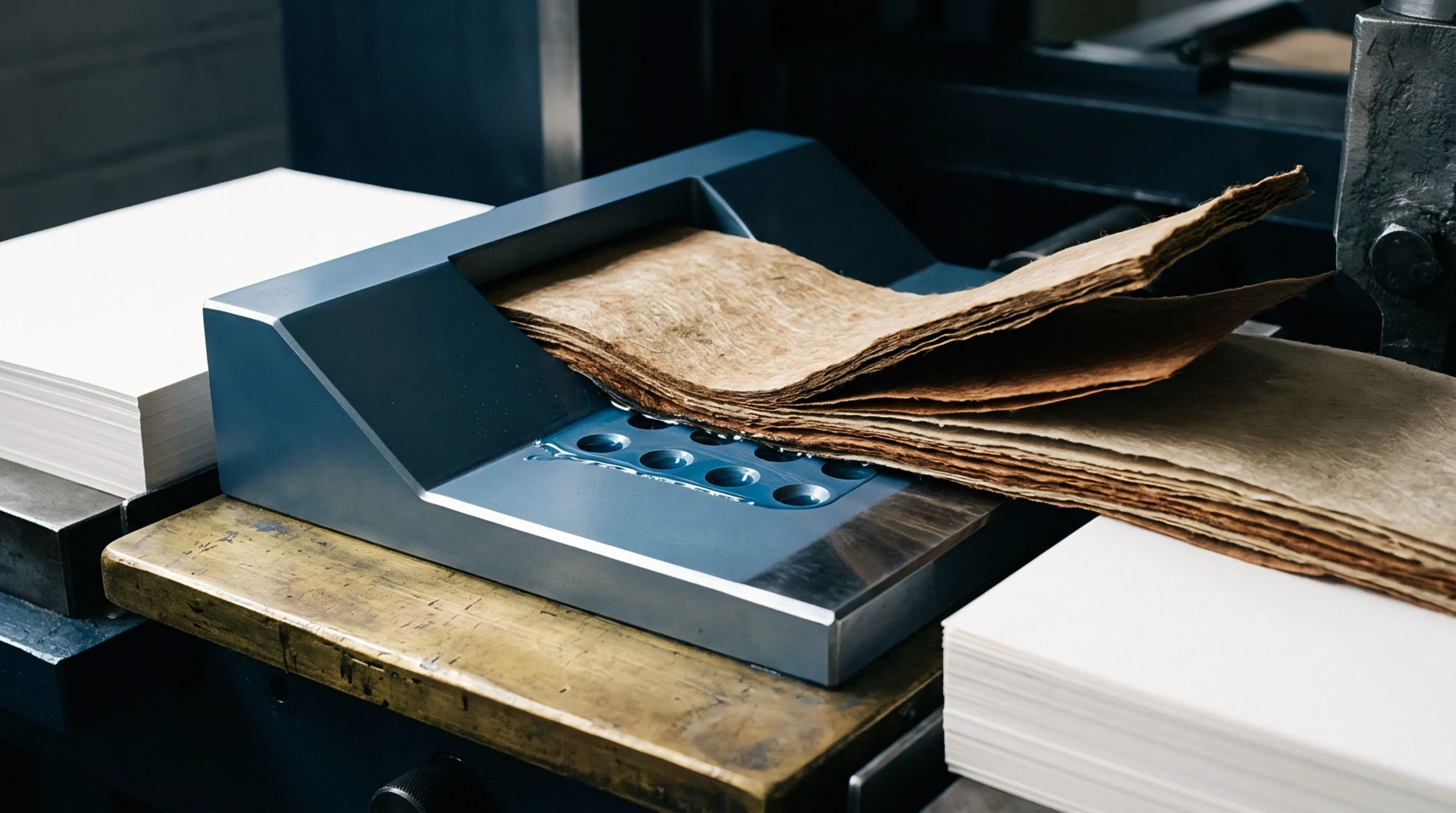
Fine coating pores generate high capillary pressure that separates solvent from ink, preventing vehicle penetration into virgin hardwood fibers.
Non-ionic surfactant desorption drops dynamic surface tension within milliseconds on recycled hardwood board, causing severe film dewetting and glue failures.

Capillary stalling occurs when high line speeds outpace surfactant migration, elevating fluid tension and halting penetration before ink or glue bonding sets.

Low relative humidity embrittles paperboard and dispersion coatings, causing fold micro-cracks that degrade barrier integrity unless creasing geometry adapts.
Paperboard import compliance depends on linking physical lot numbers directly to accredited chemical assays and verified chain of custody certificates.

Hornification in secondary fibres reduces internal pore volume and alters optical scattering, requiring dynamic wetting controls to prevent press mottle.

Ground paper supply pass-through clauses in verified dry fibre weight, strict index lag rules, and active goods-in batch audits to block supplier overcharges.
Virgin hardwood sizing requires balancing high surface hydroxyl density against AKD and ASA steric interference to maintain internal bond and Cobb holdout.
Expertise is a utility, not a secret. sentiention™ publishes its working knowledge as open reference: intelligence layer covering the materials it sources, the markets it enters, and the reference that serves both.