Moisture Barrier
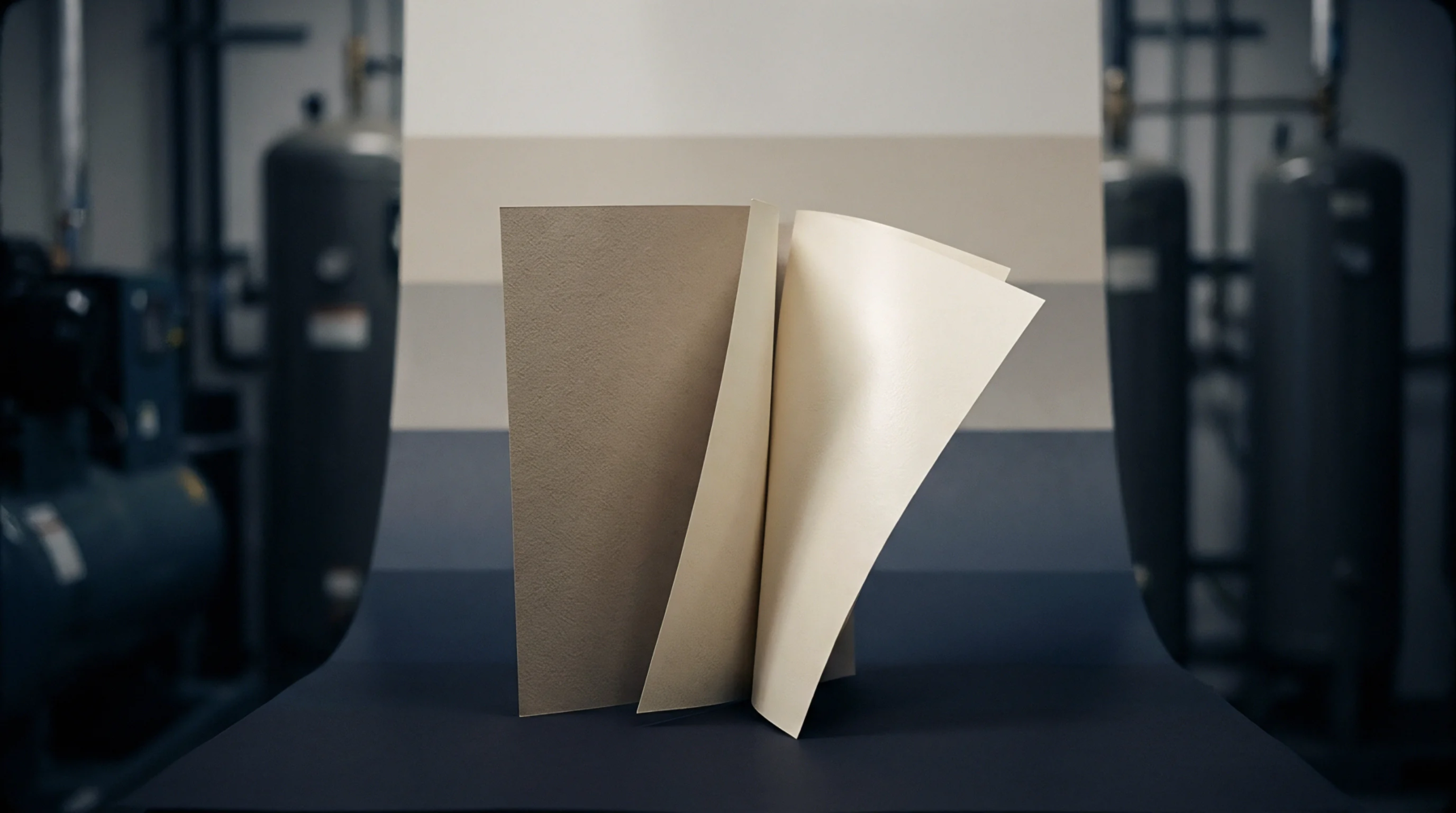
Gravimetric testing quantifies the mass of water vapor passing through a unit area of a material during a set timeframe under specific temperature and humidity conditions. Known formally as iso 2528 vapor transmission, this standard provides a consistent method for evaluating the barrier performance of films and sheets. It requires sealing a test dish containing a desiccant with the material and measuring the weight gain over time as moisture migrates through the sample.
The method defines the water vapor transmission rate by relating the change in mass to the surface area of the exposed specimen. Results enable converters to predict how effectively a substrate will protect contents from environmental humidity.
Conversion Tolerance
Paper mills and film extrusion plants rely on these figures to ensure structural integrity during secondary processing. A manufacturer selects materials based on the permeability required for specific shelf life targets or environmental exposures. High barriers prevent substrate degradation in climates where relative humidity cycles cause dimensional changes or adhesive failure.
Converters check the integrity of heat seals and coatings against these calculated rates to avoid product spoilage. Engineers adjust lamination thickness or introduce foil layers when the base substrate fails to meet the required threshold for a particular application.
Performance Limit
Laboratory constraints dictate that the standard applies only to materials that remain stable throughout the duration of the test. Heat generated by the moisture absorption process must not influence the sample temperature beyond the established testing bounds. Variations in the desiccant particle size or the agitation of the ambient air inside the testing chamber lead to inconsistencies in the recorded mass flux.
Precision requires uniform mounting of the material to prevent leakage around the edges of the sample disk. Reliable data only emerge when the environmental chamber maintains constant climate conditions for the duration of the exposure period. The final transmission value represents a balance between the molecular porosity of the material and the driving force of the partial pressure gradient across the barrier.