
Paperboard Wet End Charge Optimization and Chemical Retention Measurement Protocols
Optimize wet end charge to slight negative potential and verify dynamic retention with TAPPI T 261 to secure mechanical strength and chemical compliance.
Optimize wet end charge to slight negative potential and verify dynamic retention with TAPPI T 261 to secure mechanical strength and chemical compliance.
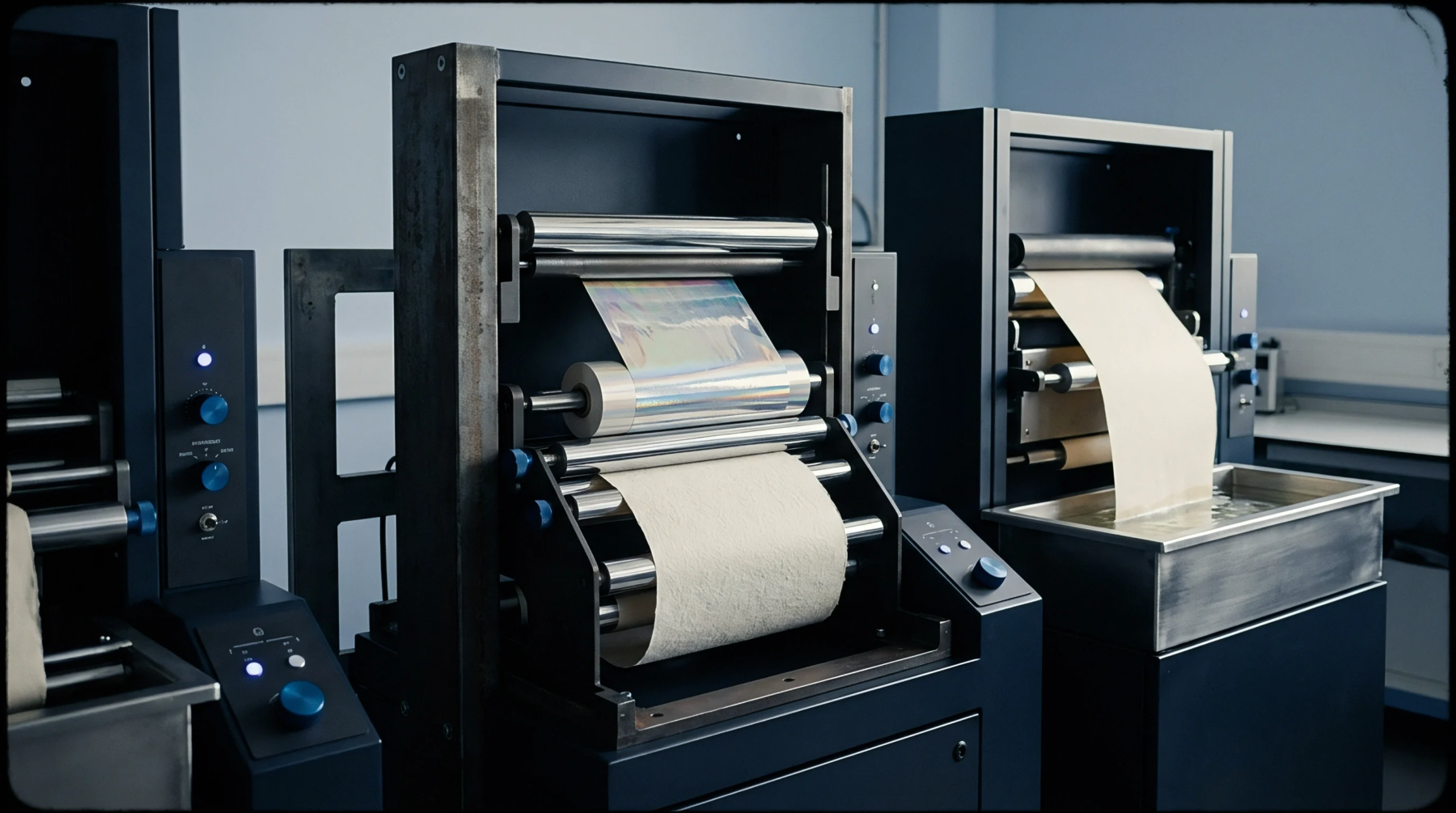
Piecewise Direct Standardization eliminates cross-machine headbox ash sensor drift by mathematically matching optical sub-bands to preserve target sheet ash.

Substrate capillary absorption speeds govern ink setting rate, dryer energy consumption, and cross-web print defect thresholds across high-speed converting runs.
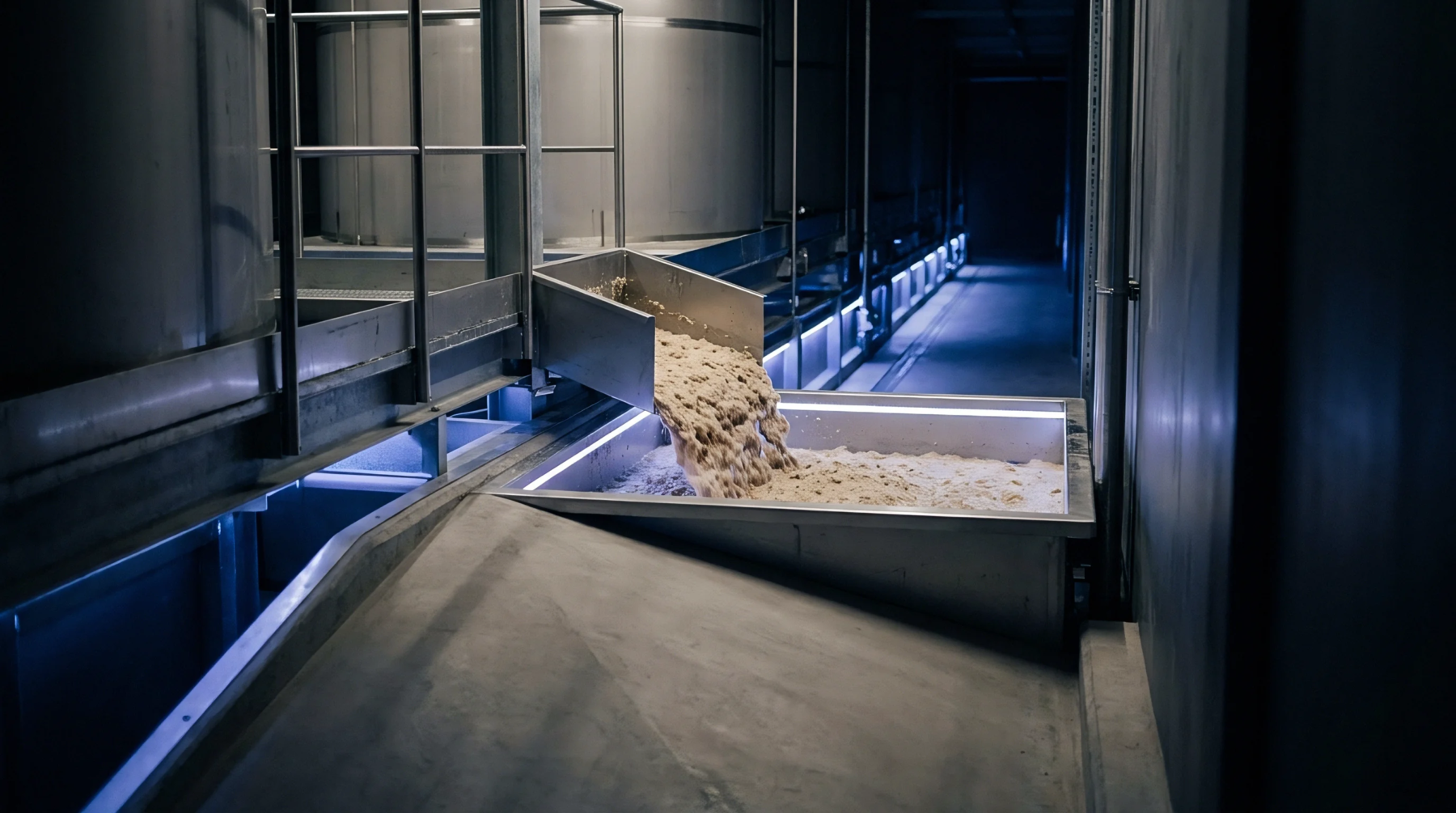
Alkyl ketene dimer hydrolysis in alkaline hardwood stock converts active sizing wax into unreactive dialkyl ketone, raising chemical costs and felt deposits.
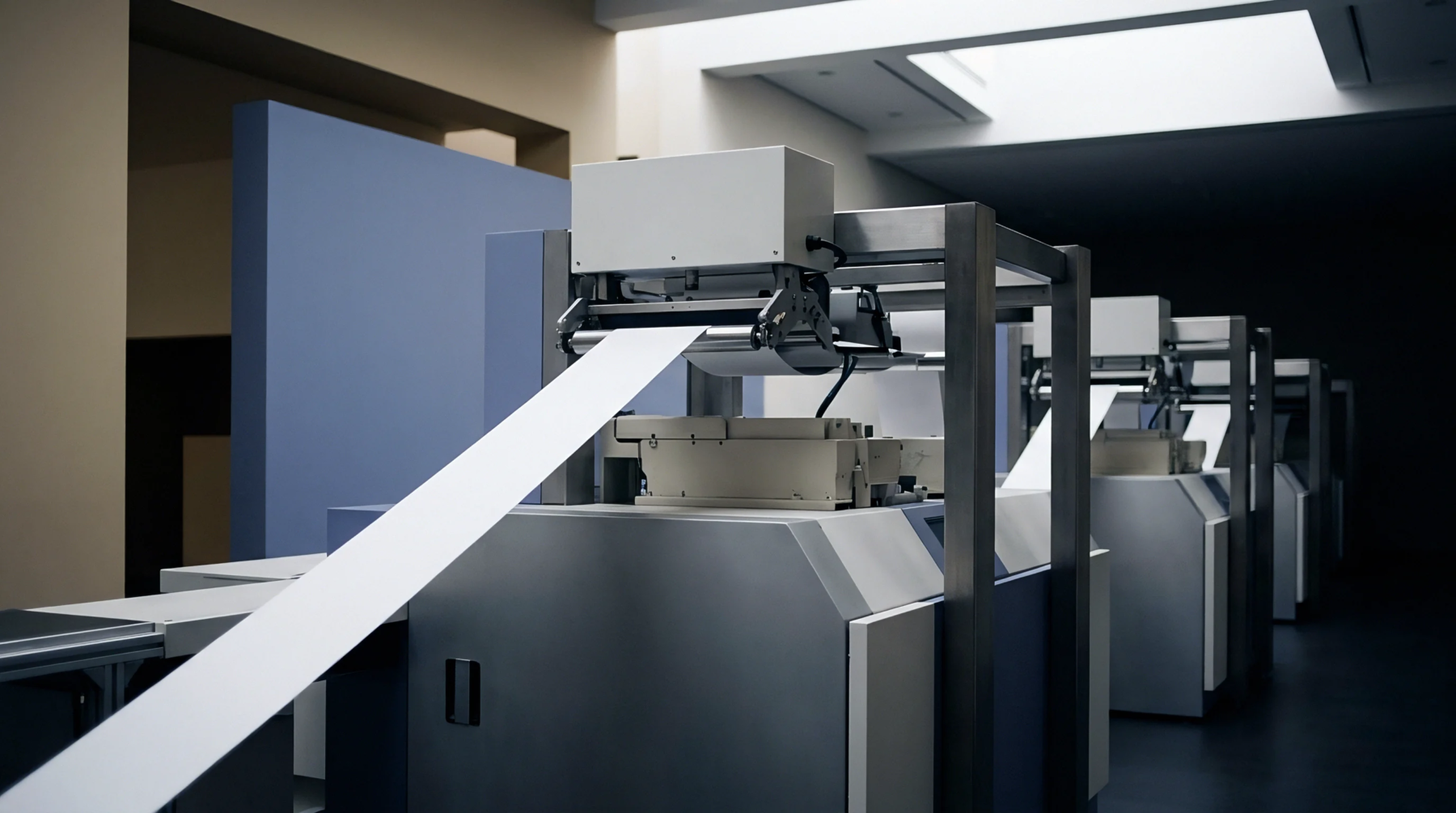
Pigment micro-geometry and particle packing dictate coat pore volume distribution, controlling ink vehicle absorption rate, print gloss, and coat strength.

Narrow coating pore throats below 0.05 micrometres maximize capillary pressure, driving rapid ink vehicle separation and set speed on offset press.

Deriving uncoated paper TVI targets demands separating optical light scattering from capillary ink absorption using M1 spectral data to set inverse RIP curves.

Transferring chemometric models across wet end sensing nodes requires piecewise direct standardization to preserve ash prediction accuracy.
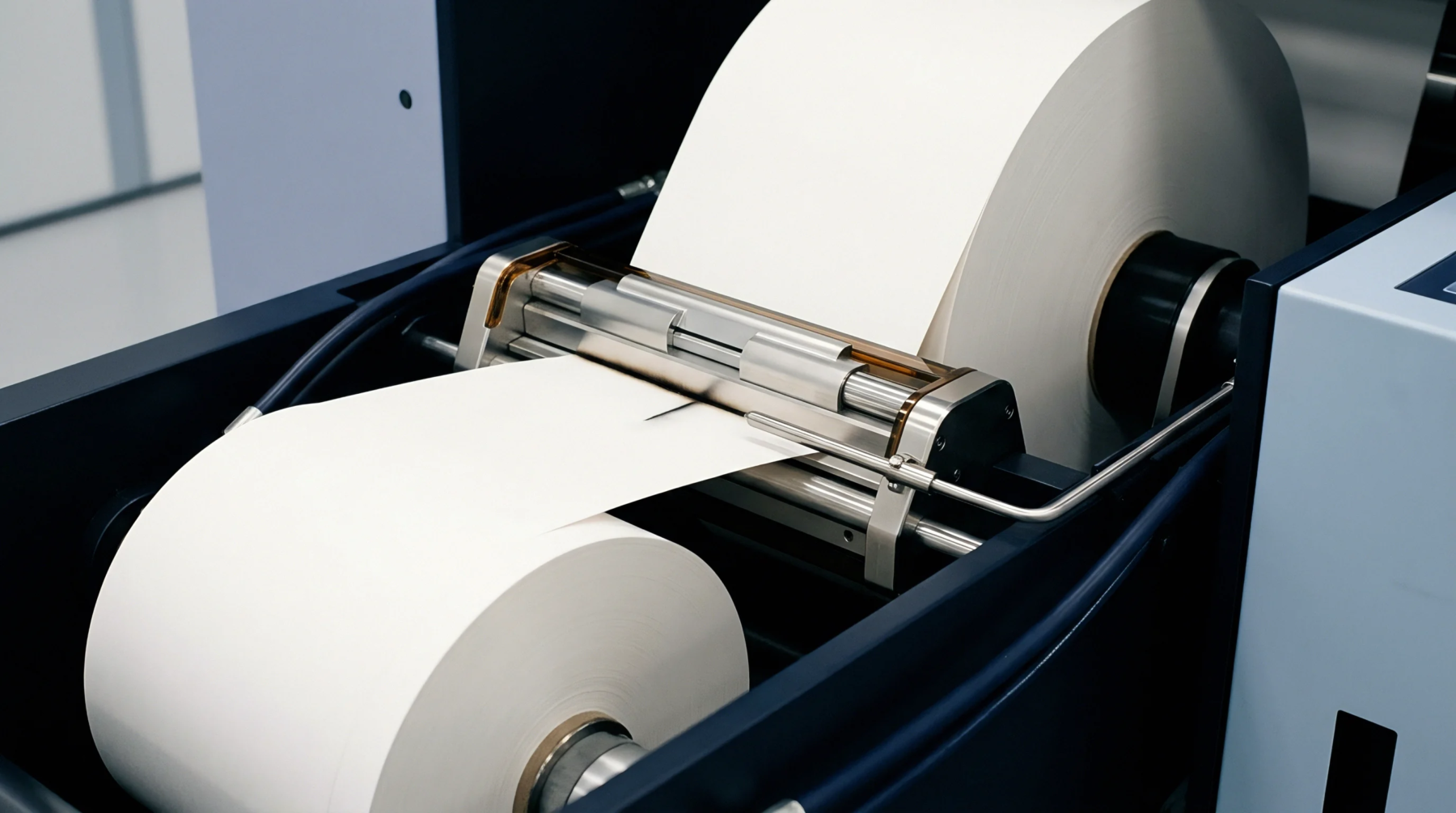
Furnish substitutions at the machine gate require wet end NIR tracking and ISO 1924 tensile verification to prevent runnability failures and yield losses
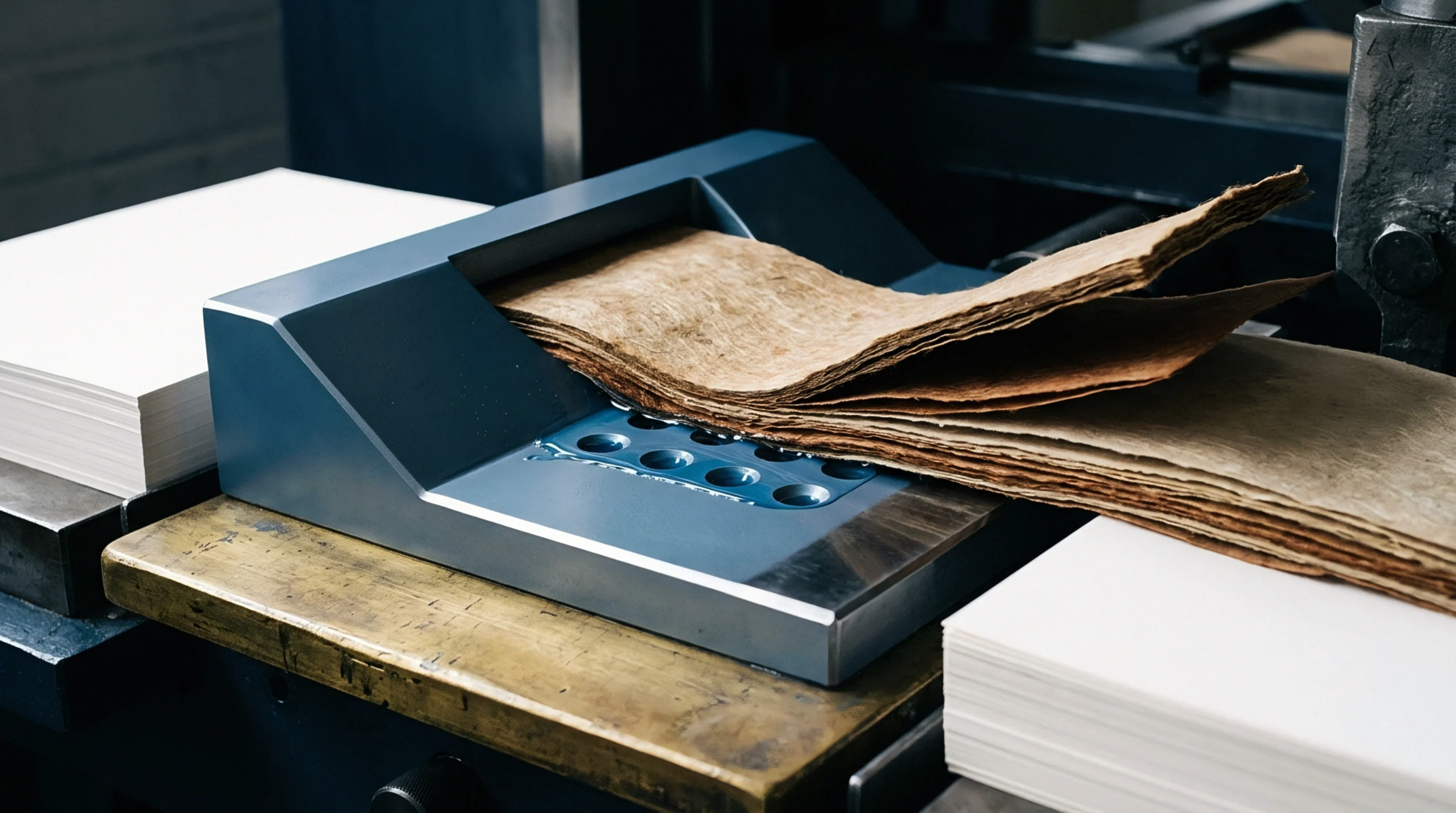
Virgin hardwood sizing requires balancing high surface hydroxyl density against AKD and ASA steric interference to maintain internal bond and Cobb holdout.

Micro-porous paper coating capillary dimensions govern dynamic ink vehicle filtration rates, ink setting speeds, press energy consumption, and total converted sheet yield.
Expertise is a utility, not a secret. sentiention™ publishes its working knowledge as open reference: intelligence layer covering the materials it sources, the markets it enters, and the reference that serves both.