
Statistical Process Control Methods for Paperboard Coating Uniformity
Decoupling machine-direction and cross-direction coat weight sensor arrays maintains barrier integrity and limits food contact migration exposure.
Decoupling machine-direction and cross-direction coat weight sensor arrays maintains barrier integrity and limits food contact migration exposure.
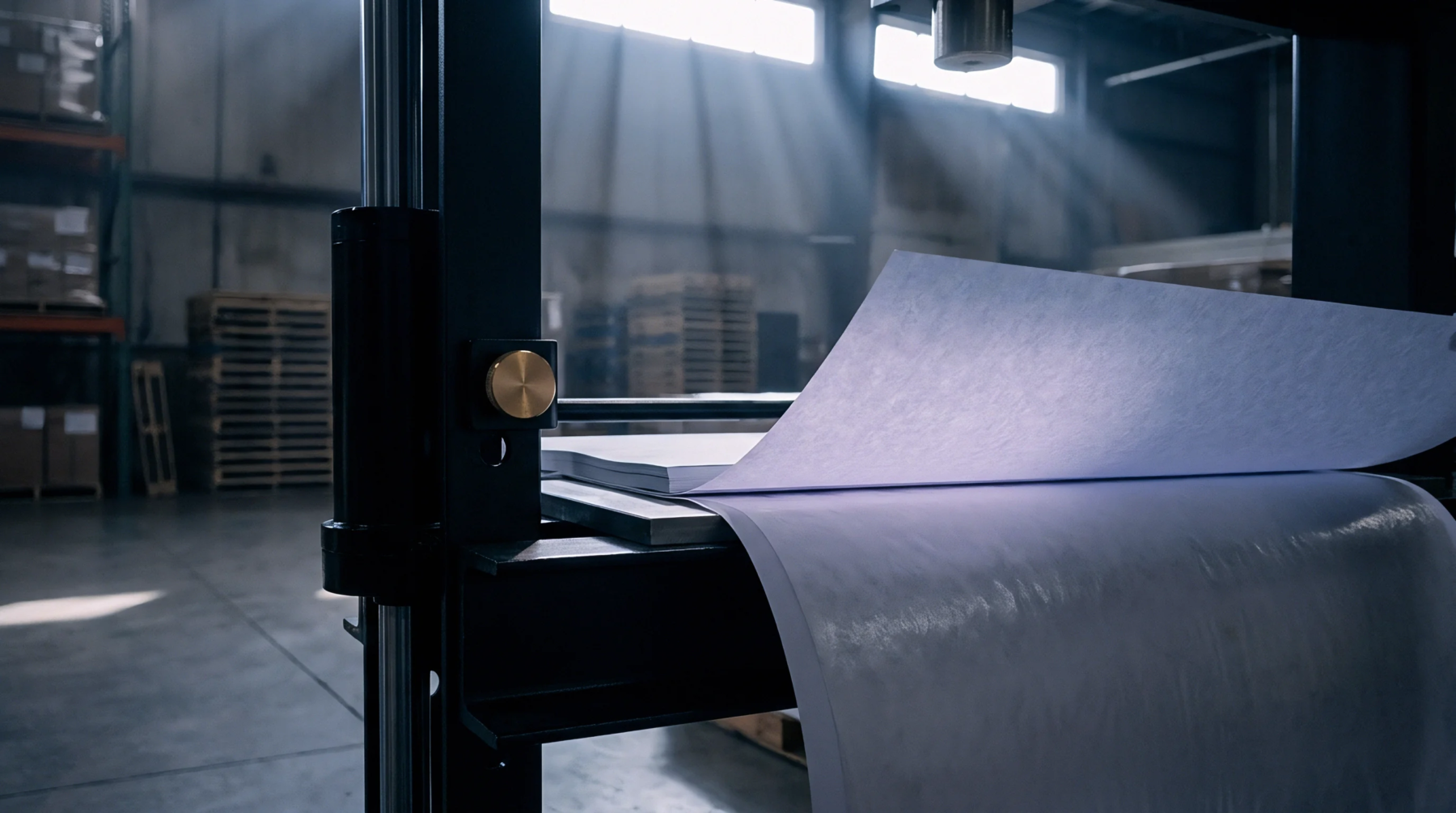
Retain board bulk and bending stiffness by applying surface moisture gradients to lower outer ply glass transition temperatures before soft nip compression.

Maintain polyolefin coating moisture between 0.8 and 2.0 percent to prevent brittle crease microcracking without exceeding blocking temperature thresholds.
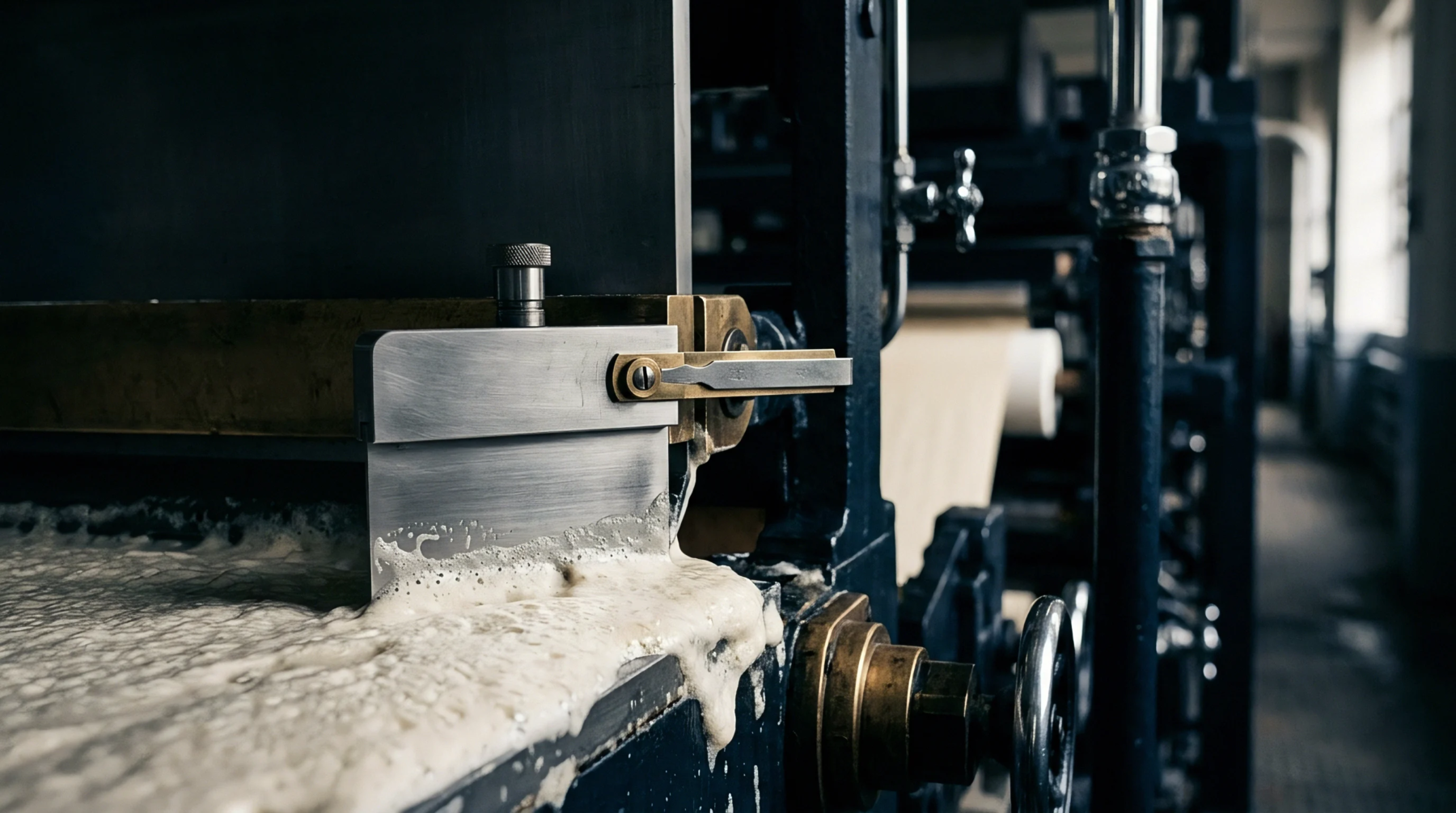
Controlling ink extensional relaxation times below two milliseconds prevents liquid bridge strain hardening and misting on high-speed flexo presses.

Ultra-light coated virgin hardwood papers demand sub-50nm coat pore radii to balance high-speed inkjet solvent absorption against hardwood fiber swelling.
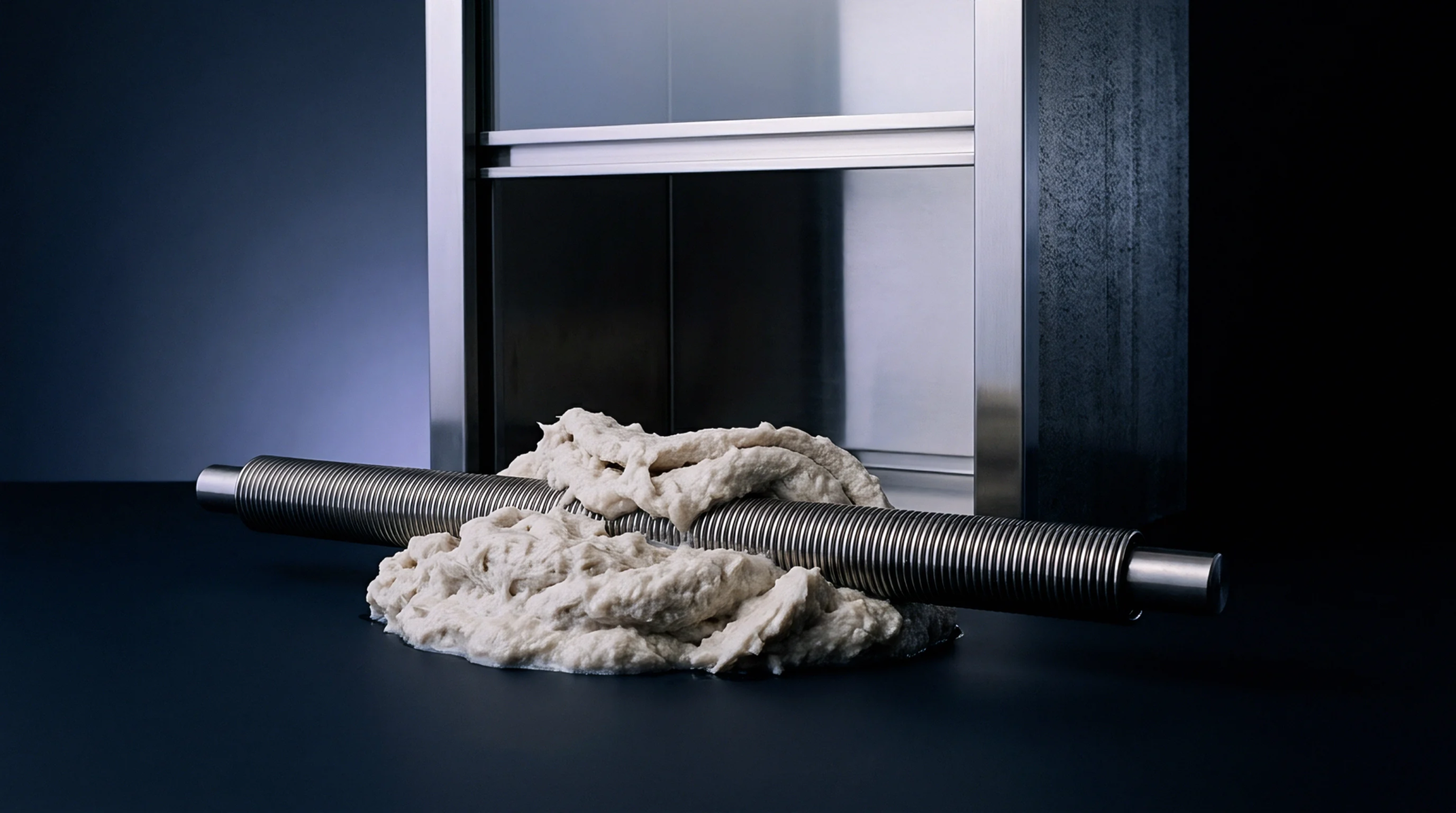
Liquid release from anilox cells under high shear depends on dynamic viscosity below forty centipoise and cell depth ratios under thirty percent.
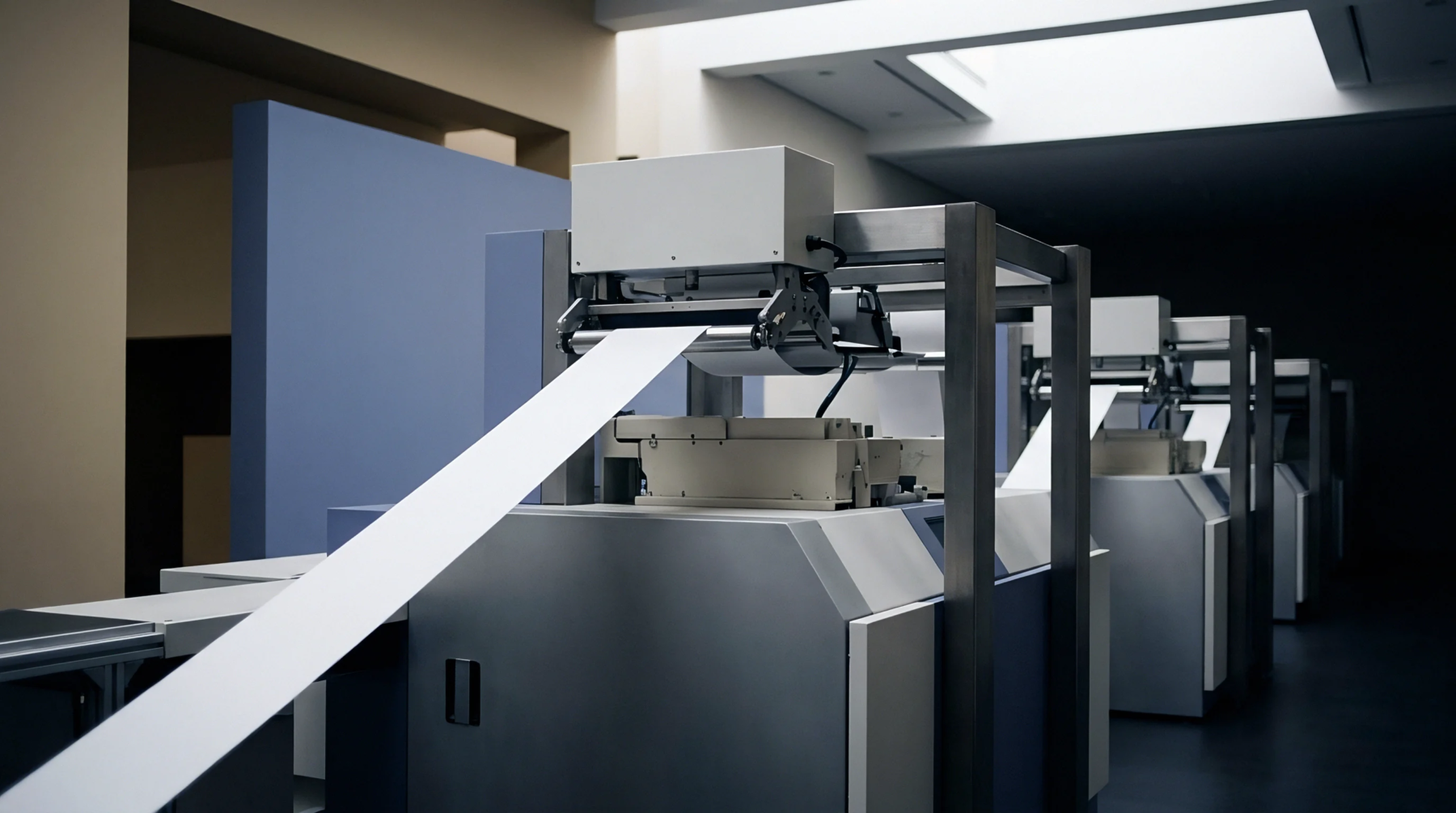
Pigment micro-geometry and particle packing dictate coat pore volume distribution, controlling ink vehicle absorption rate, print gloss, and coat strength.
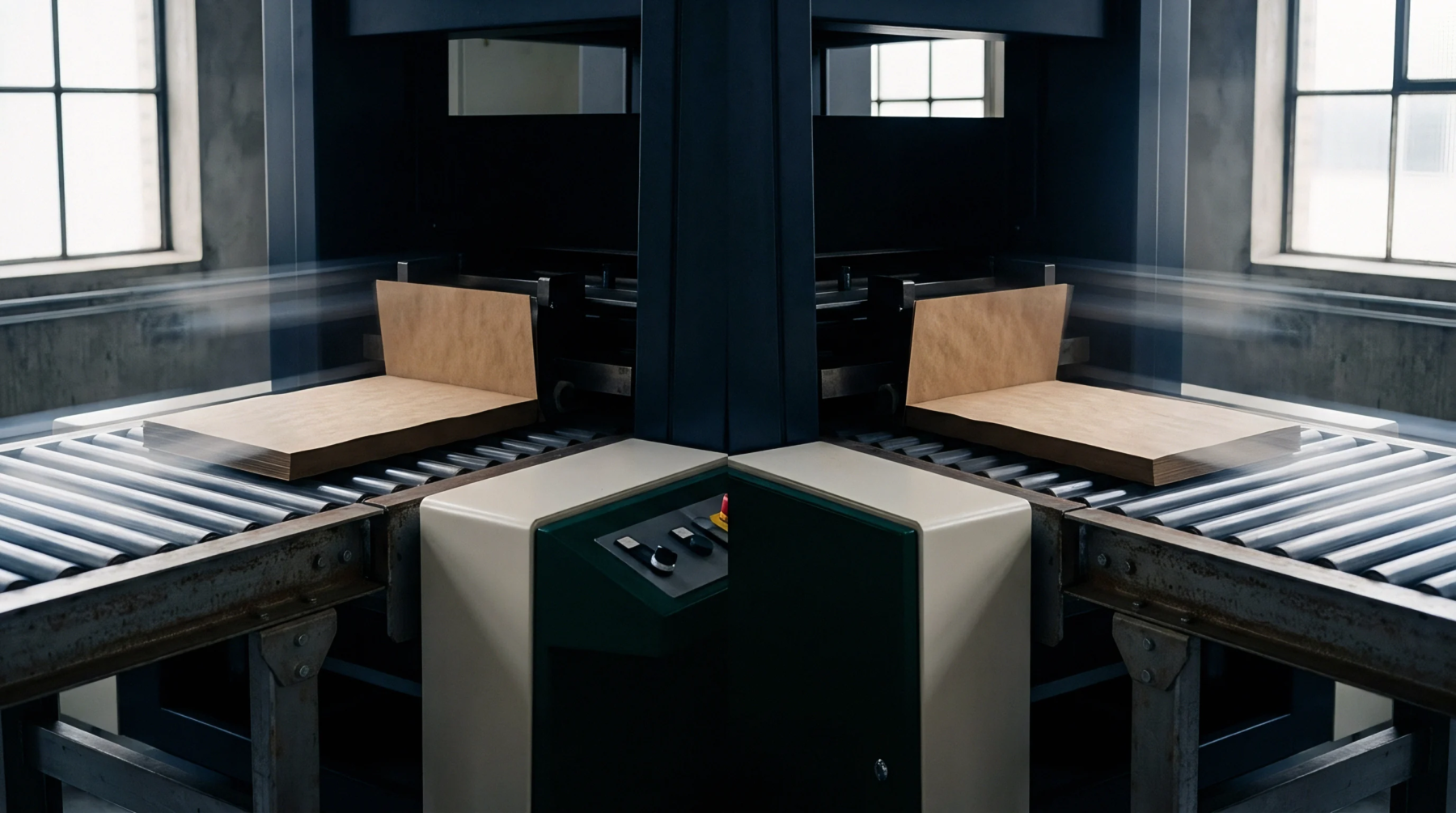
Selective z-directional moisture and thermal calendering plasticizes outer chemical plies to optimize surface smoothness while preserving mechanical core bulk and stiffness.

Surfactant diffusion kinetics govern dynamic surface tension within millisecond curtain residence times, dictating high-speed air entrainment speed thresholds.

Water-based dispersion coatings achieve food barrier requirements while maintaining full fiber repulpability and standard mill recovery yields.
Dynamic tone expansion modeling across recycled fiber matrices requires coupling transient capillary suction with viscoelastic nip deformation metrics.
Expertise is a utility, not a secret. sentiention™ publishes its working knowledge as open reference: intelligence layer covering the materials it sources, the markets it enters, and the reference that serves both.