Sheet Surface Finishing
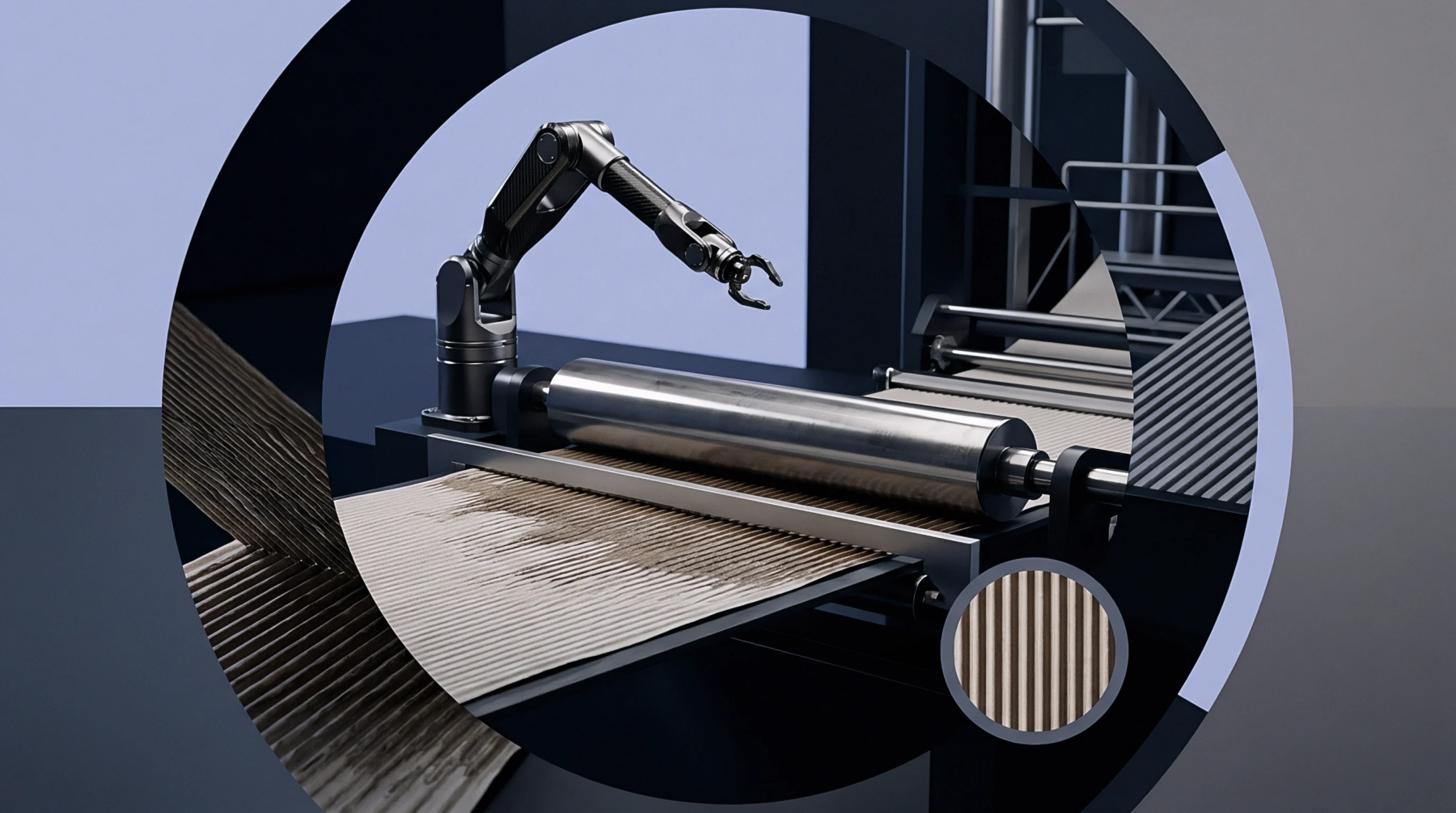
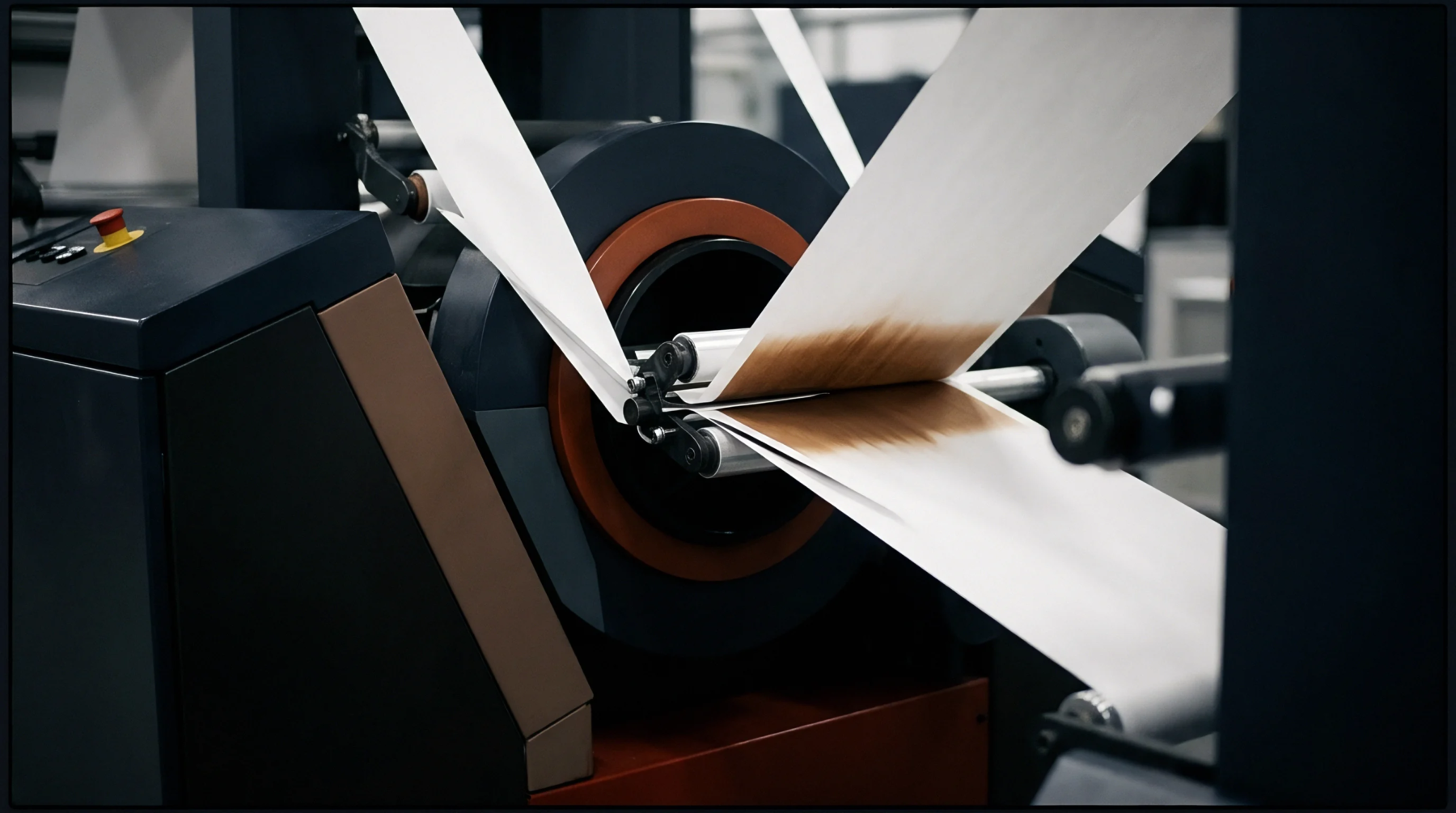
Mechanical treatment of paper and board webs between a heated steel roll and a soft, compliant roll improves smoothness without collapsing the bulk. This processing step, known as soft-nip calendering, applies uniform pressure to the surface of the sheet by allowing the compliant roll to deform slightly around the thickness variations of the board. This action preserves the internal structure and stiffness while enhancing the printability of the outer surface, making it superior to traditional steel-on-steel finishing methods.
Operational Variables
Control of the process relies on adjusting the temperature of the steel roll, the line pressure and the moisture content of the web. The heated roll softens the surface fibers, which allows them to be smoothed more easily under the nip pressure. Because the nip is wider than that of a hard-nip calender, the pressure is distributed more evenly, preventing the creation of dense, low-stiffness spots.
Print Quality Output
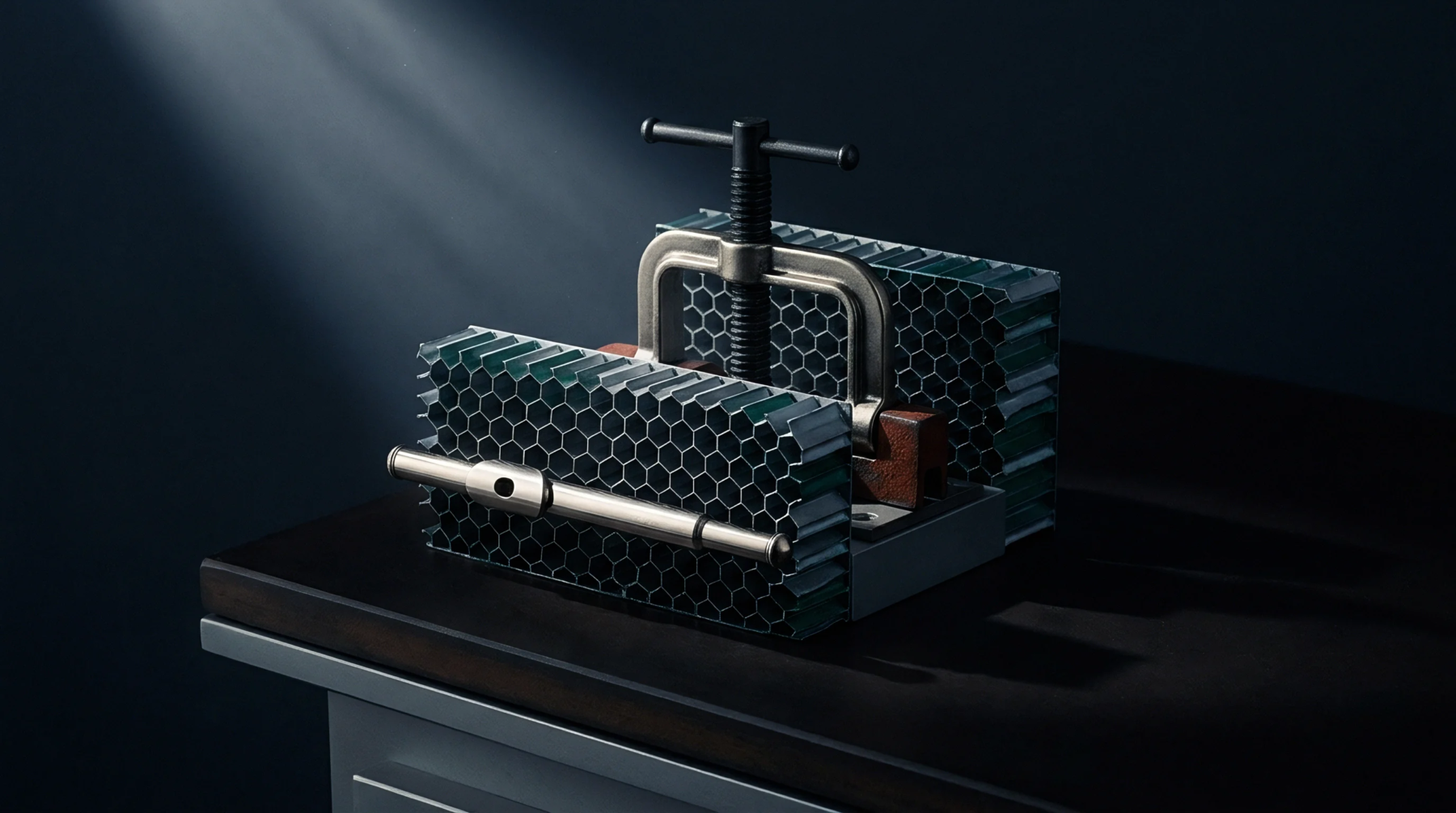
Smooth boards produced by this method accept coating layers more evenly, resulting in a high-gloss finish. This surface treatment is particularly important for folding boxboards used in luxury retail packaging where high-quality print is required. Maintaining the bulk ensures that the finished carton has the necessary stiffness to withstand handling.