Mechanical Deviation
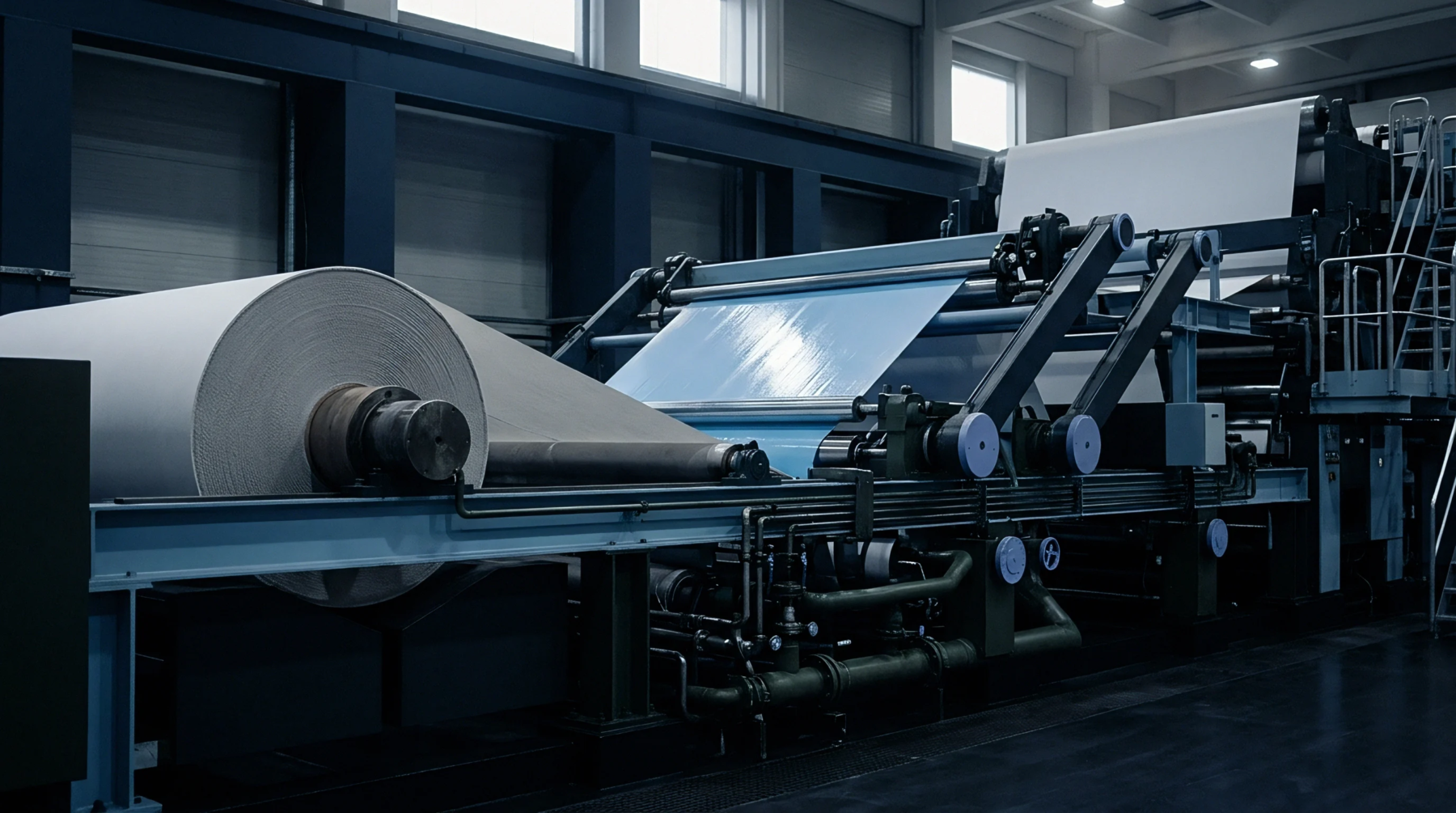
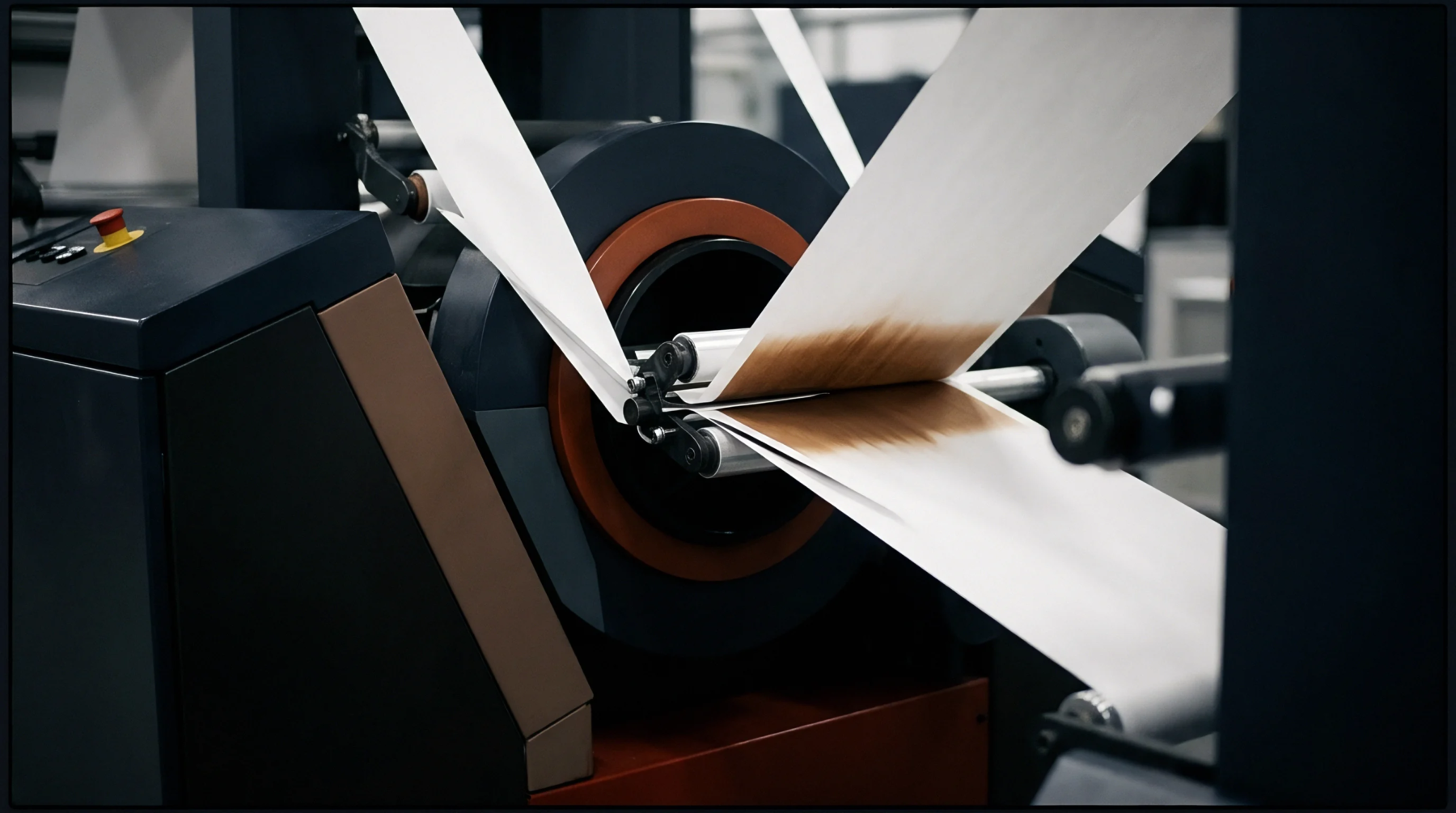
Vertical oscillation of a continuous substrate across the unsupported spans of a printing press or finishing line defines web flutter. Uncontrolled motion of the paper path frequently arises during high speed transport as air currents beneath the sheet create pressure differentials that force the material to ripple. This web flutter undermines register accuracy by changing the physical distance between the substrate and the print cylinders or imaging heads at the point of transfer.
Tension control systems and static air guides counteract these forces by holding the path against the rollers. When the tension falls below the threshold required to dampen aeroelastic instability, the path oscillates in a wave pattern that ruins image placement and disrupts uniform coating application.
Oscillation Metric
Quantification of the amplitude and frequency of these vibrations depends on laser displacement sensors positioned near the center of the longest free draw between two driven rollers. Measurement data records the vertical displacement relative to a stable baseline when the production speed approaches the design limit of the machinery. High sampling rates detect the onset of harmonic resonance that precedes a web break or a catastrophic loss of image alignment.
Engineers calculate the critical speed where the energy from air turbulence exceeds the restorative force of the longitudinal tension applied by the motor drives. Shifts in the weight or porosity of the substrate alter the frequency response, requiring a recalibration of the tension profile to maintain operational stability. Constant monitoring allows the operator to observe the interaction between machine air currents and the specific properties of the paper grade running through the press.
Production Boundary
Prevention of sheet instability relies on the proximity of stationary supports or vacuum zones that restrict the movement of the material span. Limits on the unsupported span length determine the maximum velocity a particular press configuration achieves before oscillation becomes uncontrollable. Short spans reduce the surface area available for air pressure buildup, thereby raising the critical speed threshold for the process.
Proper adjustment of the web tension prevents the formation of ripples even if the material displays high sensitivity to airflow. A rigid tension environment ensures that the substrate remains flat and stable during the entire printing sequence.