Real Time Thermal Expansion and Optical Path Dispersion Compensation in High Speed Continuous Web Metrology
Dynamic boundary layer index correction and substrate thermal expansion scaling eliminate false caliper drift and lateral trim waste in high-speed web metrology.
Heat
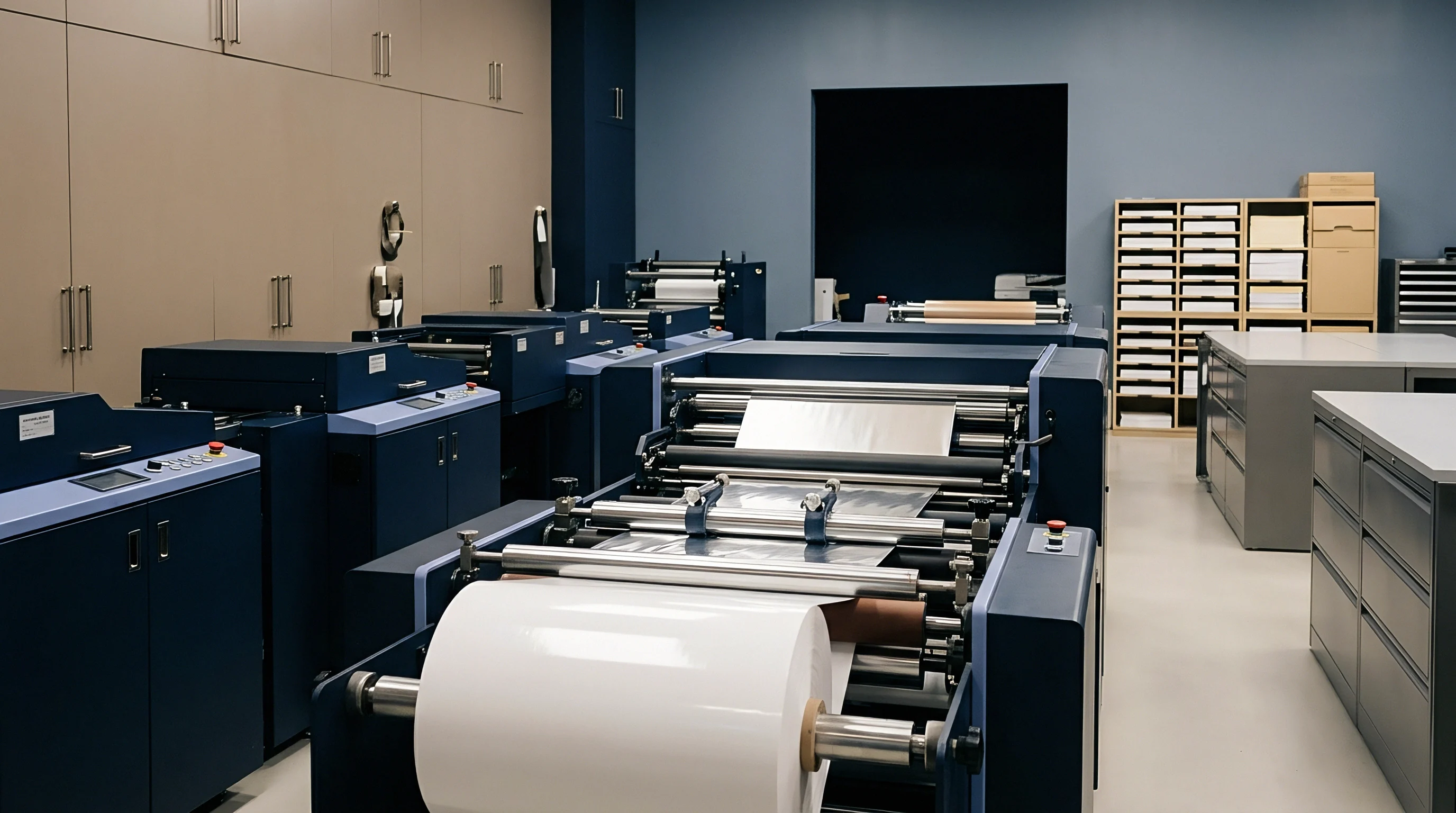
An infrared thermometer sweeping across a bleached packaging board web running at 800 metres per minute registers a temperature gradient shifting from 24 degrees Celsius at the unwind stand to 88 degrees Celsius exiting the flotation dryer. The optical sensor head positioned ten millimetres above the moving sheet captures reflections through a turbulent boundary layer whose temperature exceeds ambient factory air by 45 degrees Celsius. Under these conditions, the physical dimension of the web expands across the transverse direction while the optical measurement beam experiences index refraction drift through the heated air column.
Thermal expansion creates false thickness.
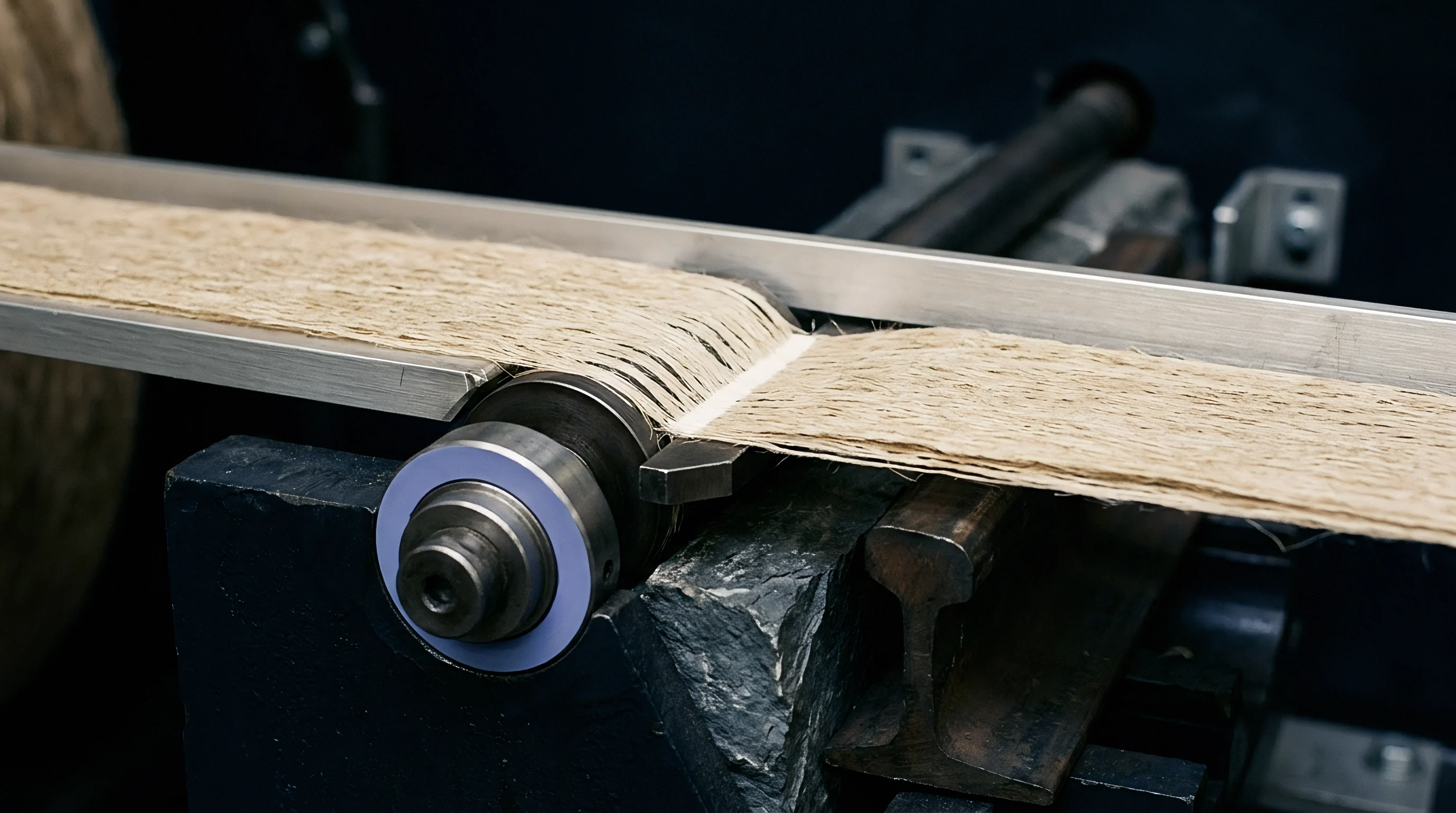
Transverse thermal expansion in cellulosic webs follows the orientation of the fibres established on the forming wire. Machine direction orientation restrains expansion longitudinally under high web tension, while the cross machine direction remains free to expand outward against minimal lateral restraint. Linear coefficients of thermal expansion for chemical pulp packaging boards range between 12 and 28 parts per million per Kelvin in the cross direction under dry conditions, measured according to ISO 5636-5 gas permeability and thermal dilatometry protocols.
Line stops cause localized scorching.
Web temperature differentials alter mechanical dimension before moisture sorption completes its cycle.
When the moving substrate passes through drying tunnels or heated calender nips, radiant and conductive energy drives moisture out while elevating the web bulk temperature. Web temperature climbs rapidly. If an optical sensor head measures board caliper using laser triangulation without thermal compensation, an uncompensated web expansion of 0.05 percent across a 2.4-metre trim width represents an absolute transverse growth of 1.2 millimetres.
That dimensional shift displaces printed target registers, skews edge-trim lines, and corrupts basis weight profile mapping back to slice lip actuators on the headbox.
Operating a continuous optical metrology frame across fluctuating thermal zones introduces structural displacement within the scanning bridge itself. Carbon-fibre sensor carriages exhibit low thermal expansion coefficients of 1.2 parts per million per Kelvin, yet steel support beams expand at 11.5 parts per million per Kelvin. A factory hall temperature swing of 6 degrees Celsius across an eight-hour shift lengthens a nine-metre scanner frame by 0.62 millimetres, misaligning optical transmitter and receiver pairs across the measuring gap.
Tension masks transverse thermal creep.
Failure to correct for web expansion along the thermal trajectory leads directly to slitter jam events, out-of-square sheet converting, and continuous dispute over out-of-gauge caliper claims during reel delivery audit.
Path
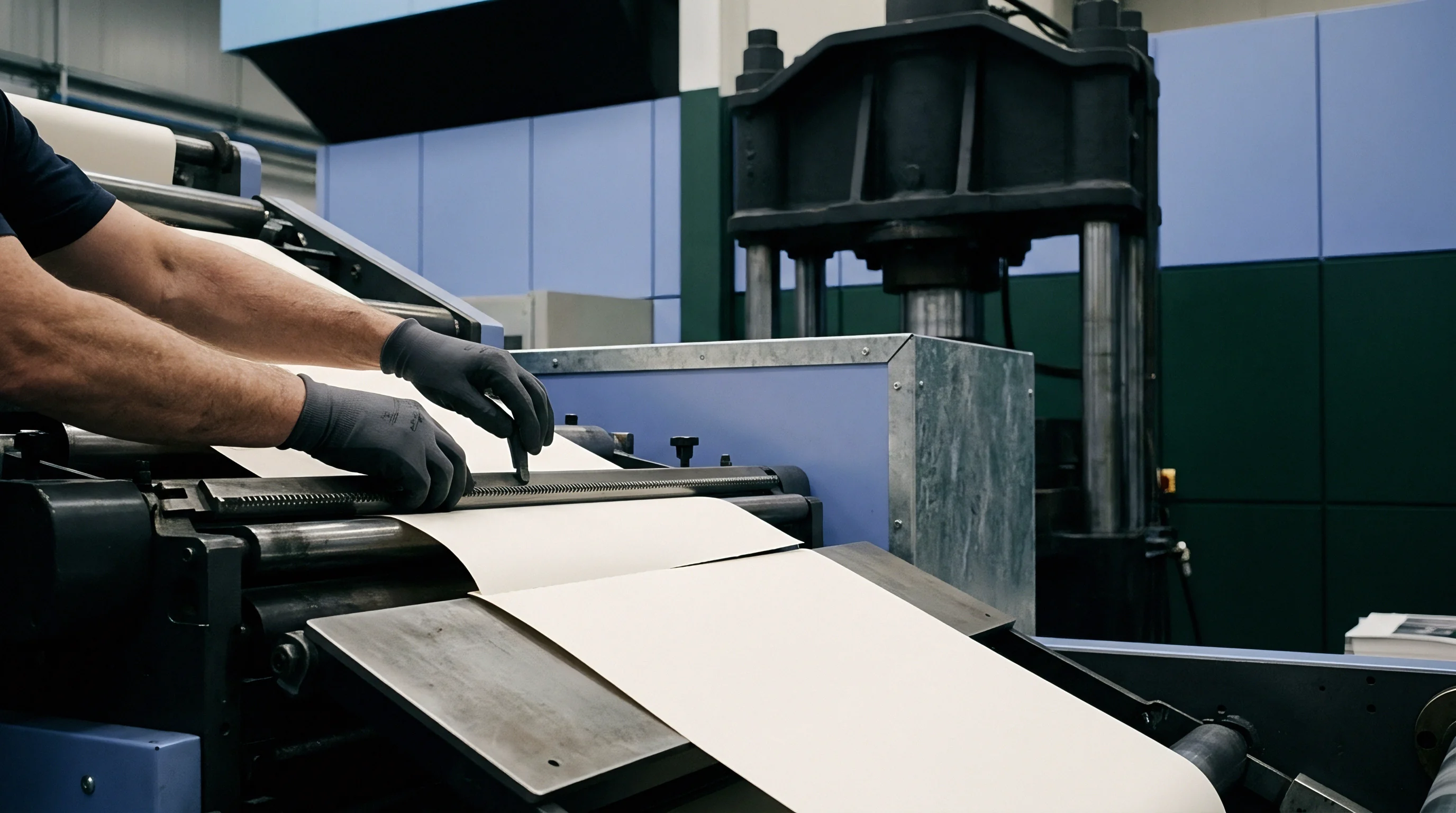
The refractive index of air within the optical gap governs the elapsed flight time and angular deviation of coherent light beams directed at the moving paper surface. As the web heats the adjacent air boundary layer, the localized air density drops, lowering the local refractive index according to the Edlén equation. A laser interferometer or spectral reflectance gauge calibrated for ambient conditions at 20 degrees Celsius registers a phase advancement through heated air that imitates a physical reduction in substrate thickness.
Air density changes index values.
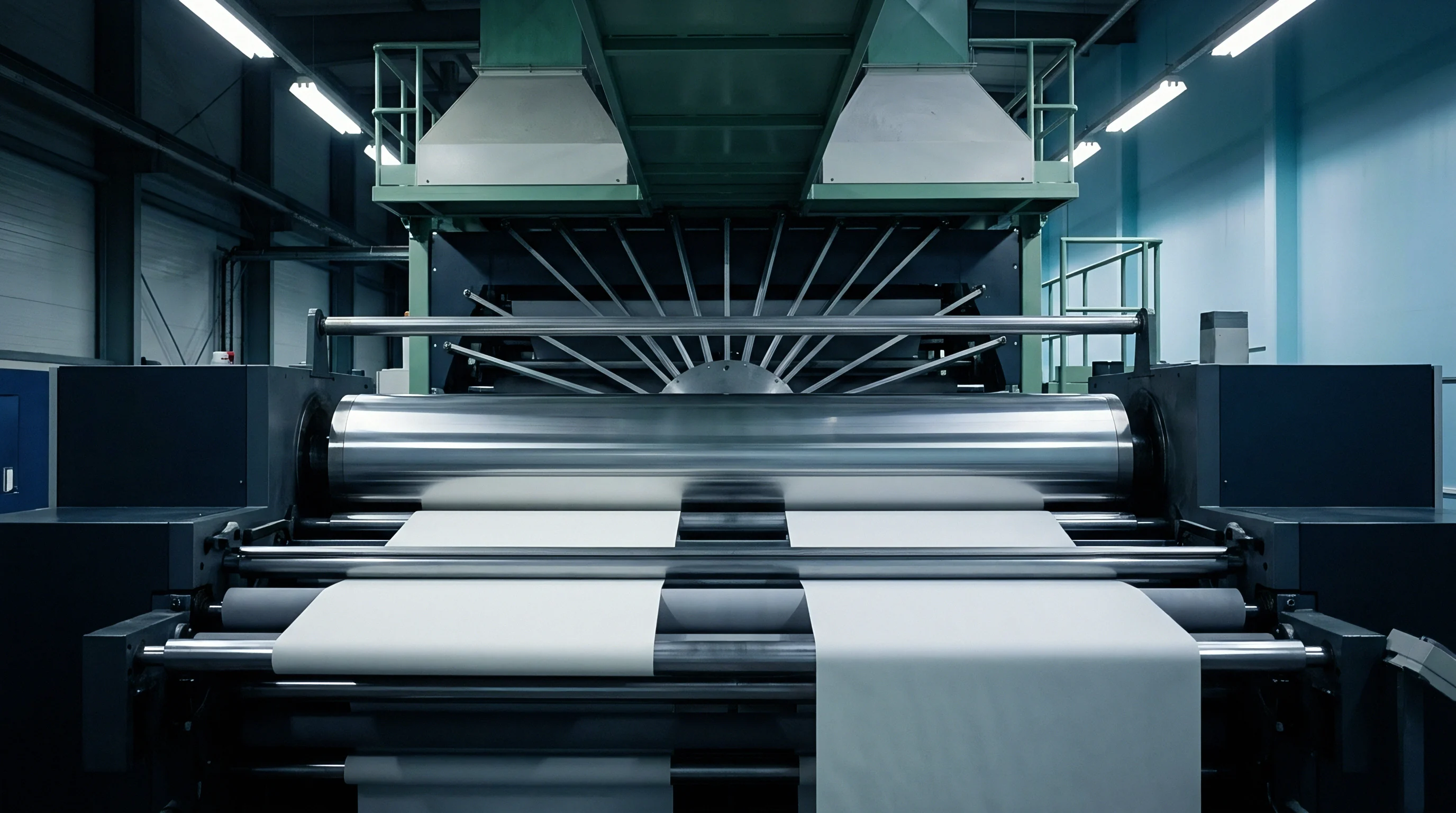
Which Physical Variables Distort Optical Path Lengths?
Light traversing a heated, high-speed boundary layer encounters both thermodynamic and chromatic alterations. The wavelength dependence of the refractive index across the optical spectrum produces chromatic dispersion, separating broadband inspection light into differential phase fronts. Sensor heads running chromatic confocal displacement metrology or white-light interferometry depend on deterministic wavelength-to-height coding.
Fast webs drag boundary layers.
| Wavelength (nm) | Air Temp (deg C) | Refractive Index | Group Index Shift | Apparent Path Error (nm/mm) |
|---|---|---|---|---|
| 405 | 20 | 1.0002821 | 0.0000000 | 0.00 |
| 405 | 65 | 1.0002446 | -0.0000375 | -37.50 |
| 633 | 20 | 1.0002765 | 0.0000000 | 0.00 |
| 633 | 65 | 1.0002398 | -0.0000367 | -36.70 |
| 850 | 20 | 1.0002741 | 0.0000000 | 0.00 |
| 850 | 65 | 1.0002377 | -0.0000364 | -36.40 |
| 1310 | 20 | 1.0002728 | 0.0000000 | 0.00 |
| 1310 | 65 | 1.0002366 | -0.0000362 | -36.20 |
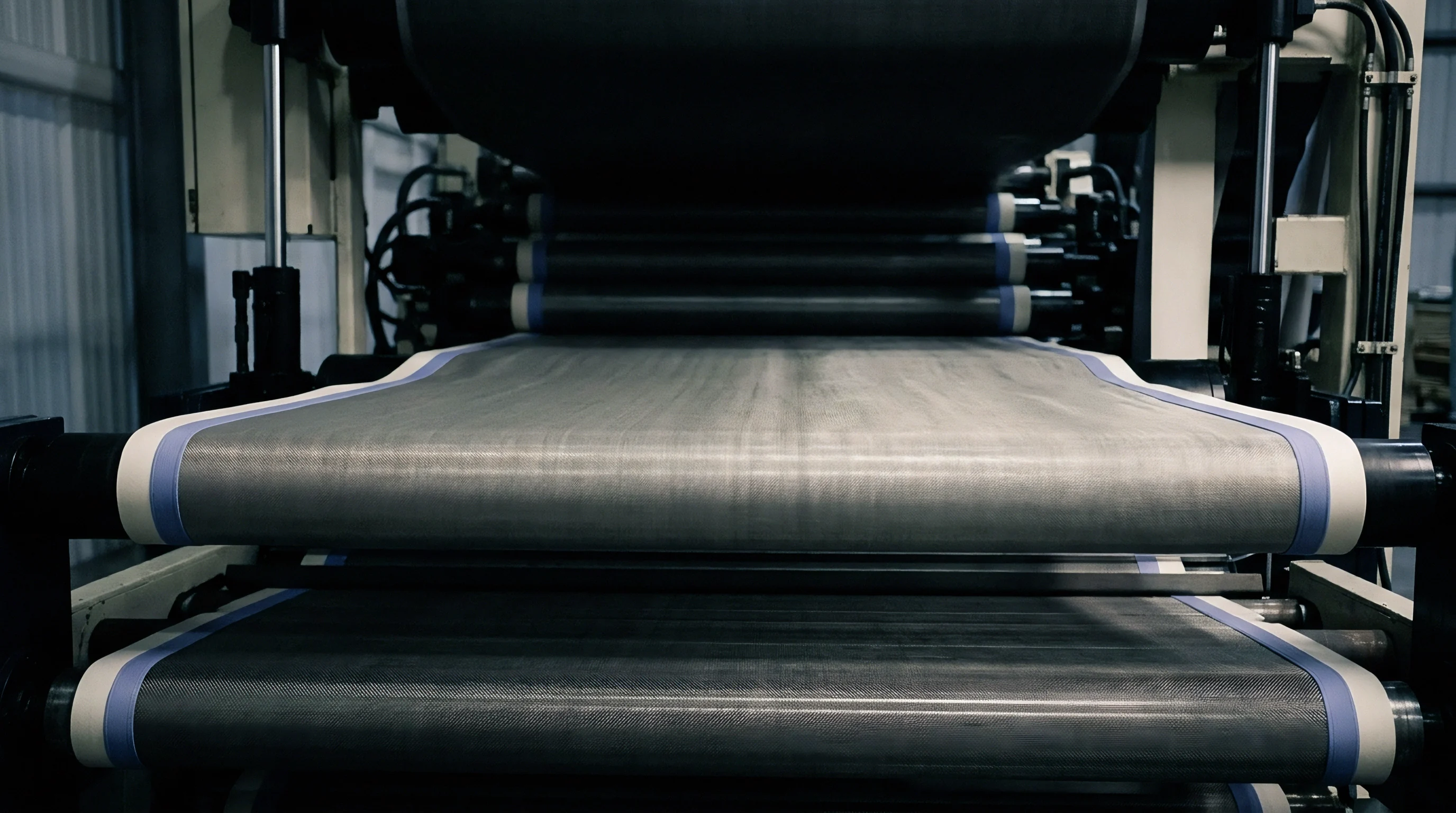
The boundary layer dragged along the surface of a continuous web running above 500 metres per minute forms a laminar sublayer transitioning into chaotic turbulent micro-eddies. These thermal micro-eddies cause beam wander and high-frequency phase noise on the receiver photodiode array. The metrology system interprets these rapid fluctuations as surface roughness rather than optical transit noise, prompting line operators to alter calender roll loading unnecessarily.
Mill rolls carry latent strain.
- Thermal boundary shear generates refractive index fluctuations across the first three millimetres of the optical inspection path.
- Chromatic phase lag shifts wavelength calibration curves on confocal displacement sensors when web temperatures exceed 50 degrees Celsius.
- Mechanical frame expansion changes the geometrical distance between opposing transmitter and receiver heads during long production runs.
- Turbulent air density eddies scatter coherent laser rays, degrading signal amplitude and introducing false micro-roughness readings.
Gauging vendors often explain away persistent cross-deckle thickness variations as uncalibrated substrate absorption rather than admitting that their optical paths lack boundary layer thermal compensation.
Furnish
Cellulose fibres, synthetic polymer films, and mineral coatings respond divergently to the thermal and optical stresses present on high-speed web converting lines. Solid bleached sulphate board made from virgin hardwood and softwood chemical pulps exhibits high dimensional stability compared to multi-ply coated recycled paperboard. Recycled fibres possess lower internal bonding, shorter mean fibre lengths, and higher filler burdens, leading to exaggerated hygrothermal deformation under metrology inspection zones.
Fibre orientation dictates stability.
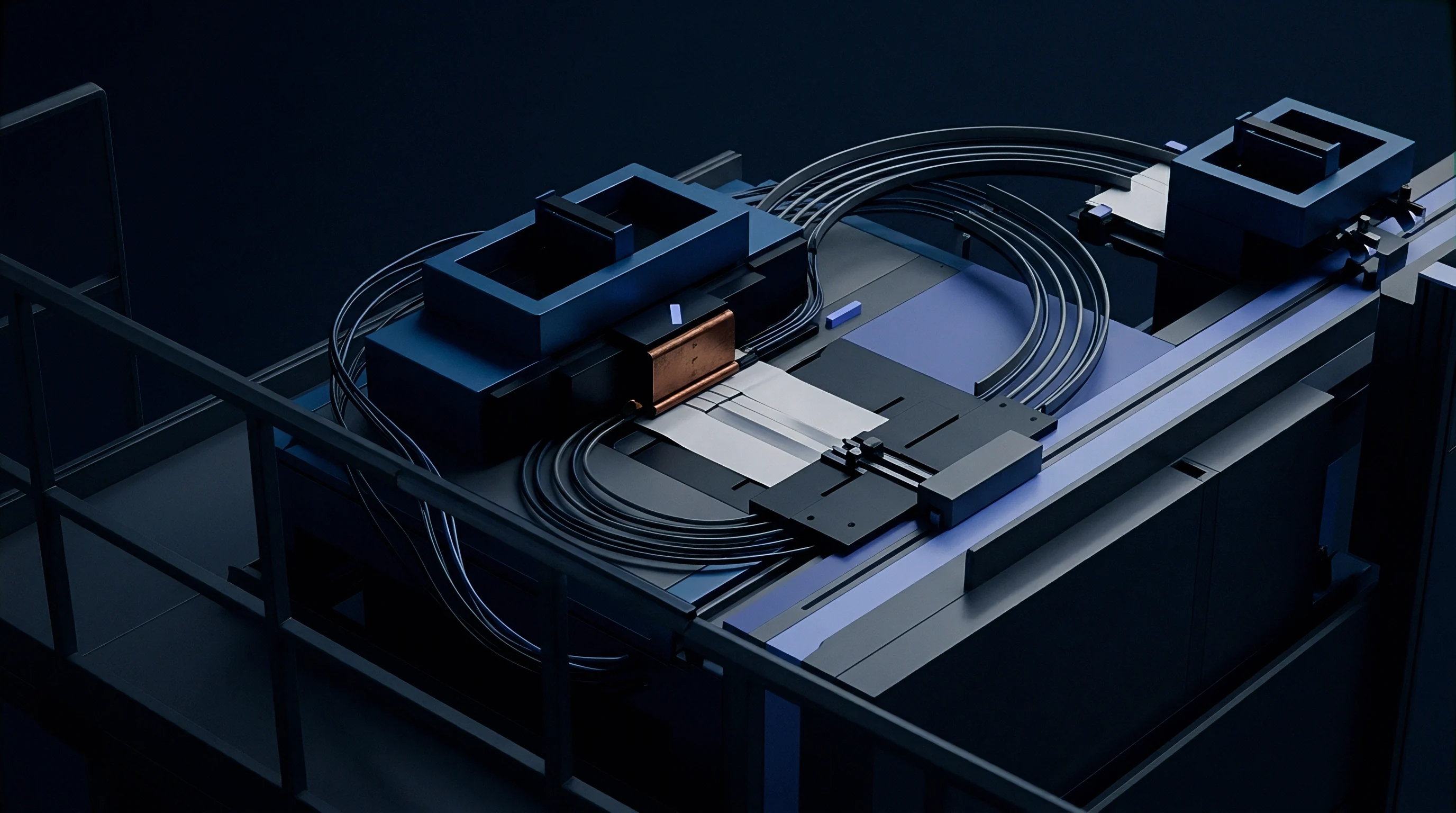
What Material Properties Dictate Transient Web Expansion?
A furnish containing 25 percent precipitated calcium carbonate filler exhibits a lower thermal expansion coefficient than an unfilled kraft sheet, yet its opacity and light-scattering coefficient rise dramatically under ISO 2471 testing. High filler content reduces thermal expansion while increasing surface scattering, which degrades the signal-to-noise ratio of optical triangulation gauges. Dry sheets absorb radiation unevenly.
Coated board with synthetic binder systems exhibits anisotropic thermal creep under elevated web drying tensions.
| Substrate Grade | Grammage (g/m2) | CD CTE (ppm/K) | Reflectance (%) | Refractive Index |
|---|---|---|---|---|
| Solid Bleached Sulphate | 260 | 16.5 | 88.2 | 1.53 |
| Coated Recycled Board | 350 | 24.8 | 79.4 | 1.51 |
| Glassine Release Paper | 62 | 9.2 | 54.0 | 1.56 |
| BOPP Laminated Kraft | 140 | 38.2 | 84.5 | 1.49 |
| Unbleached Sack Kraft | 90 | 14.1 | 22.5 | 1.54 |
Polymer barrier laminations introduce severe thermal expansion mismatches against paperboard bases. Biaxially oriented polypropylene exhibits a linear coefficient of thermal expansion exceeding 100 parts per million per Kelvin. When a poly-laminated web exits an extrusion coater at 75 degrees Celsius, the polymer layer contracts rapidly upon chilling while the paper base resists dimensional change.
Calender stacks introduce persistent stress.
- Fibre orientation indexing establishes the baseline ratio of machine-direction to cross-direction dimensional stability before thermal exposure.
- Filler content determination separates mineral pigment optical refraction from base furnish thermodynamic movement during drying cycles.
- Moisture equilibrium verification isolates true thermal expansion from hygroexpansion transients across high-velocity hot air hoods.
- Surface coating characterisation confirms whether refractive index transitions occur within the coating layer or the base paper matrix.
Dense glassine release liners run flat and expand uniformly under heat, whereas loose recycled boards cup and twist across transverse temperature profiles.
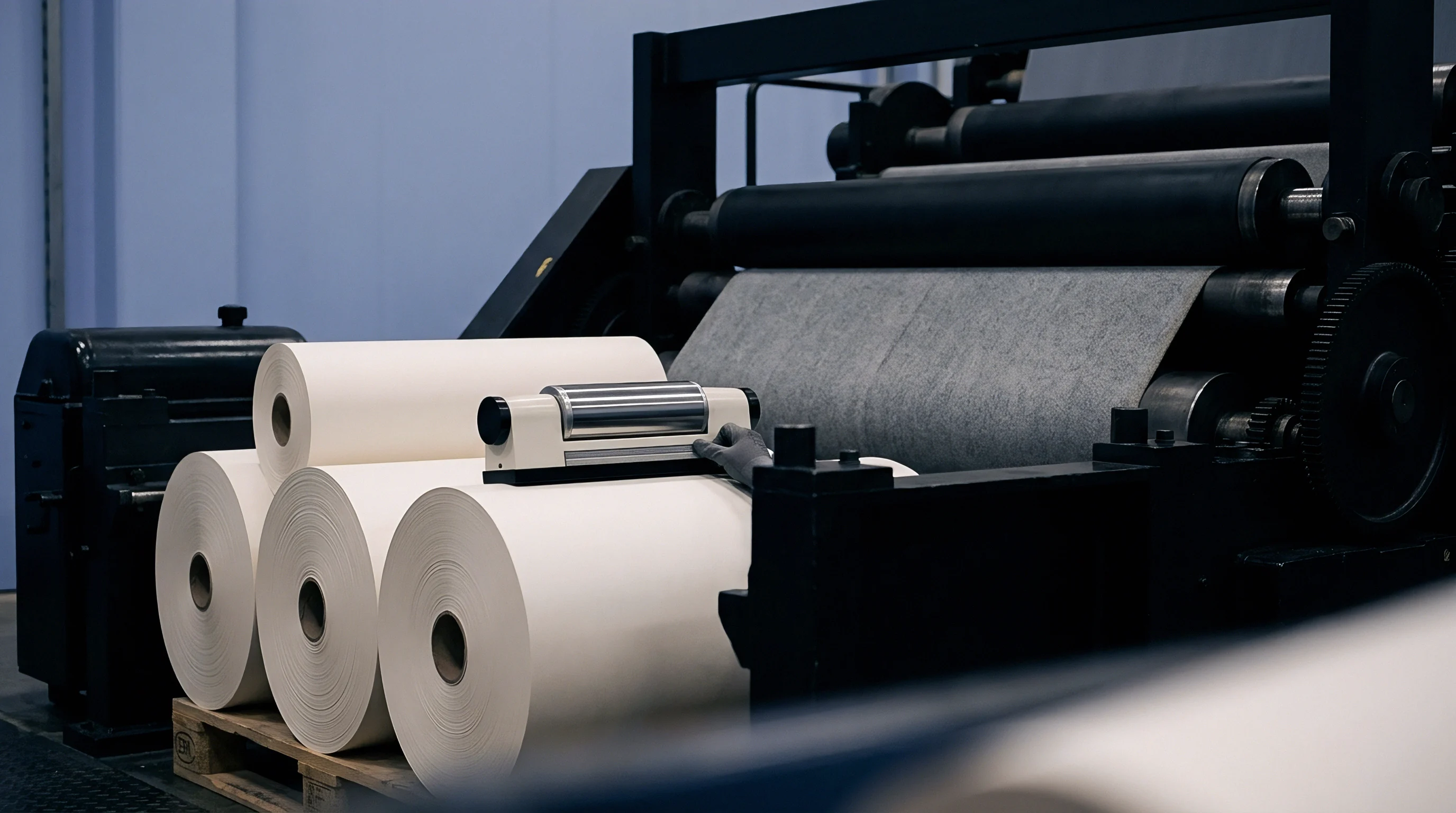
Correction
Compensating for thermal expansion and optical dispersion requires simultaneous real-time monitoring of web temperature, optical gap air conditions, and web transport velocity. Modern metrology frames integrate dual-wavelength optical paths, where a reference wavelength insensitive to air temperature shifts tracks geometric gap distance while a measurement wavelength gauges substrate properties. Heat alters caliper readout accuracy.
Take a 260 gram per square metre solid bleached sulphate packaging board running on a coating line at 750 metres per minute across a 2.1-metre deckle width. The unwind zone operates at 22 degrees Celsius, while the infrared drying tunnel heats the sheet surface to 77 degrees Celsius, producing a thermal differential of 55 Kelvin. Under a cross-direction thermal expansion coefficient of 18 parts per million per Kelvin, the transverse dimensional change calculates directly: 2.1 metres multiplied by 55 Kelvin multiplied by 18 parts per million per Kelvin yields an absolute expansion of 2.079 millimetres.
Edge trim waste accumulates rapidly.
Dual-wavelength referencing cancels optical path dispersion errors across temperature differentials up to 80 degrees Celsius.
The optical path error within a five-millimetre measuring gap over this same temperature rise demands equal scrutiny. Heated boundary layer air causes an index drop of 0.000036 relative to ambient room air, shortening the optical path length by 180 nanometres. In a high-precision chromatic confocal system measuring total board thickness of 320 micrometres, an uncorrected 180-nanometre shift represents an artificial caliper error of 0.056 percent.
The metrology processor runs correction algorithms that adjust the spatial coordinate matrix via look-up tables populated from online infrared pyrometer arrays.
Real-time compensation execution relies on a multi-stage sequential control structure:
- Boundary layer temperature tracking captures localized air temperature profiles across the web scan path using multi-channel infrared pyrometers.
- Refractive index calculation applies the Edlén formula dynamically to calculate the exact group refractive index for each metrology wavelength.
- Geometric frame expansion compensation adjusts bridge displacement sensors using invar reference bars embedded inside the traversing carriage.
- Substrate thermal matrix scaling recalculates true baseline caliper and width by dividing raw optical values by the product of temperature change and furnish expansion coefficients.
Metrology systems failing to integrate high-speed boundary layer air velocity sensors leave unaddressed the degree to which non-laminar turbulent shears corrupt dispersion compensation at line speeds surpassing 1000 metres per minute.

Scale
Converting lines running uncompensated optical metrology accumulate substantial commercial losses through conservative over-trimming and rejected finished reels. When slitter systems lack real-time thermal expansion tracking, converting engineers deliberately program 15 to 25 millimetres of excess edge trim to ensure finished rolls meet minimum cut-width specifications. Slitter blades punish uncompensated wander.
| Trim Defect Source | Lateral Drift (mm) | Yield Loss (%) | Monthly Waste (Tonnes) | Landed Cost Loss ($) |
|---|---|---|---|---|
| Uncorrected Web Expansion | 3.5 | 0.14 | 17.5 | 21,875 |
| Optical Path Caliper Drift | 1.8 | 0.07 | 8.7 | 10,875 |
| Bridge Thermal Warping | 2.2 | 0.09 | 11.2 | 14,000 |
| Cumulative Metrology Error | 7.5 | 0.30 | 37.4 | 46,750 |
Purchasing managers evaluating paperboard supply agreements often encounter off-specification caliper rejections stemming entirely from measurement frame thermal drift at the converting mill. Integrating certified real-time thermal and dispersion compensation hardware directly into machine line specifications protects buyers against invalid non-conformance disputes.
Section 4.2 of European Standard EN 12281 explicitly mandates test conditioning at 23 degrees Celsius and 50 percent relative humidity, establishing that online high-speed metrology readings lacking mathematical normalization back to reference room equilibrium hold no legal standing in commercial arbitration.