Optical Profiling
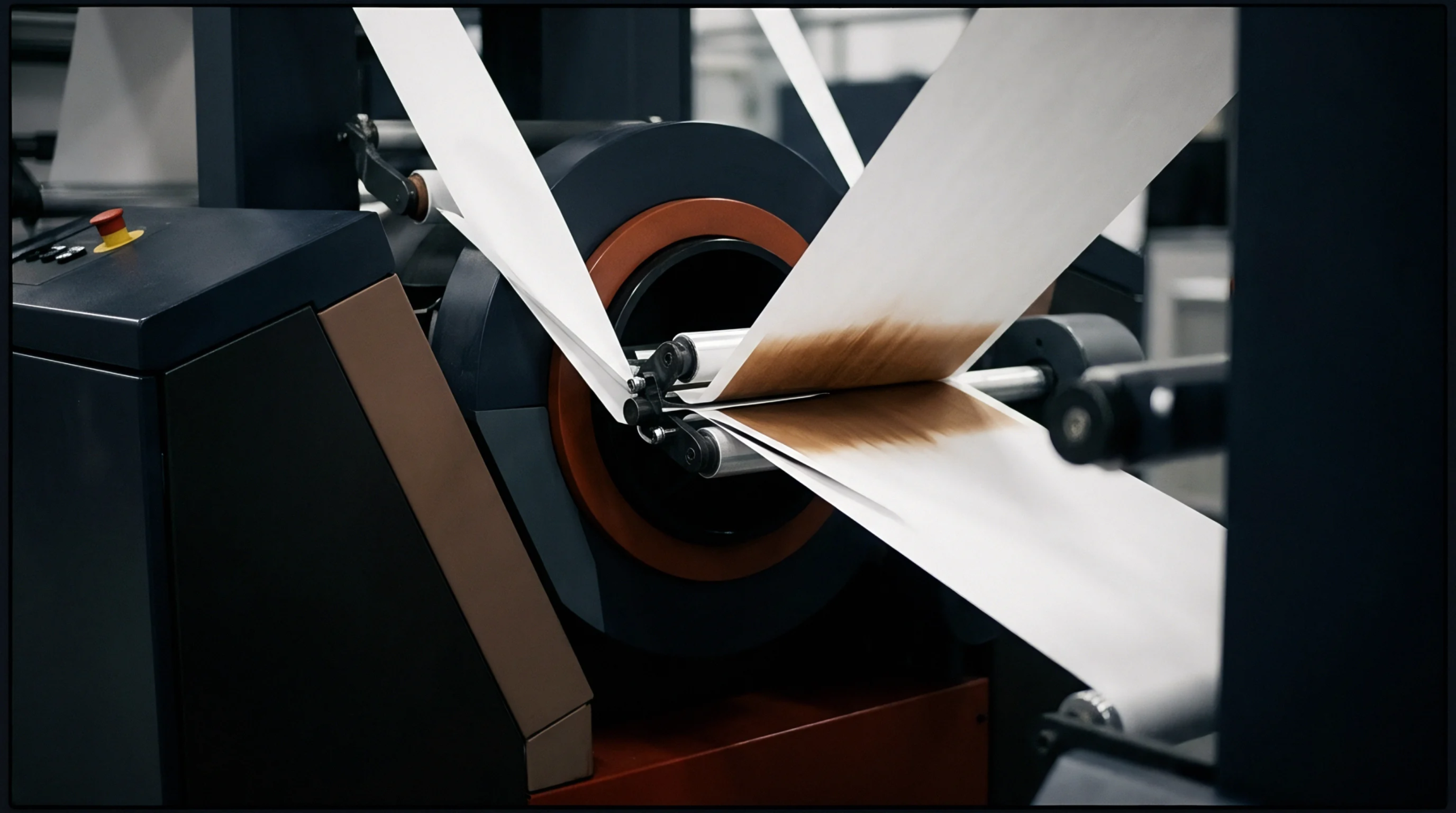
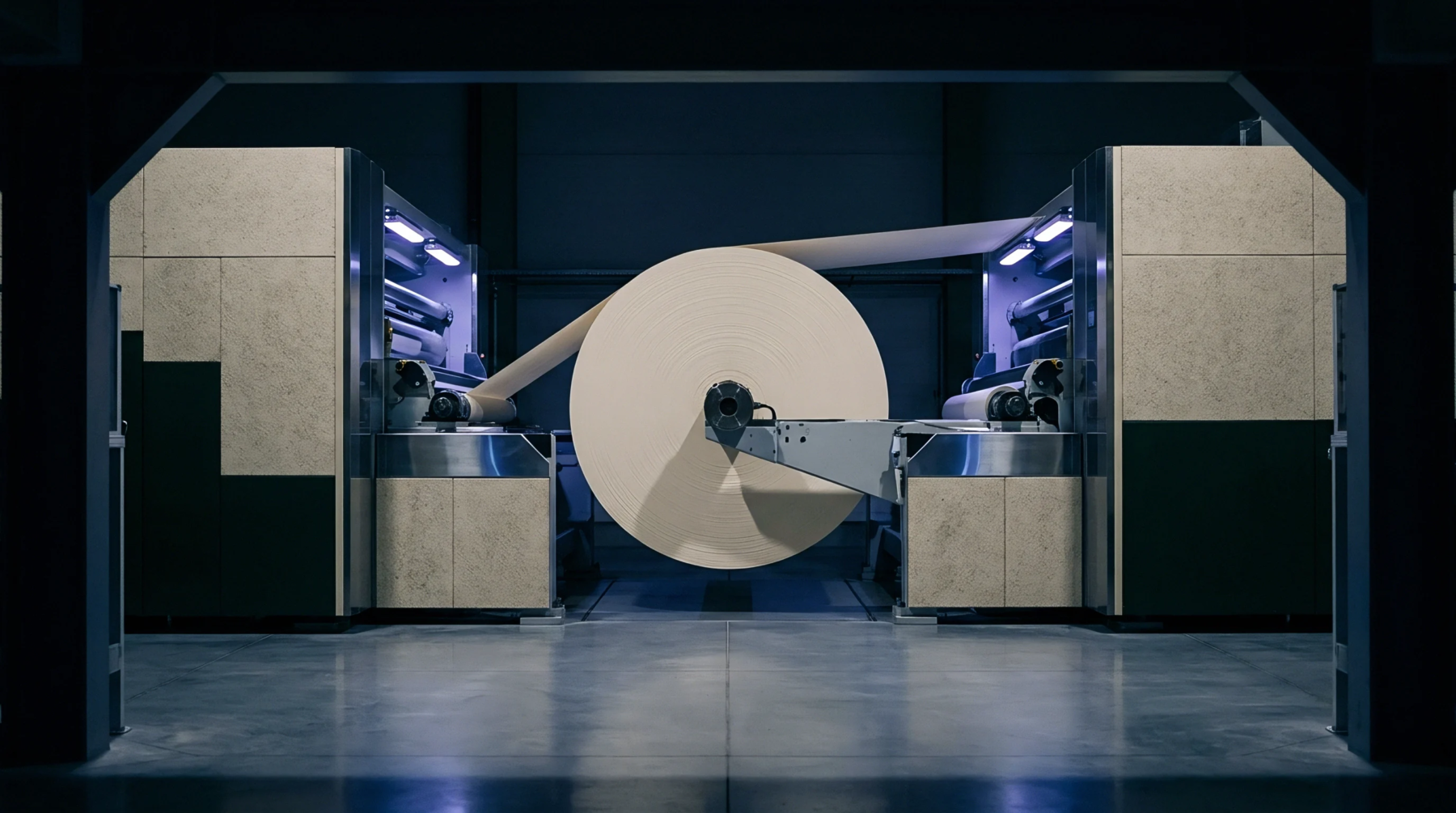
Optical profiling relies on laser triangulation to measure surface topography on packaging substrates and converting lines where micron level precision dictates mechanical bonding. A coherent light beam projects onto the moving web at a fixed angle, and an optical sensor captures the reflected photon scatter to compute distance through geometric angles. This method resolves micro-defects in high speed paperboard extrusion coating because thermal degradation creates subtle caliper variations across the web width.
Caliper drift triggers immediate corrective feedback loops in automated doctor blade assemblies to restore uniform resin distribution. Production engineers apply the calculated height profiles to verify that barrier laminates maintain structural integrity under mechanical tension.
Scan Resolution
Sampling frequency dictates whether the sensor detects fine surface anomalies or averages them out during high speed folding carton manufacturing. Processing units convert analog voltage signals from the detector array into digital elevation maps through discrete Fourier transforms. High frequency modulation prevents ambient plant lighting from corrupting the fringe pattern projected onto matte substrates.
Sensor calibration must occur before every production run to account for thermal expansion within the optical housing. Substrate flutter introduces measurement noise that digital low pass filters must attenuate without smoothing out genuine embossing features.
Error Margin
Measurement stability depends heavily on optical scattering properties inherent to coated folding boxboard and metallic foils. Specular reflection from glossy surfaces saturates the sensor array, so engineers adjust laser diode power dynamically to prevent clipping. High absorption rates in dark kraft papers reduce signal return strength and increase random jitter in the calculated distance values.
Optical geometry dictates that shadow effects occur behind steep surface ridges, leaving blind spots where the sensor registers zero height. Thermal gradients near the drying tunnel cause air density fluctuations that bend the laser beam and introduce systematic bias into the topological reconstruction.