Caliper Determination
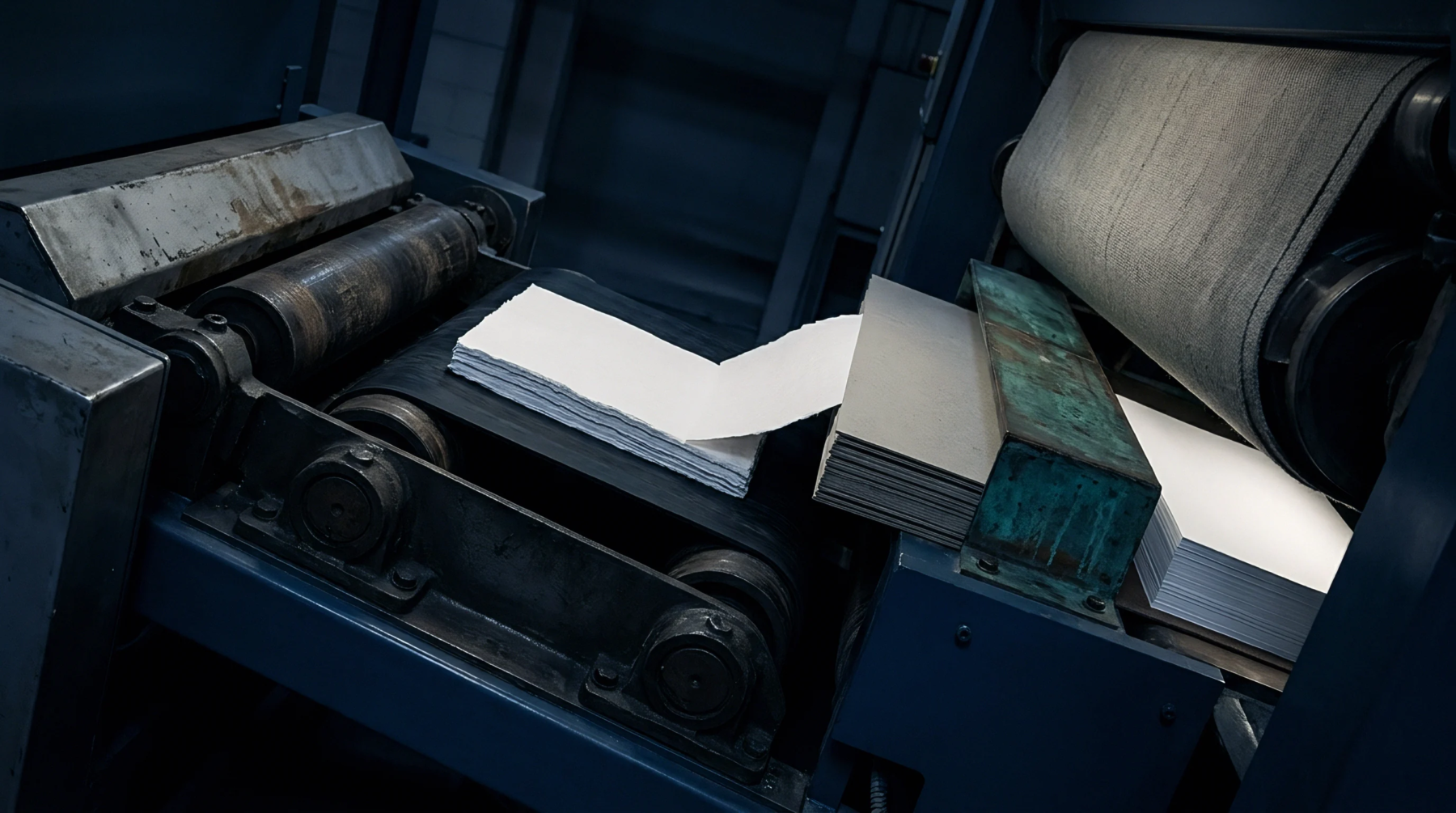
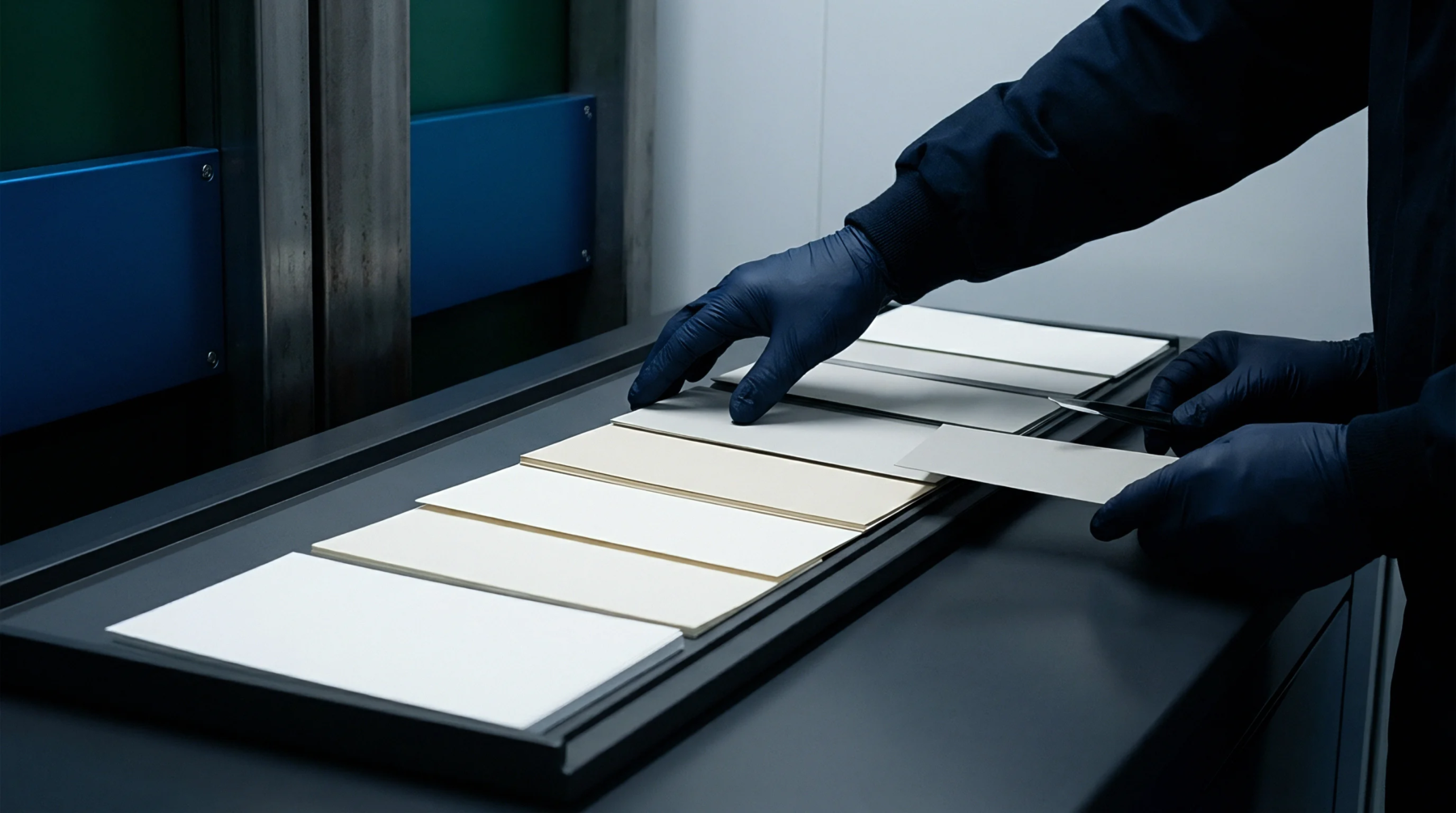
Thickness measurement under specified mechanical loading defines the structural dimension for paper converting lines and carton manufacturers. TAPPI T 411 establishes the standardized pressure and foot area required to yield repeatable caliper values for paper and paperboard. Converters rely on this standard to verify that incoming parent rolls match purchasing specifications before lamination or printing begins.
Variations in caliper directly alter stiffness and creasing behavior on high speed packaging machinery. Operators adjust calender stacks at the wet end of the papermaking machine when deviation exceeds mill tolerances.
Compressive Deflection
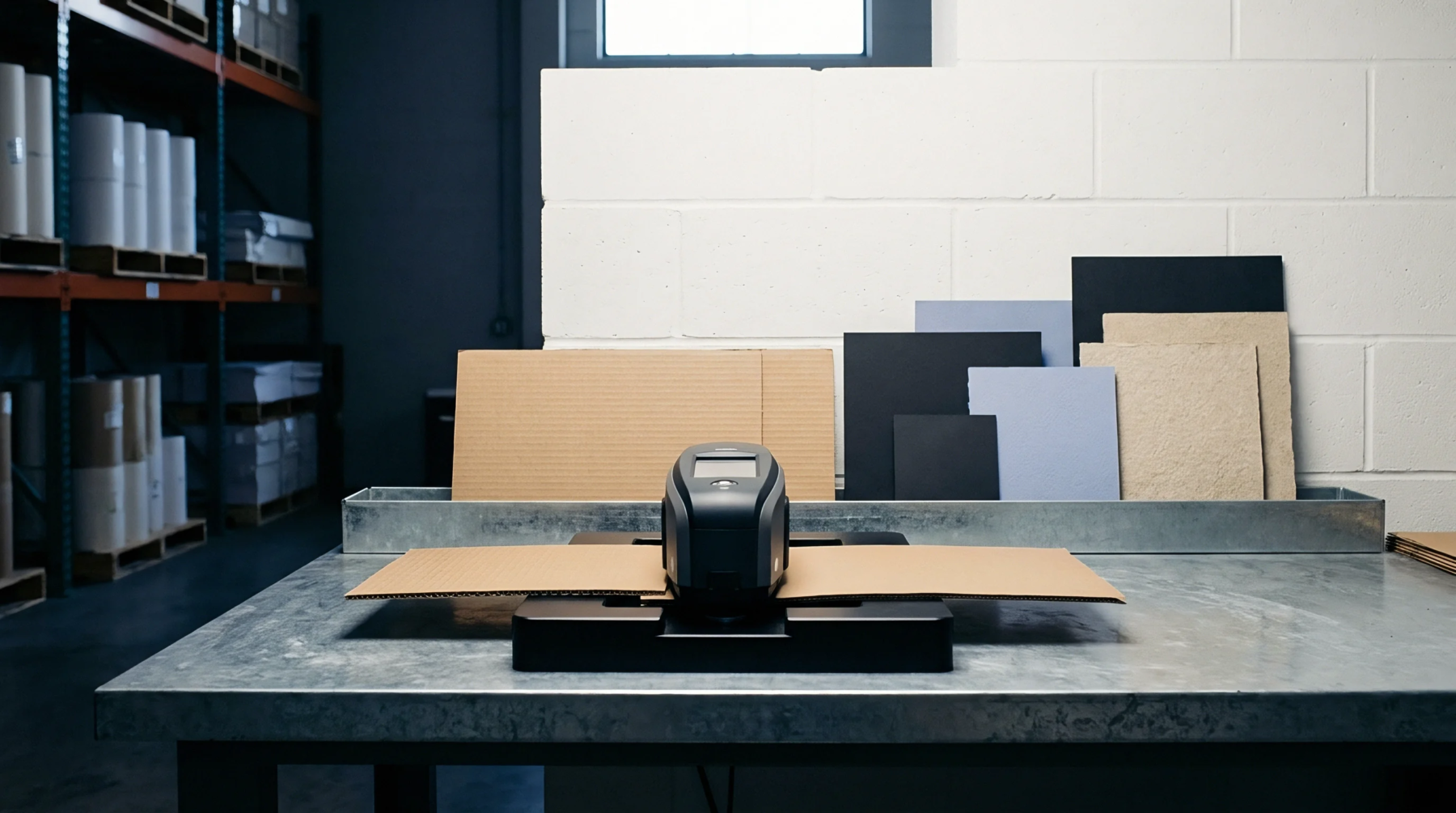
Mechanical resistance under constant force reveals how a substrate behaves during converting operations and box erection. The procedure measures thickness at a specific contact pressure of fifty kilopascals using a dead weight micrometer equipped with a circular presser foot. Soft packaging grades exhibit high compressibility because internal void volumes collapse under load.
Coated folding boxboards maintain rigid caliper values because dense mineral filler distributions resist downward mechanical forces. Testing requires conditioning atmosphere control because relative humidity changes alter cellulose fiber dimensions.
Dimensional Control
Finished packaging performance depends heavily on maintaining precise caliper limits throughout converting and die cutting stages. Converters utilize these thickness metrics to calculate bending stiffness factors and stacking strength limits for corrugated containers. Thinner substrates fail compression tests prematurely during warehouse storage if mills undercalliper the base sheet during production.
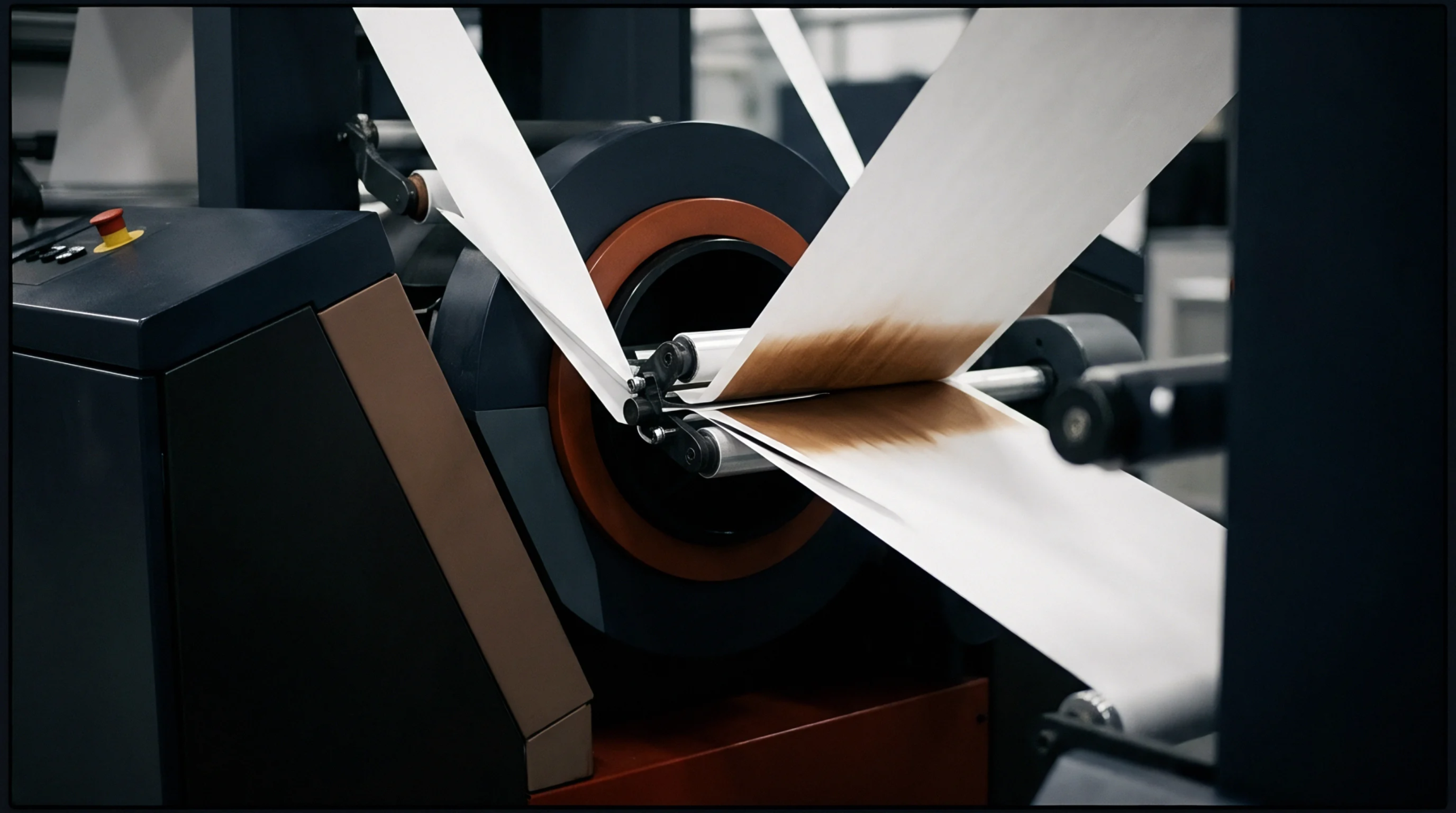
Automated optical sensors monitor caliper continuously across machine directions to catch caliper drift before rolls reach customer facilities. Strict adherence to this measurement protocol prevents jamming inside automatic cartoning machinery during pharmaceutical packaging runs.