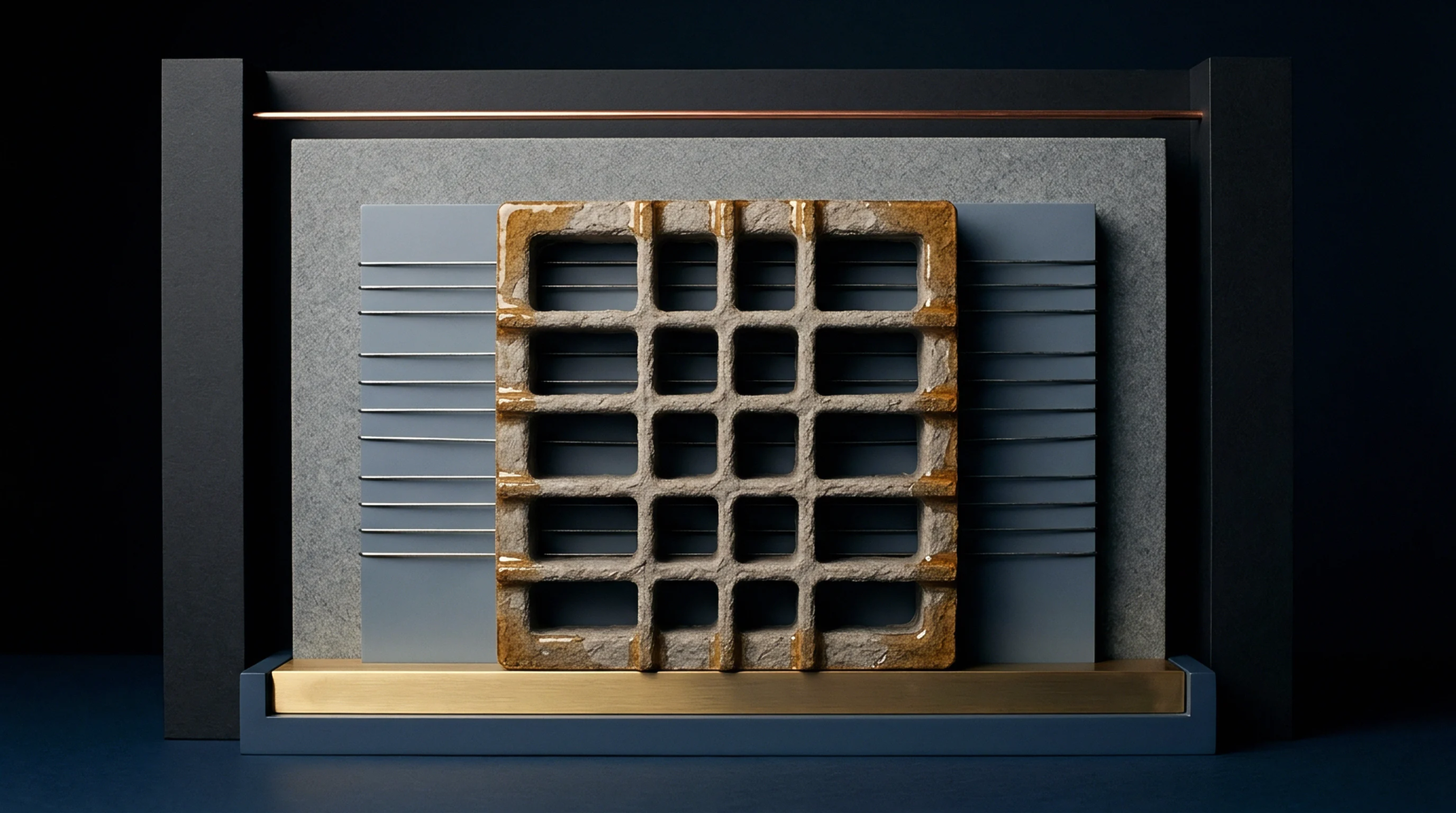
Rotary Scoring Crease Quality Evaluation through Piezoelectric Acoustic Sensors
Inline piezoelectric acoustic sensors detect internal board ply fracture during rotary scoring, enabling real-time crease depth control and waste reduction.
Inline piezoelectric acoustic sensors detect internal board ply fracture during rotary scoring, enabling real-time crease depth control and waste reduction.

Long softwood fibers maximize board bending resistance by increasing elastic modulus on outer plies while maintaining the caliper needed for flexural stiffness.
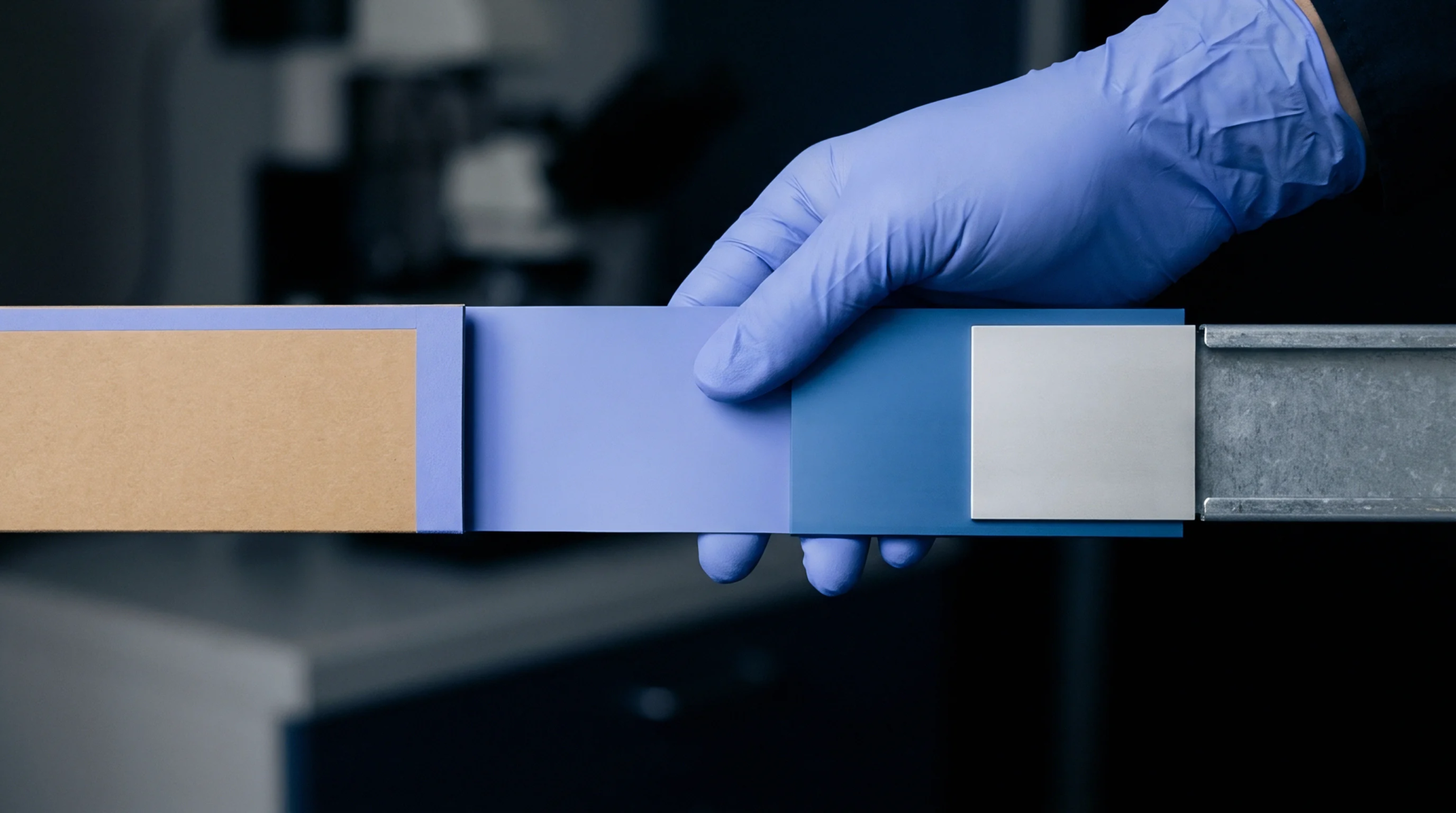
Laboratory physical testing of paperboard proves packaging structural compliance, verifies technical specifications, and prevents import liabilities.

Paperboard moisture equilibrium testing under ISO 187 isolates hygroscopic hysteresis to standardize physical strength properties and verify true fiber yield.
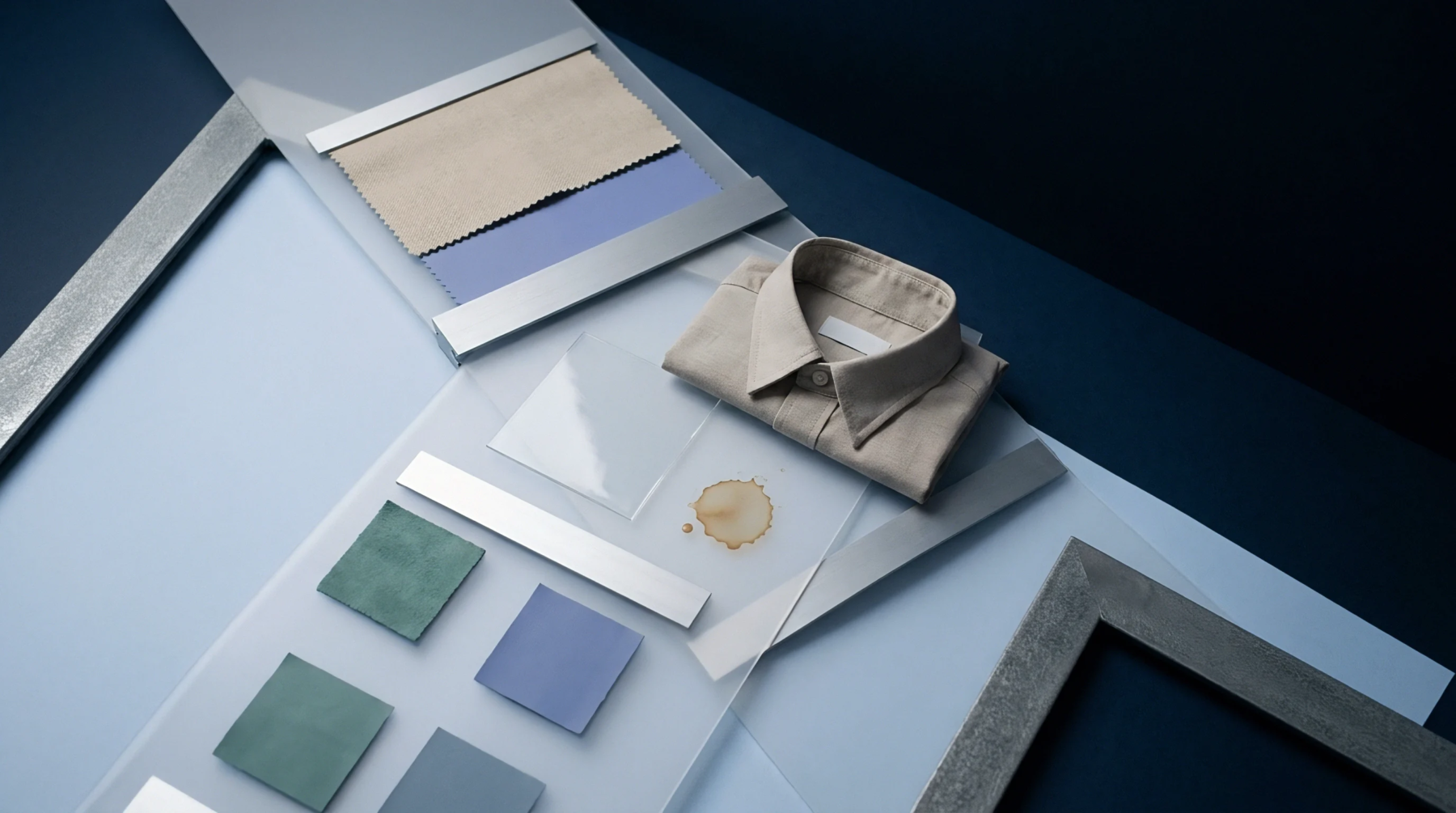
Dual-axis decurling restores sheet flatness by plastic strain but degrades recycled board bending resistance by 12 to 23 percent via core ply micro-delamination.
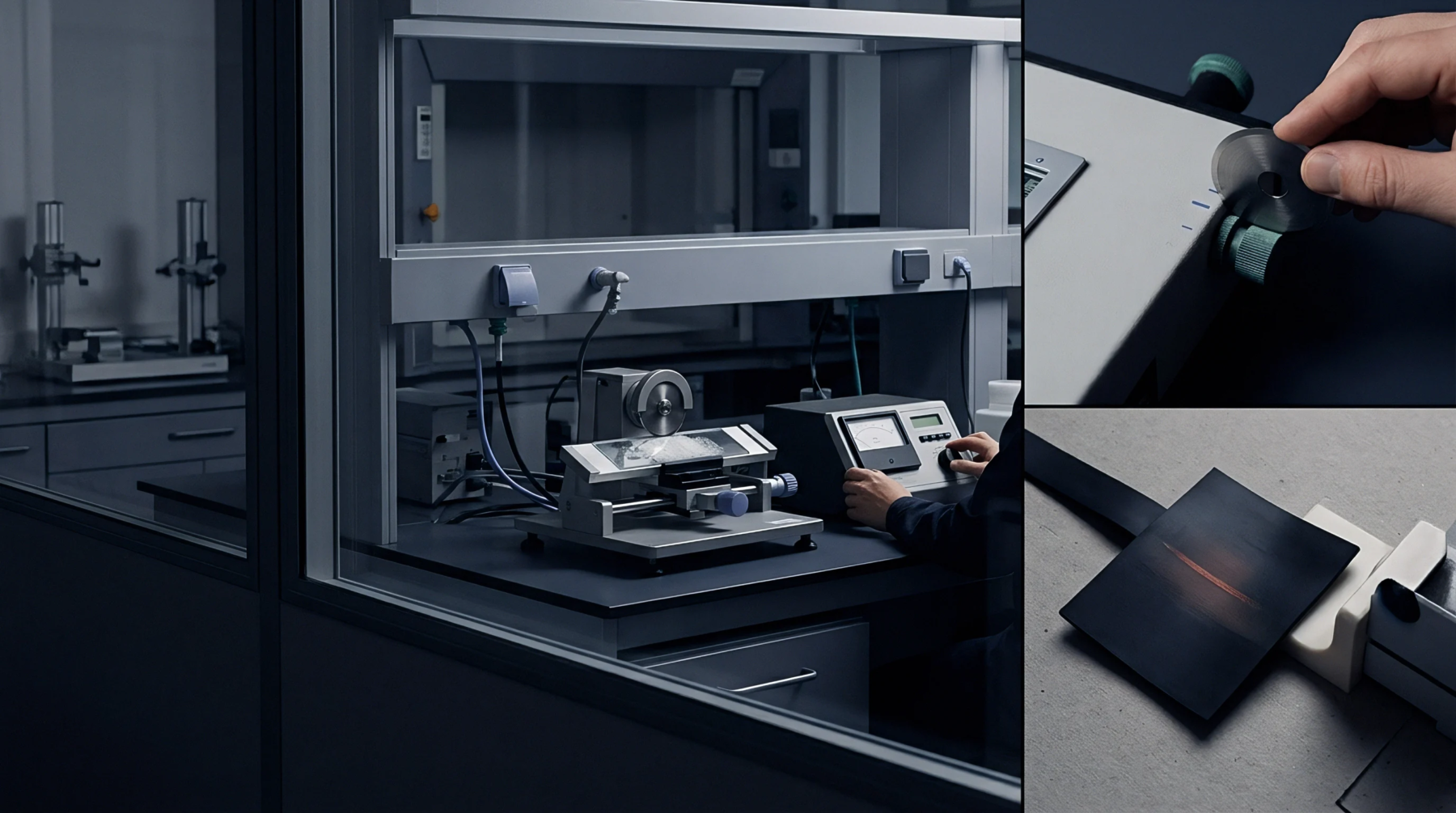
Verify paperboard crease stiffness by conditioning to ISO 187, clamping within 0.5 mm of the score, and targeting a board-to-crease ratio between 2.5 and 3.5.
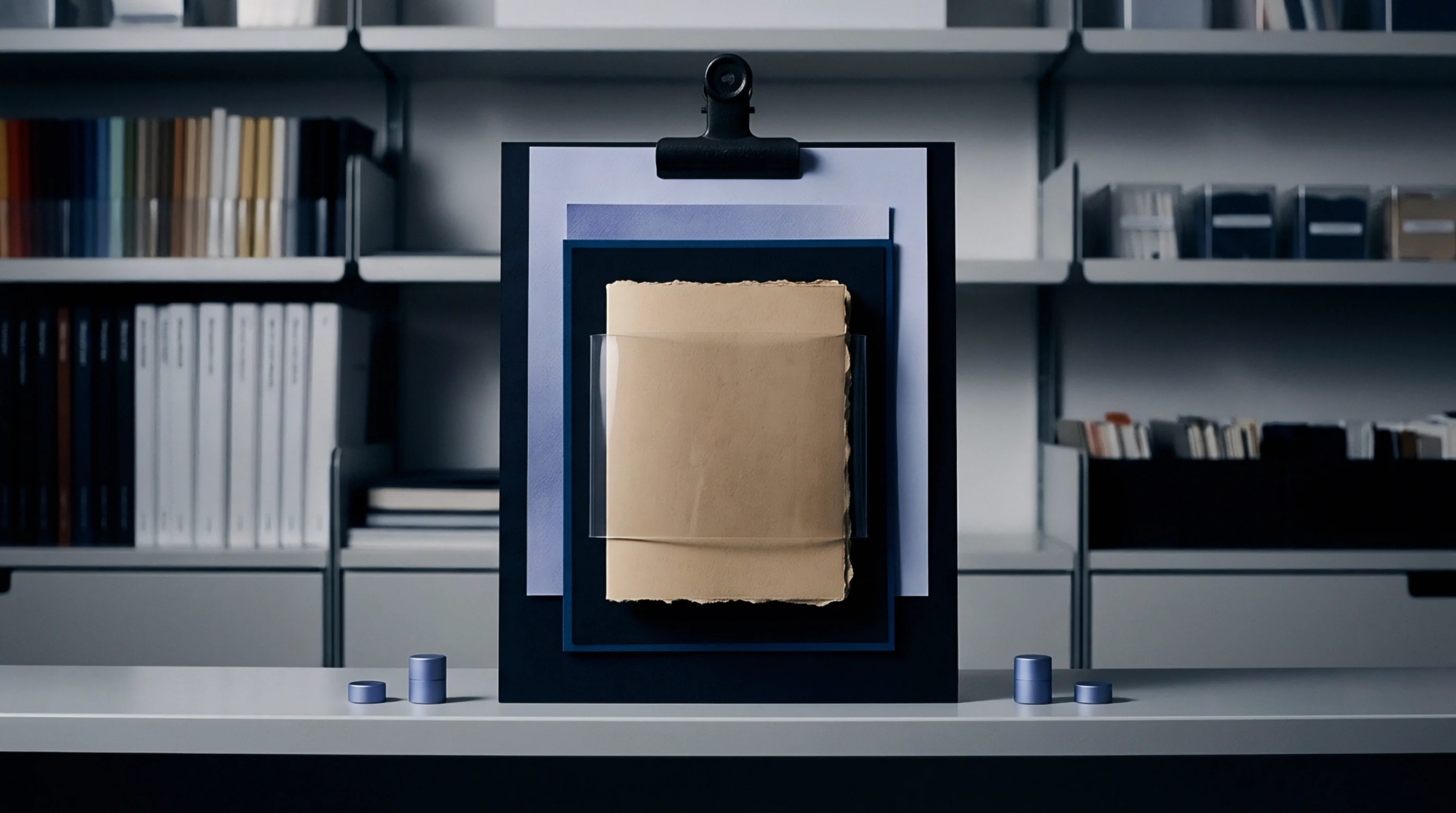
Optimize SBS counter matrix width by setting channel clearance to rule thickness plus 1.40 to 1.50 times caliper to induce delamination without surface rupture.
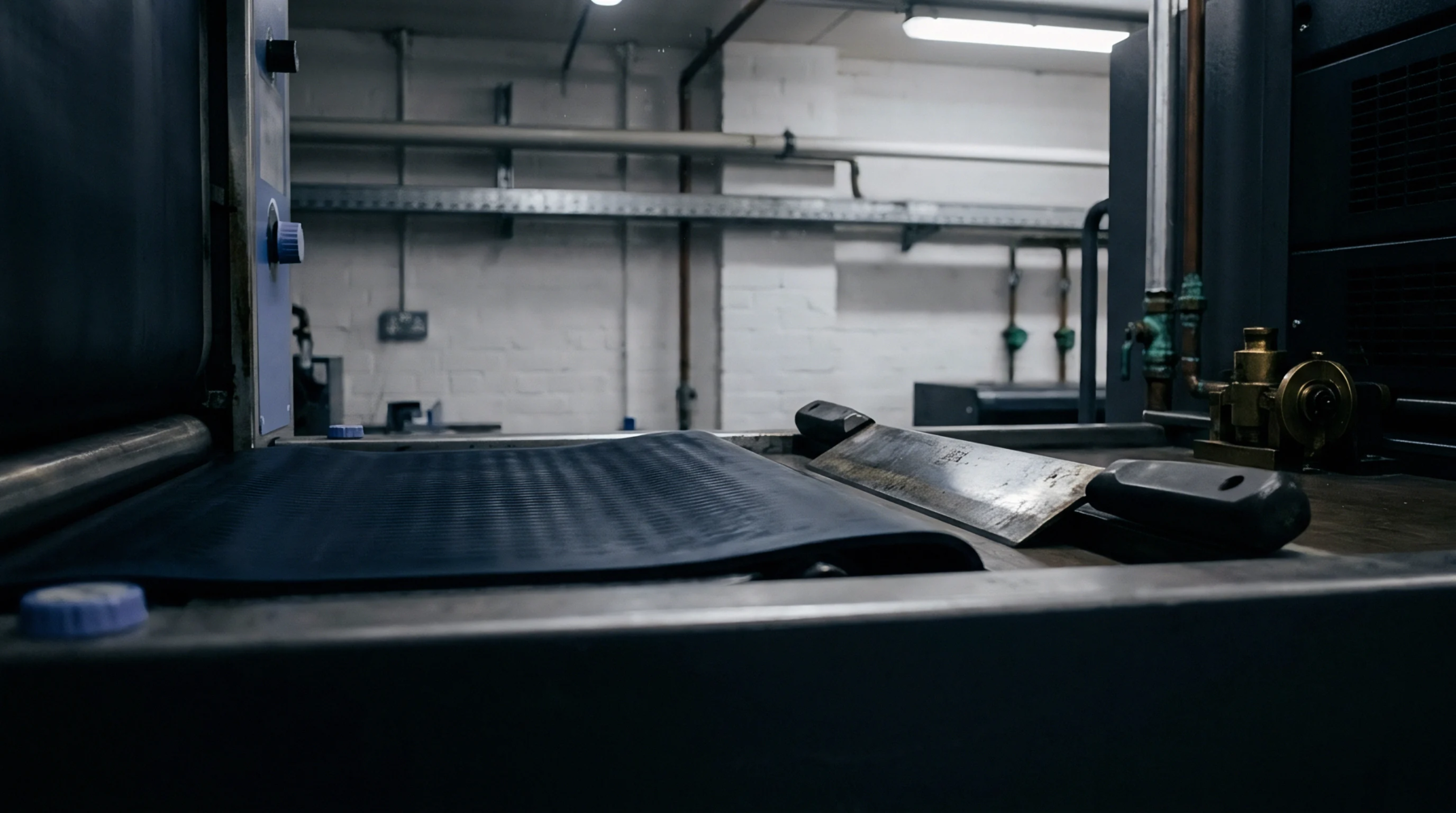
Optimizing machine profile variability control limits requires establishing statistical bounds on cross-web caliper and stiffness to prevent cartoner feed jams.
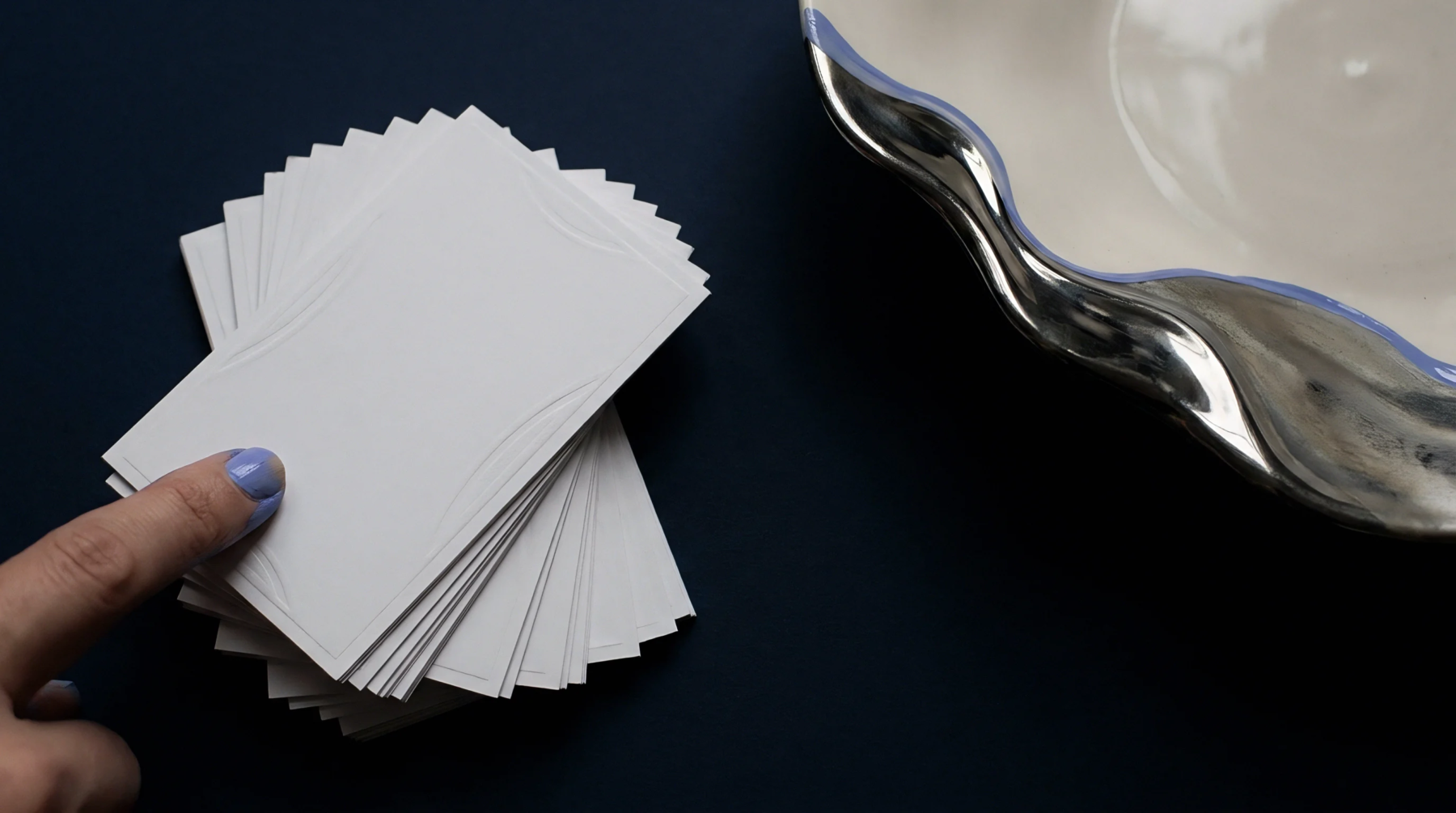
Aligning paperboard machine direction perpendicular to the pull axis maintains panel flatness under suction, preventing extraction jams at high machine speeds.
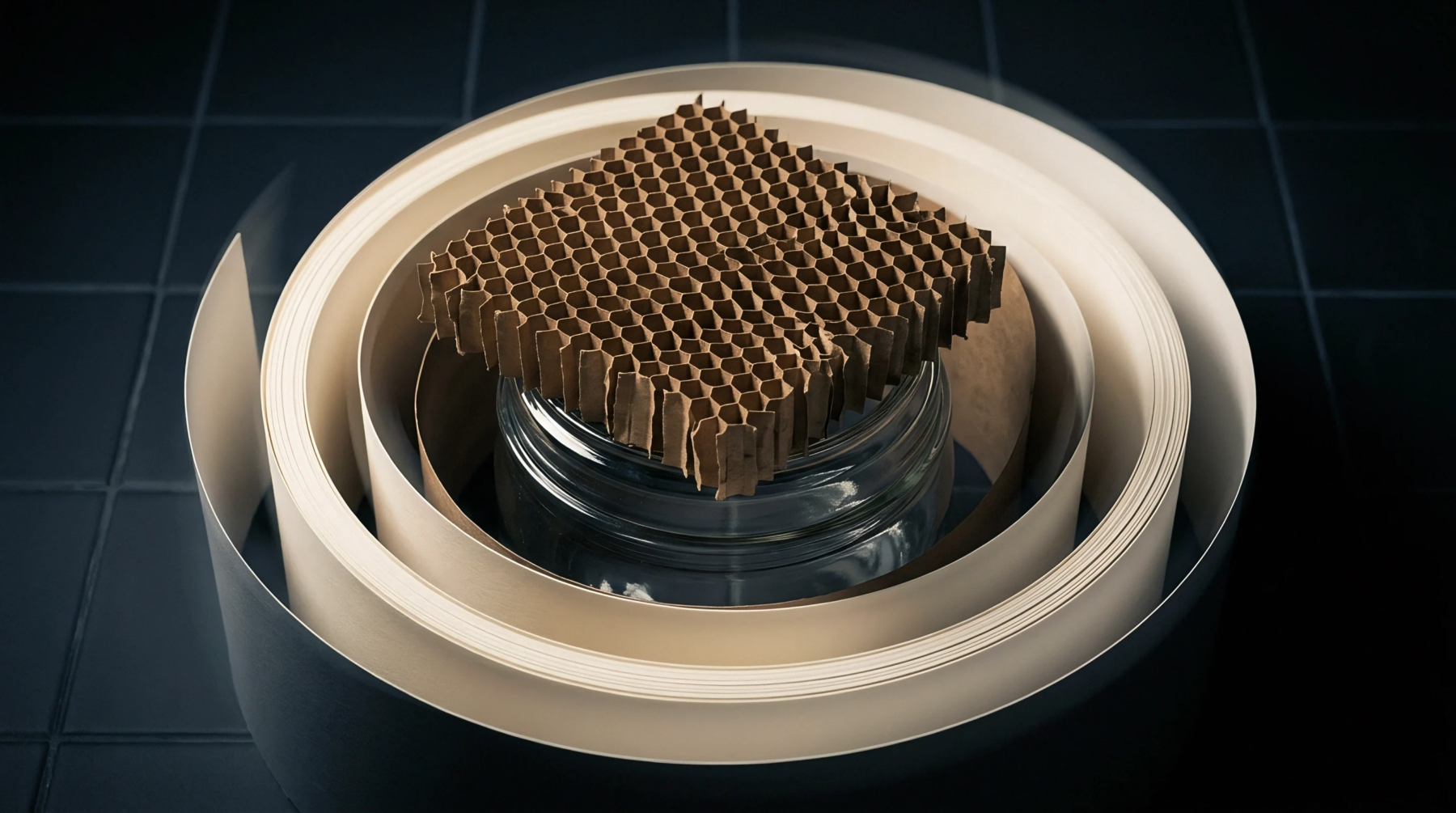
Reversing lamination and hot stamping passes increases crease crack resistance by 34 percent while degrading mechanical fiber yield under CEPI testing by 18 points.
Crease evaluation measures 15-degree sheet stiffness against 90-degree fold resistance, targeting a 30 to 50 percent ratio to prevent cartoning line jams.
Dynamic crease stiffness analysis measures real-time polymer film relaxation during high-speed board folding to prevent barrier fracturing and line jams.
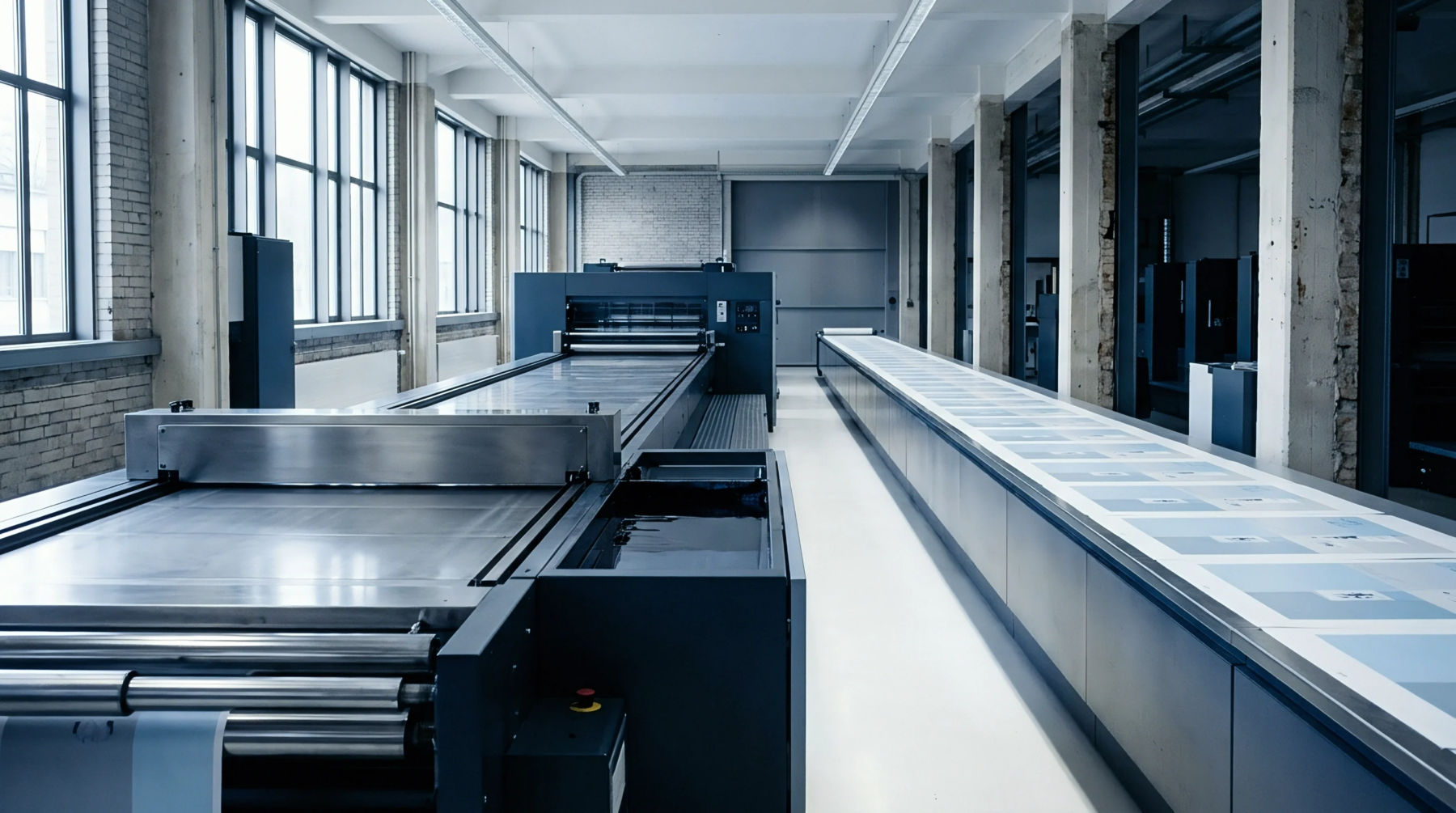
Inline ultrasonic testing verifies internal score delamination and folding resistance in real time, preventing visual surface cracking and high-speed erect jams.

Counter die relief profiles for film laminated folding boxboard require expanding channel widths by twenty percent to prevent outer film shear tearing.
Paperboard grammage and caliper dictate sheet yield, bending stiffness, and converting performance, making exact testing under ISO standards essential for sourcing.
Controlled inter-ply shear delamination inside the middle layers under rule stroke impact converts rigid board into thin lamina, eliminating score cracking.
Commercial landed cost variance depends on sheet yield, press spoilage, and EPR de-inkability fee surcharges triggered by grade substitution.
Expertise is a utility, not a secret. sentiention™ publishes its working knowledge as open reference: intelligence layer covering the materials it sources, the markets it enters, and the reference that serves both.