Evaluating Microcrack Formation and Migrant Leakage in Creased Packaging Boards
Evaluating microcrack formation and migrant leakage in creased packaging boards requires precise matrix sizing and migration testing to prevent structural seal failure.
Evaluating microcrack formation and migrant leakage in creased packaging boards requires precise matrix sizing and migration testing to prevent structural seal failure.

Barrier coating moisture ingress causes internal fiber swelling, creating shear strain that delaminates weak recycled board plies along the coating interface.
Paperboard reel temperature equilibration requires calculated staging times based on reel diameter and temperature differential to prevent condensation defects.
Cross-direction grammage drift forces wider edge trim allowances on rotary sheeters, reducing deckle yield and creating converting quality issues.
Short span compression index variations across recycled boxboard plies directly determine box stacking strength and dictate structural downgauging limits.

Optical score topography directly correlates with cartoner jam rates; controlled bead symmetry and internal ply shear reduce feeder misfeeds at high line speeds.
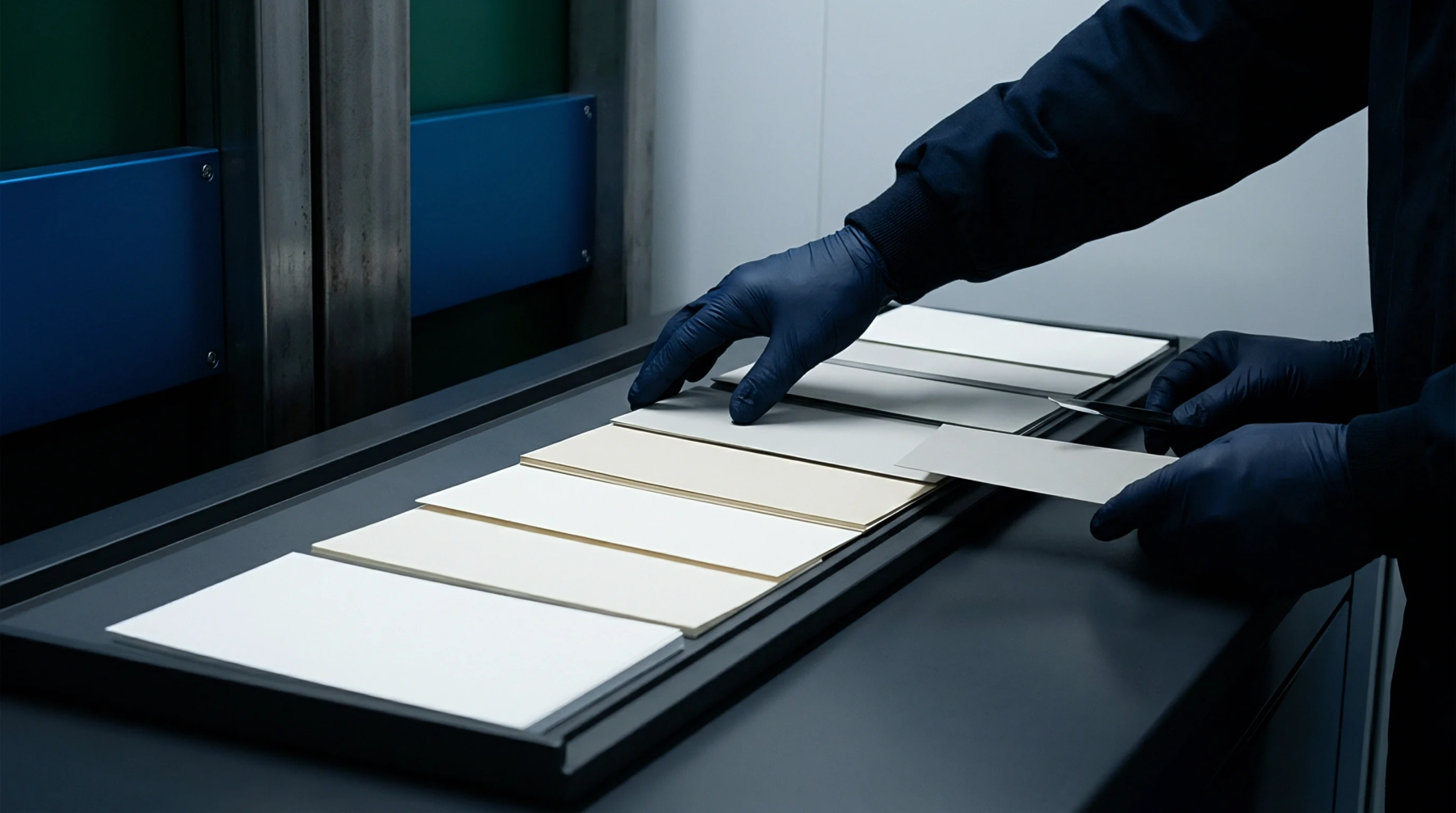
Blue laser triangulation resolves paperboard crease bead topography within two micrometers, eliminating red-light fiber scattering and manual micrometer error.

Aqueous barrier board selection requires balancing Cobb and WVTR specs against laboratory repulpability mass yields above 85 percent to minimize EPR eco-tariffs.
Folder gluers above four hundred meters per minute demand adhesives under fifty millinewtons per meter at twenty milliseconds to stop dry carton joints.
Heat embossing lowers boxboard creep resistance by disrupting fiber bonds, demanding higher safety factor allowances in carton top-load calculations.
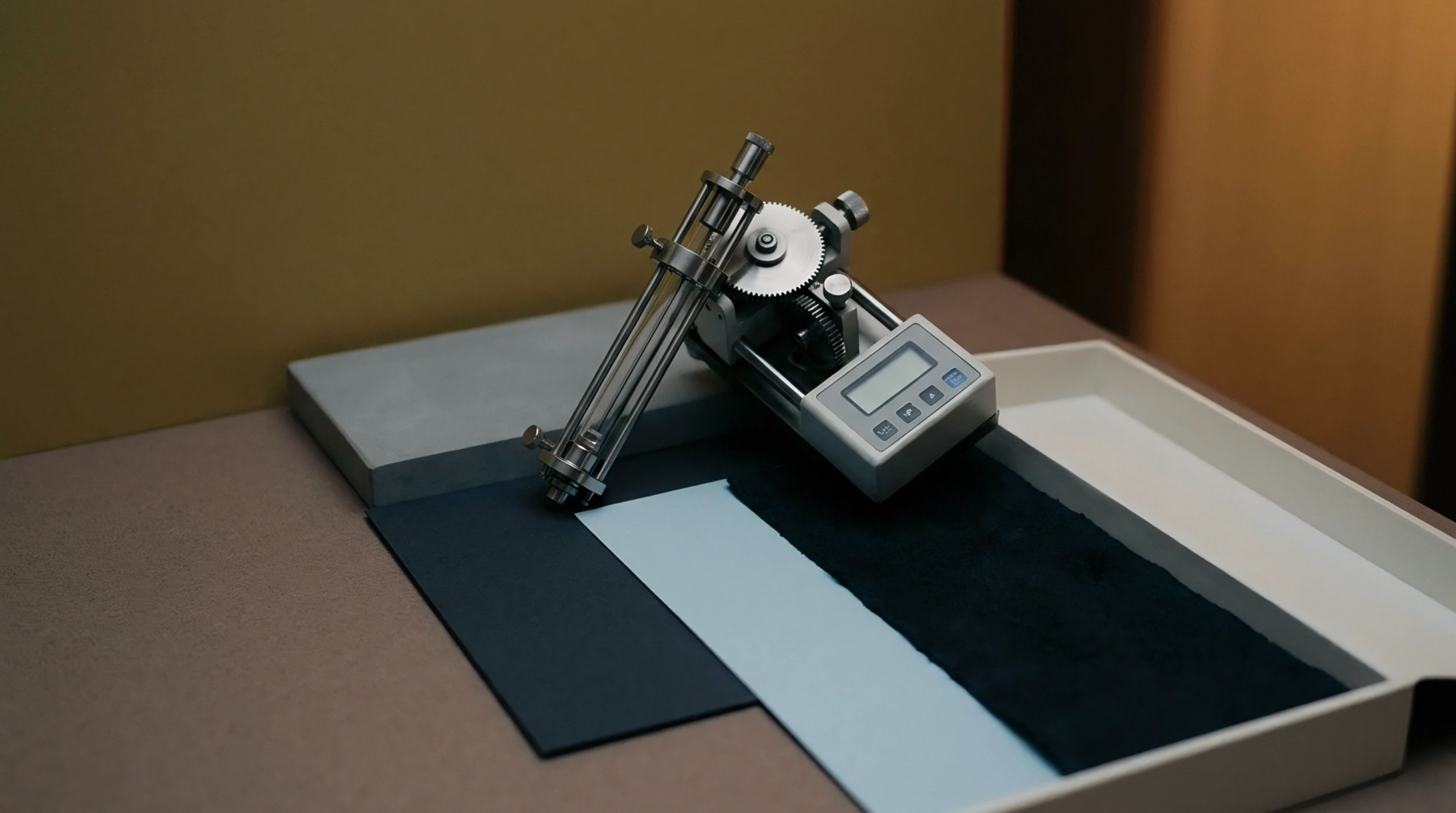
Controlling vacuum deaeration and dynamic contact line capillary numbers below critical thresholds prevents microbubble pinholing in high-speed barrier coatings.
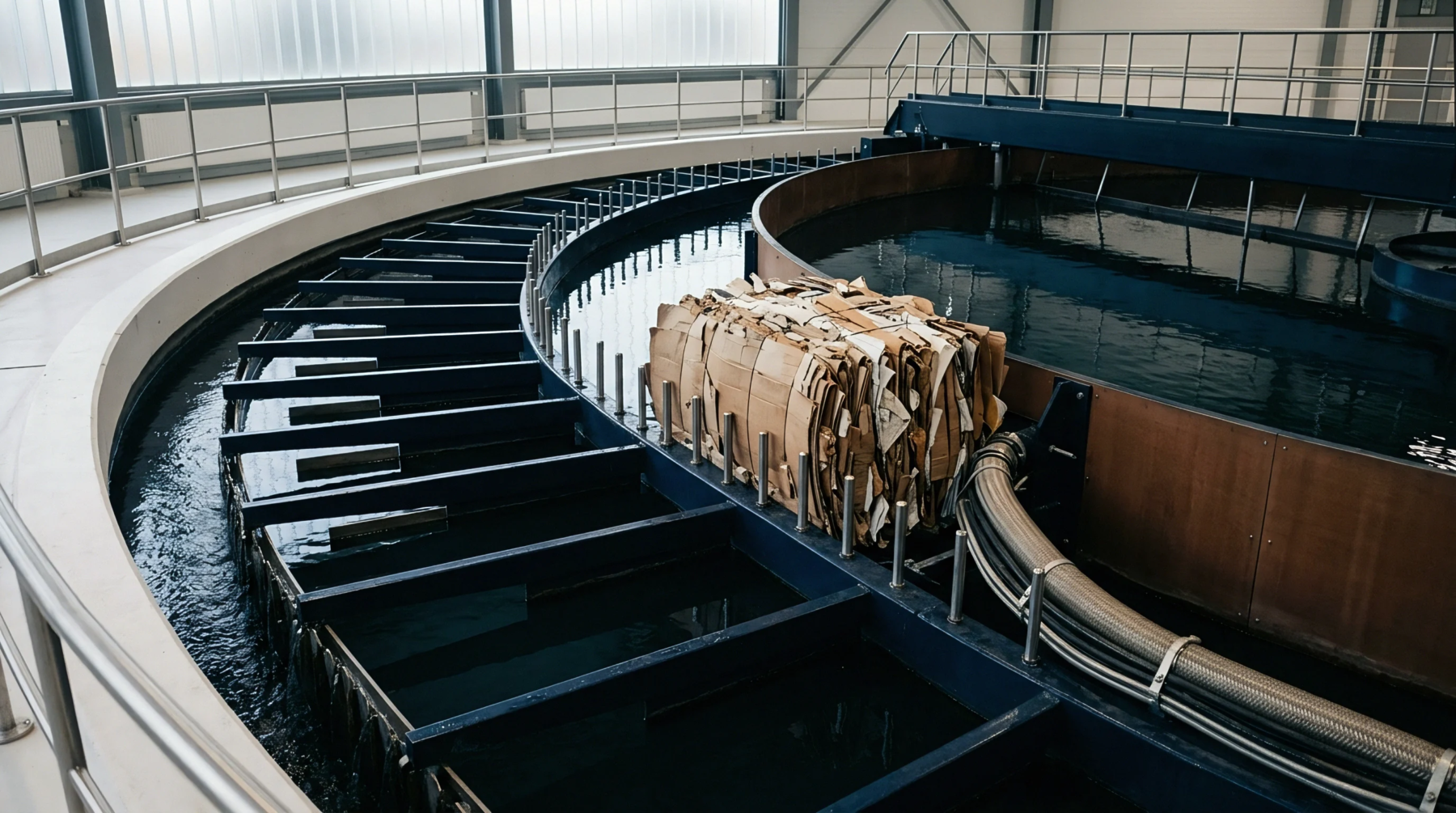
Creased aqueous barrier paperboard requires wider die channels and lower pigment volume to prevent coating rupture and massive water vapor transmission spikes.
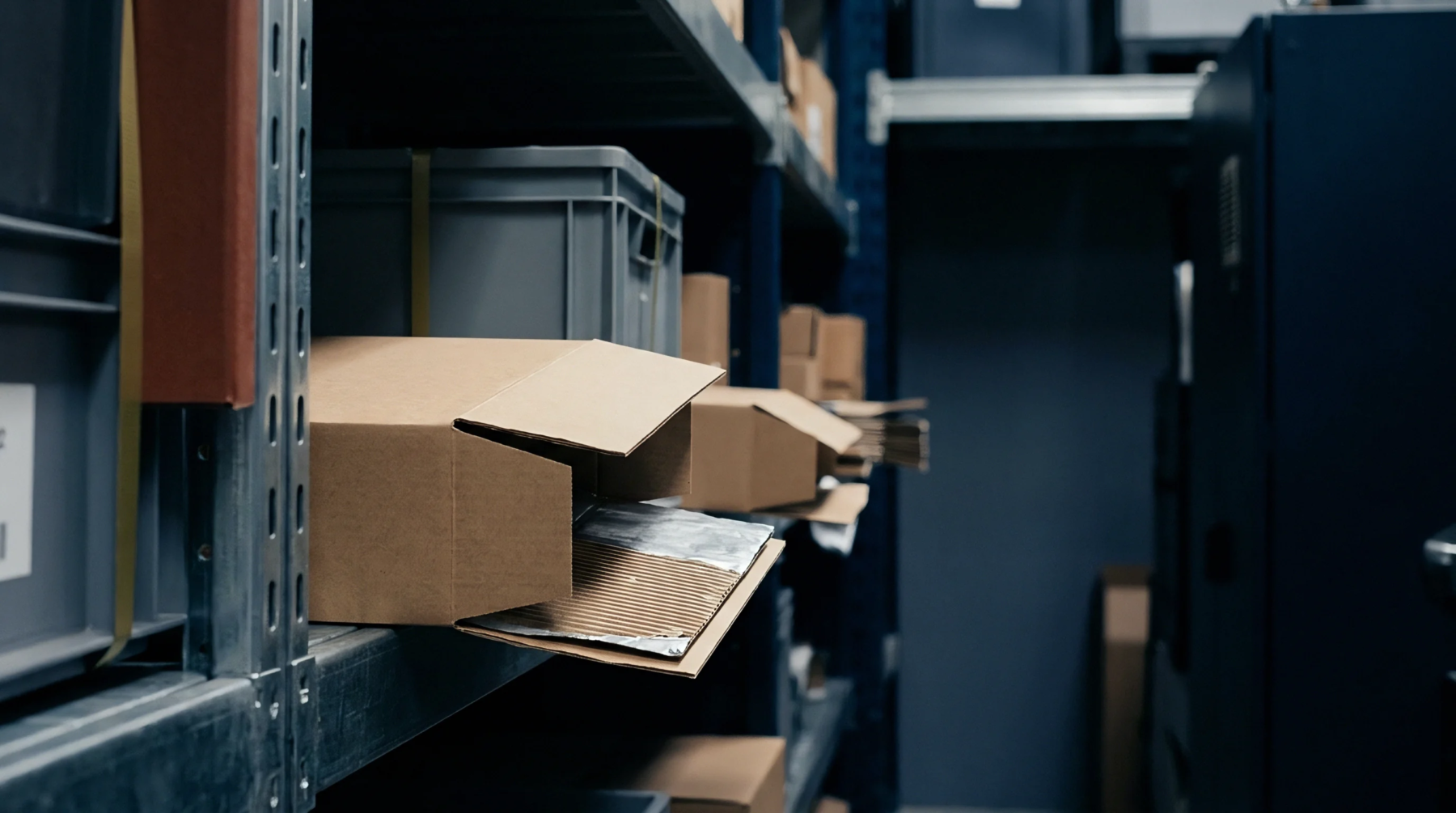
Dynamic crease stiffness ratio optimization balances rule geometry and substrate mechanics to eliminate high-speed packaging jams and score cracking.
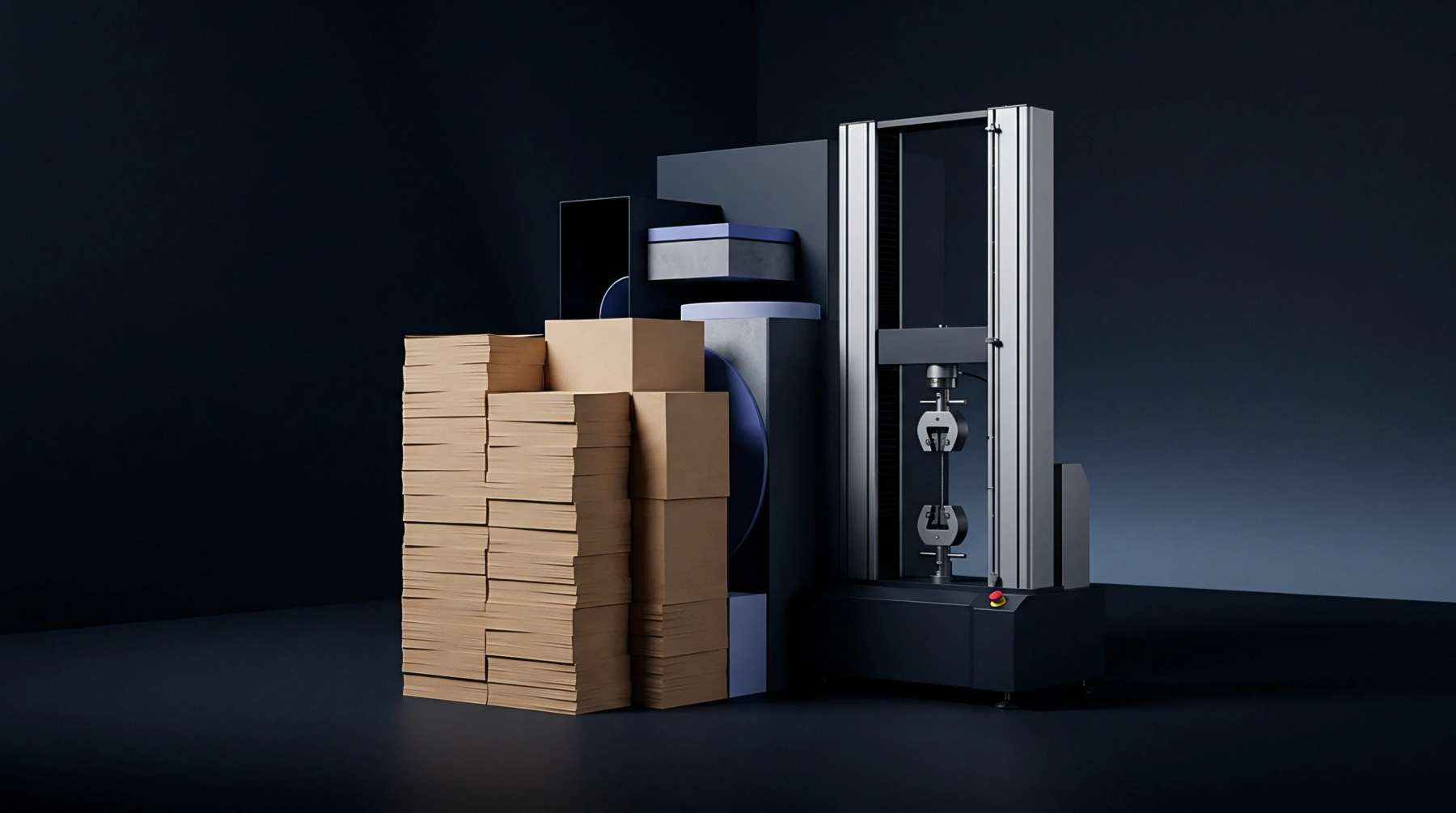
Boxboard claims require exact invoice codes, LC-GC-FID MOSH/MOAH testing under EN 16995, and ISO 2859-1 receiving audits to prevent customs holds.
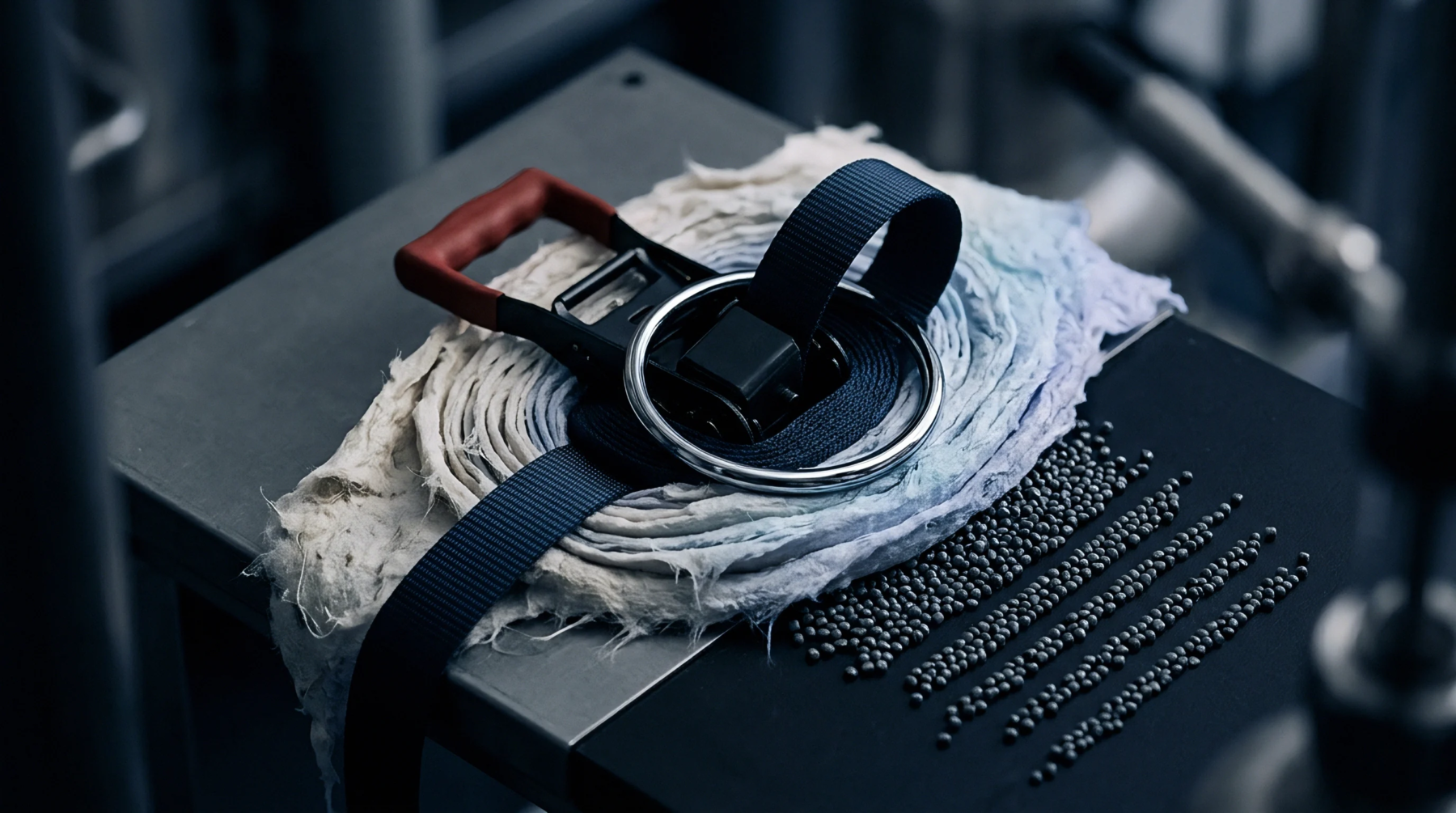
Inter-ply bond testing on coated recycled board balances static z-tensile precision against dynamic Scott bond speed to prevent converting and press delamination.
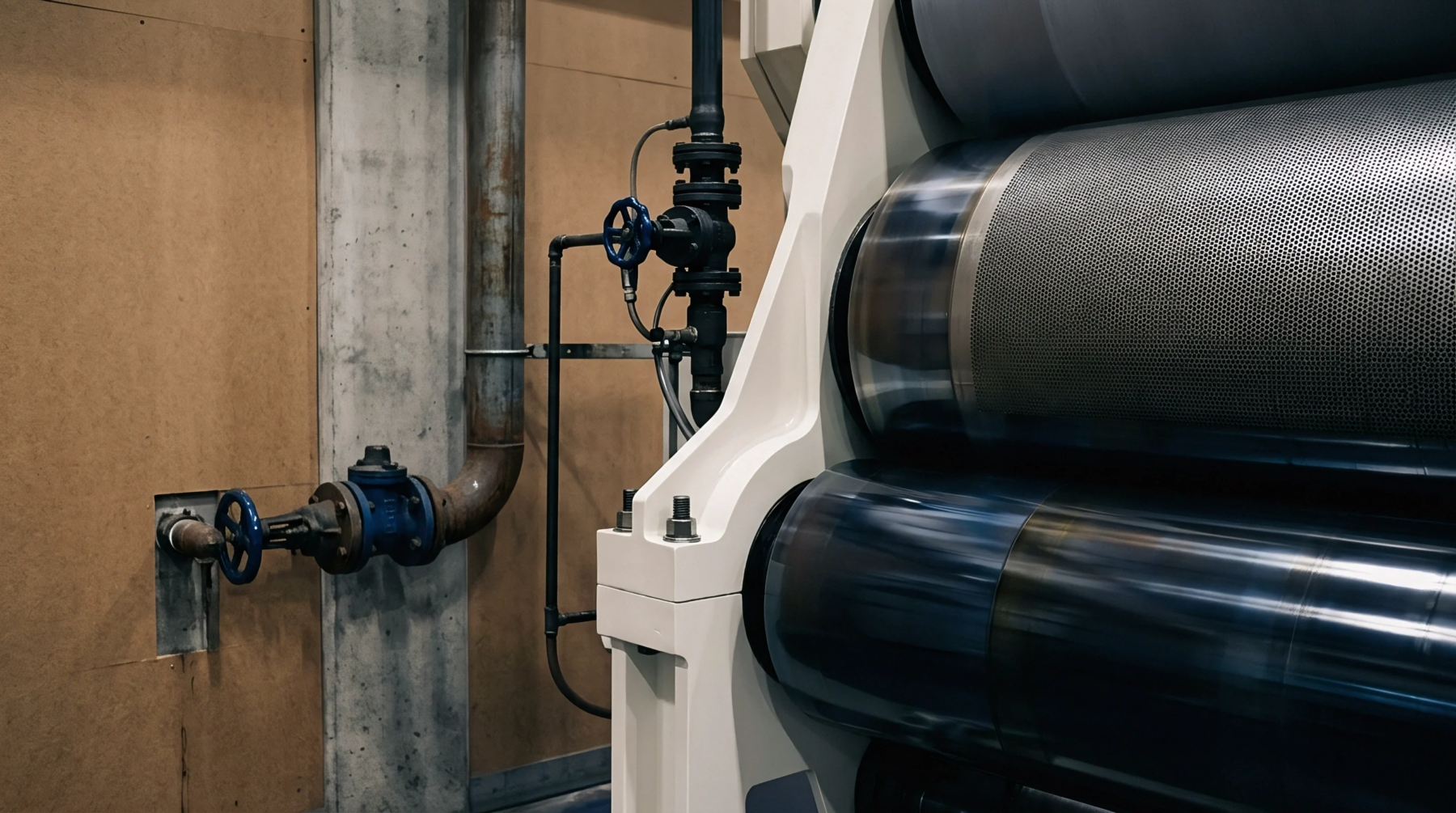
Acoustic emission acquisition isolates ultrasonic shear waves to detect rotary die blade micro-wear before visual burrs cause carton rejection and downtime.

Optimize charge amplifier response during board scoring by coupling wideband Bessel filtering with ten-teraohm feedback to isolate true ply delamination.
Establishing accurate carton material balance requires deducting core tare and moisture loss from gross board weight before tracking die skeleton trim.
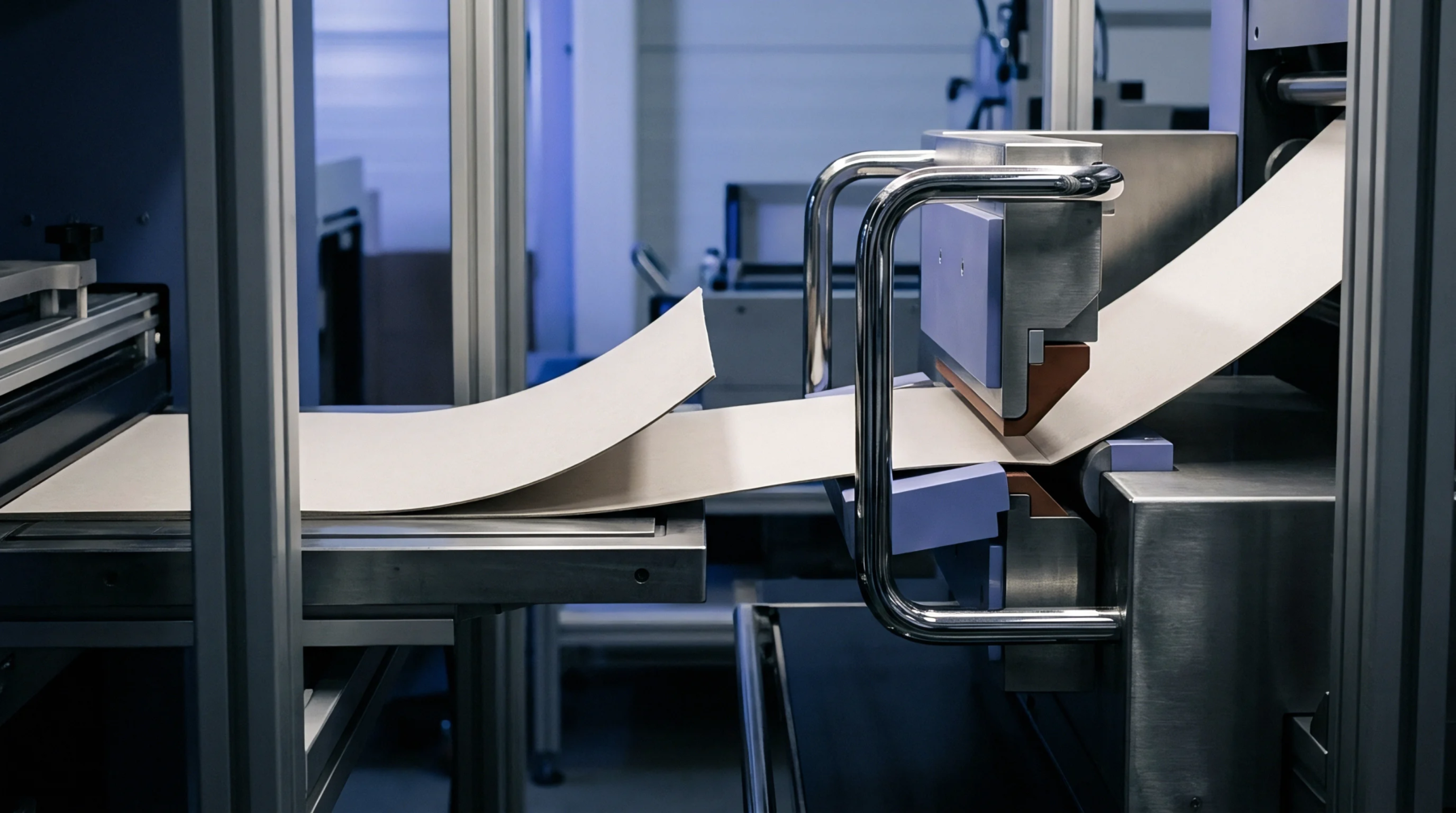
Recycled cartonboard converting demands minimum internal bond energies of 130 to 180 J/m² to prevent blistering during litho printing and delamination in creasing.

Controlled multi-ply board creasing requires tuning rule penetration energy to exceed core shear strength without passing the outer liner tensile fracture limit.
Centralised credit accounts require plant-specific conversion factors and strict rolling FIFO schedules to prevent unearned claims and customs rejections.
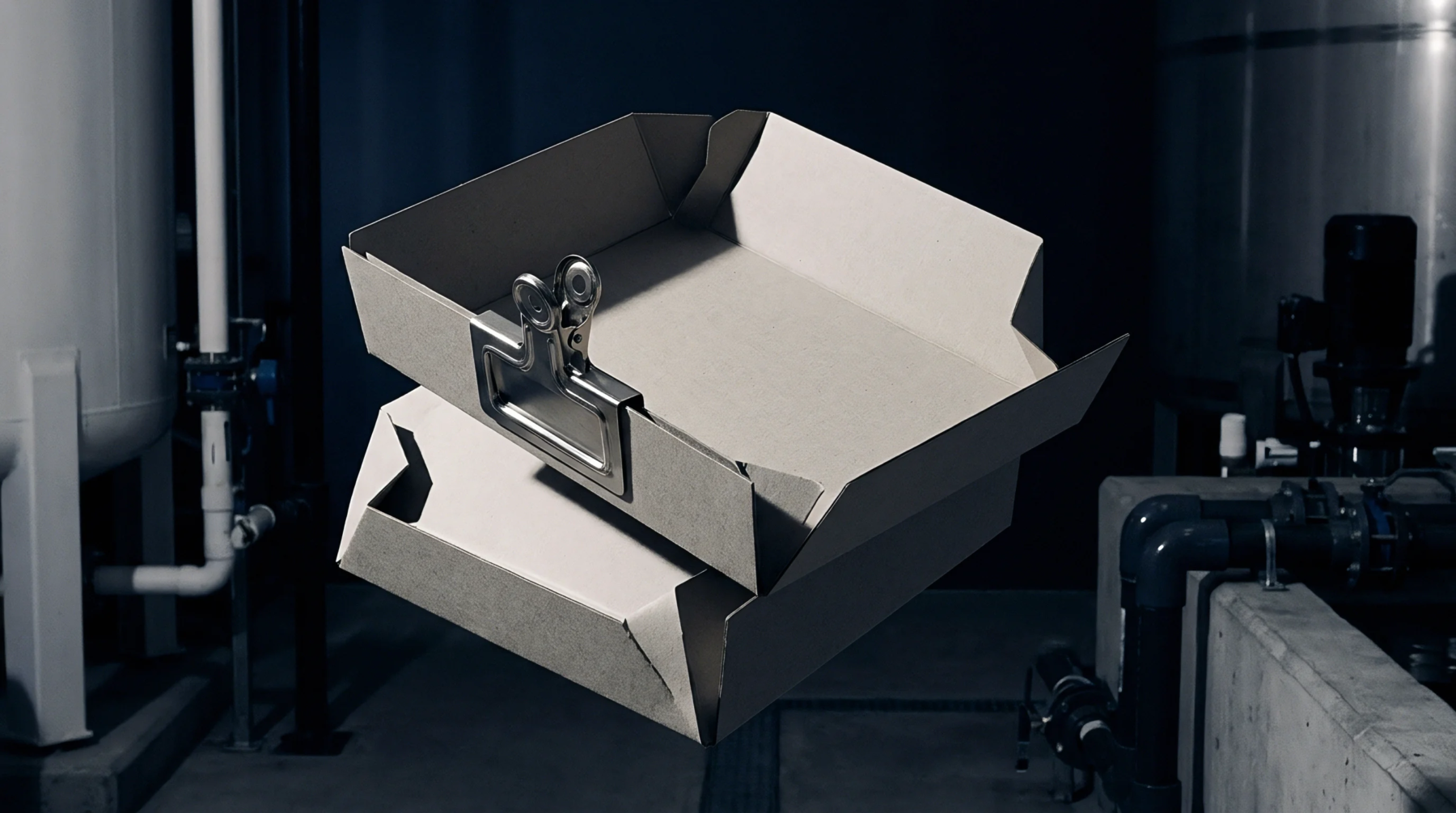
UV lamp radiation drives moisture loss and thermal expansion in sheetfed litho, causing tail fan-out and downstream die-cutting registration failures.

Anisotropic hygroexpansion expands sheetfed boxboard up to six times more cross-grain than with-grain, requiring strict relative humidity control to hold register.
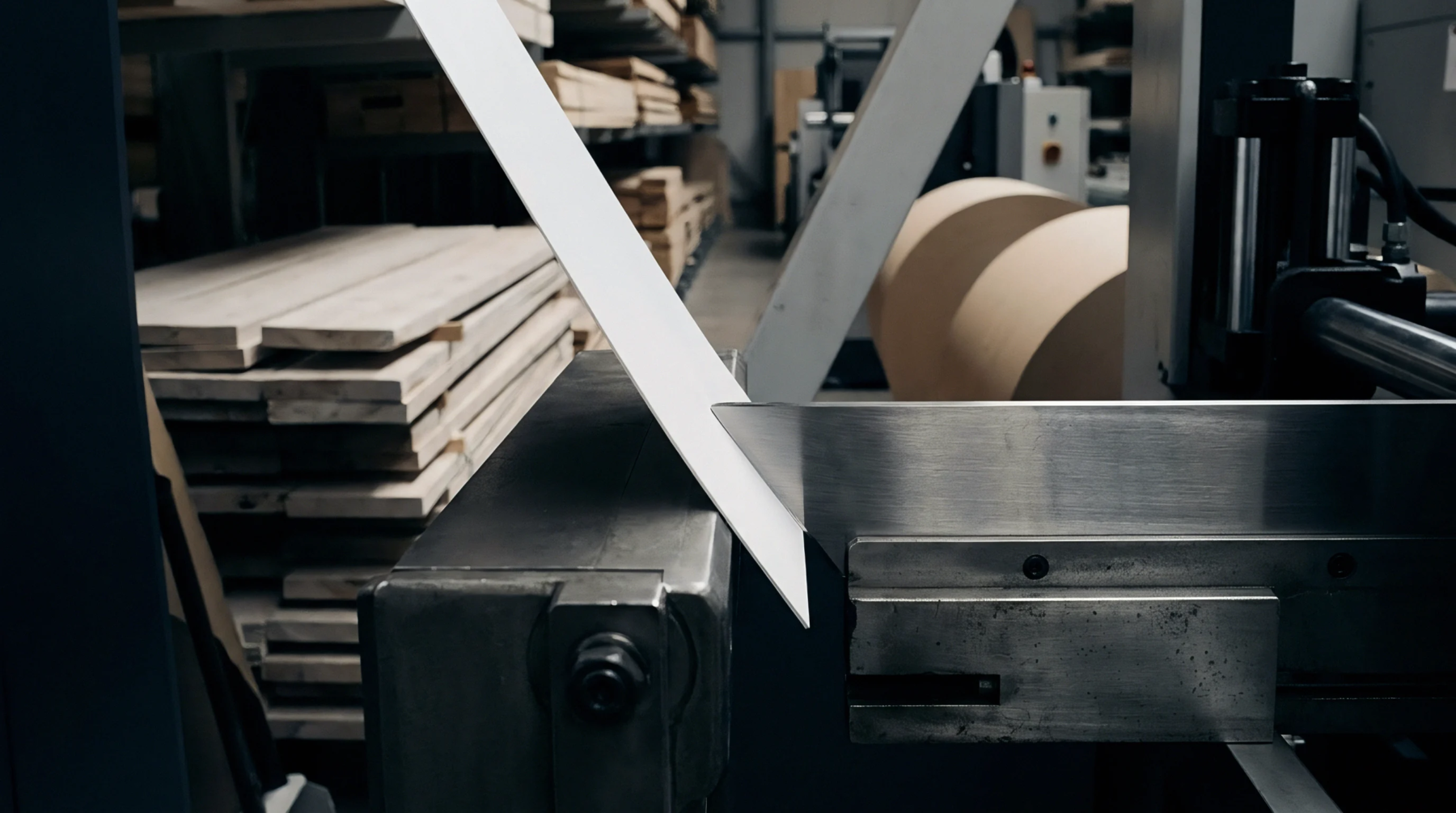
Swapping cartonboard to higher bulk furnishes increases square metre yield per tonne, reducing landed pack costs despite higher per-tonne substrate prices.
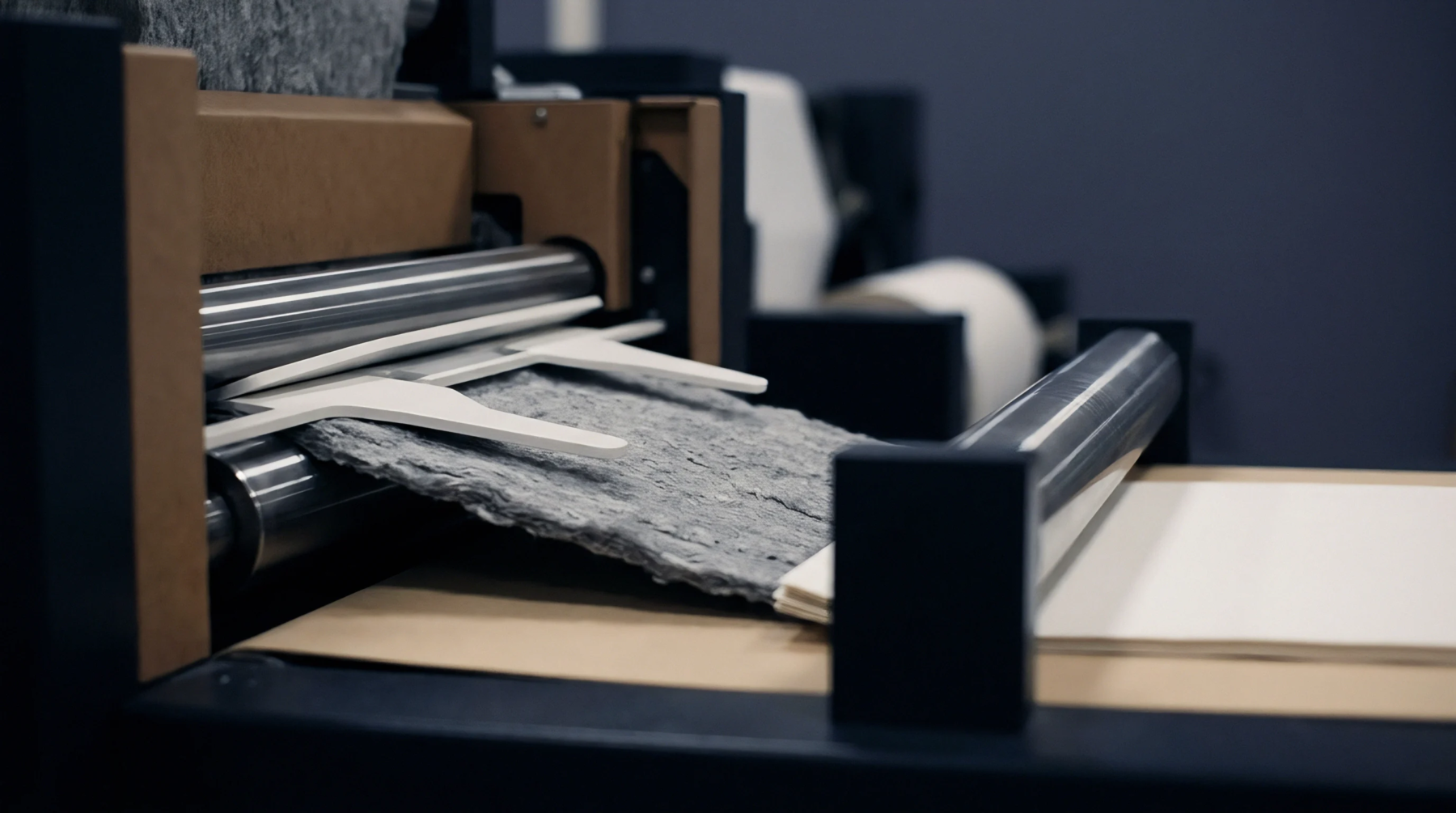
Standardizing CD crease shear in recycled board requires holding a 1.40 to 2.10 crease ratio via controlled internal ply delamination to stop cartoner line jams.
Determining migration compliance relies on exact food simulant testing, functional barrier verification, and complete analytical records across all converter tiers.
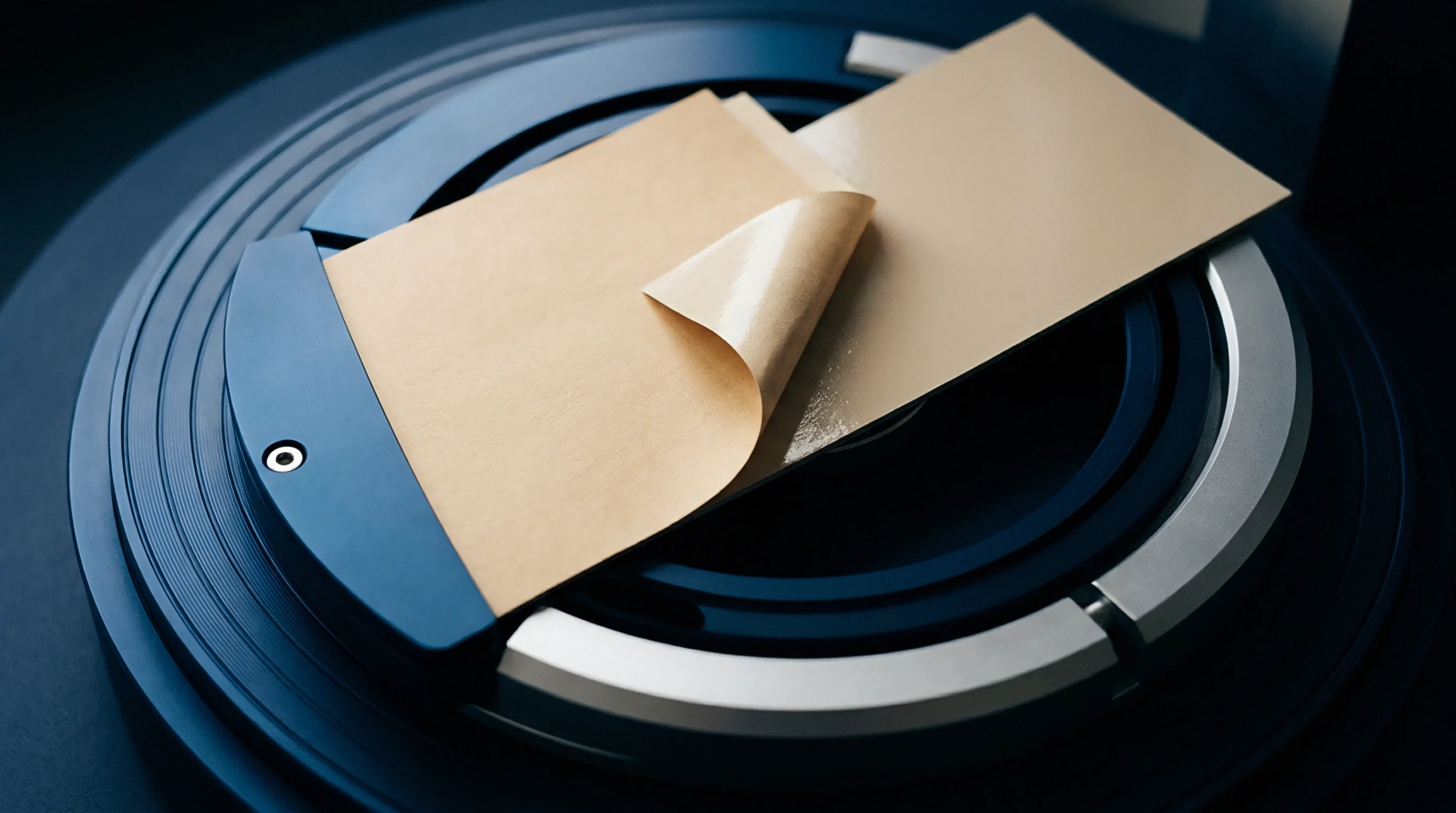
Calibrating matrix channel width for coated recycled board requires expanding the multiplier to 1.8 times board caliper plus rule thickness to stop liner splits.

Recycled board demands matrix channels widened to rule thickness plus 1.7 to 1.9 times caliper to induce core delamination and prevent liner splitting.

Paperboard moisture equilibrium testing under ISO 187 isolates hygroscopic hysteresis to standardize physical strength properties and verify true fiber yield.
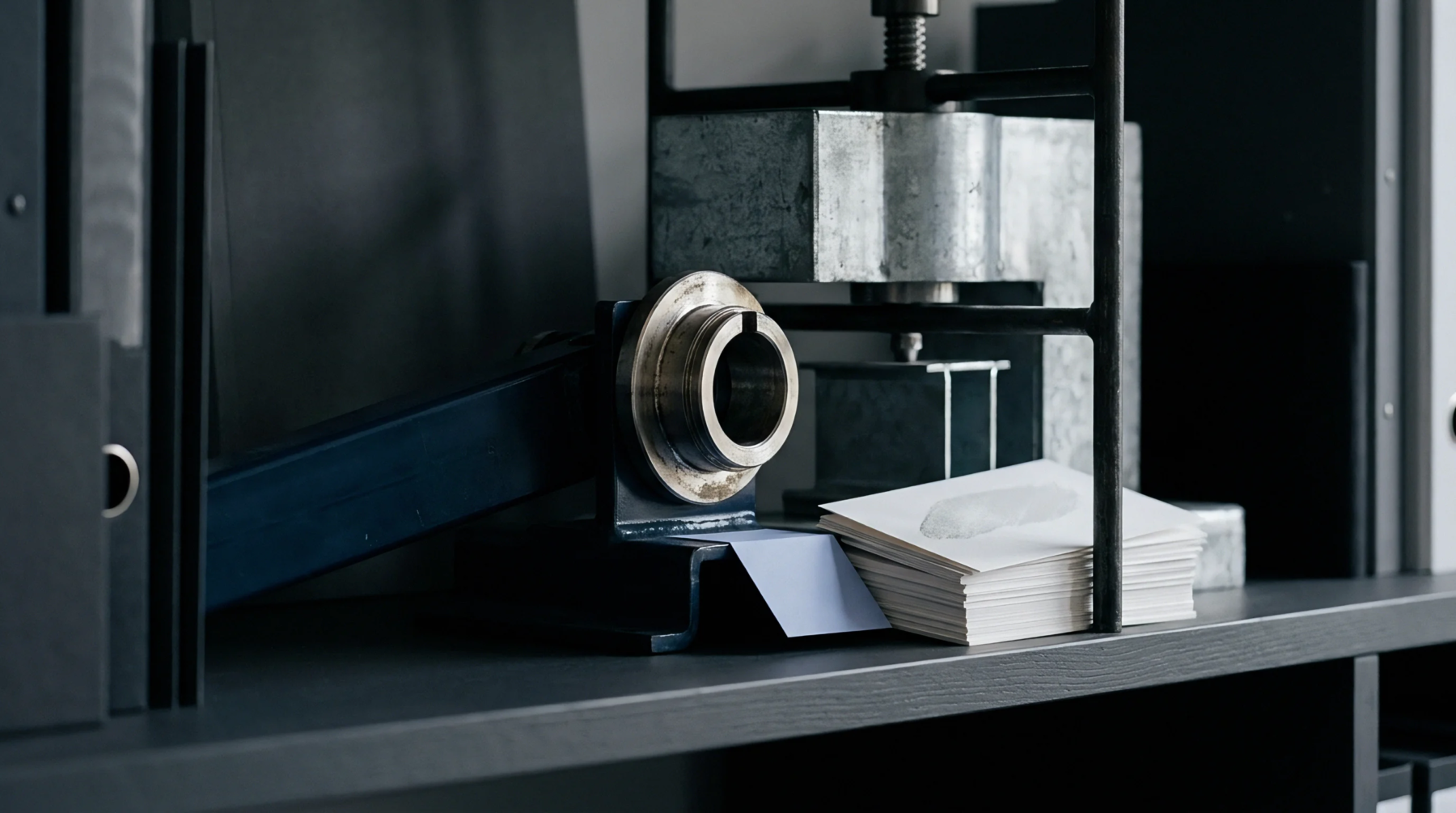
Interfacial shear strength measures coating-to-fibre bond limits under pure planar stress to prevent score flaking and glue-flap failure in paperboard cartons.
Expertise is a utility, not a secret. sentiention™ publishes its working knowledge as open reference: intelligence layer covering the materials it sources, the markets it enters, and the reference that serves both.