Optimizing Die Cutting Matrix Dimensions for Heavyweight Folding Boxboard Grades
Heavyweight folding boxboard requires matrix depth matching board caliper and channel width calculated at one point seven times caliper plus rule thickness.
Heavyweight folding boxboard requires matrix depth matching board caliper and channel width calculated at one point seven times caliper plus rule thickness.
Dynamic moisture entry plasticizes paperboard core binders and depresses matrix glass transition, driving interlaminar delamination and pallet stack collapse.

Rapid shear creasing requires tailored interply delamination toughness to prevent liner fracturing while reducing folding torque on high-speed lines.

Piezoelectric sensor frequency response calibration prevents amplitude distortion during high speed creasing by matching amplifier cutoff to rule strike transients.
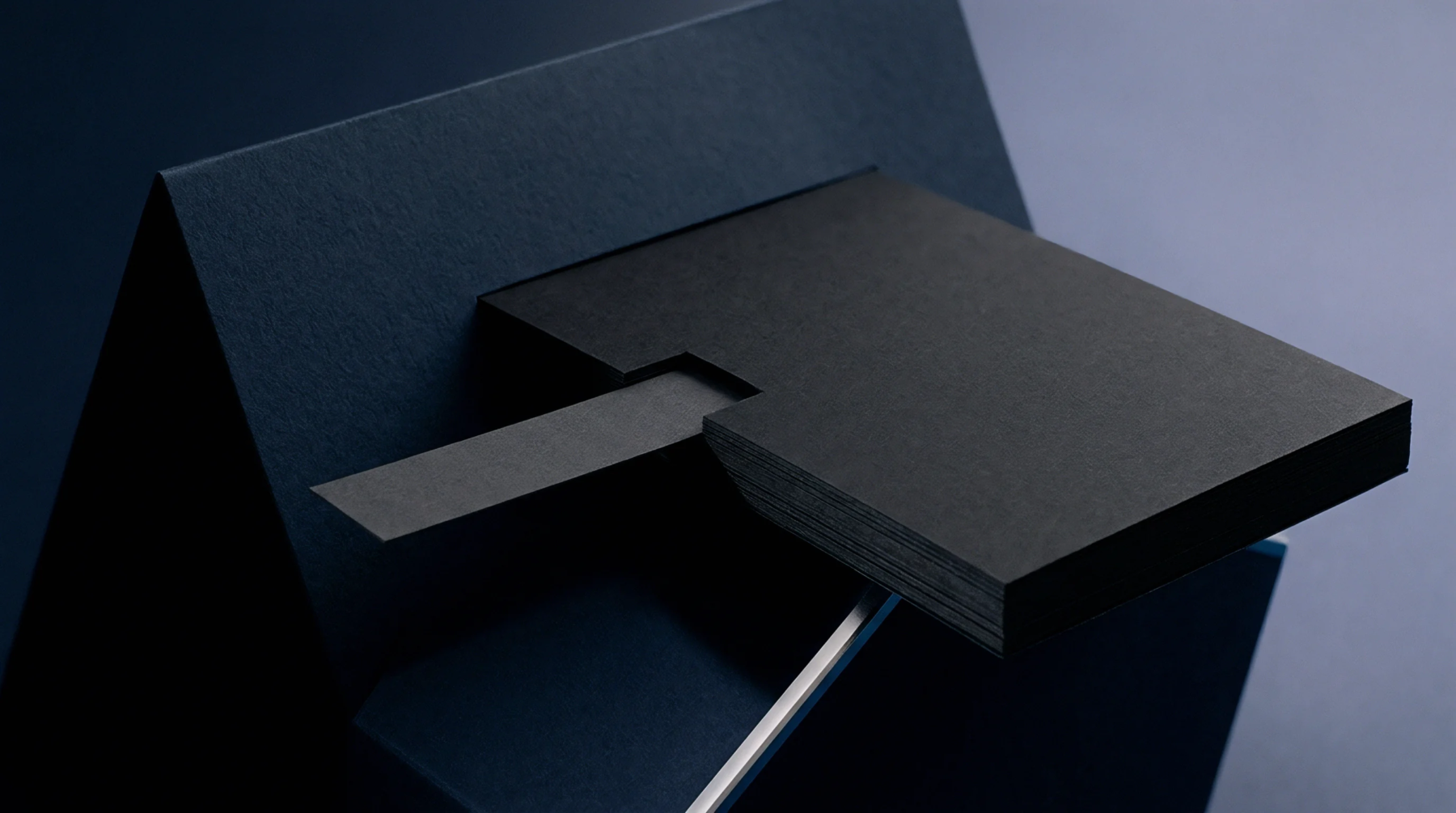
Determining matrix channel width requires adding steel rule thickness to board caliper multiplied by 1.5 for machine direction or 1.7 for cross direction scores.

Interfacial shear delamination in dispersion-coated folding boxboards occurs when converting flexure stresses exceed polymer-fiber bond fracture energy.

Core shear stiffness governs folding boxboard creasing performance; correct values enable middle ply delamination while preventing outer coated liner failure.
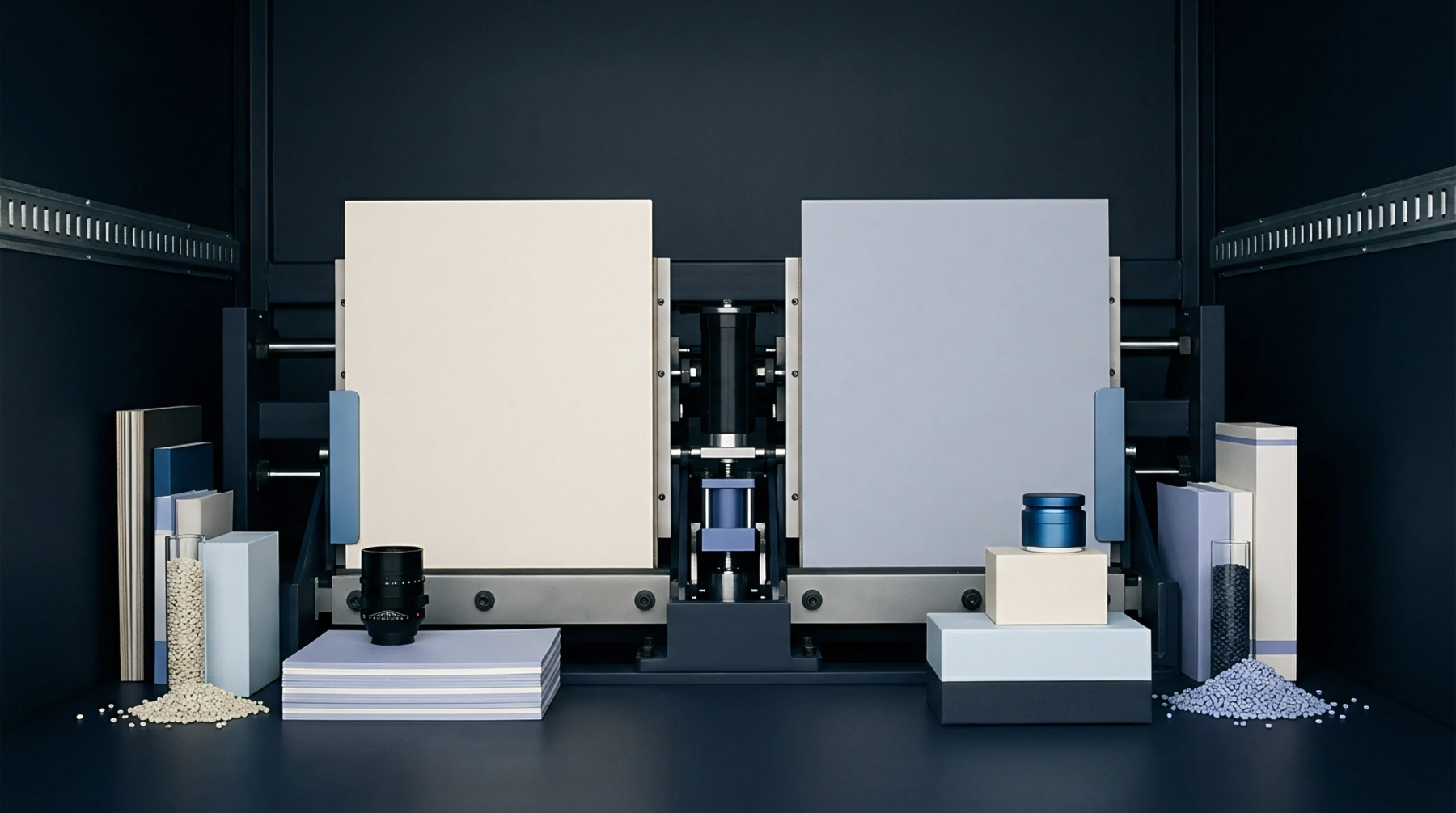
High strain shear during boxboard creasing causes polymer film micro fractures when local elongation exceeds film yield capacity along the outer bend radius.
Controlled inter-ply shear delamination inside the middle layers under rule stroke impact converts rigid board into thin lamina, eliminating score cracking.
Expertise is a utility, not a secret. sentiention™ publishes its working knowledge as open reference: intelligence layer covering the materials it sources, the markets it enters, and the reference that serves both.