Structural Rigidity
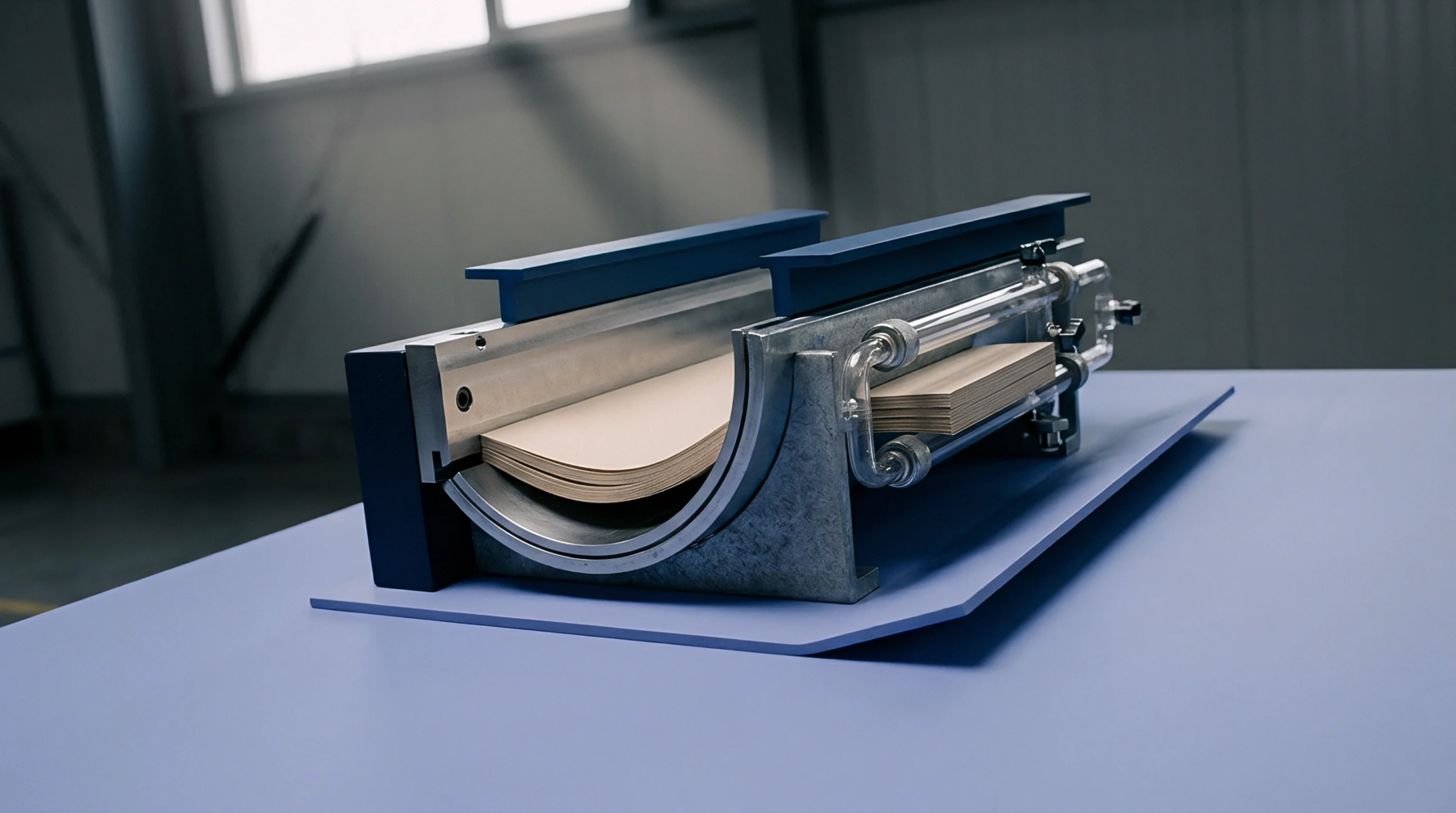
Mechanical resistance describes the internal stress response of a laminated paperboard or composite substrate when subjected to forces acting parallel to the surface plane but directed through the thickness. The transverse shear modulus identifies the material constant governing this deformation, quantifying how effectively a material resists the internal sliding of its constituent layers. Manufacturers apply this value to determine the stiffness of corrugated boards during conversion processes involving creasing or folding.
It defines the boundary where elastic behavior transitions into permanent delamination under heavy structural loads.
Manufacturing Precision
Precise control of this property prevents fracturing during the high speed transit of cartons through automated filling lines. Engineers calculate this value by assessing the shear strain resulting from controlled mechanical load applications across the cross section of the substrate. Fibrous orientation within the ply structure dictates the magnitude of this constant, requiring exact alignment of cellulose chains during the wet end phase of production.
Variations in moisture content shift this modulus, forcing converting facilities to maintain stable environmental conditions to keep the material within specified elastic tolerances.
Production Outcome
Laminate integrity depends entirely on the correct prediction of shear displacement across the adhesive interface. High values indicate a bonded structure capable of maintaining form under intense localized pressure or repeated structural bending. Minimal shear strength leads to failure during the initial forming of container flaps, leaving the final package susceptible to collapse under stacking weight.
Rigid adherence to these physical parameters ensures that the material performs as specified throughout the entire lifecycle of the commercial packaging product.